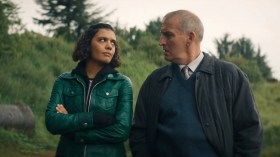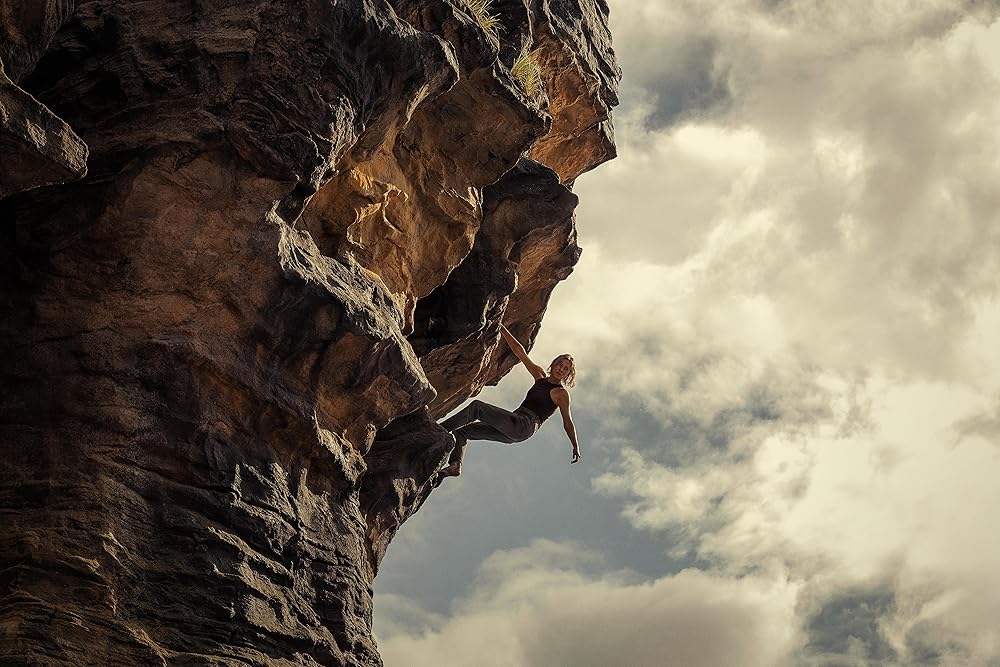
Taron Egerton isn’t the first overseas actor to adopt a passable-enough Australian accent in an Aussie-made movie, and he won’t be the last, but the Apex talent is one of the current faces of a specific trend.
On streaming platforms in 2026, local viewers have been taking in films such as Egerton’s survivalist thriller-meets-serial killer flick, fellow Netflix effort War Machine and Prime Video’s The Bluff and Balls Up.
Australian audiences are happily watching Aussie-filmed movies from their couches, then – more than supporting actual homegrown pictures in cinemas.
Australian film in 2026 – quick links
What’s an Australian film anyway?
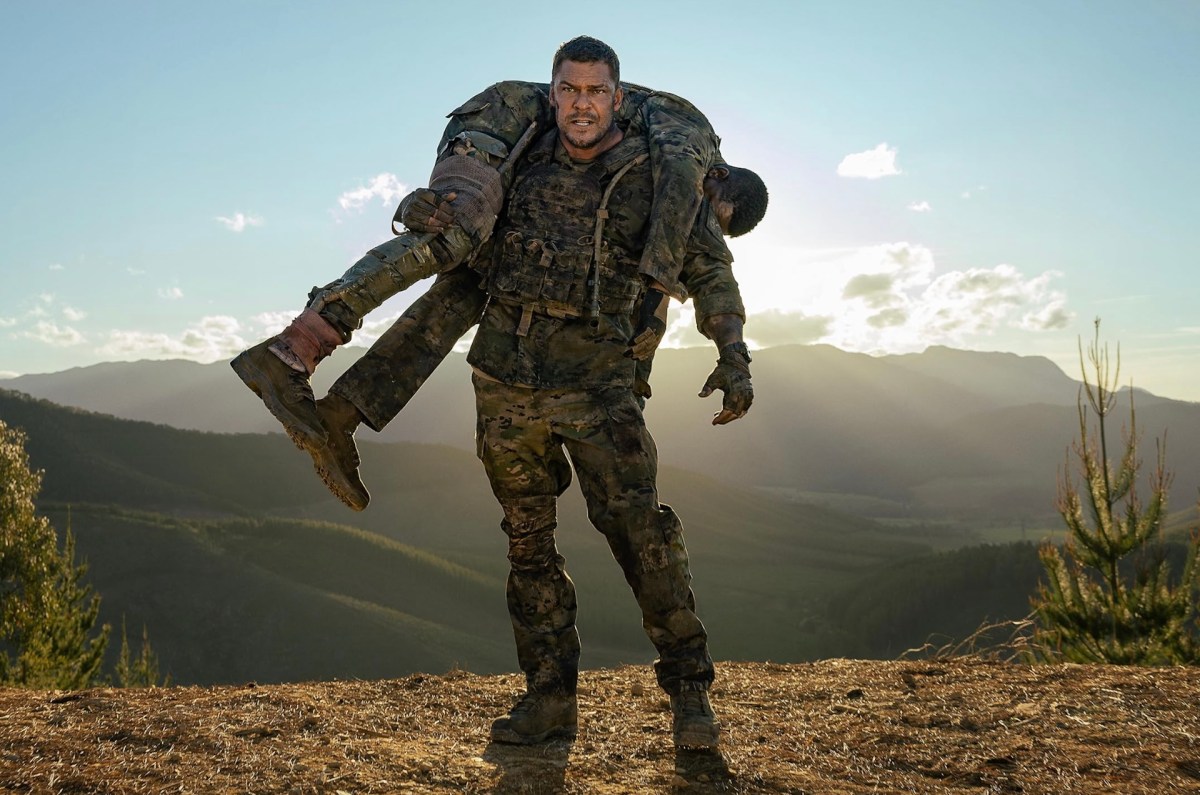
Of the Victoria-shot sci-fi actioner War Machine, the Queensland-filmed duo of swashbuckler The Bluff and the Mark Wahlberg comedy Balls Up, only the first, a co-production, counts as an Australian film.
War Machine boasts an Australian writer and director (Patrick Hughes) and co-scribe (James Beaufort), plus several actors (Jai Courtney, Keiynan Lonsdale and Daniel Webber) in its cast, as well as one of its local producers (Wolf Creek’s Greg McLean).
With its soldiers-versus-robots premise, it’s also a film that epitomises another trend in Australian cinema right now: variety. Patrons mightn’t be flocking to see Aussie movies in cinemas – War Machine earned a mere $82,000 at the local box office – but Australian filmmakers can’t be faulted for their attempts to give moviegoers a diverse range of viewing across 2026’s first four months.
Why don’t Australians see Aussie films in cinemas?
In the decades since the smash-hit Aussie releases of the 80s and 90s, ample reasons have been bandied about to explain why Australian audiences started largely staying away from Aussie films on the big screen. They’re too dark and bleak, some offer, making a sweeping generalisation. Or Australian films just aren’t any good, another clearly broad and incorrect perspective.
Other theories clash, such as whether Aussie films are not innately Aussie enough – or, conversely, too ocker. Or is that Australian critics fail to support homegrown flicks? When we do give Aussie movies some love, are we too easy on them? They’re two more perspectives.
That Australian audiences love international validation, be it through imported talent or a feature winning overseas plaudits before reaching theatres at home, is spot on, however.
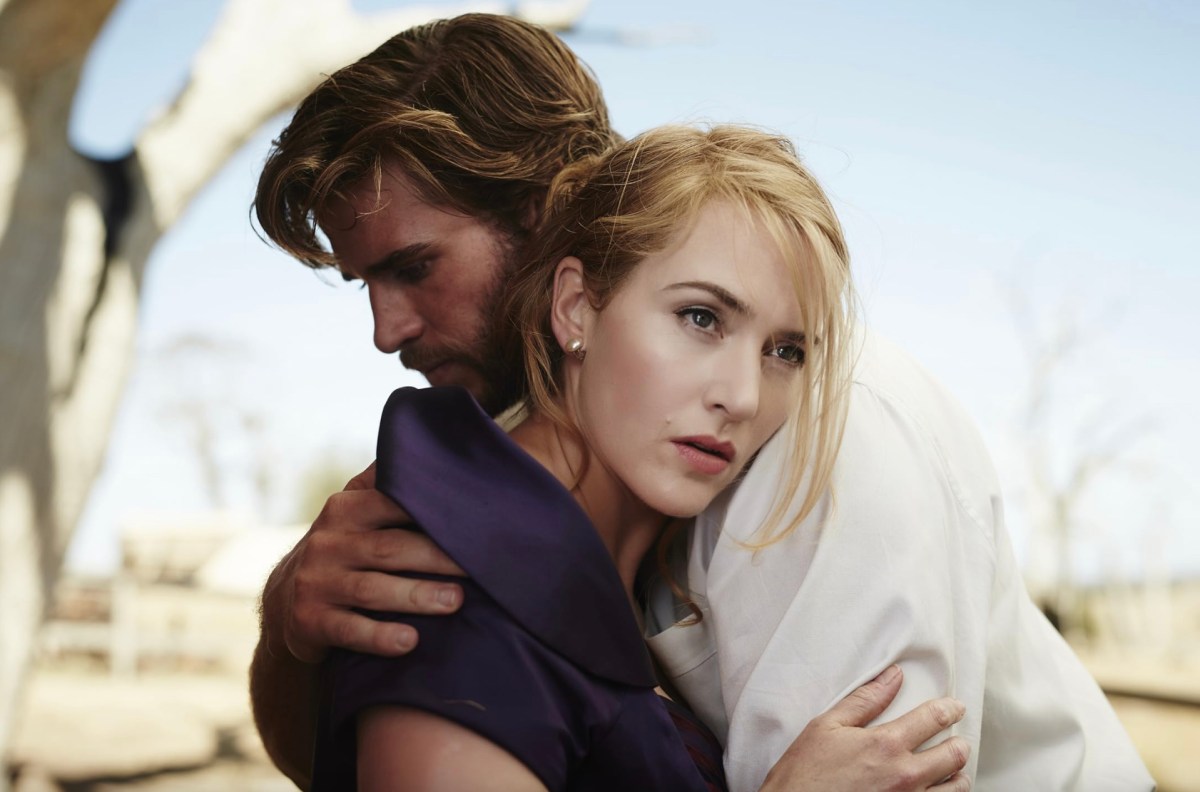
See: the success of the Leonardo DiCaprio-led The Great Gatsby and the Kate Winslet-starring The Dressmaker, both from acclaimed filmmakers with proven local box-office clout (Baz Luhrmann, plus Muriel’s Wedding producer Jocelyn Moorhouse).
See also: Animal Kingdom, The Babadook and Talk to Me, each Sundance-approved.
That local movies rarely receive the marketing support to let viewers know that they’re out, and rarely receive screen runs long enough to allow word-of-mouth to build and draw in audiences over time, is similarly 100-percent on the mark.
Despite its US$80 million budget, all but the most devoted cinema obsessives might’ve missed that War Machine was in picture palaces earlier this year. That said, silver-screen releases of Netflix titles, including for the platform’s big-name US fare like the Knives Out movies, also feel cursory at best.
No, Australian films aren’t all the same
The idea that Australia only makes the same kinds of movies has also long been used to justify homegrown releases underperforming at the box office. Filmmakers following trends isn’t uniquely Australian, of course, or the world’s cinemas wouldn’t be filled with a seemingly endless stretch of superheroes – the Aussie big-screen takings for caped-crusader flicks, even when they underperform, dwarf most local movies.
But as 2026’s slate of Aussie movies so far demonstrates, uniformity isn’t an issue when local fare, over the course of mere months, spans family-friendly animation, romantic comedies, undead thrills and Elvis in concert, alongside queer family dramas, band portraits, psychological scares, Mongolian herders and more.
This year began with the colourful The Pout-Pout Fish from Brisbane-based studio Like A Photon Creative, adapting the children’s book of the same name.
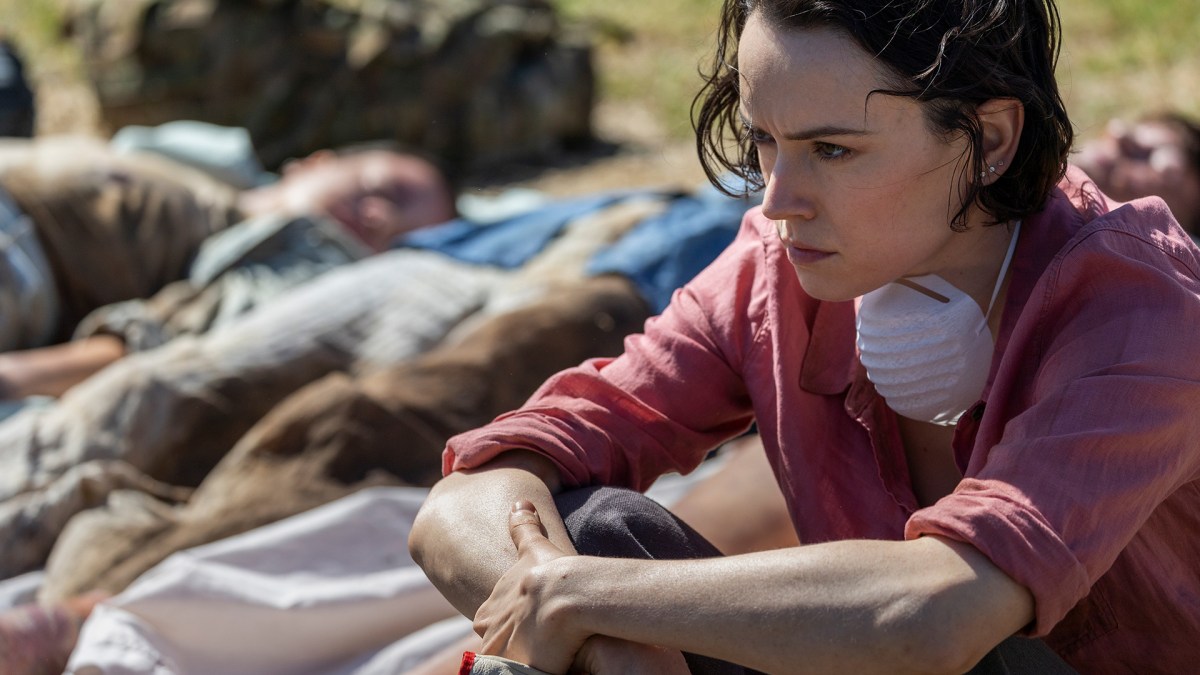
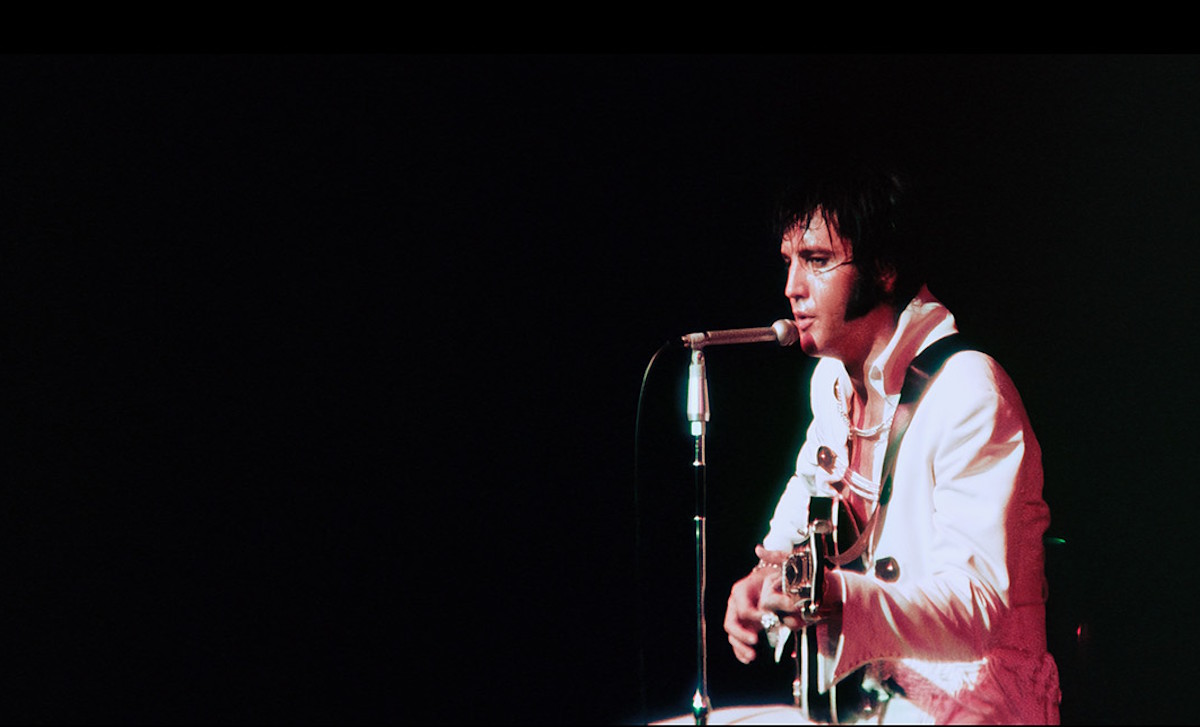
The Teresa Palmer-led romcom Addition; Daisy Ridley and Brenton Thwaites battling zombies in Zak Hilditch’s evocative We Bury the Dead; the aforementioned War Machine; Luhrmann’s latest dazzling ode to the King of Rock ’n’ Roll, EPiC, using meticulously restored live footage; Sophie Hyde’s heartfelt Jimpa, starring John Lithgow and Olivia Colman; and the must-watch Lismore-focused documentary Floodland all followed.
That these films are Australian is their main connection. Trying to boil them all down to one specific type, or even attempting to call them similar, is a pointless task. That also applies to the charming Mental As Anything documentary Live It Up, as well as to True South, about the Sydney to Hobart yacht race.
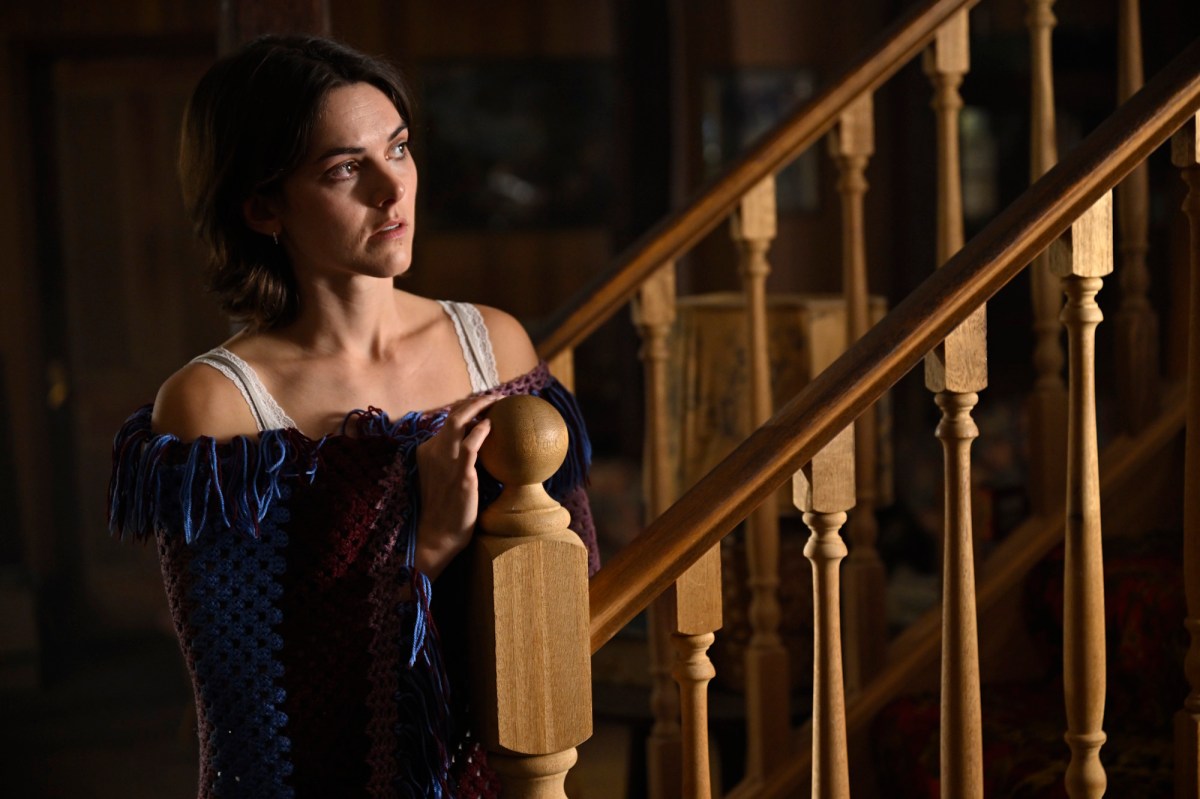
It’s just as relevant, too, to Miley Tunnecliffe’s moody horror Proclivitas; Kasimir Burgess’ dive into the lives of rural Mongolia’s next generation in the engrossing and strikingly shot Iron Winter; and second world war doco Under a Bamboo Sky.
A bumper month in an already variety-filled year
April’s packed roster of new Aussie movies has continued in the same fashion, almost spoiling cinemagoers for choice.
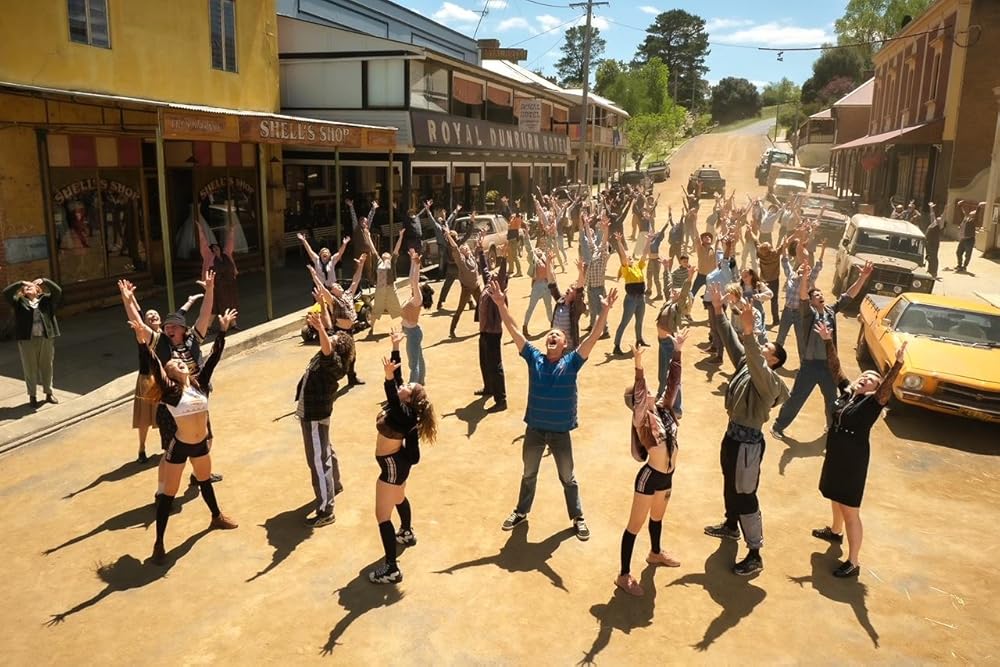
Performers chase their dreams and reality TV pirouettes into cinemas in engaging documentary Dance for Your Life. A debutante ball fuels a gleefully Australian song-and-dance affair in Rebel Wilson’s impassioned stage-to-screen transplant The Deb. The Daniel MacPherson and Russell Crowe-starring Beast from Tyler Atkins convincingly hits the fight-movie beats, while Radha Mitchell and Tim Roth go shot for shot in Sandra Sciberras’ lean and effective Seven Snipers.
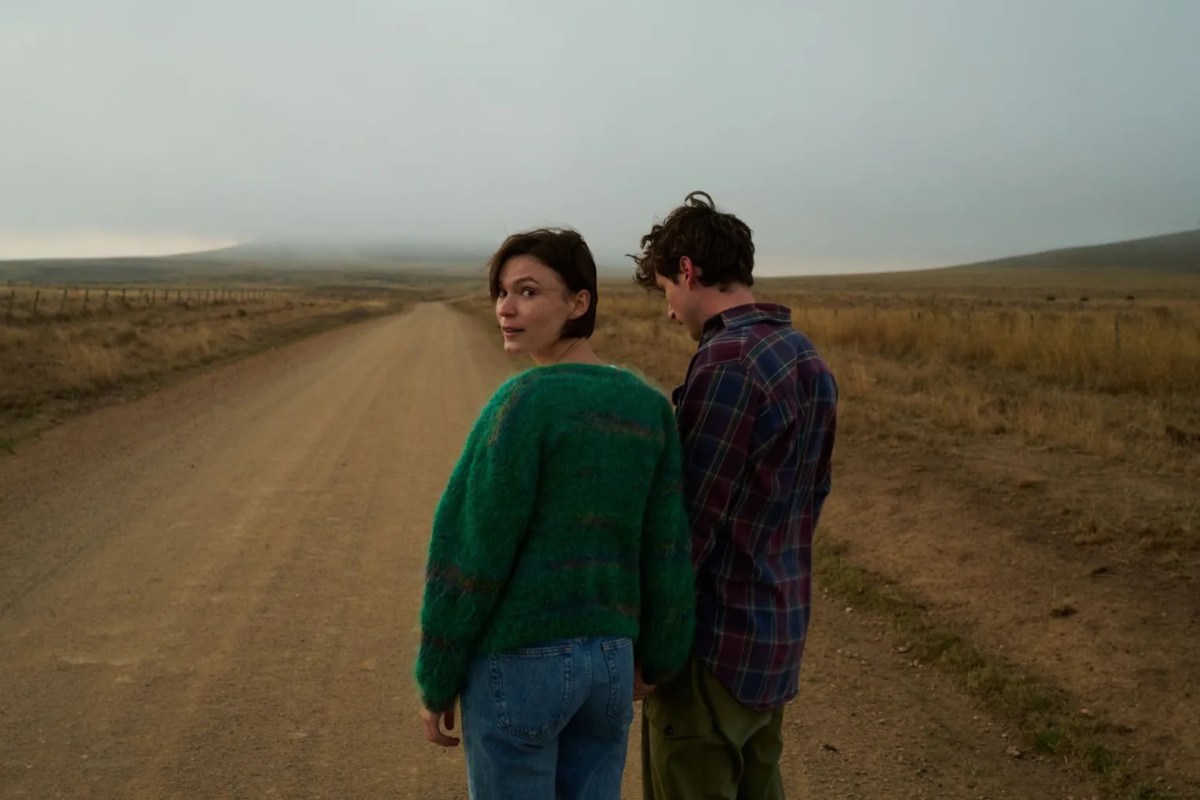
In one of the best new Australian films of the month, the Tilda Cobham-Hervey-led Alphabet Lane, the first-time feature filmmaker James Litchfield strands his characters against the Aussie landscape – a familiar move that, whether in outback horror or dystopian-leaning efforts, can spark those accusations of sameness. Yet far from resembling other local movies, his picture provides a delightfully unique and playful exploration of the malaise of long-term relationships, loneliness and the difficulties of making friends as an adult.
The other exceptional new Aussie movie of April is a sequel to a masterpiece that approaches that label itself, and hails from one of the nation’s foremost Indigenous and best filmmaking voices.
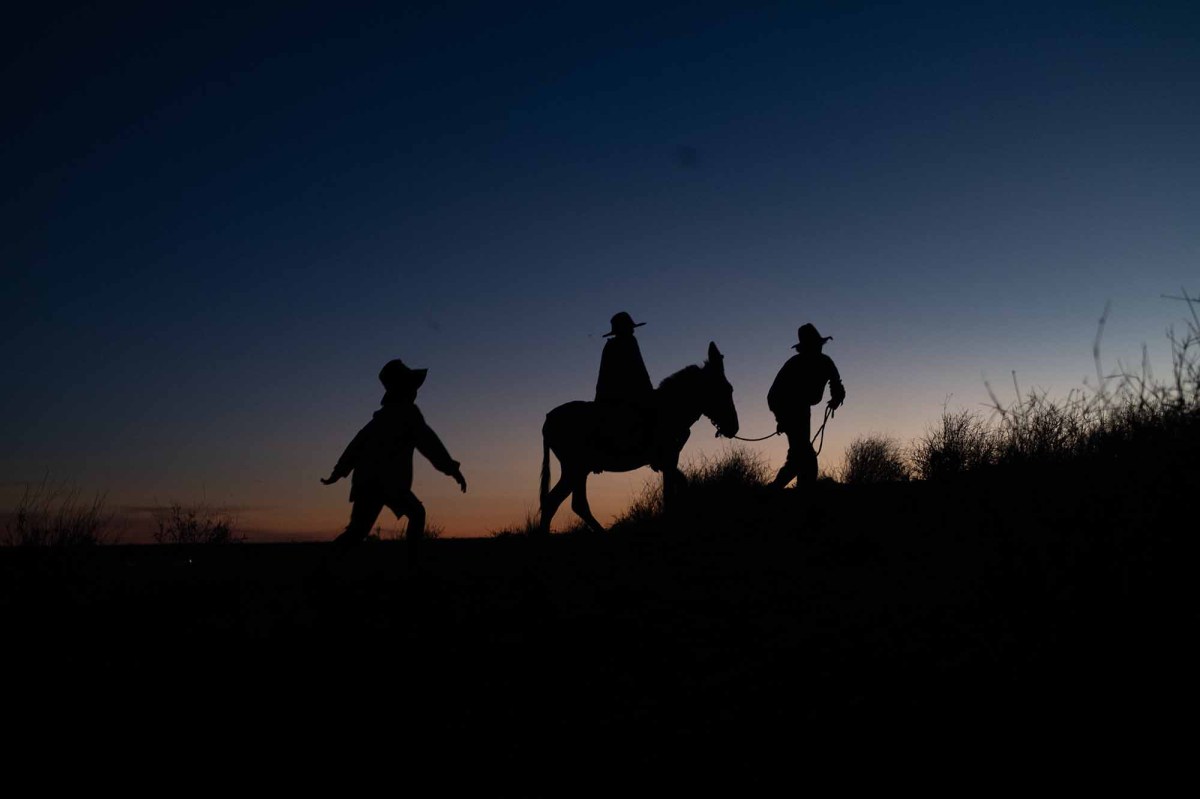
Not only just like Sweet Country before it, but in line with Warwick Thornton’s filmography since his Cannes Caméra d’Or-winning debut Samson and Delilah, Wolfram is another stunning and unforgettable interrogation of colonial violence and its long-festering wounds. Thornton’s achingly beautiful cinematography also always deserves to be seen on the biggest screen possible.
We turn out for Aussie stars – why not for Australian films?
Peruse Australia’s box-office tallies for 2026 to date and Hollywood reigns supreme. Of the homegrown releases, EPiC: Elvis Presley in Concert is the highest performing by a significant margin, ahead of The Pout-Pout Fish.
Just like watching imported stars in Aussie-shot pictures on streaming, Australian audiences are primarily getting their local fix on the silver screen in the same way – such as the 2025 Boxing Day release Anaconda, filmed in Queensland, or via international projects featuring high-profile Aussie actors.
Wuthering Heights with Margot Robbie and Jacob Elordi, the Hugh Jackman-starring Song Sung Blue and Crime 101 with Chris Hemsworth all also sit in the year’s top 20. No doubt The Devil Wears Prada 2, which cast Patrick Brammall as Anne Hathaway’s latest love interest, will soon join them. So could Jackman’s second 2026 release, The Sheep Detectives.
Australian movies aren’t packing out theatres in a comparable way, whether or not delays and controversy, as has surrounded The Deb, have impacted their fortunes. However, Aussie cinema isn’t simply serving up the same thing again and again.
Providing a wealth of different options, the nation’s filmmakers are more than doing their part to entice viewers away from their sofas, and from Hollywood flicks, Australian-adjacent or not – and audiences really should be showing up.