Reality has always been a big selling point when it comes to dance movies. And while the days of stand-alone dance features making it to cinemas are behind us – RIP the Step Up franchise and the UK equivalent StreetDance – you still don’t have to look far to find a dance number on the big screen. (The recent Wicked had a pretty impressive one.) Now Australian reality series Dance Life has moved to the movies with Dance For Your Life.
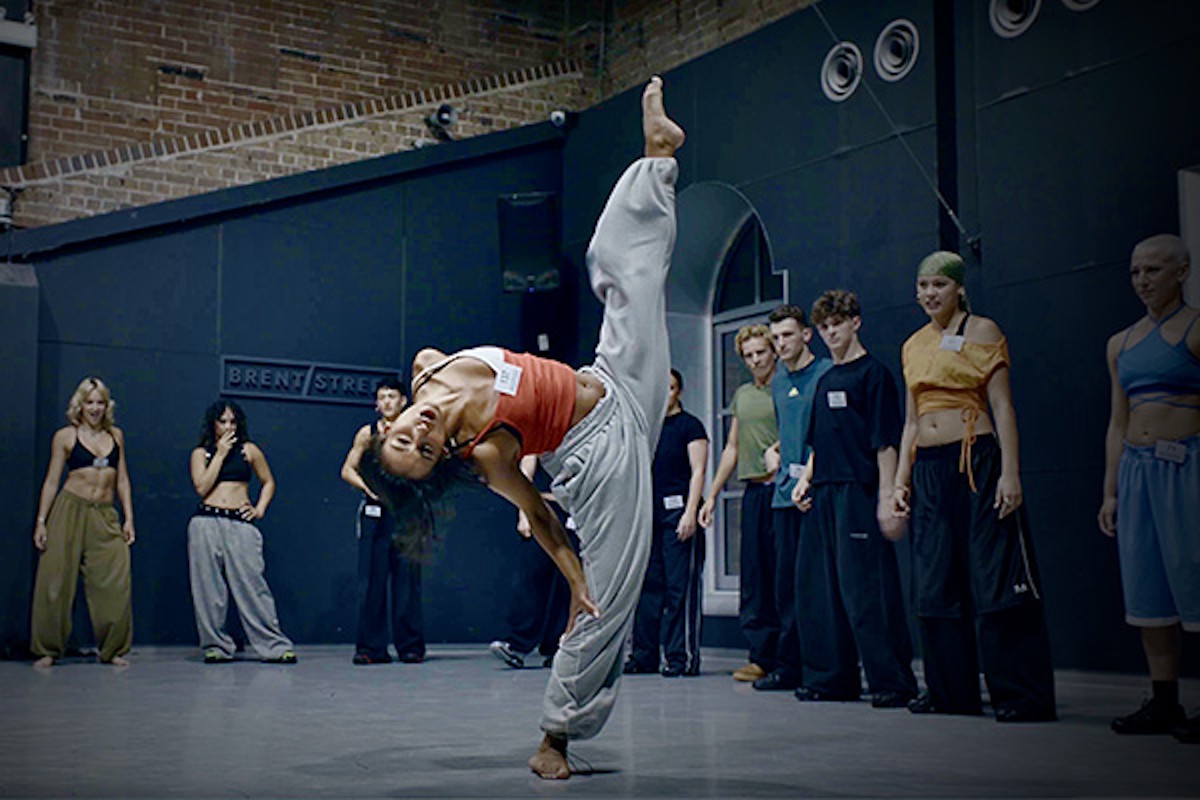
The premise is simple: it’s a dance off! To be specific, the students at Australian dance school Brent Street have been given the chance of a lifetime, as their 10 best students will be heading to the UK to audition for a position at Shapehaus Dance Theatre.
Dancing on the screen – quick links
The (dance) battle is on
Led by renowned dancer and choreographer Dean Lee, currently a backup dancer for Janet Jackson, Shapehaus is a school where looks aren’t the main priority – not something that can be said for the rest of the industry.
The important thing is that the Brent Street students will first be battling for a place on the plane to the UK, and once there they’ll be fighting each other for that one prestigious position. Everybody knows what’s ahead: it’s a competitive business. As one dancer says, ‘Once that music turns on, no-one in that room is your friend anymore.’
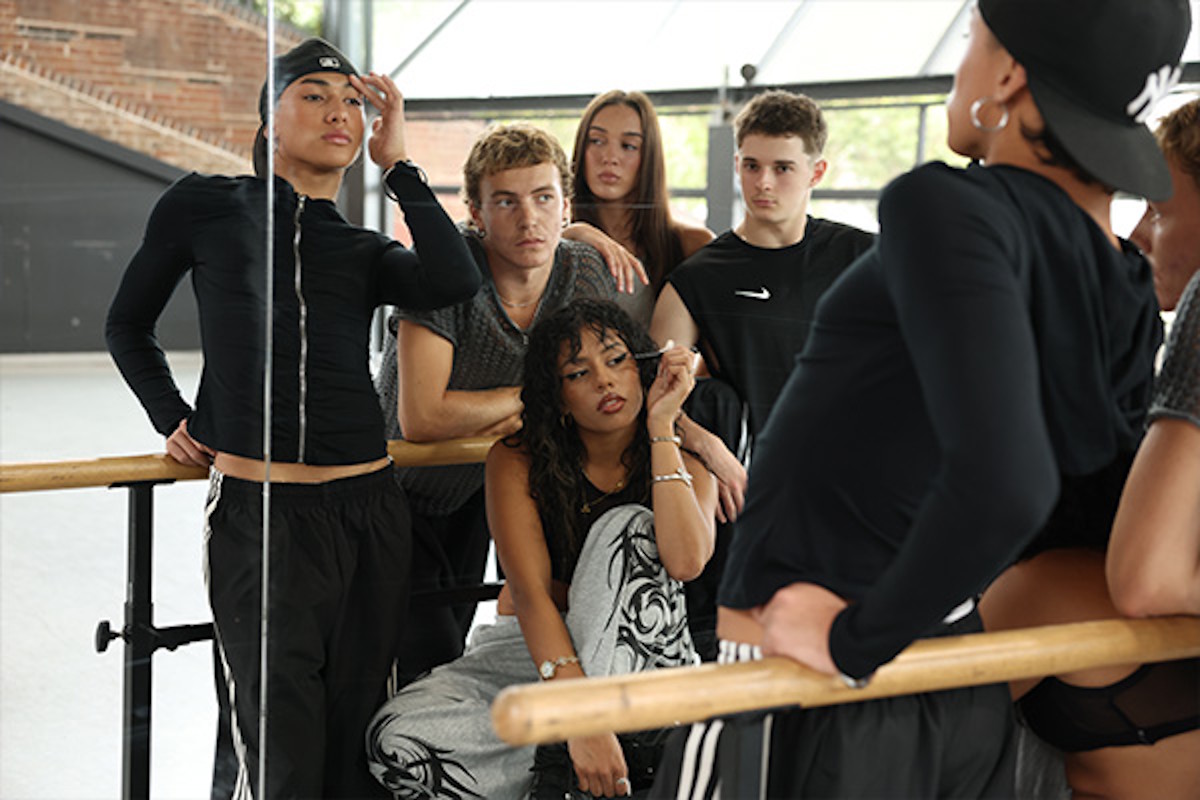
The obvious front runner is Abby, with looks, talent, ability – and a dancer boyfriend who doesn’t really seem to mind when she explains on camera that her career goals don’t really include having anyone else on tour.
If she’s ‘the perfect package’, the one to beat only no-one can beat her, what’s the rest of the 90 minutes going to be about? Rest assured, things don’t always go smoothly out there on the dance floor.
Watch the trailer
Real stories and… real action?
It’s rare to see the reality format at a feature film length – and it might just point the way forward for dancing on the big screen.
The appeal of the format is often based around spending time with the contestants. By narrowing it down to one winner-take-all competition, Dance For Your Life still has enough time to provide brief sketches of the main players – mostly to get across exactly what they’re dancing for.
Max was the big star of the TV series, someone who graduated and headed straight to LA to begin his career. But it hasn’t quite worked out (he blames his still-youthful looks) and he’s gambled what’s left of his savings to fly back to Australia to take part in the auditions.
Emily is another series veteran who’s struggling. Her grandparents say she’ll know when it’s time to move on, and her personal backstory is heartbreaking at times. She says her big motivation was to ‘be wanted’ by the industry, and now she’s literally dancing for their love. Don’t worry, if she doesn’t get through she’ll only question her entire worth as a dancer and think ‘god, what am I even doing any more’.
We’re all familiar with the way reality formats work and Dance For Your Life doesn’t break any new ground there. Where it does stand out is in using the reality format to put dance on the big screen, because dance has been one of the first victims of the attack on movie reality we’re seeing with advances in CGI and the rise of AI.
An antidote to CGI fatigue
The big selling point with dance movies, much like anything involving physical prowess (we’re looking at you, action movies), is seeing real people actually doing what’s being shown up on the screen.
In action movies, the days of actors having to physically jump in front of a huge explosion are over, and the thrill of a lengthy one-take action sequence has faded now that everyone knows different shots can be digitally stitched together in seamless fashion.
Audiences still want to see Keanu Reeves pull off John Wick’s moves, but effects are constantly pushing towards a ‘heightened’ reality. The increasing level of gore in action movies, for example, is one way to keep audiences connected even when nothing they’re seeing is real. Dance movies don’t have that option (unless it’s the recent ballerinas-versus-eastern-European-criminals flick Pretty Lethal).
Computer special effects are increasingly available to sand off the rough edges – or help build entire sequences, as seen in Wicked – but what these films gain in stunning visuals they lose in reality. The steady rise of CGI in movies (today even the most basic talk-based drama will list a number of special effects houses in the end credits) is undermining what made dance numbers in movies so special.
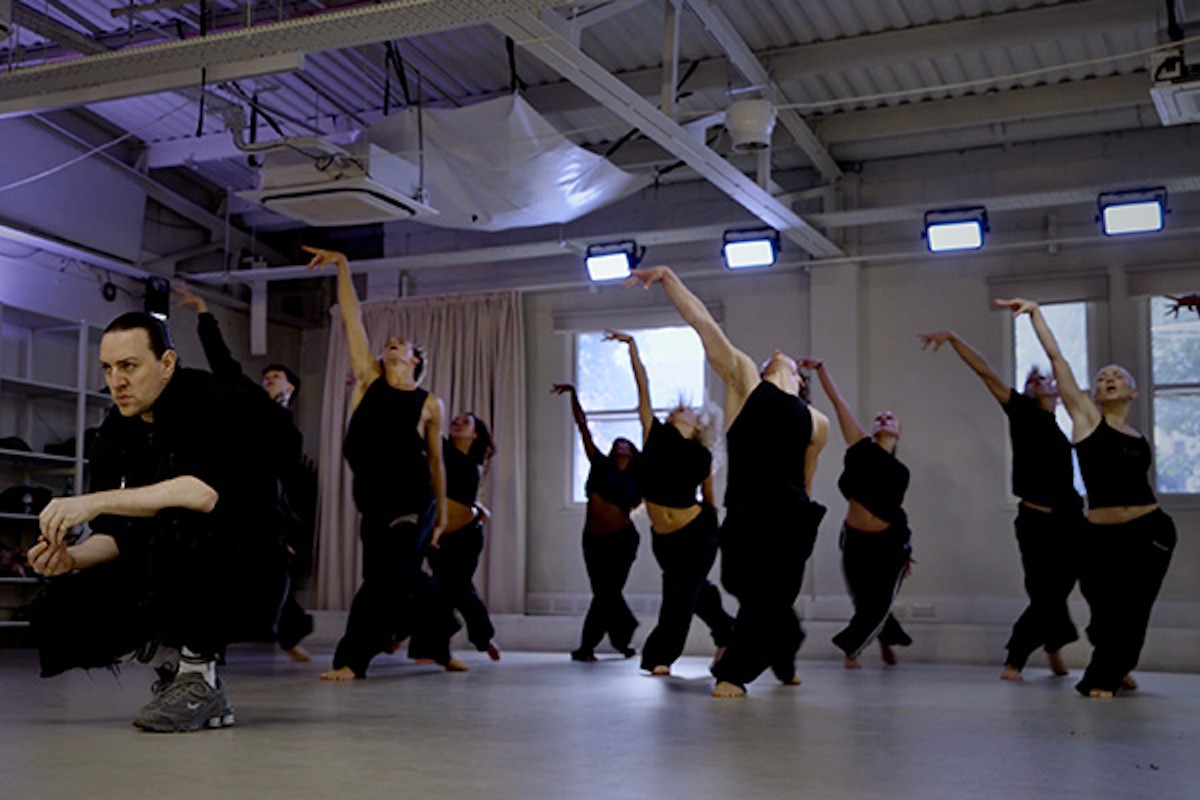
Dance For Your Life demonstrates a way that dance movies can survive on the big screen. By making the reality of what we’re seeing the centrepiece of the film, it underlines that everything we’re seeing actually happened. When the dancers show amazing skills, that’s a record of what they can really do. When someone’s timing is a little off or their moves don’t quite cut it, there’s no reason to polish them up because that’s part of the story too.
There’s more to this film than just the dance numbers. Scenes where one of the dance front runners desperately tries to talk their way out of an injury are powerful in their own right. But in finding a way to assert the reality of what we’re seeing on the screen when we’re shown someone doing something physically astonishing, Dance For Your Life points the way towards a future where human skill and limitations still have a place in cinema – even if they end up surrounded by computer-generated perfection.