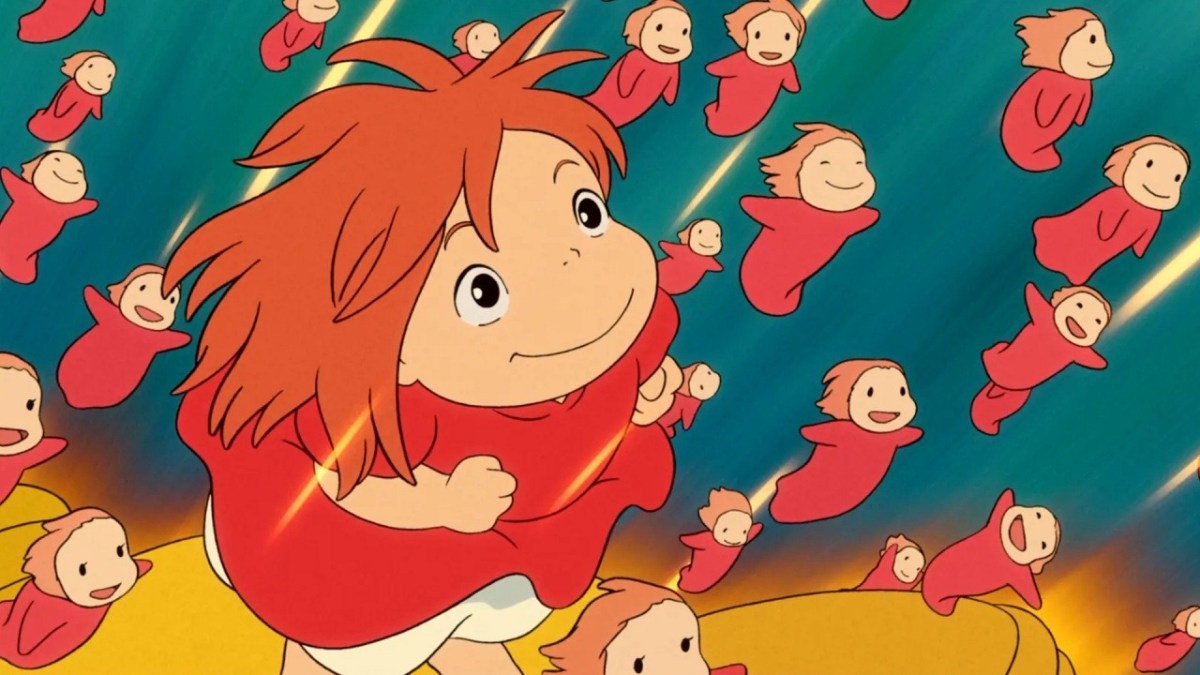
Young people are more anxious than ever, but a new study suggests that the gentle magic of Studio Ghibli films could actively combat the brain-scaries.
Published in the Journal of Medical Internet Research, the study surveyed 518 postgraduate students and found significant links between watching Ghibli films and an improved sense of calm, mastery, purpose and meaning.
The study also looked at whether playing open world games like The Legend of Zelda: Breath of the Wild could have the same effect on mood – and lo and behold, it did.
Studio Ghibli de-stress: quick links
Escaping stress in the world of Studio Ghibli
The researchers set out to explore a simple question: can forms of entertainment often dismissed as ‘just games’ or ‘children’s films’ meaningfully improve mental wellbeing?
According to their findings, the answer is a resounding ‘yes’.
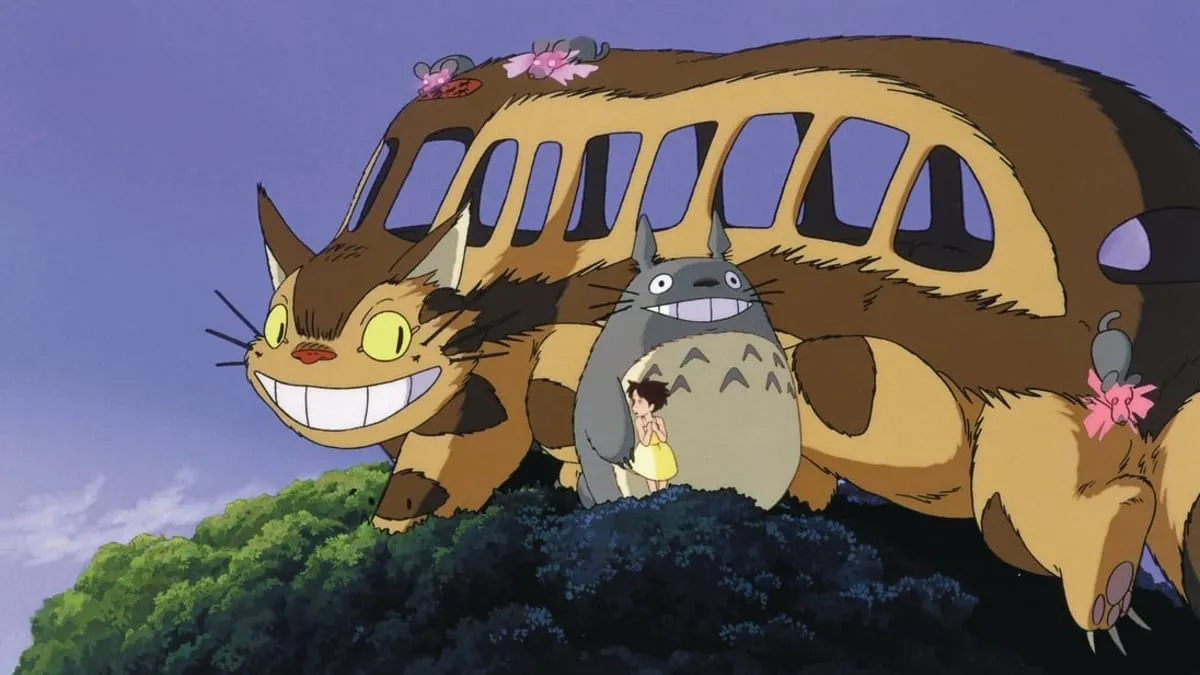
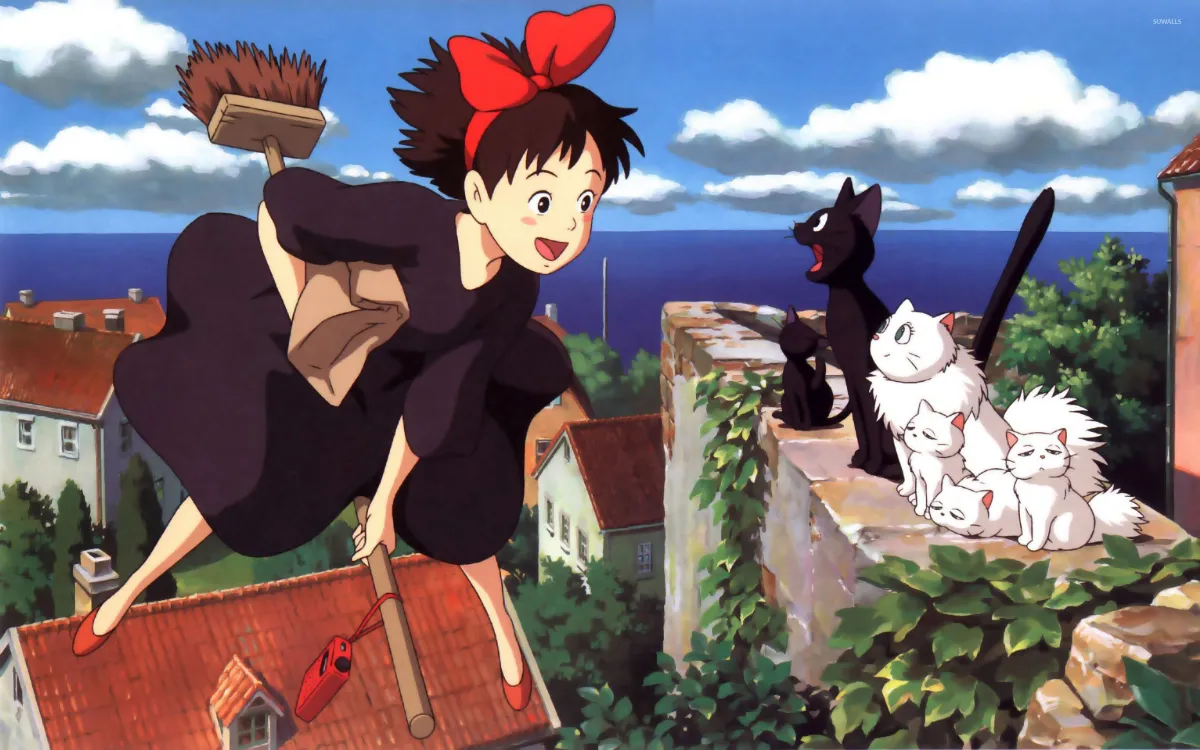
Participants were divided into four groups – some played Breath of the Wild, some watched animated films like My Neighbour Totoro and Kiki’s Delivery Service, some did both, and a control group did neither.
Those who played the game reported higher levels of life happiness than those who didn’t. More strikingly, when gameplay was paired with the nostalgic pull of Ghibli films, the effect became even stronger.
The team then examined how specific emotional states translated into wellbeing outcomes.
A sense of exploration, calm, mastery of skill, and purpose all acted as mediators. In other words, the uplift in happiness came through these experiences. Breath of the Wild’s sprawling landscapes, puzzles and shrines fed a desire for discovery and competence. Studio Ghibli’s quiet domestic details and naturalistic worlds evoked nostalgia and calm. Together, they produced measurable increases in mood and satisfaction.
The group exposed to both conditions – gameplay and Ghibli – reported the highest happiness scores across the board.
Why Studio Ghibli matters to young people
The findings arrive against a backdrop of worsening youth anxiety. As reported in The Conversation, studies have repeatedly shown that young people face increased stress from exam culture, over-scheduled extracurricular activities, and the constant pressures of social media. Add to this the stream of global crises pushed through 24/7 news cycles, and it’s little surprise that many report feeling overwhelmed.
In this context, the study’s implications are noteworthy. Rather than trivial diversions, open-world games and nostalgic films may provide a rare space for agency, reflection and self-directed joy.
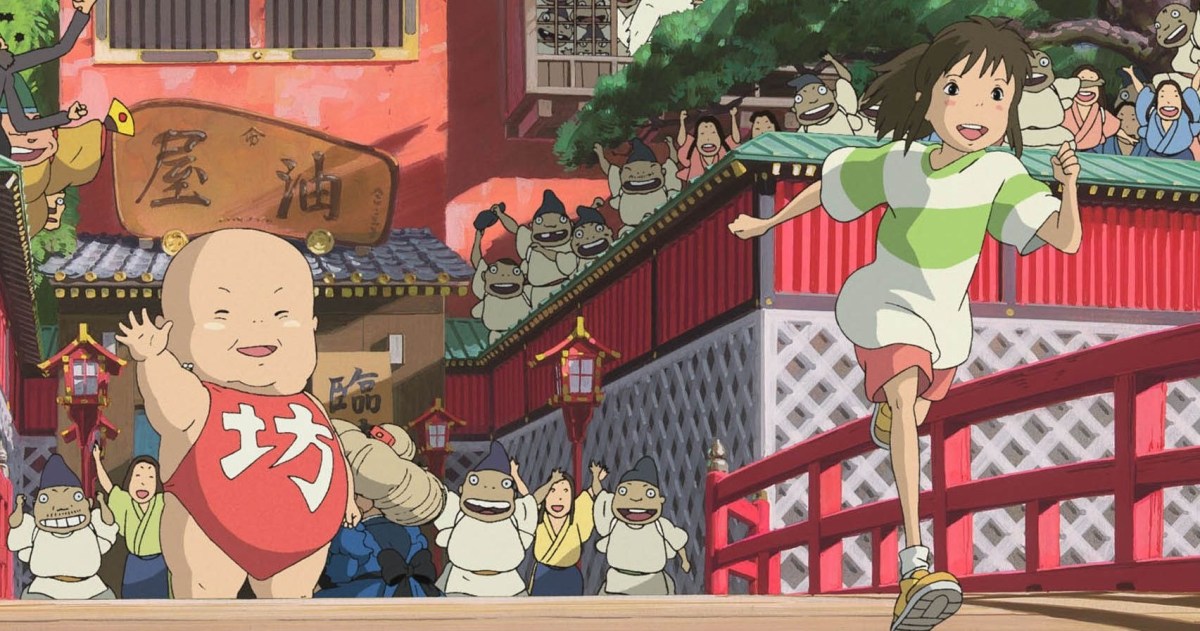
Ghibli films have long been recognised for their capacity to elicit happiness and calm. The everyday wonder of Miyazaki’s animated worlds – from the childlike wonders of Howl’s Moving Castle and Kiki’s Delivery Service, to the protective vibes of Totoro – can reconnect viewers with a sense of childhood safety and meaning.
ScreenHub: Princess Mononoke is 25, I’m 20: here’s how it makes me feel
Meanwhile, the appeal of Breath of the Wild lies partly in its openness. Players can wander, cook, climb, and experiment, with no single ‘right’ way forward. The study argues that this freedom satisfies deep human desires for exploration and flow, which are psychological states linked with reduced anxiety.
Together, they form a potent pairing for helping the youth of today manage their big feelings.
What can we do with this information?
The authors caution that the results are limited. Participants were postgraduate students, and the study only measured short-term effects immediately after the interventions. Long-term benefits remain unknown.
Still, the randomised design lends the research weight. Unlike observational surveys, which rely on self-reported habits and moods, this experiment isolated the causal effects of both open-world play and nostalgic viewing.
ScreenHub: The Boy and The Heron review: Miyazaki’s masterful return to form
For the screen industry, these findings reinforce what audiences have long known: games and films aren’t just diversions, but necessary tools for navigating modern life. They can offer meaning, comfort, and agency in ways that conventional wellbeing strategies often overlook.
As debates continue about the impact of media on young people, this study provides a counterpoint to narratives of harm. It suggests that certain texts– a Nintendo game or a Studio Ghibli flick – can function as small but measurable interventions for happiness.
In a time when anxiety dominates headlines, it’s not hard to see the appeal of stepping into the pastoral, magical – and most importantly, hopeful – world of Studio Ghibli.
A large selection of Studio Ghibli films can be found streaming on Netflix in Australia.