If you’re dithering over what to see at Melbourne Queer Film Festival (13 to 23 November), here are the films that stood out at festivals across the year. From punk spirit to ancestral dreams and fraught gay beats, this year’s program offers a wealth of rich storytelling from around the world.
Melbourne Queer Film Festival – quick links
Jimpa
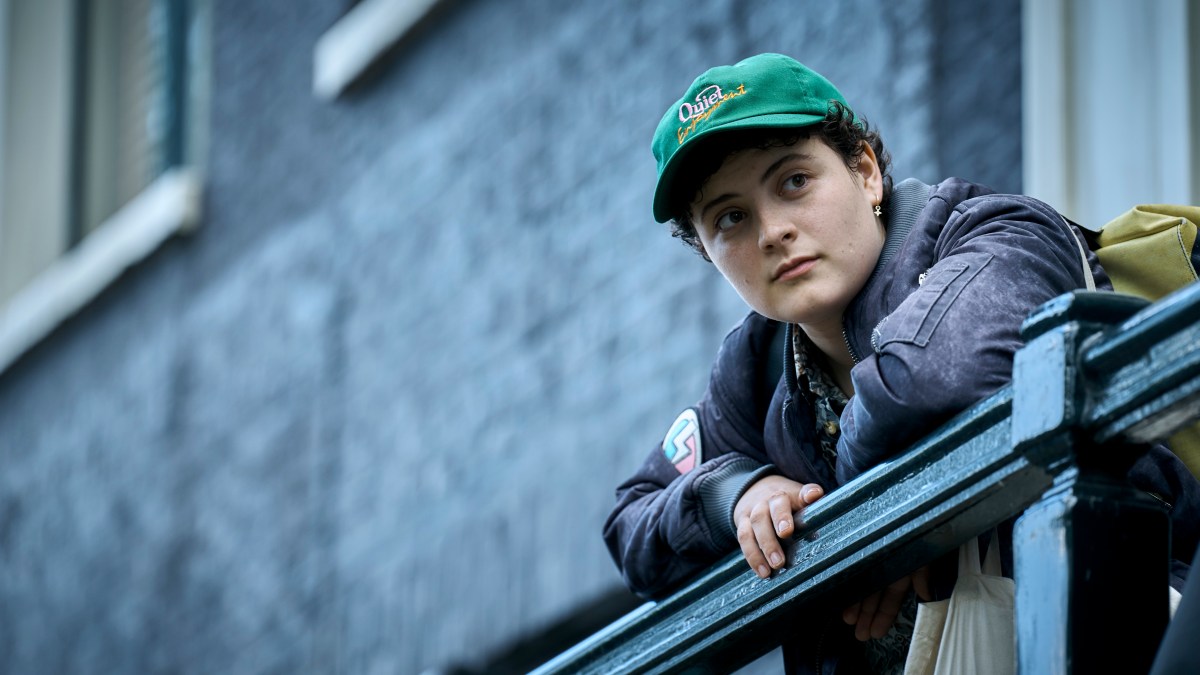
Fresh from opening this year’s Adelaide Film Festival to a rapturous home crowd, Jimpa is the latest slice of queer life from Australian filmmaker Sophie Hyde. It’s a deeply intentional, intergenerational study of family dynamics – fraught but holding fast.
Olivia Colman excels in her depiction of a filmmaker not unlike Hyde. She wobbles when her non-binary teenager Frances (Hyde’s real offspring, Aud Mason-Hyde) decides they want to move to Amsterdam to spend time with their granddad Jim (John Lithgow). But the older man, a lifelong activist who faced down the horrors of the HIV/AIDS crisis, has very rigid views of who belongs in what box, including a bothersome bit of bi-erasure.
Resisting fireworks and conflict, Jimpa offers a much more generous gift as the family wrangles with the important things in life: home, family in all its forms, first love and more. Gorgeous stuff.
Read: Jimpa review: supple and rewarding cinema
Plainclothes
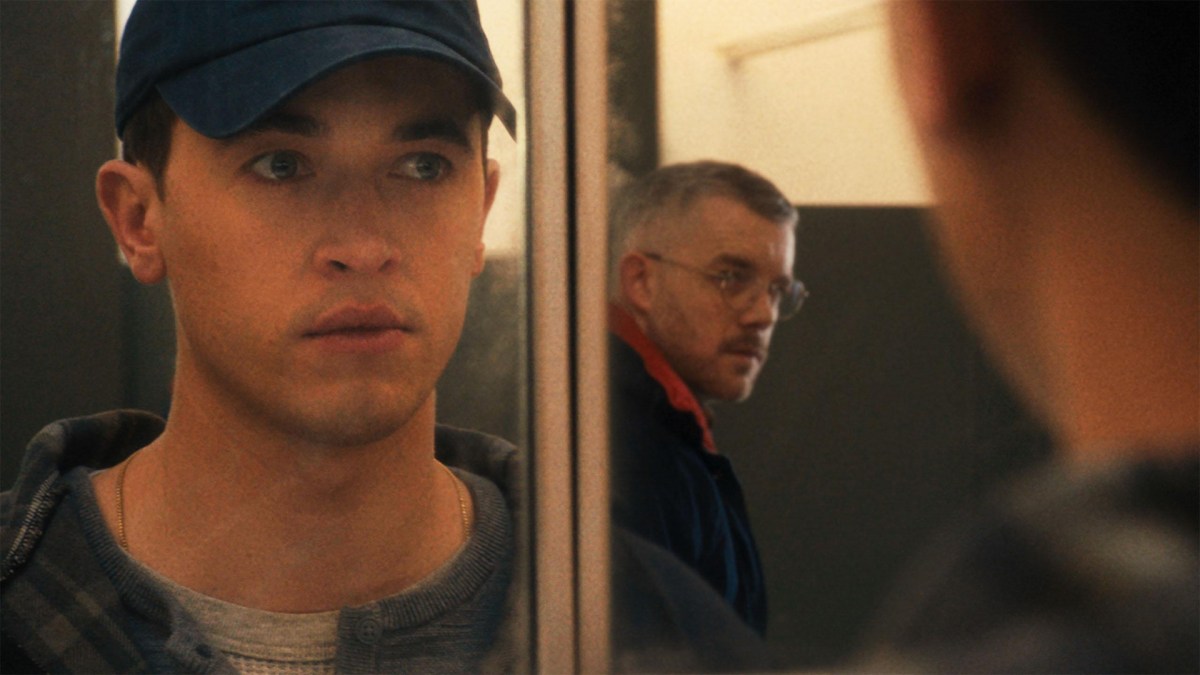
For many, the thought of Looking antagonist Russell Tovey playing a closeted man lured to mall’s toilet beat by a plainclothes cop will be enough to snap up tickets, but there’s so much more to this multilayered film than purely porny titillation (as fun as that can be).
Plainclothes is the debut feature by New York writer and director Carmen Emmi. It offers a tantalisingly slow-burn 90s-set drama. The plainclothes cop, played by top-notch Benediction actor Tom Blyth, is also concealing his sexuality, obsessing over the one he deliberately let get away while hiding the recent breakup from his family.
Cinematographer Ethan Palmer switches between digital cameras augmented with vintage 16mm lenses and scuzzy, security camera-style footage with robotic zooms. The audience is held claustrophobically tight as the cat-and-mouse game plays out.
Two Times João Liberada
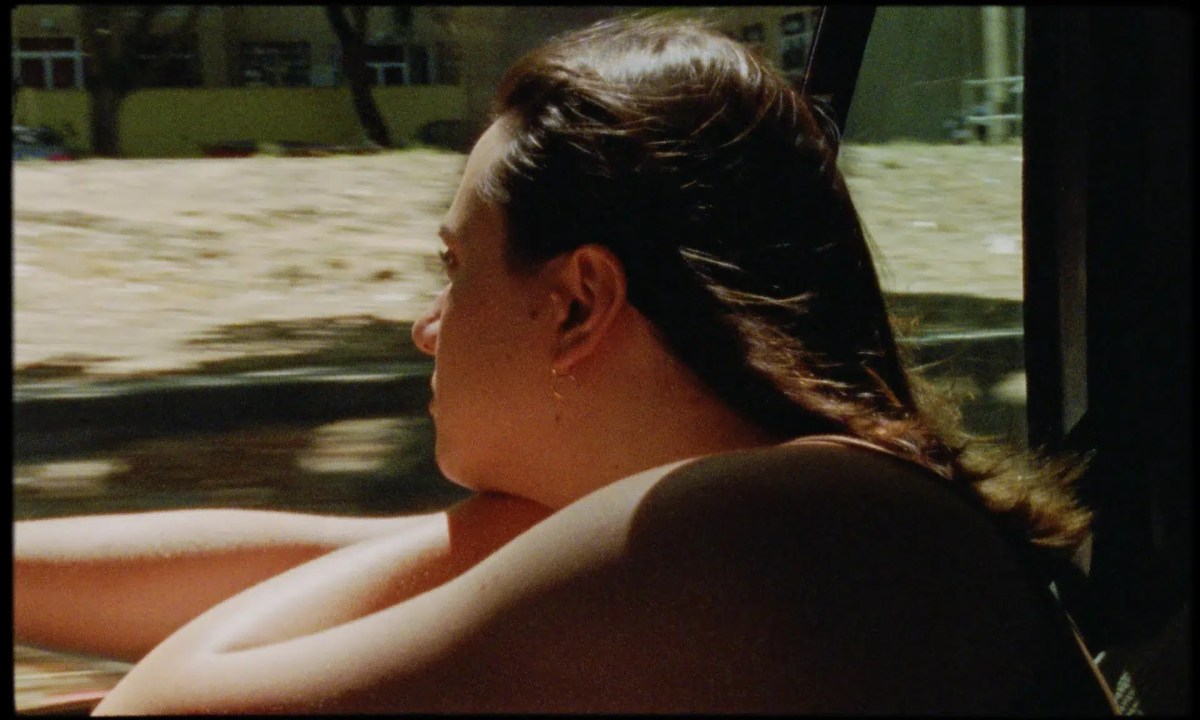
Nominated for the queer Teddy Award for Best Feature at Berlinale, Two Times João Liberada is the dazzling debut feature by trans Portuguese filmmaker Paula Tomás Marques. Co-written with star June João, it’s a mercurial marvel of metatextual mischief.
João essentially plays an alternate version of herself, a trans star appearing in a micro-budget indie. She’s portraying the life of a (fictional) gender-queer trailblazer from the 18th century who was persecuted by the Inquisition after an illicit affair with a (kinda douchey) villager goes awry.
When João pushes back against the tragedy-centric framing of her cis male director, he is suddenly struck low by the ghost of Liberada, who also appears in João’s dreams. A film within a film within a film, the fictional fillip of Marques’ fabulous fancy flicks off any sense of linear reality. So just let yourself slide into its DMs, like the possibly archaic apparition’s exceedingly contemporary text speak LOL.
Queer As Punk
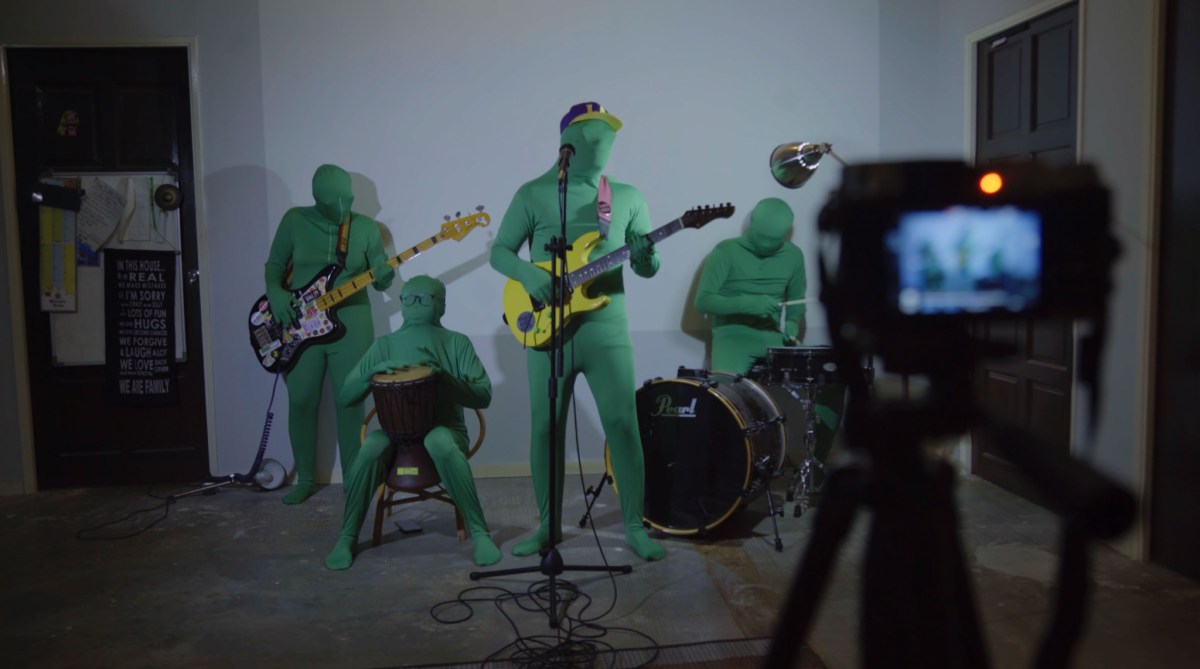
Malaysian filmmaker Yihwen Chen follows the fierce trans man Faris and his all-queer punk band, Shh… Diam! The name translates as ‘shut up’ but there’s less than zero chance of that happening where this super-cool crew is concerned.
Their mighty resistance movement clashes with a religious extremist government that actively hounds LGBTQIA+ people, particularly punishing them under regressive Sharia laws, where ethnic Malay folk are born Muslim and face enormous hurdles to renounce the faith placed in their way by a homophobic and transphobic bureaucracy.
Faris and co remain steadfast, with the frontman’s personal journey towards top surgery and family acceptance the emotional anchor of what is, despite their trials, a gloriously upbeat, racy and laugh-out-loud funny doco that debuted at Berlinale. What’s more punk than that?
Dreams in Nightmares
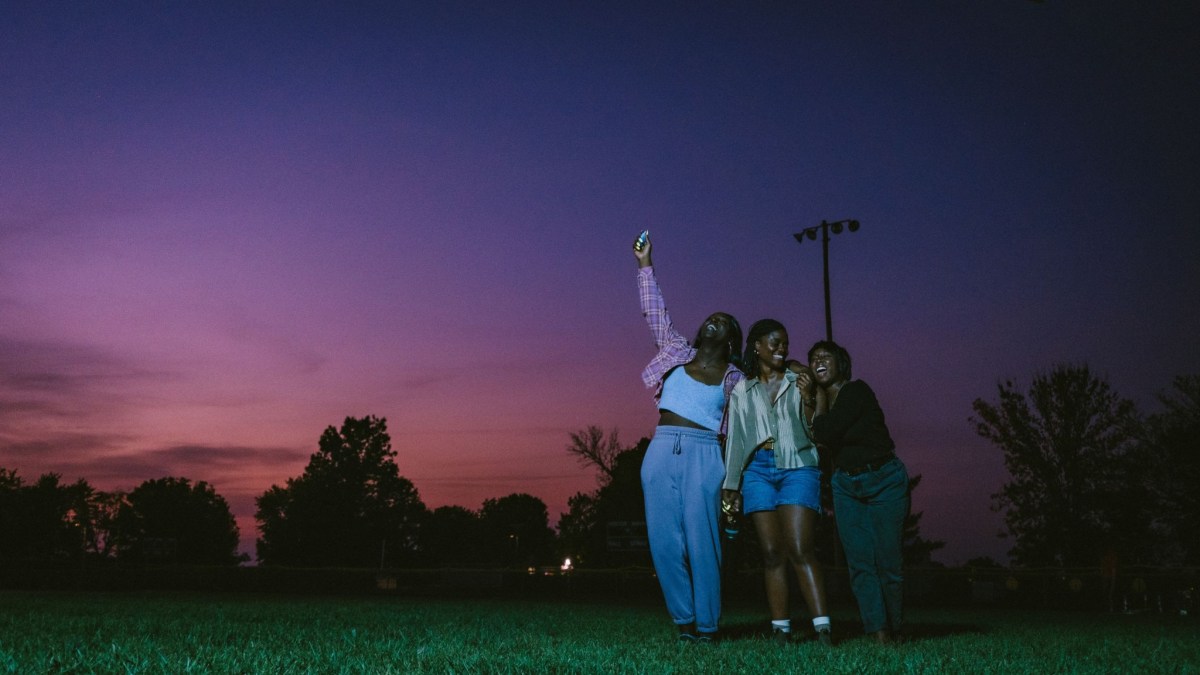
Writer and director Shatara Michelle Ford grew up between rural Arkansas and Missouri in the American Midwest, developing an innate understanding of the state of the nation for Black, Brown and queer folks.
Dreams in Nightmares is her sophomore feature after 2019’s award-winning Test Pattern. It embraces the great cinematic tradition of the road trip, replete with its wrong ways, side quests and emotional journeys. Three mates at loose ends – LA uni lecturer Z (Denée Benton), Brooklyn business consultant Tasha (Sasha Compère) and Pittsburgh poet Lauren (Dezi Bing) – go on a mission to find out whatever happened to their AWOL college crew mate, Kel (Mars Storm Rucker).
Also popping up at Berlinale, Dreams in Nightmares expands on the well-worn premise in ways that connect the eternal queerness back to the ancestral via a mysteriously impenetrable doorway in the desert while kicking down the gender binary. Both cosmically dreamy and intimately human, too, it’s a salve for sore times.
Cactus Pears
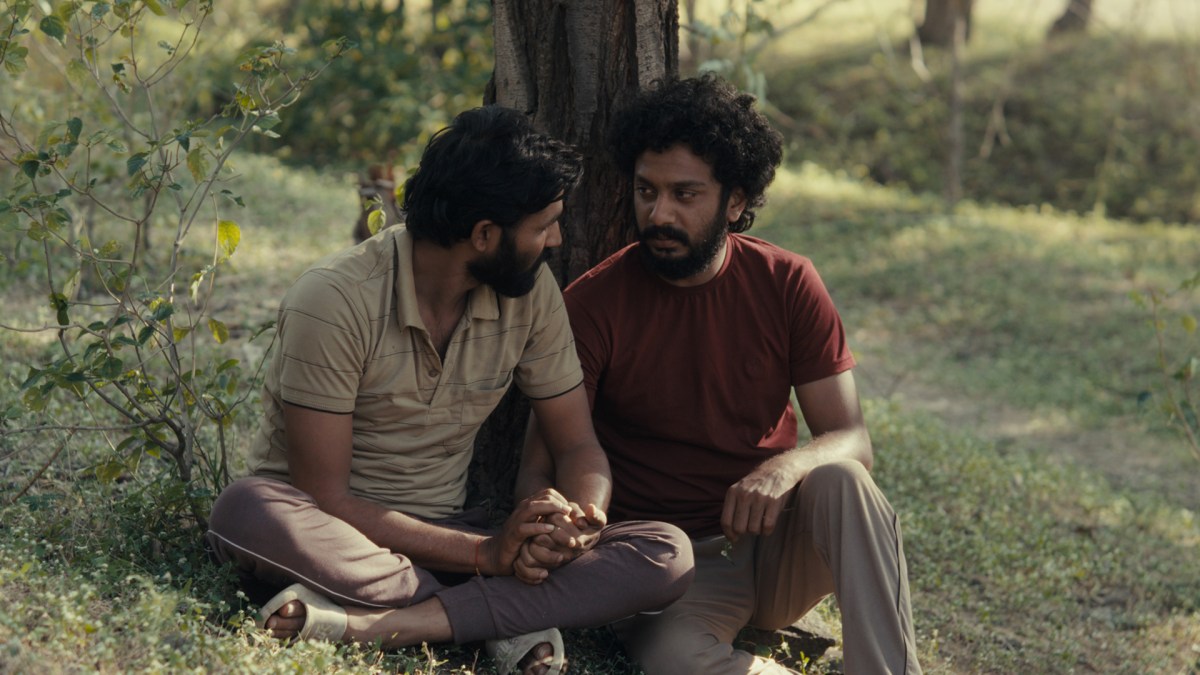
Achingly luminous, Cactus Pears is a semi-autobiographical, Marathi-language film by Indian filmmaker Rohan Kanawade. Like Dreams in Nightmares, it dips in and out of dreams and the all-too-real in ways that leave you longing.
Bhushaan Manoj plays Anand, a call centre worker cooped up in a tiny Mumbai apartment who finds himself catapulted back to his tiny rural village of Kharshinde (where Kanawade grew up) to observe ten days of mourning after the shock loss of his beloved father.
Reconnecting with his schoolmate Balya (Suraaj Suman), a goat farmer with no land of his own, the bond between them blossoms once more in sublimely understated but unquestionably erotic ways on the spot they once shared between twin mango trees that have long since been cut down.
An impeccably crafted film with stunning score, cinematography and sublimely understated performances – props also to Anand’s adoring mother, who runs interference for her son when he’s bombarded by marriage requests – this Sundance beauty that I caught in Adelaide will haunt my heart forevermore.