Freeplay Parallels 25, which took place on 9 October at the Melbourne Town Hall, Melbourne, was an incredible evening, following in the footsteps of equally-brilliant predecessors. It was a chance for independent developers and smaller teams to shine, with the night comprising eight strong talks from a range of talents, each offering insight into their latest projects, into the state of games, or into their own mindset.
It was a refreshing reminder that games will always, at their core, evolve from creative, inspiring ideas, with their execution being a more winding path buoyed by passion, skill and determination. Particularly in the world of indie development, games head to launch with a stubbornness and persistence backing their creation. It’s incredibly hard to make a game. So the people behind them, working in teams of all sizes, have a vast and complex path ahead of them.
At Freeplay Parallels 25, all the trials, tribulations and triumphs of this process were made incredibly clear. Here’s the full roundup and takeaways from each of the talks at Freeplay Parallels 25, with thanks to the developers who delivered them.
Freeplay Parallels 25: Game talks roundup
Noibs is an upcoming game all about quirky, weird little guys
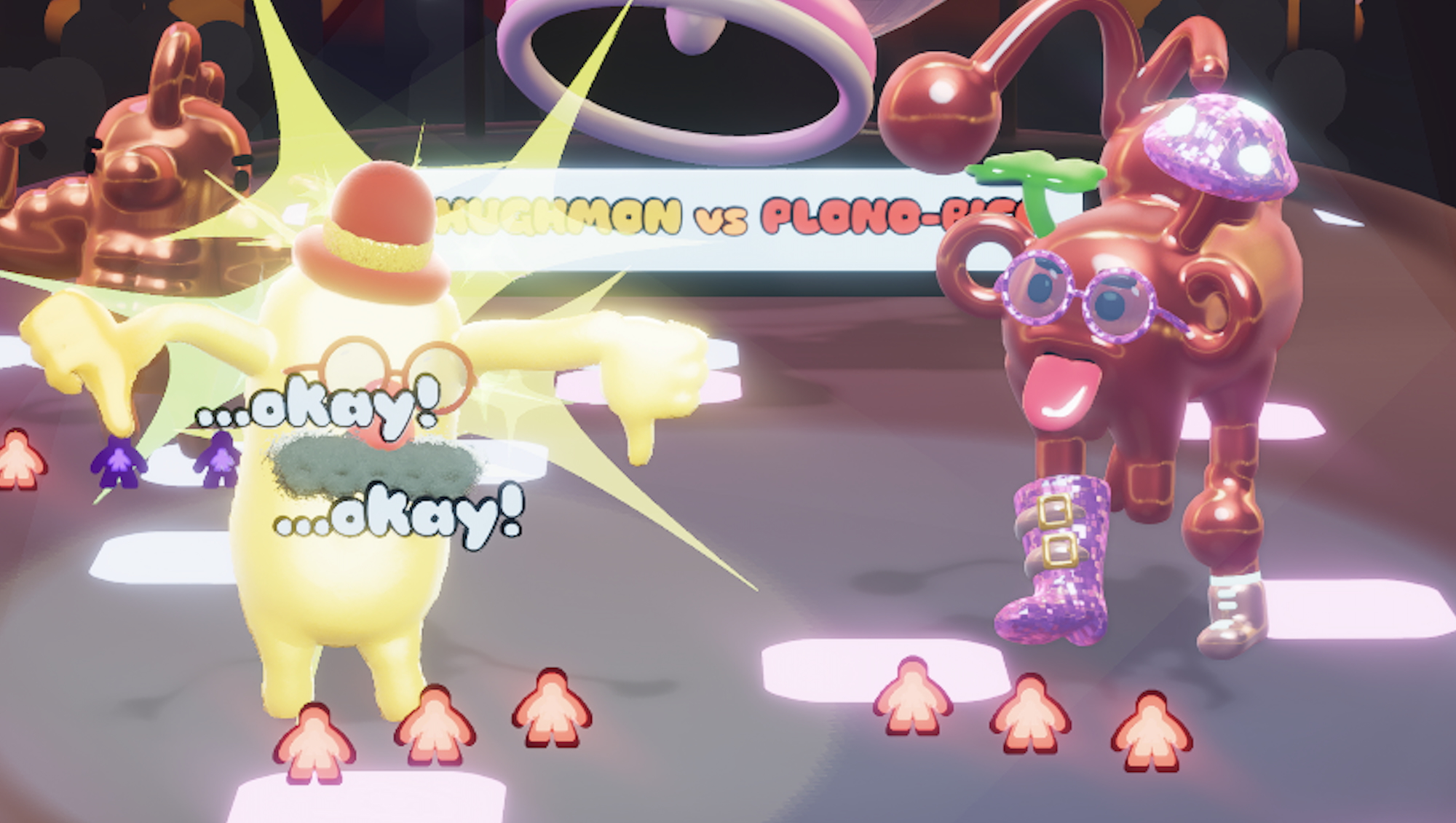
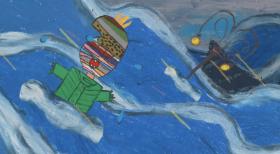
Oddlark kicked off Freeplay Parallels 25 with Noibs, an incredibly cutesy-looking game about funny-looking creatures fighting each other in popularity battles. Well, that’s the crux – but the real heart of this game is about dressing up your little Noib any way you like, and then watching as they wibble and wobble through the world.
As noted by developer Josh Bradbury, the character creator and the sense of play it inspires, is the main focus. With a snap-lock system, you can attach any sort of blob or limb to your Noib, with placement, colour, texture, and other factors allowing you to make them cute, mysterious, and more.
This system is experimental, but worked very well in a live demo, which showed off a real joy and bounce. While you will need to work for your Noibs to win their individual popularity contests, the excitement remains in the creation, and putting hats on your silly little guys. Sometimes, that’s all you need from a game.
Pro Jank Footy is the funny Aussie Rules adaptation we all need
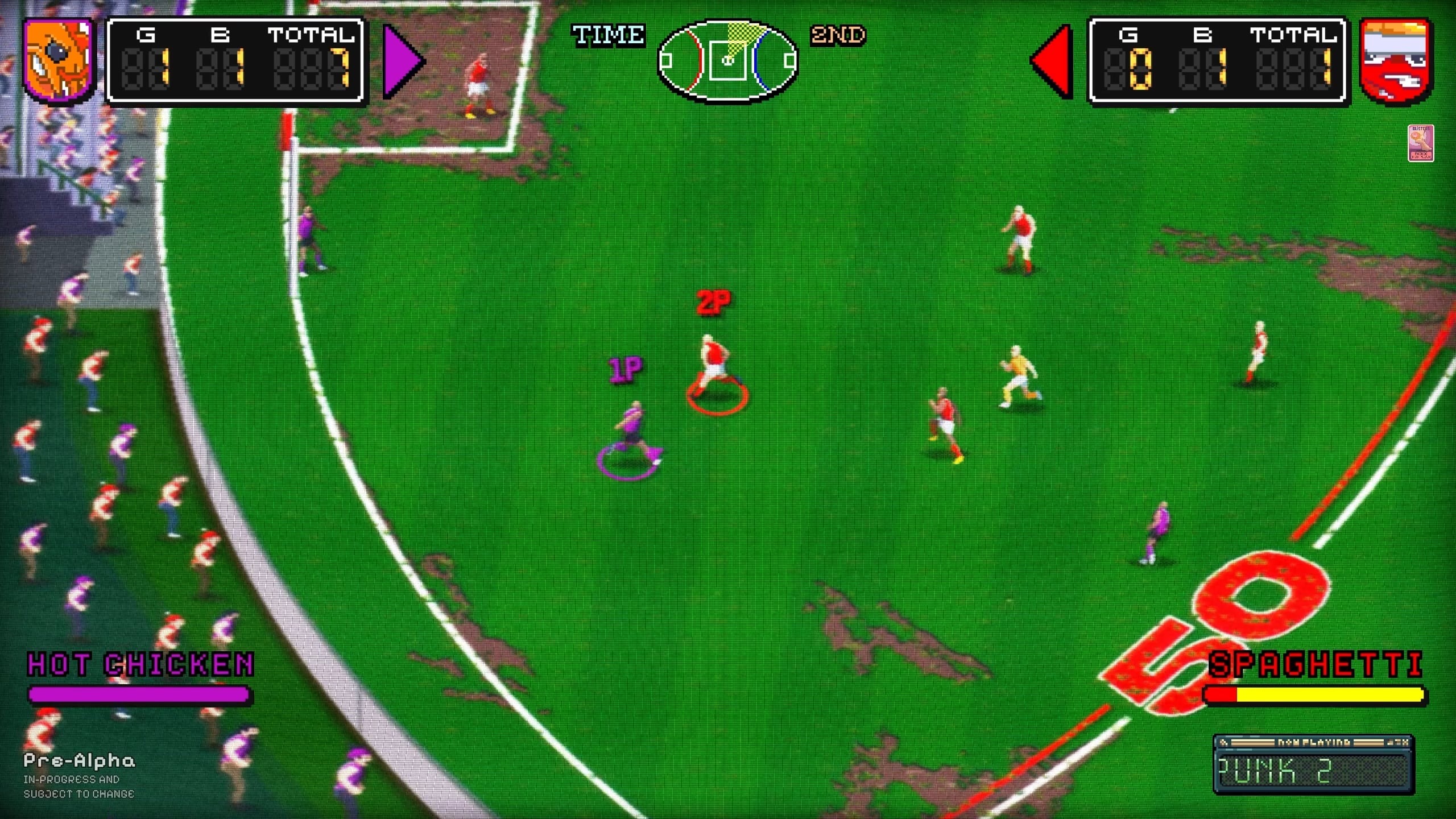
Pro Jank Footy looks exactly like the breath of funny, fresh air we could all do with right now. As the game’s developers explained during Freeplay Parallels 25, this is an Aussie Rules adaptation with no rules.
It’s inspired by retro sports games like NBA Jam, but with a very neat twist: it’s absolutely and delightfully ridiculous. Send your players to the field, but know that your victory could be won and lost based on completely random circumstances, with various power-ups made available after a win.
These power-ups include: the game turning into netball, suddenly you’re tiny, portals appear on the field, and my personal favourite, everyone is a seagull. With each card draw, you unlock a new and weirder form of Pro Jank Footy, with endless creativity in the way the game plays with expectations. You wouldn’t really expect a seagull to be good at footy – or to appear at all.
You certainly wouldn’t expect to be teleported across the field by a randomly-appearing portal. It’s all fun and games here, and it looks like a real blast.
Reaprieve is a lush game about the digital afterlife, and what we leave behind

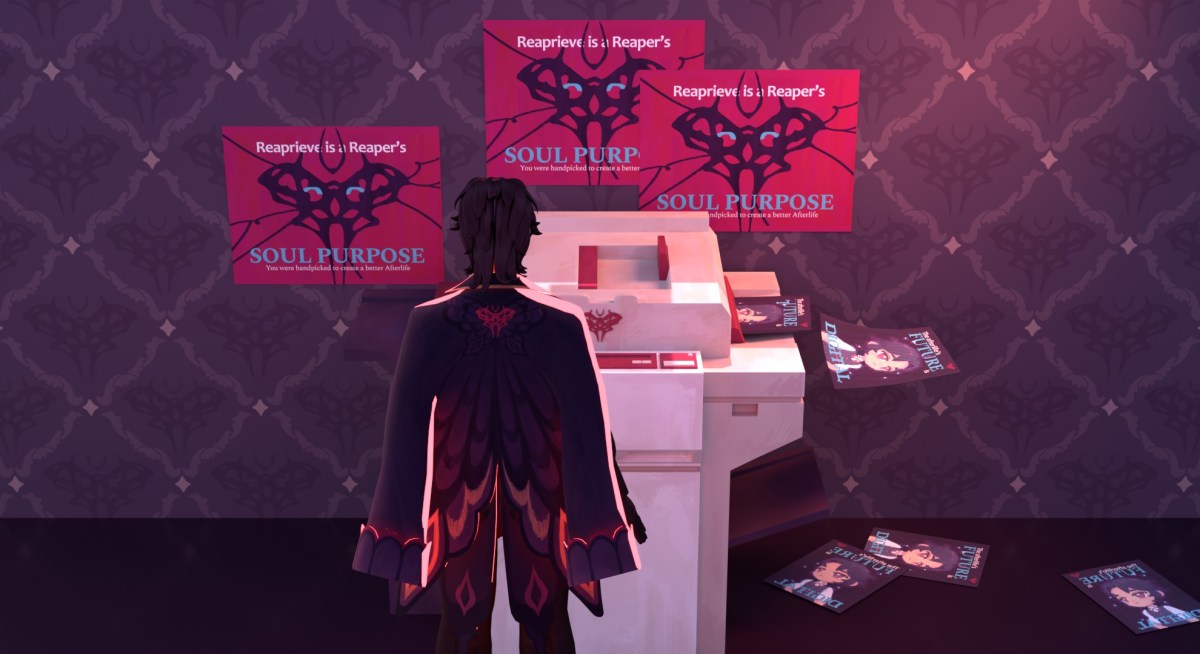
Next, 10PM Club (Thea Francisco and Luke Kemp) popped in to discuss Reaprieve, a game about a team of Grim Reapers dealing with the digital afterlife. As explained in a deeper talk about life and death, Francisco and Kemp discussed the strangeness of losing a friend in real life, when their digital presence remains.
This is a topic that’s frequently discussed, but rarely in games – that someone may spiritually ‘live on’ in the digital pieces of their identity left online. An instagram profile that remains live, or a Facebook post shared before their passing. As Francisco explained, these digital realms become spaces for grieving, with some choosing to leave messages of support or remembrance.
Reaprieve, which is currently in development, explores these ideas by following a team of Grim Reapers who deal with the digital afterlife, and all the mementos left behind by folks who share their lives online.
These Grim Reapers are burdened by the memories of these people, and must choose what is most important to preserve, even as digital ghosts begin to fade. For a dose of existentialism, Reaprieve is certainly an ambitious, intriguing game to watch.
Wyrmspace Tactics is a card-based strategy adventure of traumatised space pirates
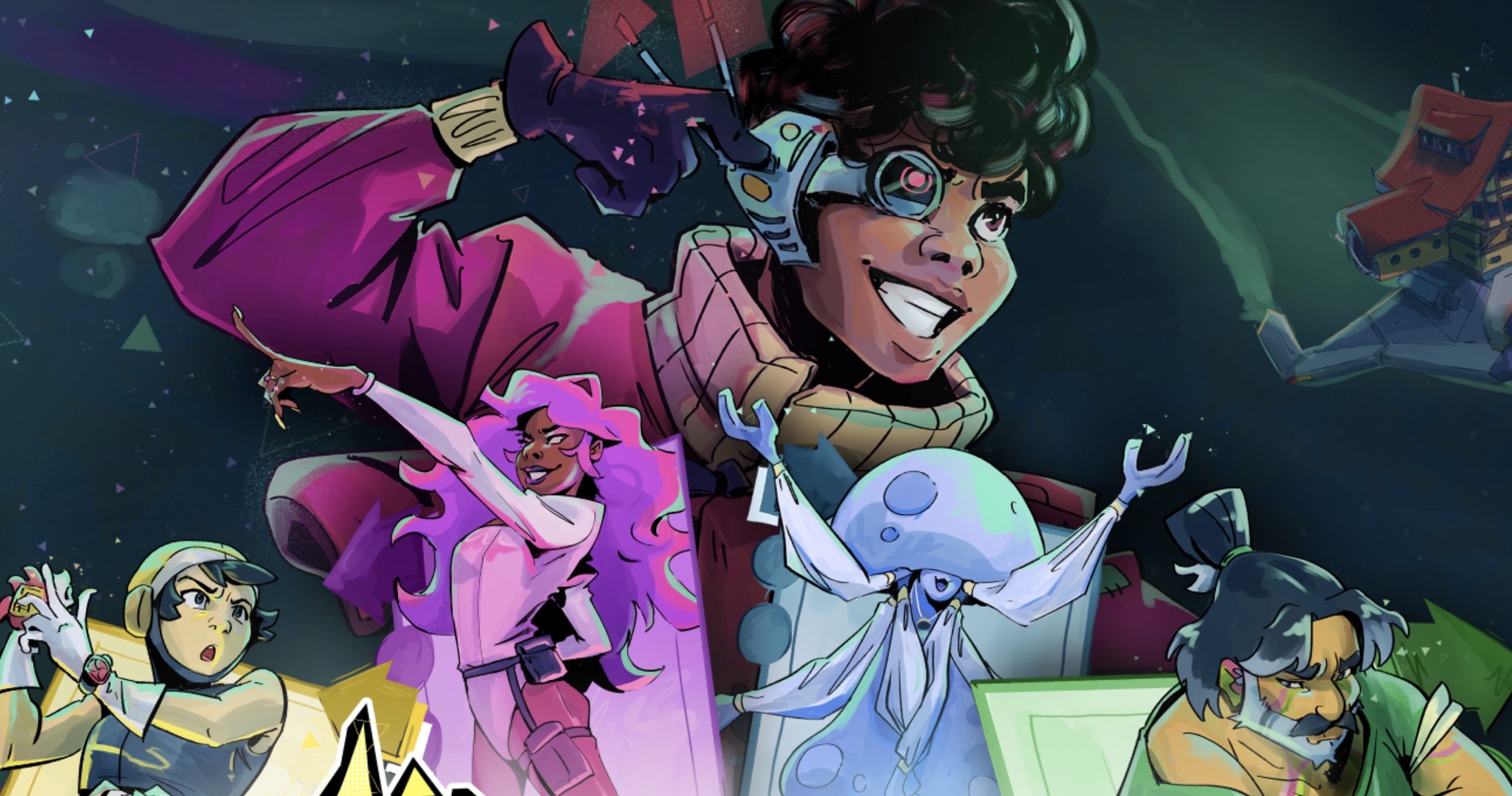
Wali Studios was up next with Wyrmspace Tactics, a tile tactics strategy card game all about traumatised space pirates going on missions, while confronting their various tragedies. As noted by the Wali team, the strategy tactics genre is currently dominated by combat-oriented games where cards are tied to attacks.
They wanted to try something different, instead tying card gameplay to memory retrieval and heists. Rather than playing cards to attack, the game is focussed on more ‘esoteric’ gameplay, with an emphasis on allowing players to form an emotional connection with their team of space pirates.
Wyrmspace Tactics remains in the early stages of development.
Shape Sender Deluxe is all about experimental play and strategy
Tana Tanoi of Shape Sender Deluxe was the next speaker at Freeplay Parallels 25, with a talk focussed on the complications of virtual puzzle making, which also showed off the experimentation allowed by Shape Sender Deluxe.
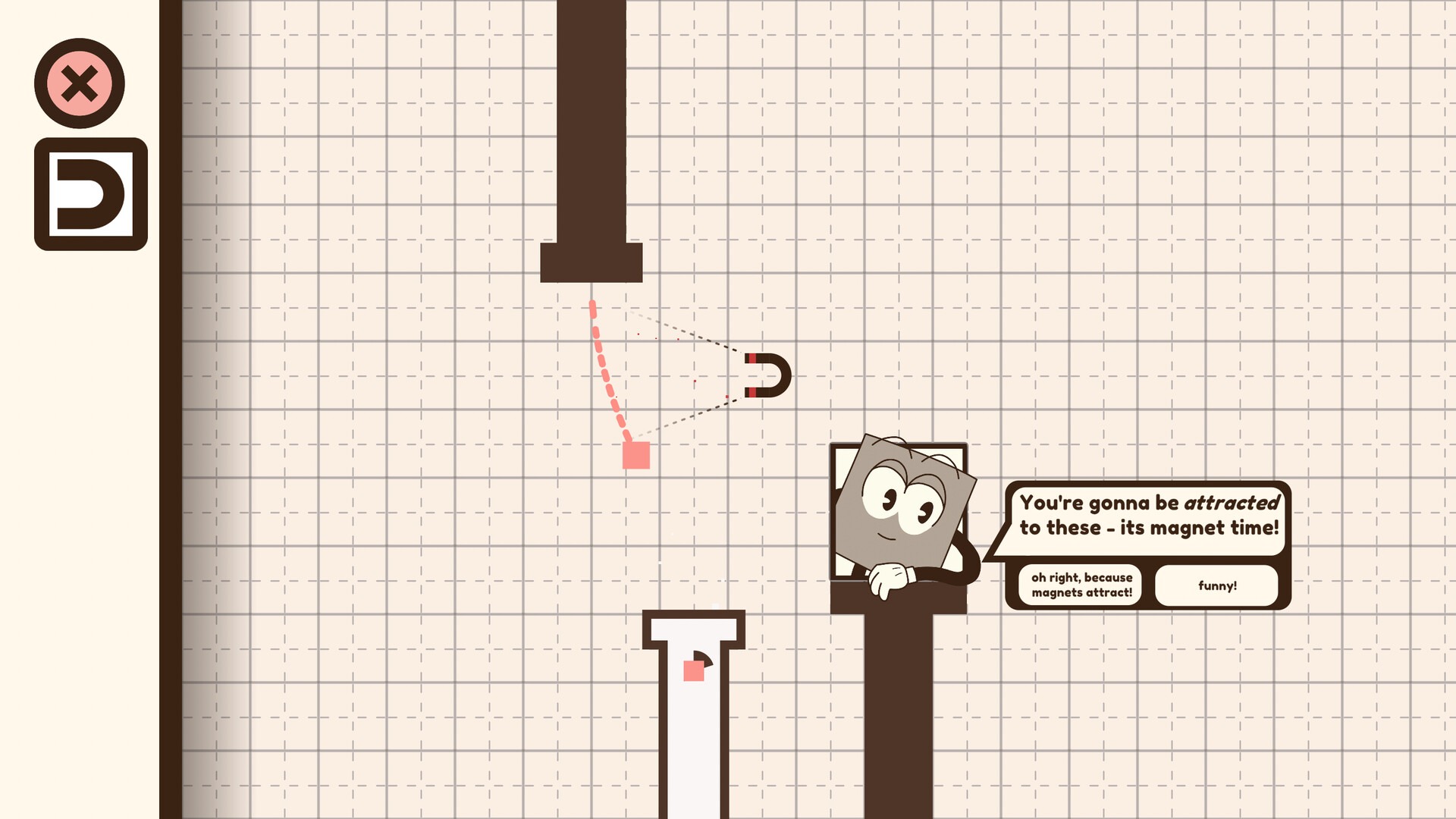
This is a game where you must get shapes from their origin point to a goal point, placing all sorts of transformative items (a magnet, a fan, a block) in each stage to speed their passage. All the while, you’re berated by the game’s passive-aggressive mascot, Sendy, who questions your intention, your style, and your intelligence.
As Tanoi explained, this is a game all about creative play. There’s multiple ways to complete each stage, and it was important to the game’s development team that experimentation was allowed – even within rigid bounds. In certain stages, Sendy will issue directives – for example, that players can’t deploy magnets – and players are encouraged to ‘break’ this edict by working out exactly how they can work around Sendy’s commands.
It’s all in service of a game designed to encourage out-of-box thinking.
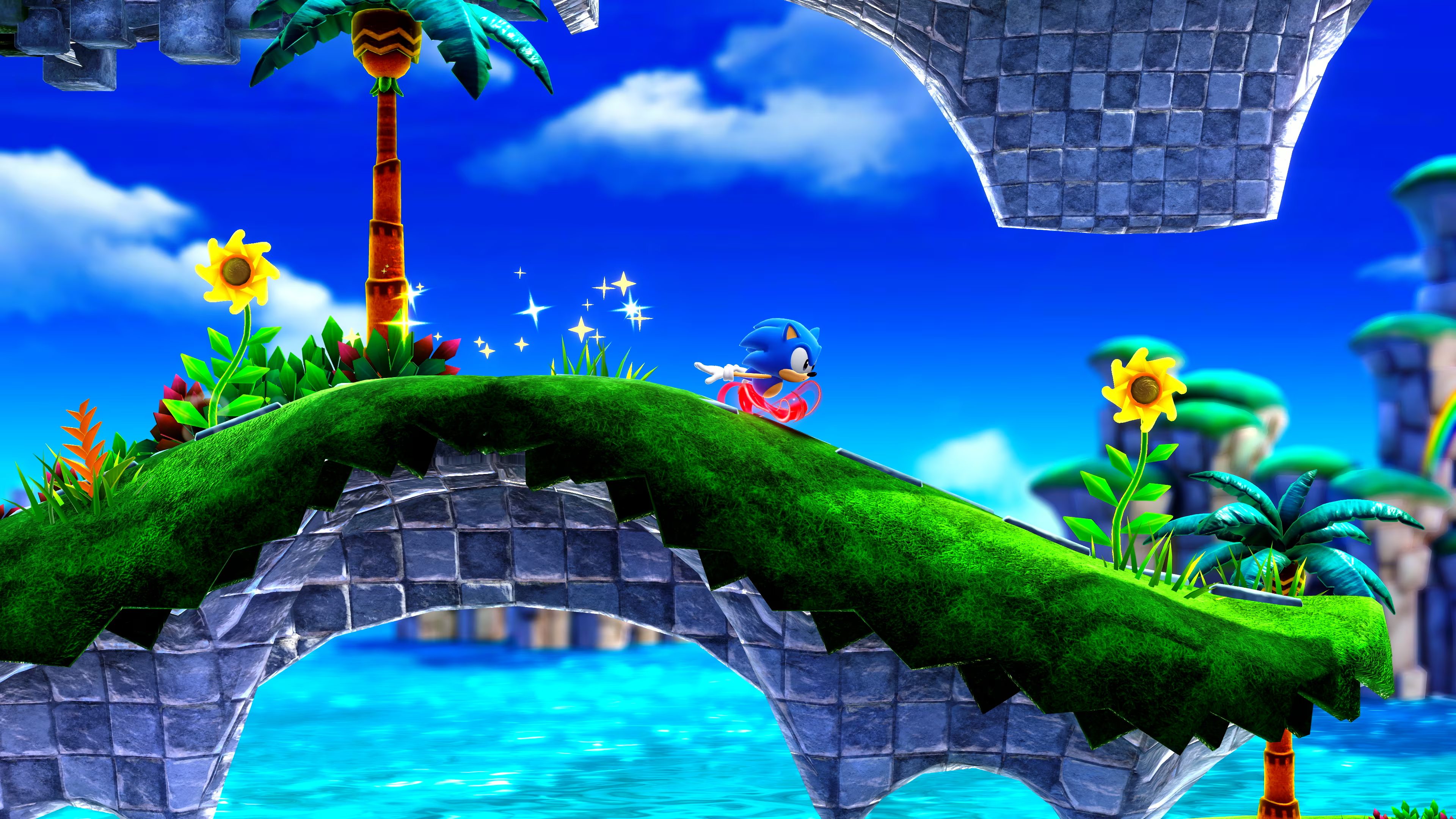
Delphinium is a solo game that’s exploded in scope
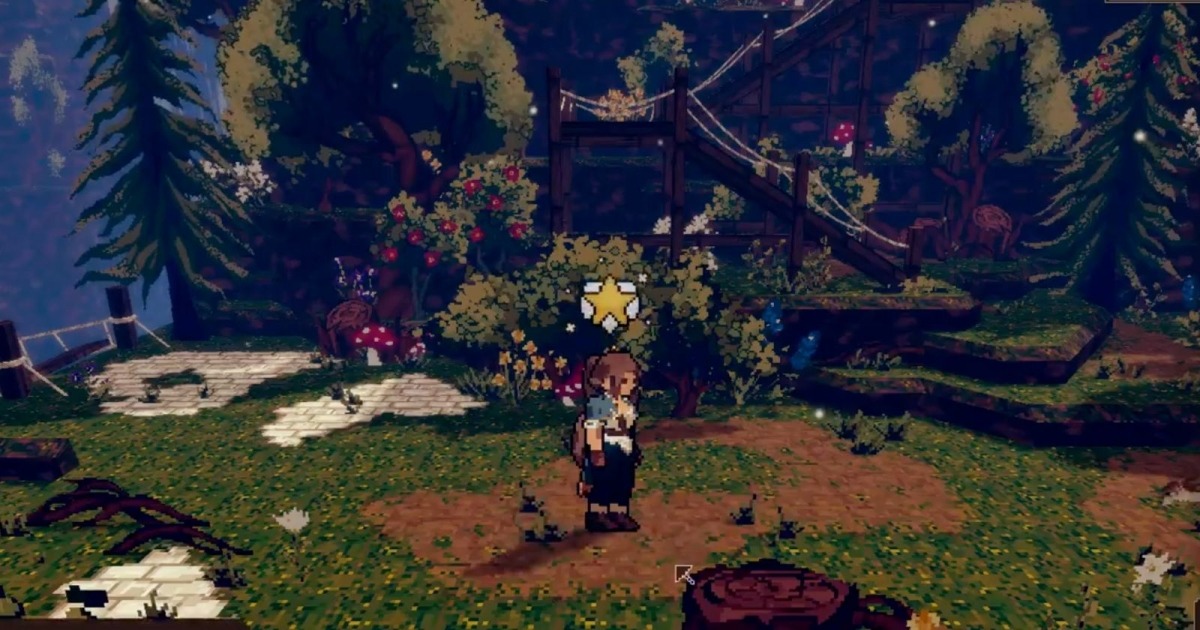
Next up, solo developer Heidi Borge (Sev) talked about creating Delphinium, a story-driven farming simulator that’s now been in development for several years. This talk was all about the freedom of being a solo developer, and how that freedom isn’t always a good thing.
When Borge began working on Delphinium, right out of high school, she thought it would be a simpler project – a short game about two women in love, that takes place over one week.
But the scope for the game expanded rapidly as Borge built her skills, and pretty soon, she was adding in more features, each with their own cascading set of requirements. If there was a shop, so players could buy seeds to grow flowers, naturally, there needed to be a shopkeeper NPC.
And if there were to be more shops, there would need to be more shopkeepers. So, the needs of the game cascaded – ‘there was nobody to stop this’ – and Delphinium evolved to become a larger adventure, with significantly more ambitious gameplay.
As noted by Borge, travelling solo has been blessing and curse, with a long road still ahead of the game. In future, a Kickstarter for the game will be launched, aiding this ever-evolving progress.
Key Fairy is a gorgeous, hand-drawn adventure that required plenty of iteration
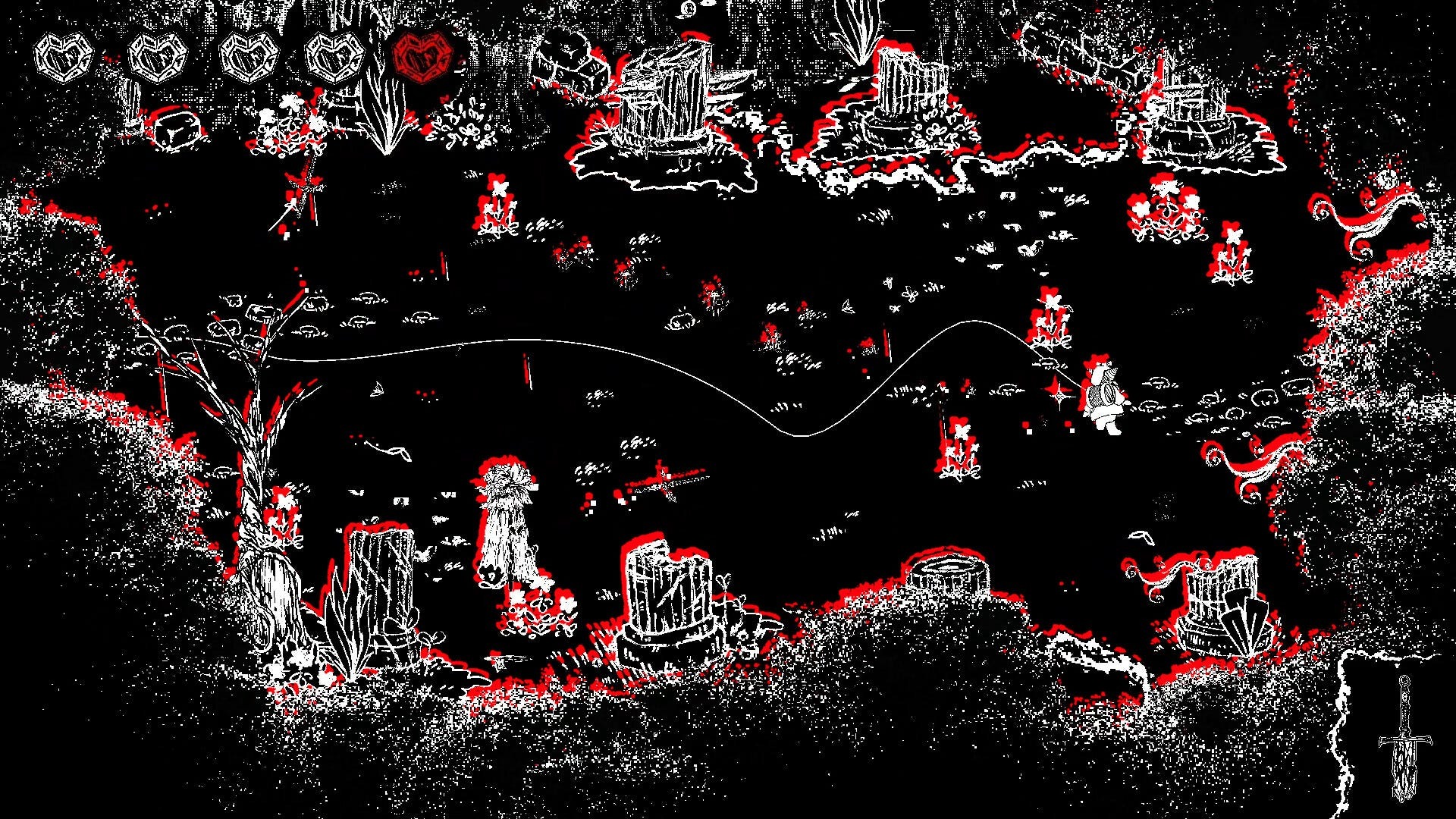
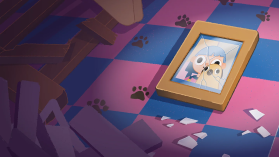
Owl Machine (Tex Barnes and Mars Bleach) were up next, to show off Key Fairy, their upcoming hand-drawn adventure game with pacifist, exploratory gameplay. As noted in their talk, the game was born from a pure idea: ‘We want to be explorative, and make games that ask questions.’ Could they make a bullet hell game with no actual bullets?
That guided the experimentation process, and allowed the team to play around with broader ideas of movement and attacking.
Tex and Mars talked openly about development being a complex learning process for them. In deciding to create a world in black and white, they realised there came challenges with comprehension and clarity of environments.
They also needed to work out whether (and how) colour would play into the game, and ensure players could be guided through with clarity. In this process, the Key Fairy team went through multiple prototypes, and plenty of feedback.
Building Relationships features pole-dancing building structures
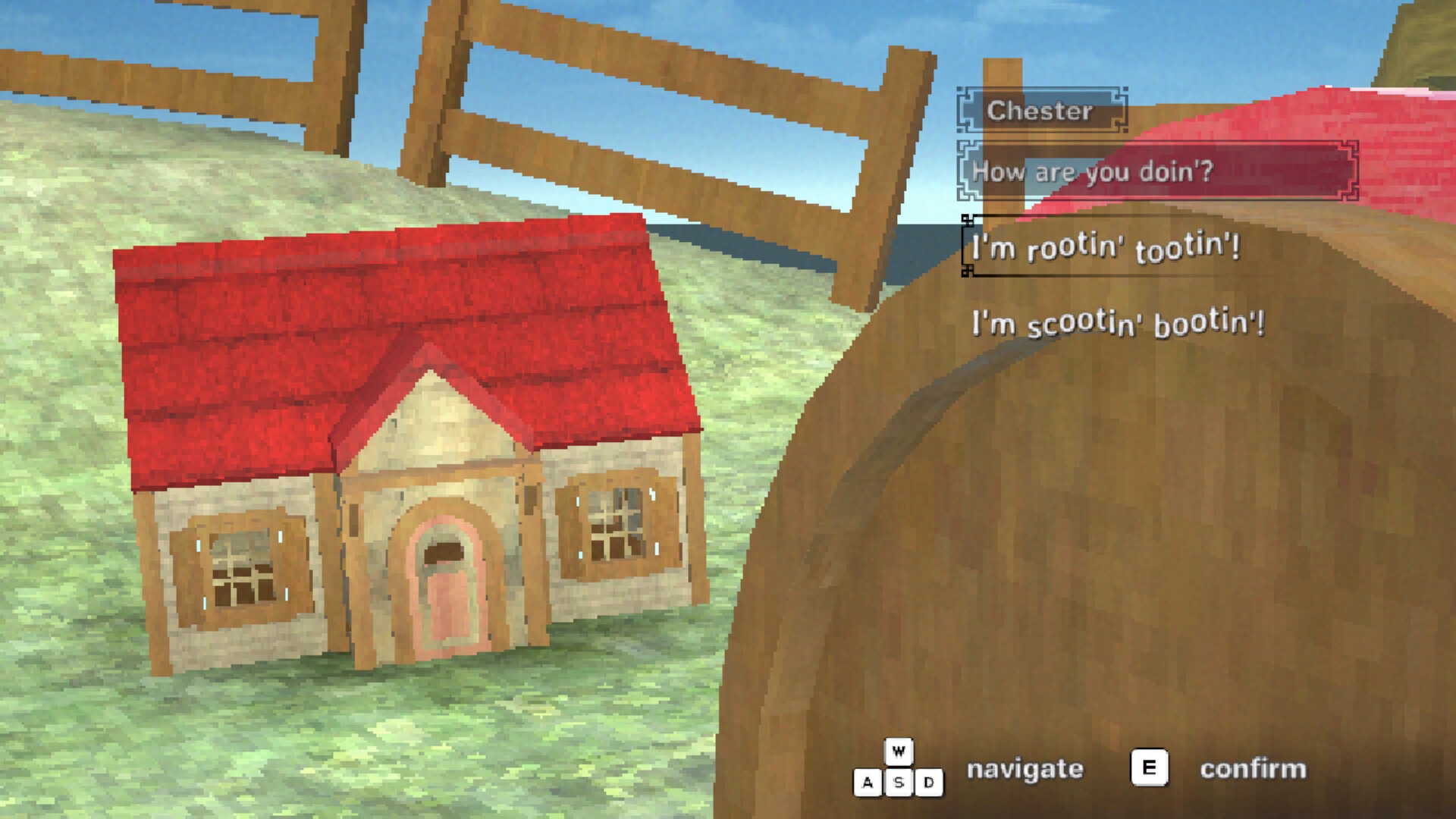
The final talk of the night was delivered by developer Tanat Boozayaangool, who revealed plenty about his upcoming relationship simulator, Building Relationships – which just so happens to feature building structures falling in love, and getting a bit spicy.
While the subject matter of Building Relationships is relatively silly, Boozayaangool revealed it was about much more than a meme or joke. It was his way to explore his sexuality as a gay man, and indulge in a love for musical theatre.
Inspired by Australia’s own Stray Gods, as well as Final Fantasy 7 and many other games, Boozayaangool used the game’s development to experiment with mechanics where players would romance and date buildings, and allow them to unlock their full potential through song.
As Boozayaangool explained at Freeplay Parallels 25, it required some level of ‘delusion’ to pull off – but the results speak for themselves. To end a night of great talks, the Parallels audience was treated to a musical number and dance sequence that saw two buildings (a barn and a windmill) pole-dancing to express their love, in a way that was both incredibly funny, and also surprisingly sweet.
Boozayaangool’s talk proved that even the wildest, weirdest creative ideas can deliver a wonderful, impactful message.