A recent article by Leah J Williams on Screenhub – Digital piracy can be an act of love given online media simply disappears – attempts to make the case that digital piracy is reasonable when content is unavailable through a licensed platform.
In the article, Williams writes:
‘Physical media, which can be tangibly owned and shared, is being discounted as a thing of the past. Even as young people increasingly discover its magic, there is encouragement to move on to the future, where films are accessed only with a monthly subscription fee, and where ‘digital ownership’ only means a ‘license to access’ – and that license can be revoked at any time.
‘Recently, PlayStation demonstrated the fallacy of this situation, with a one-two punch of announcements that were jaw-dropping in their timing and what they revealed about the intended future of media. First, it announced that more than 550 of its digital films available through the PlayStation Store would be deleted, and that anyone who had purchased them would not be refunded.
‘They had, after all, only purchased a digital license, and not the digital media itself. As in the terms of its licensing agreement, those films could be removed at any time, for any reason. In this case, it was due to the end of a licensing arrangement with film distribution company, Studio Canal.
[…]
‘It inspires a question in response: in a world where digital ownership is treated so flippantly, and any entertainment media can be deleted with the click of a button, is digital piracy now ethically acceptable?’
While the frustration of not finding a favourite title is understandable, normalising piracy as a solution doesn’t fix the problem; it simply makes breaking the law feel acceptable.
The PlayStation Store closure cited in the piece is unfortunate, but it is a one-off commercial event – not evidence of a systemic failure across digital entertainment. Consumers today have access to more film and TV than at any point in history, across a greater range of platforms and price points than ever before.
The deeper danger in Williams’ argument is what happens next.
Piracy rarely stops at the niche TV show or a hard-to-find classic film. Creative Content Australia has spent years collecting data on piracy behaviours. What that research shows is that the first act of ‘justified’ infringement becomes the gateway to a permanent shift in behaviour – one where consumers no longer see the value in paying for content at all.
And when that happens, the entire funding model begins to unravel. Reduced revenue means less money flowing back to creators, which makes investors nervous. Nervous investors pull back, and producers find themselves unable to finance their next project.
Ultimately, the people who lose most are not faceless corporations – they are the writers, directors, crew members, and storytellers that audiences claim to love.
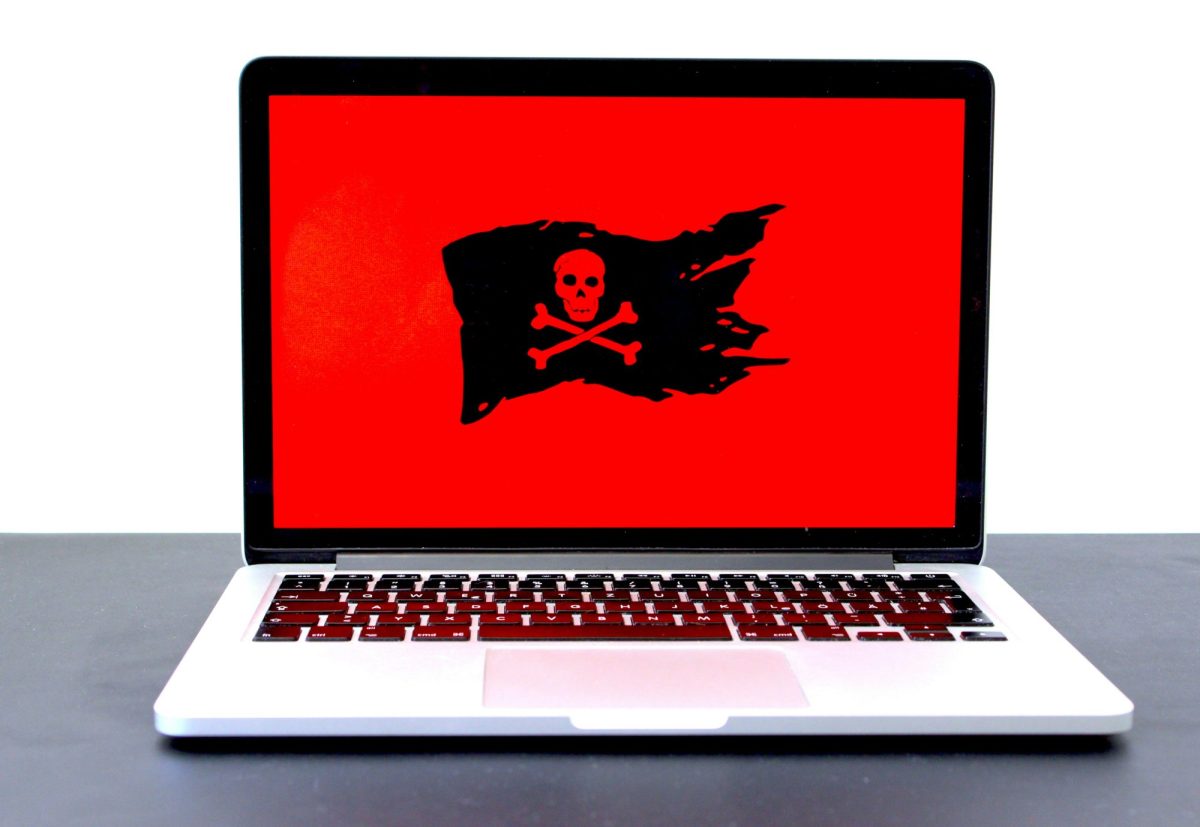
Digital piracy is not harmless
It’s worth remembering that creating film and television is an extraordinarily risky endeavour. Financing is difficult to secure at the best of times, and it depends entirely on the market believing that audiences will pay for what they watch.
Opinion pieces like Williams’ may seem harmless, but they carry real consequences. Narratives that frame piracy as an act of love threaten to erode the copyright ecosystem that the entire screen industry depends on for its survival.
Loving film and television means supporting the conditions that make it possible.
In Australia, 18% of consumers pirate film and TV every month. Respect for copyright remains an ongoing challenge for the screen industry, and one Creative Content Australia is committed to protecting.
Amy Pettinger is the General Manager of Creative Content Australia.