The ways in which we all engage with entertainment media have changed dramatically over the last few decades. From only having cinema releases and TV re-runs, we graduated to physical media in LaserDiscs, videos, DVDs, Blu-Rays, and 4Ks. Then came the era of online streaming, where TV and films became ‘content’ to fill ‘platforms,’ and digital-only ownership was offered as a worthy replacement.
In this graduation, all lovers of media are getting a raw deal.
Physical media, which can be tangibly owned and shared, is being discounted as a thing of the past. Even as young people increasingly discover its magic, there is encouragement to move on to the future, where films are accessed only with a monthly subscription fee, and where ‘digital ownership’ only means a ‘license to access’ – and that license can be revoked at any time.
Recently, PlayStation demonstrated the fallacy of this situation, with a one-two punch of announcements that were jaw-dropping in their timing and what they revealed about the intended future of media. First, it announced that more than 550 of its digital films available through the PlayStation Store would be deleted, and that anyone who had purchased them would not be refunded.
They had, after all, only purchased a digital license, and not the digital media itself. As in the terms of its licensing agreement, those films could be removed at any time, for any reason. In this case, it was due to the end of a licensing arrangement with film distribution company, Studio Canal.
Just a few days later, PlayStation announced something even more staggering: after many decades supporting physical media, no new PlayStation-produced games would be released on disc from 2028.
‘This is a natural direction for Sony Interactive Entertainment to adapt to consumer trends as the general preference for digital media significantly outpaces physical discs,’ it said. ‘This transition will enable us to align more closely with how most of our community prefers to access and play games today.’
The future was made clear in its statement: players will no longer tangibly own the games they purchase. And as with the PlayStation Store’s film library, there’s a possibility they can be removed, without any consequences, and without any compensation.
It inspires a question in response: in a world where digital ownership is treated so flippantly, and any entertainment media can be deleted with the click of a button, is digital piracy now ethically acceptable?
On the modern ethics of digital piracy – quick links
A brief history of streaming services and their fight against digital piracy
It’s arguable that streaming services, in their infancy, effectively defeated any justification of digital piracy by those seeking entertainment media. The early days – around 2015 – were idyllic with just a handful of services competing for attention, and robust offerings in each.
In Australia, Netflix was one of the first big platforms to arrive, alongside an array of Australian-made competitors, including Stan and Foxtel Now. A concentration of these services meant you could access pretty much anything you wanted at a reasonable cost, with a core group of streamers offering films and TV shows from many global distributors and networks.
Then, as is inevitable in any breakout industry, streaming fever caught on and every individual distribution company and network wanted to reclaim their content for their own personal platforms. What was initially a valuable and simple offering for consumers became increasingly segmented, and more expensive.
Companies formed partnerships with distribution companies, then lost them, and justified price rises at each and every turn. Consumers were stuck in the middle, chasing their favourite media across multiple platforms, all while being subtly taught to see them more as canon fodder to fill these online media halls.
Streaming, in the modern era, is not as affordable as it once was with some services doubling or tripling in cost, or including ads to support those managing their budgets. As a once-reasonable replacement for digital piracy, offering an affordable solution to those looking to enjoy entertainment media in a central few platform, streaming has failed.
It’s not only failed in this goal, but in a very basic one: actually allowing people to access entertainment media at all.
Fan-favourite shows are disappearing at a rapid rate
Where some shows and films dance between streaming platforms at frequency, the changing of rights and the need to maintain payment for so many different projects often leads to shows being dropped from online streaming entirely – including, and most egregiously, shows and films that are produced by specific platforms, leaving no other options for viewers.
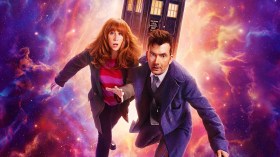
Consider the case of Hemlock Grove, one of Netflix’s first original shows. While marketed as a Netflix Original Series at the time of release, it was actually a production of Gaumont International Television.
In 2022, Netflix confirmed it would remove the show due to its complex rights arrangement, which was ending. Following this, it became unavailable for streaming in many regions, with only some gaining access through other streaming services.
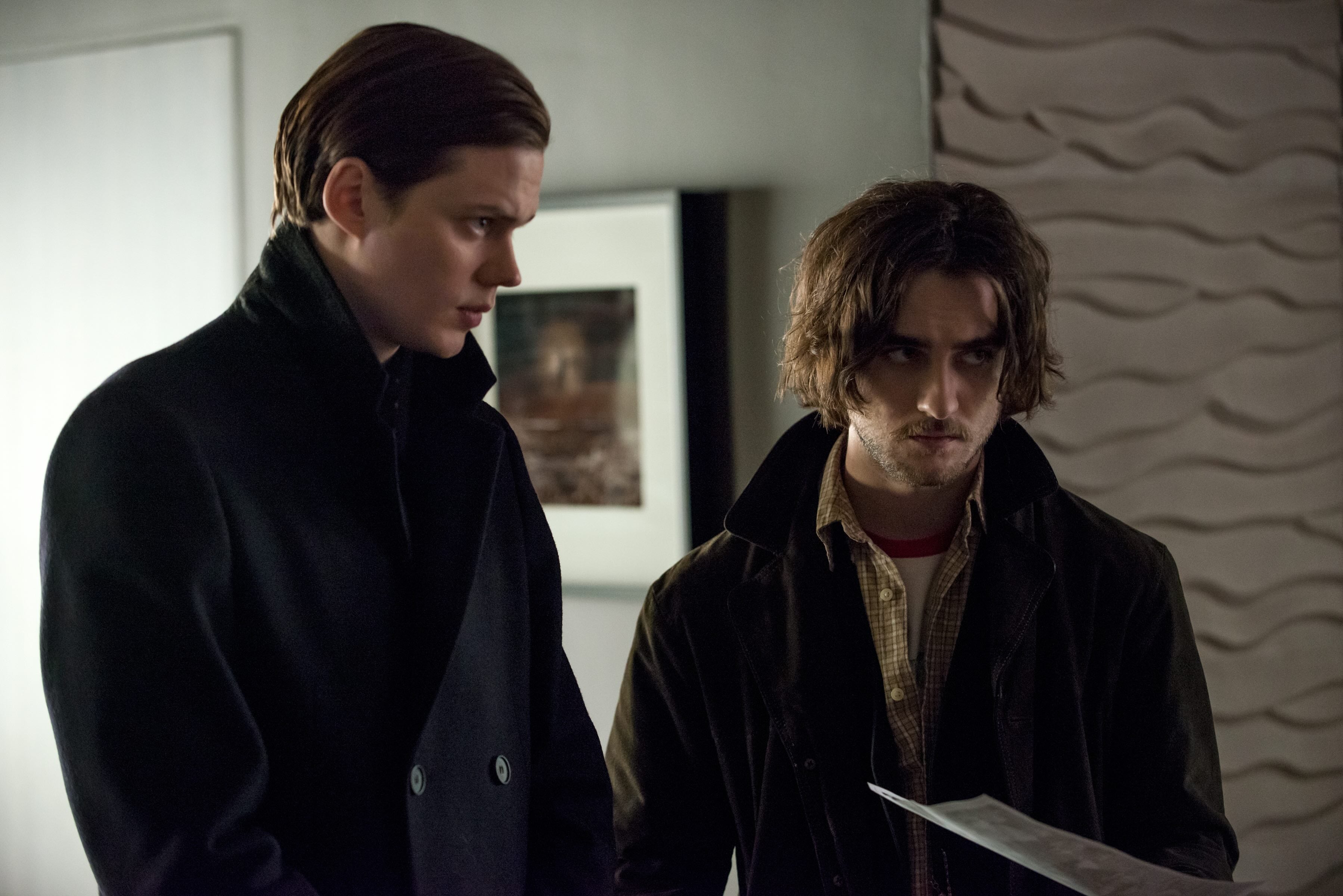
Some of the seasons of Hemlock Grove were released on physical DVDs and Blu-Rays – and it’s only for this reason that it remains relatively available within Australia (although at a high cost, particularly for the physical version of the rarer third season).
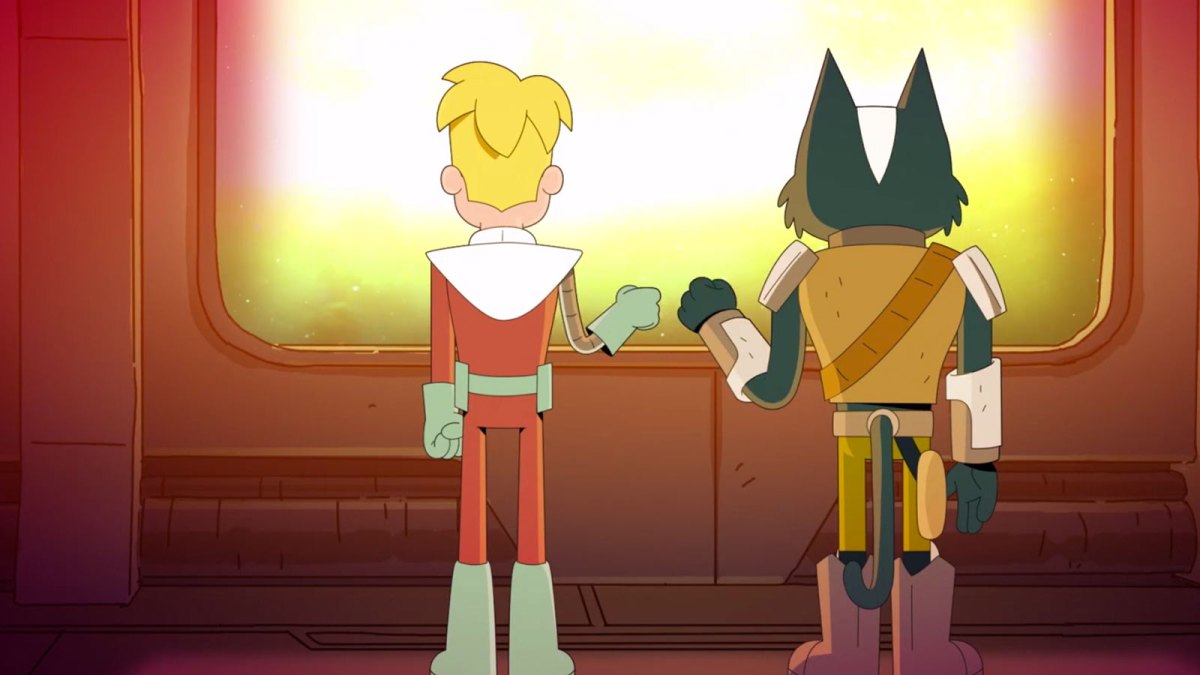
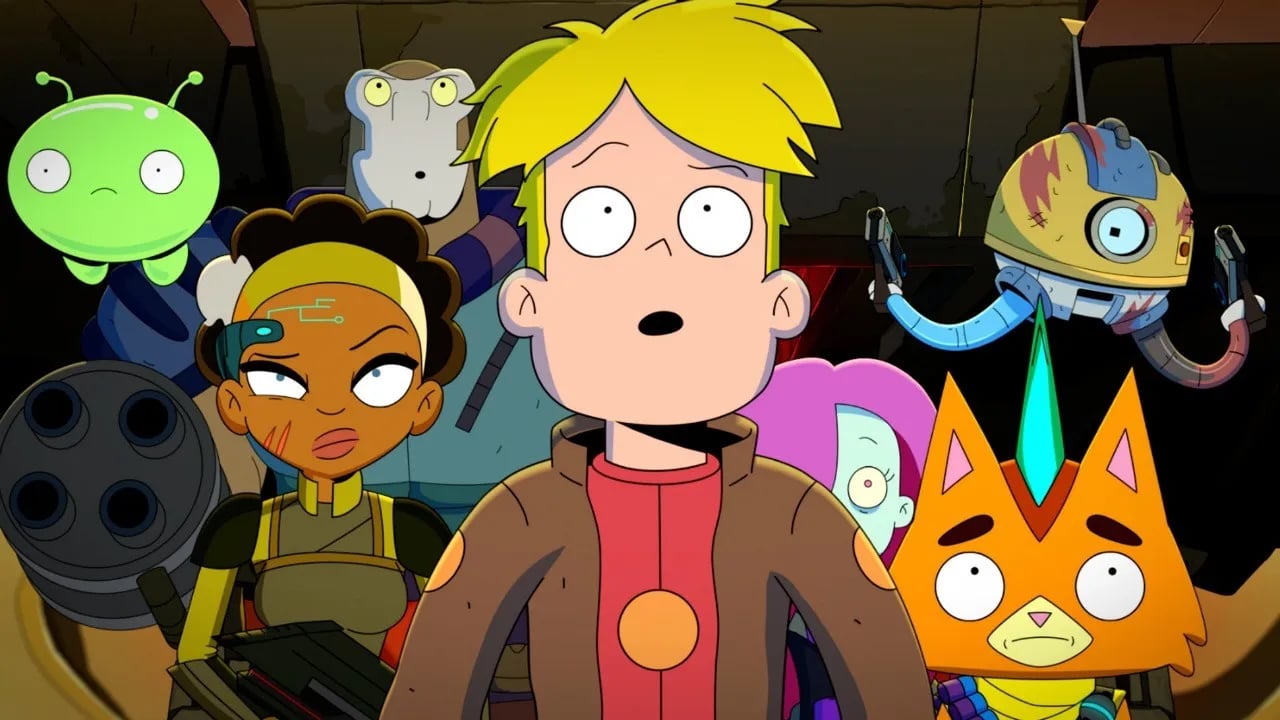
Final Space was another beloved show given similar treatment. This animated series was developed for TBS, and cancelled during the merger of Discovery Inc. and WarnerMedia. In 2022, creator Olan Rogers announced the series was being ‘written off’ for tax purposes, and as a result, it would be removed from all streaming platforms, including Netflix internationally.
This left fans with no way to watch the show – and crucially, unlike Hemlock Grove, it did not have a comprehensive and affordable physical media release for all regions. While you can purchase at least the first season within Australia, resale prices reach up to $199.99 due to scarcity. Physical media from other regions is difficult to obtain and similarly expensive, and requires speciality hardware to run.
For the fans of Final Space, there is seemingly no other option to continue to enjoy the show, while also supporting Rogers and the other talented folks that made Final Space (although it’s worth noting there is a graphic novel continuation by Rogers that can be supported separately).
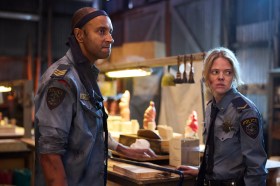
A lesser-loved example worth bringing up is WWE spin-offs Total Divas, Total Bellas, and Miz & Mrs.. All three shows are essential, if a little vapid, parts of modern wrestling history. In their era, they bridged a gap between reality TV and wrestling, allowing fans into the ‘real’ lives of their favourite wrestlers while also teaching audiences about the complexity of producing a wrestling show.
Yes, there is a layer of scripted silliness here. In the early seasons, women are frequently put into embarrassing and cringeworthy situations for the sake of entertainment. But eventually, Total Divas (as compared to the other shows) evolved to spotlight light, fun stories about female friendship, and the fascinating inner workings of the wrestling world.
As of 2026, you can no longer watch Total Divas, Total Bellas, or Miz & Mrs. anywhere, without becoming a digital pirate. While they were streaming widely as of 2024, these shows are now only found in the darker corners of the internet due to licenses expiring, and the death of the dedicated WWE Network, which previously housed all of WWE’s shows, spin-offs, and pay-per-views.
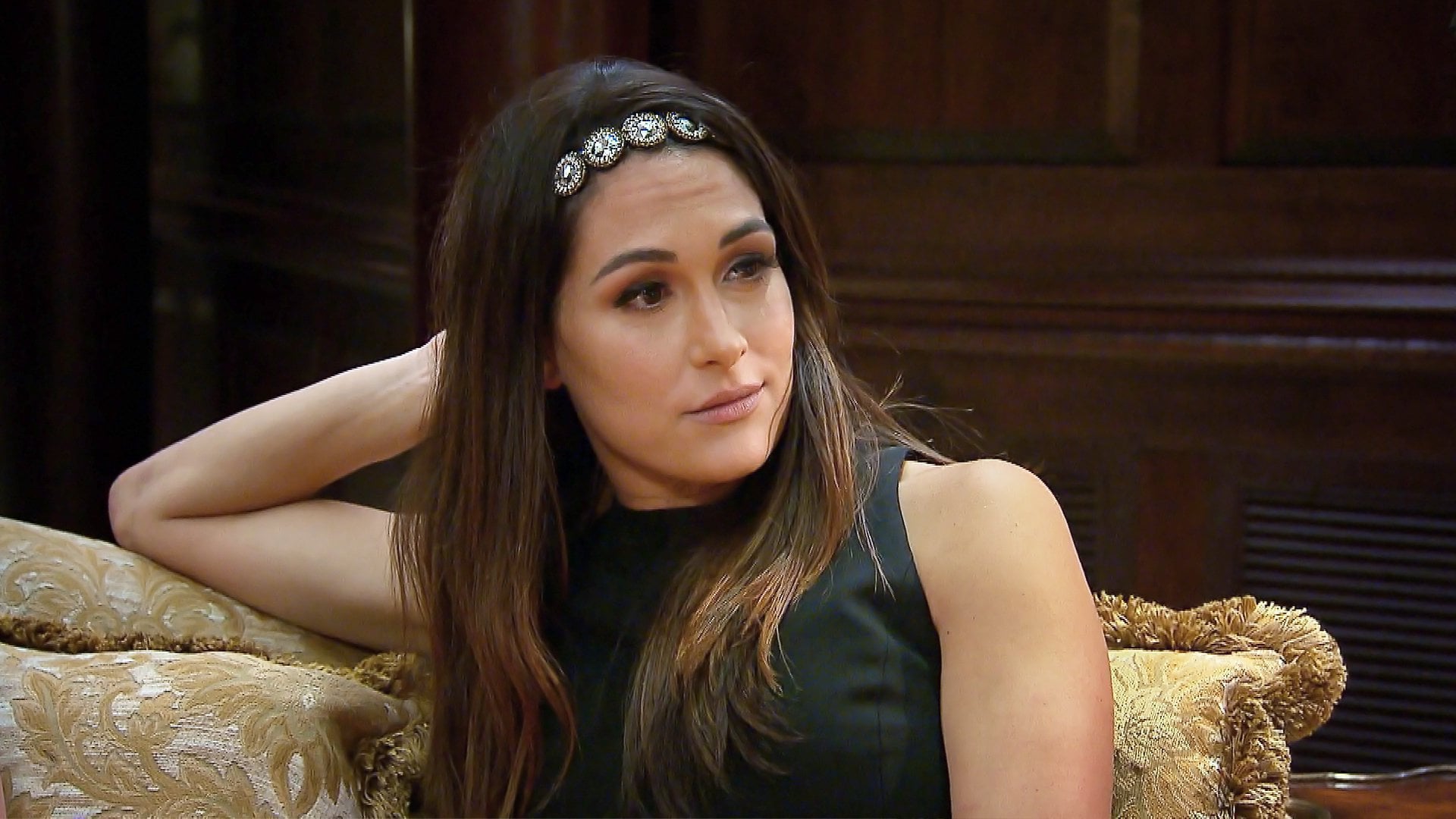
There was never any physical media produced for these shows. You can’t own them any capacity. They’ve simply been removed, with no trace they were ever around. And while you can debate the cultural importance of shows like this, you can’t deny they had their fans, or that they were important to the people who watched them.
All media matters to someone. Whether it be the actual creators and actors, or the handful of people that enjoy it, it’s quick to form personal connections. A movie you watched once as a kid can feel so important to you, formative for memory or experience. A show you watched when you were sick or tired or sad can become a lifeline.
When that connection can be discounted so easily, and shows can disappear without a whisper, is there not an individual obligation to save them? When no other option presents, sometimes piracy appears to be the best – and only – way to keep that media alive.
Who is actually impacted by digital piracy?
There is very fine line here, of course. Digital piracy comes with its own implications, as abstracted as they are.
While watching shows and films legally on streaming platforms, you are – in roundabout fashion – directly supporting the creations behind the scenes. Streamers collect data about exact viewership and engagement, particularly around launch times for new media, to make decisions about their future support. Digital piracy removes the potential to understand the complete view of an audience and how many people are actually watching.
In some cases, depending on those behind-closed-doors discussions, your viewership can also impact royalties, bonuses, and salaries that are then passed through an array of companies, and eventually arrive with key creatives, who deserve support – particularly in an era where this support is drying up, and funding is hard to come by.
The problem is really that the impact of viewership is opaque. Viewers don’t know how their engagement contributes, or where their subscription or purchasing power goes. As has been discussed recently in the success of Obsession, it’s also the case sometimes that creatives are paid a one-off fee, and viewership ultimately does nothing to help their career sustainability or growth, only helping the platforms themselves.
Without a direct look at how exactly viewership helps, and more discussion about the failure of studios and production companies to actually support their creatives monetarily, digital piracy is becoming less stigmatised, and more socially acceptable.
There is also an increased perception that it’s a harmless act, with this sped along by various developments – such as the new, flippant way world leaders have begun discussing the importance of copyright in the AI era.
For years now, we’ve read about AI companies scraping the web for data to help the creation of Large Language Models. In this discussion, many have argued that copyright and licensing is less important than being able to train AI models to complete work that should rightfully be reserved for humans that need a salary to live and survive.
If even large corporations are speaking openly and publicly about their digital piracy, claiming they’re in the right to steal data from media and other content sources, then what barriers do consumers face in taking part in the act?
More to the point, with large companies hoovering up films and shows as ‘content’ to be passed around, discounting any measure of their worth, what encouragement do audiences have to directly support streaming platforms or digital distribution channels at all?
In these persistent attitudes, digital piracy is becoming normalised. It’s not legal, and it’s not endorsed. But conversations around the act are changing, and more questions are being asked about how digital piracy can help, rather than hinder, the release of media.
Digital piracy can be an act of love
The bonds viewers form over entertainment media are real. They can become part of their personality and their growth. They can help them understand the world, develop their empathy, and be a better person.
Media can have so much meaning to the individual, in a way that’s misunderstood by everyone else.
Preserving it forever, even when there’s no legal means to do so, can be an act of love and appreciation. People want to own the things they love – to be able to enjoy it when they want, to be able to share it with others. It’s why physical media is so loved, for its tangibility and transferability.
To say you love something enough to invest in it, to be able to hold it in your hands, or otherwise to claim a part of it, is a beautiful thing. The possibility that you’ll lose something in the digital realm, that it could vanish entirely, is a distinct fear in an age where so much of our media is digital-only.
Any movie or show you love dearly could be taken offline and shelved for tax purposes, by entities who don’t know its true value. If you could never watch your favourite film or show again, would that leave a lasting hole?
All media, regardless of its quality, or even the size of its audience, deserves to exist somewhere. Even if that’s on a stray USB being passed between friends in shady university halls.
When there are no reasonable, accessible ways to watch that media, where all other parties have discounted its worth, and where fear of permanent destruction is pervasive, perhaps digital piracy is ethical.
All media means something to someone, and preserving it and its magic – even illegally – can be entirely justifiable under the right circumstances.