Bitchy bon vivant Gore Vidal once proclaimed that Joanne Woodward and Paul Newman were ‘the last movie stars’, an era-defining proclamation akin to political academic Francis Fukuyama declaring ‘the end of history’ after the fall of the Soviet Union.
Whatever Vidal’s benchmark for stardom, it’s clear that the movie business is in a bit of bother. Stubbornly resistant to bouncing back following the pandemic lockdowns and the one-two punch of the writers’ and actors’ strikes in Hollywood, attendance numbers are down all over the world.
While the Australian box office may have risen by 2% to around $970 million in 2025, that’s still a far cry from 2019’s near-all-time high of $1.23 billion
But is it the end of seeing films in cinemas? Or can it be revived?
The decline of cinema – quick links
Box office blast off?
The death of cinema may have been exaggerated. Video stores didn’t kill her, nor have the streamers just yet (though they did kill the video store).
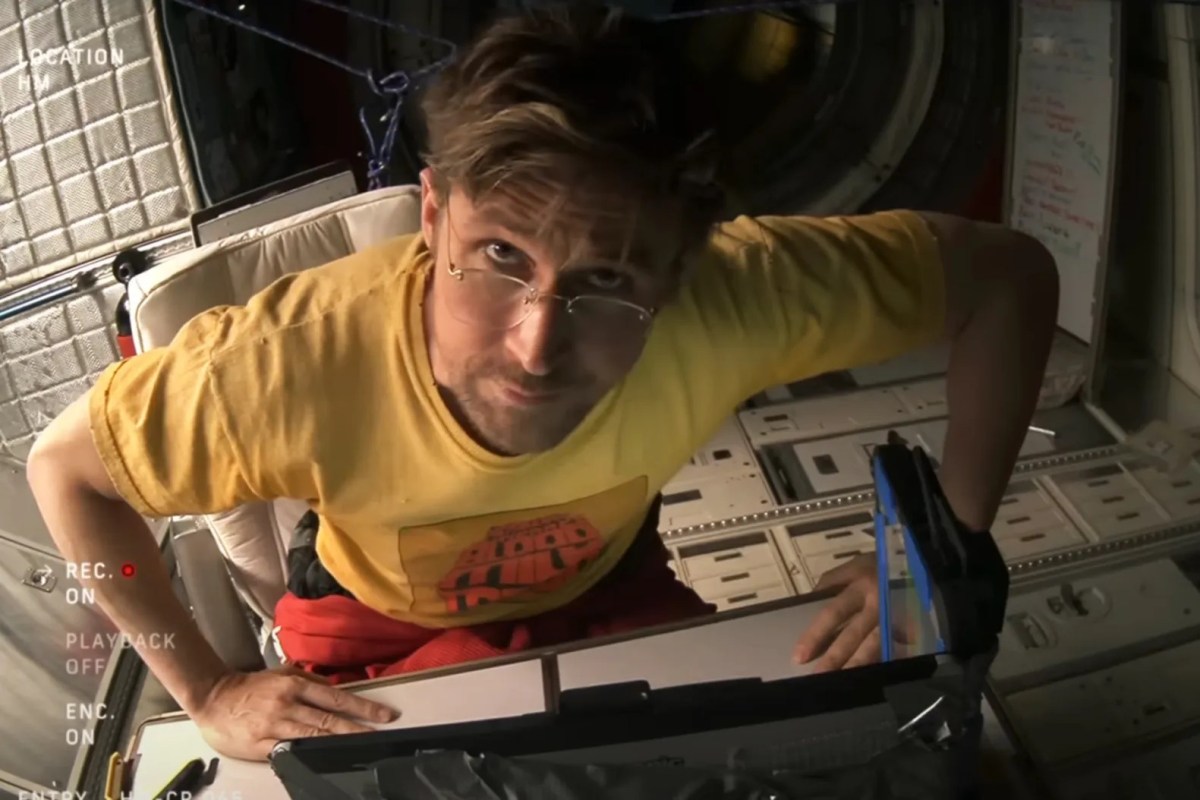
With Gore Vidal’s passing in 2012 (not the schlocky Roland Emmerich acpoca-blockbuster), we can’t know if he’d consider Ryan Gosling a movie star, but the Project Hail Mary lead sure can pack them in.
Playing Ken to Australian co-star and producer Margot Robbie’s titular Mattel doll in Barbie, they secured a worldwide box office of over $1.45 billion, making it the highest-grossing film of 2023. A zeitgeisty sensation, it packed out Australian cinemas for weeks, with the organic #Barbenheimer phenomenon also ensuring a healthy bump for Christopher Nolan’s strange bedfellow of a biopic, Oppenheimer.
Gosling’s reliable bankability is on show again with Project Hail Mary, which is currently soaring over $510.2 million globally (with around $14.5 million of that sourced locally) on an estimated $200 million budget plus hefty marketing costs (more on that later). So we know that big films beyond the Marvel Cinematic Universe can still get bums on seats.
As Gosling put it, when he surprised an audience by dropping into an AMC Lincoln Square IMAX screening of Project Hail Mary in New York City: ‘Six years ago, I got the manuscript. It’s the most ambitious thing I’ll ever make. It seemed impossible. It was too good not to give it a shot. Six years later, we did it. Here we are, we’re all back in theatres. It’s not your job to keep them open, it’s our job to make things that make it worth you coming out.’
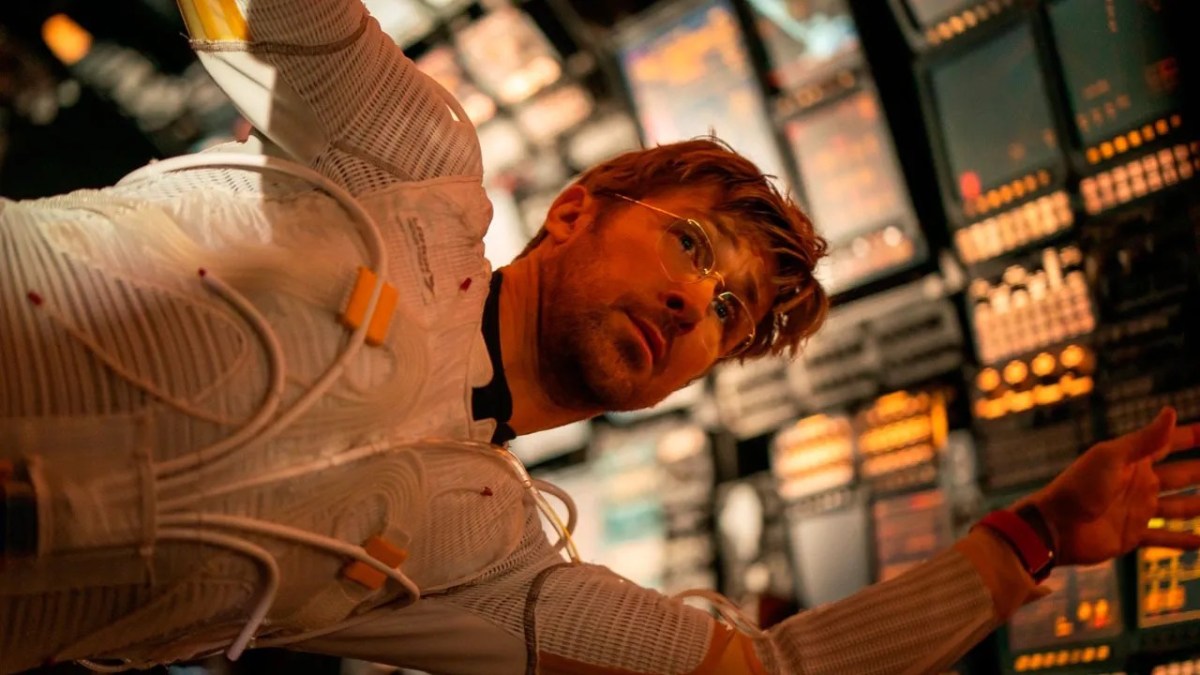
Gosling rightly identifies that it’s not just about star power, big budgets or IP. With The Lego Movie filmmakers Phil Lord and Christopher Miller bringing their goofy joie de vivre to The Martian author Andy Weir’s novel, once again adapted by Drew Goddard, it was all about spectacle, wonder and sky-higher imagination.
Exhilarating new worlds
The films that get folks flocking back to cinemas shouldn’t have to be intergalactic blockbusters. There once was a time when originality was awarded and moviegoers flocked to see much more modestly funded films.
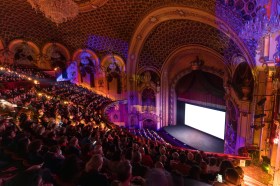
That’s because there’s no joy quite like the communal one of experiencing art together, whether it’s good, dumb fun, emotionally rewarding or sublimely perplexing.
As the much-memed Nicole Kidman AMC ad insists, ‘heartbreak feels good in a place like this’.
Nothing beats the thrill of shared tears, laughs and shrieks in the dark, debriefing in the foyer, on the street or in local bars, cafes and restaurants, with the radiating economic boost reaching far beyond cinemas themselves.
Sure, streamers disrupted things, turbo-charging home entertainment affordably, but with illusory depth. Most major streamers bury all but their top titles. Even the studio-run ones are disdainful of their back catalogue, sharing only a fraction or, notoriously, erasing them as a tax write off (here’s not looking at you, Batgirl).
Rocket-fuelled ideas
So what could we do to get your average punter rushing back to cinemas?
Exhibitors are struggling with declining admissions. My cinema-loving heart truly bleeds for them. But the price of a tickets is astonishingly high, at $25 or more, with huge markups on the candy bar. I get they’re trying to survive against the odds, but that’s a big ask for anyone in this economy, especially for families paying for two adults and two-plus kids. It’s the biggest grumble I hear consistently.
Look at the spike in footfall on cheap ticket days. If they were capped at $10 every day, way more people would go way more often, rather than view a night at the cinema as a rare luxury. Perhaps a middle ground could be extending from one cheap day to Sunday to Wednesday?
While the financial situation for exhibitors is dire, sometimes so is the state of their cinemas. Again, they’re doing it ridiculously tough, but it’s not just cinephiles who notice dirty auditoriums, poor projection, tattered screens and shonky sound systems.
Lots of folks invested in fancy set-ups during lockdown, and they tend to feel aggrieved if the expensive cinema experience is shoddy.
There also needs to be better monitoring of customers’ bad behaviour. If patrons yap non-stop while lighting up the dark with their phone screens, it can feel like you may as well be on the sofa at home. This is another reason I hear repeatedly for not attending.
All for one
Let’s be clear, exhibitors are superheroes in tough times. It’s not all on them to save the day. Distributors’ rush to yank films out of theatres and stick them onto streaming services is a major factor in killing hard-pushed cinemas. Remember when it would take years for a film to hit VHS, then make its way to television?
While those days are long gone, there definitely should be a much bigger gap, at least three to six months to secure cinemas’ place in the exciting buzz of movie loving. There also needs to be more room to breathe for small-to-medium films that can often find their feet through word of mouth, building slowly and surely. The focus on opening weekend box office is killing far too many movies, especially Australian ones.
The studios went all-in on Marvel movies and other IP, wiping out entire substrata of the cinematic landscape. Films these days either have gigantic budgets or almost nothing. Everything in the middle, from rom-coms to edgier indies, withered away. That lack of diversity has a deleterious impact on cinema attendance, with too many would-be audience members unable to see something that speaks to them.
At the Australian end, major film bodies have failed the local industry, allowing things to get truly dire.
ScreenHub: Australia’s screen industry faces four key challenges in 2026, per new study
There was a time, during the heyday of the 70s and 80s, when Australians embraced films made here. When local films were properly funded by government bodies, rather than a flood of tax credits being showered predominantly on overseas players. And, crucially, were given the marketing support they needed to get in front of everyday folks.
We desperately need a major intervention to breathe life back into the homegrown industry, and that’s going to take much investment in local over international productions shot here, in building up skills in a truly diverse workforce. It’ll need more money and sharper focus, particularly at the marketing end, something most local films have to go almost entirely without.
Cinemas matter. And seeing Australian films in them matters even more. As local cinematic hero David Field stressed recently, we’re at risk of losing our identity.