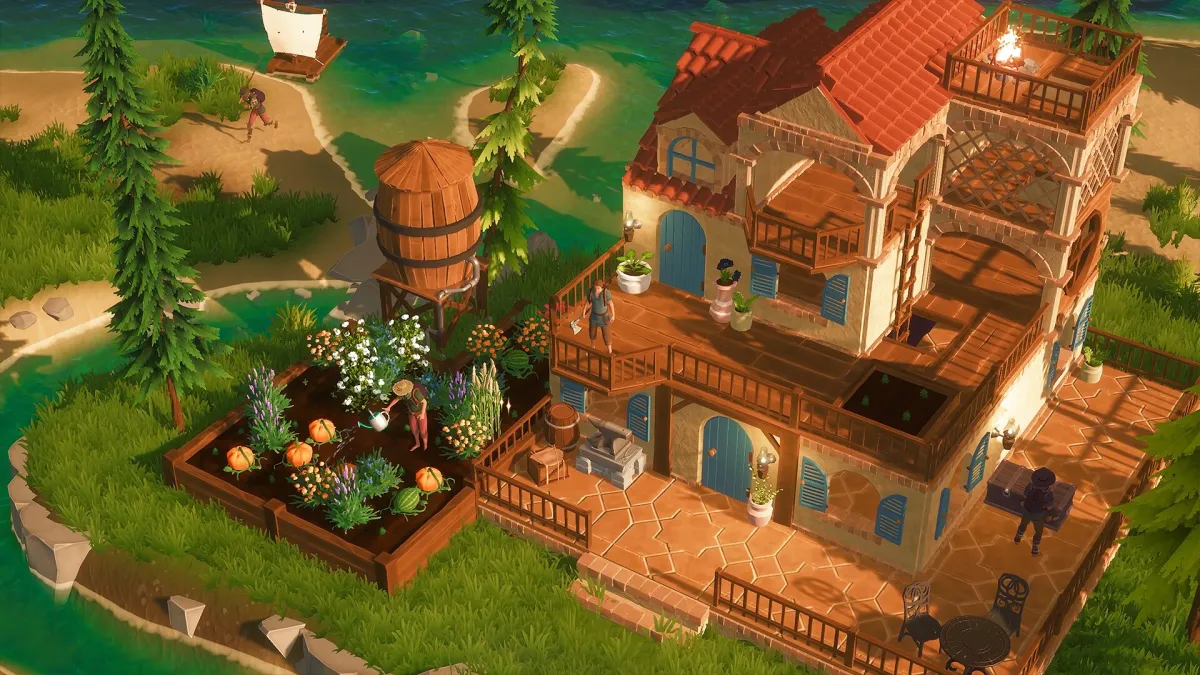
The story of Len’s Island
When last I spoke to Len’s Island creator Julian Ball, he told me he’d needed to enter hospital for help dealing with stress. Creating the game with a minimalist team – at one point, in solo mode – had taken its toll, forcing him to reckon with his health.
The game was a significant undertaking. It was backed by a strong vision, and ample ambition: to create a new experience in the survival-crafting genre that was fully-featured, vast, and endlessly creative. With a lack of experience in game creation, Ball admits it was a near-impossible undertaking.
But even facing this mountain, needing to learn skills from scratch, Ball eventually managed to launch Len’s Island into the world, expanding Flow Studio in the process. Over a four year period, the game has evolved. It recently exited early access, fully-featured, and fully-encompassing Ball’s early vision.
Working health into the game development process
Like Len’s Island, Ball himself has also grown and changed, with that four year early access period allowing for introspection. As he told me, he’s immensely proud of the work he put into Len’s Island, and how he was able to plow ahead, full throttle, to realise his game creation dreams.
But the process has also inspired new thinking, and a desire to create games more sustainably. After several years ‘working to the bone’ to get the game across the line, he’s now focussed on more sustainable output, and looking after himself better in this process.
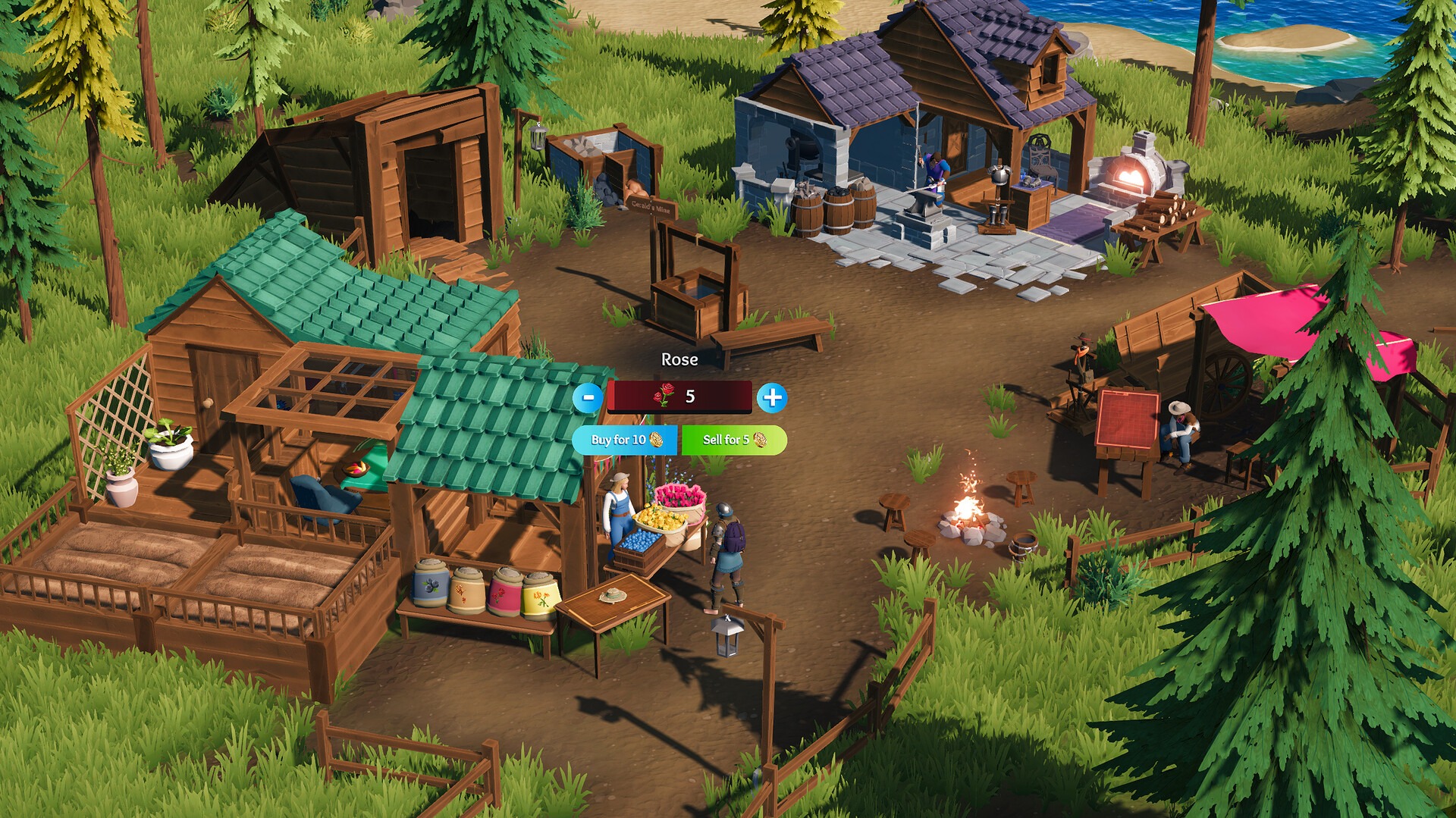
‘It was definitely under immense stress, time pressure, and financial pressure,’ Ball said of Len’s Island‘s development. ‘I’m very much looking forward to what Len’s Island, and what our other games, look like in a much more sustainable ecosystem, building things with more time, with less pressure, and having room for creativity.’
Health is now a big priority for Ball, with ‘non-negotiables’ in his daily life helping him to better manage stress, overall – even while it remains present. These non-negotiables include exercising consistently, meditating, and ‘just simply having some peace and quiet, and thoughts to myself.’
‘When it feels like your whole life, and the whole purpose of what you’re doing is coming to a single point, it’s sort of like all that stuff goes out the window. When I was [first] doing Len’s Island, I would forget to have meals and eat properly, and I wouldn’t go outside for days at a time. Doing those sorts of things prolonged, for years, causes a lot of problems.’
But with time and new understanding, Ball has been able to step back and create more separation in his work day, leaving time to be healthier, and happier.
‘I’m a lot healthier, both physically and mentally,’ Ball said. ‘I can definitely notice a much bigger difference, where I can still work hard, long hours and get very immersed in something, but at the same time, I have limits and restraints. I’m able to do things effectively, rather than just throwing my body at a wall and doing it over, and over, and getting things done by brute force.’
‘Maybe instead of working 14 hours today, let’s drop it down to 10, but make those 10 hours a lot more effective, and then spend those other hours resting, recouping, managing my body and my health. It’s been a very big transformation that I’m still learning and understanding – that my healthy is my priority.’
Ball said he probably couldn’t have run a kilometre when he first started Len’s Island. Now, he runs ‘all the time’ and feels like a much healthier person because of it – in his heart, and his head.
Len’s Island and the benefit of community
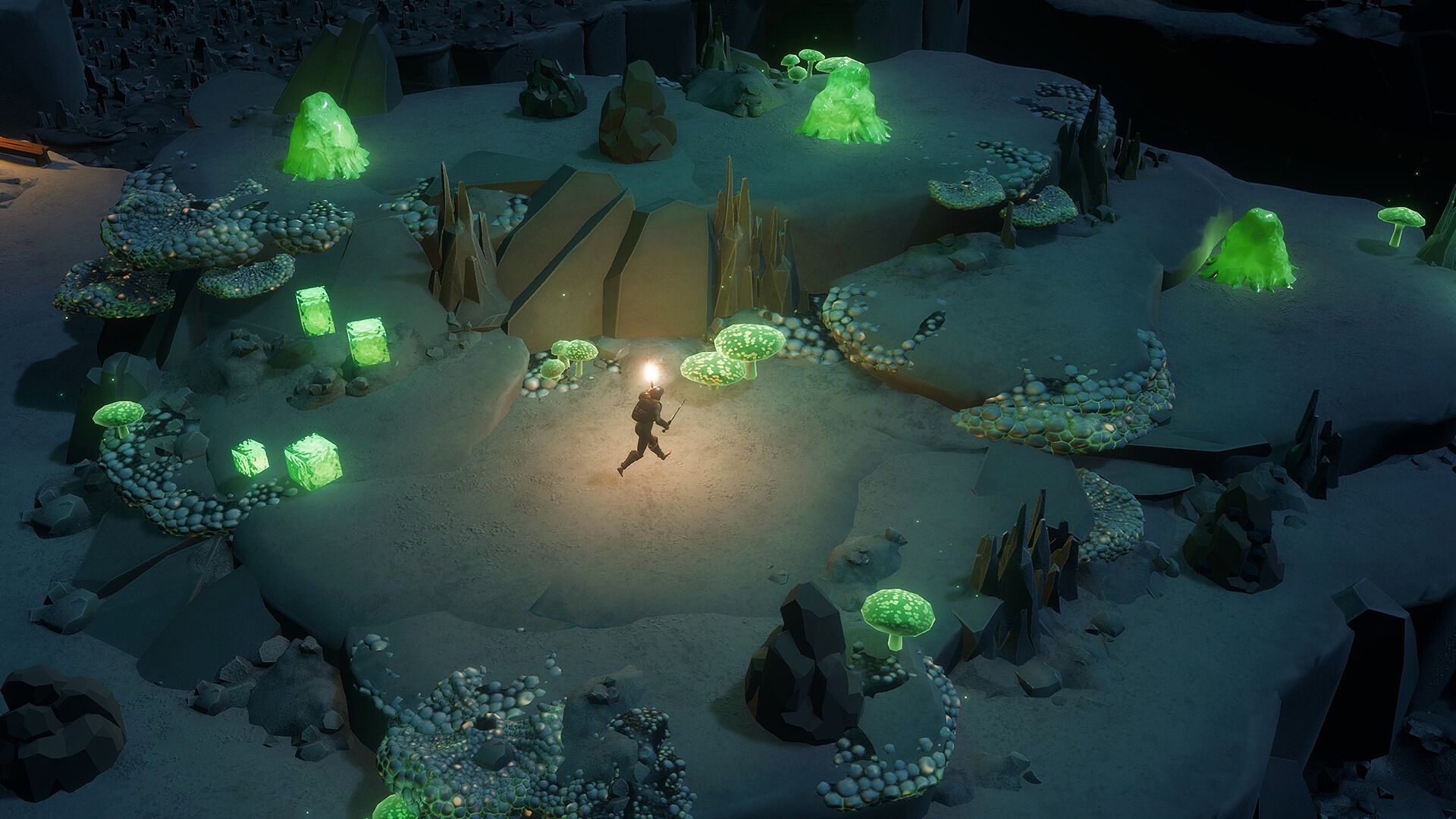
Per Ball, games that follow will benefit immensely from the work put into Len’s Island, including his own introspection, and everything shed to help realise this game’s vision. His hospital stay, for one thing, illuminated a need for help, reshaping Len’s Island as it progressed in development.
While the game started as a solo project, Ball eventually took on help, expanding Flow Studio to work alongside a wider team, more hands making lighter work.
During the peak of the game’s development, Flow Studio grew to around 13 developers, allowing for implementation of new features, tweaks based on player feedback, and much more besides. The studio has since settled to become a smaller group, with four developers based in Australia, as well as Switzerland. (Ball himself recently moved to Switzerland, for a change of pace.)
With a small, tight-knit team, the game’s vision was focussed and evolved. Player feedback also played a key role in this development, with the game’s community helping to shape what Len’s Island has become. Working alongside community had a way of sharpening the studio’s approach, and allowing the team to grasp at a more complete version of the game.
‘I think it’s inherently really difficult … it feels like you’re never correct, or you never really come to a finished solution for anything, because there’s always another opinion,’ Ball said of the iterative process. ‘It can become very difficult to maintain that North Star as a game developer, not go a bit crazy thinking you’re wrong, and everyone is right. But I’m really happy with how much … Len’s Island has really evolved and changed, based on community feedback.’
Working with community also helped to identify unique patterns of player behaviour, and the unexpected ways some were interacting with the game – finding ways to min-max building or dungeon crawling, or completing tasks in a peculiar order. This was part of the final puzzle to bring Len’s Island together, in a way that allowed Ball to feel the game was truly ready to leave early access, four years on.
Taking Len’s Island out of the oven
That concept of ‘game readiness’ haunted Ball over the game’s four year early access stretch. How did he know when the game would be ready? When would it be time to ease off the pedal? Initially, the game’s early access period was planned to be significantly shorter. Ball had aimed to release the full game in around two years.
‘For me, it was less of knowing when the game was ready, and more knowing when the game wasn’t ready,’ Ball admitted. ‘We had all of these sorts of marked release dates. Originally, we wanted to release in 2023, and then 2024 … every time those milestones came around, I asked myself a question. Am I proud of this? Is this finished? Every time, I said no.’
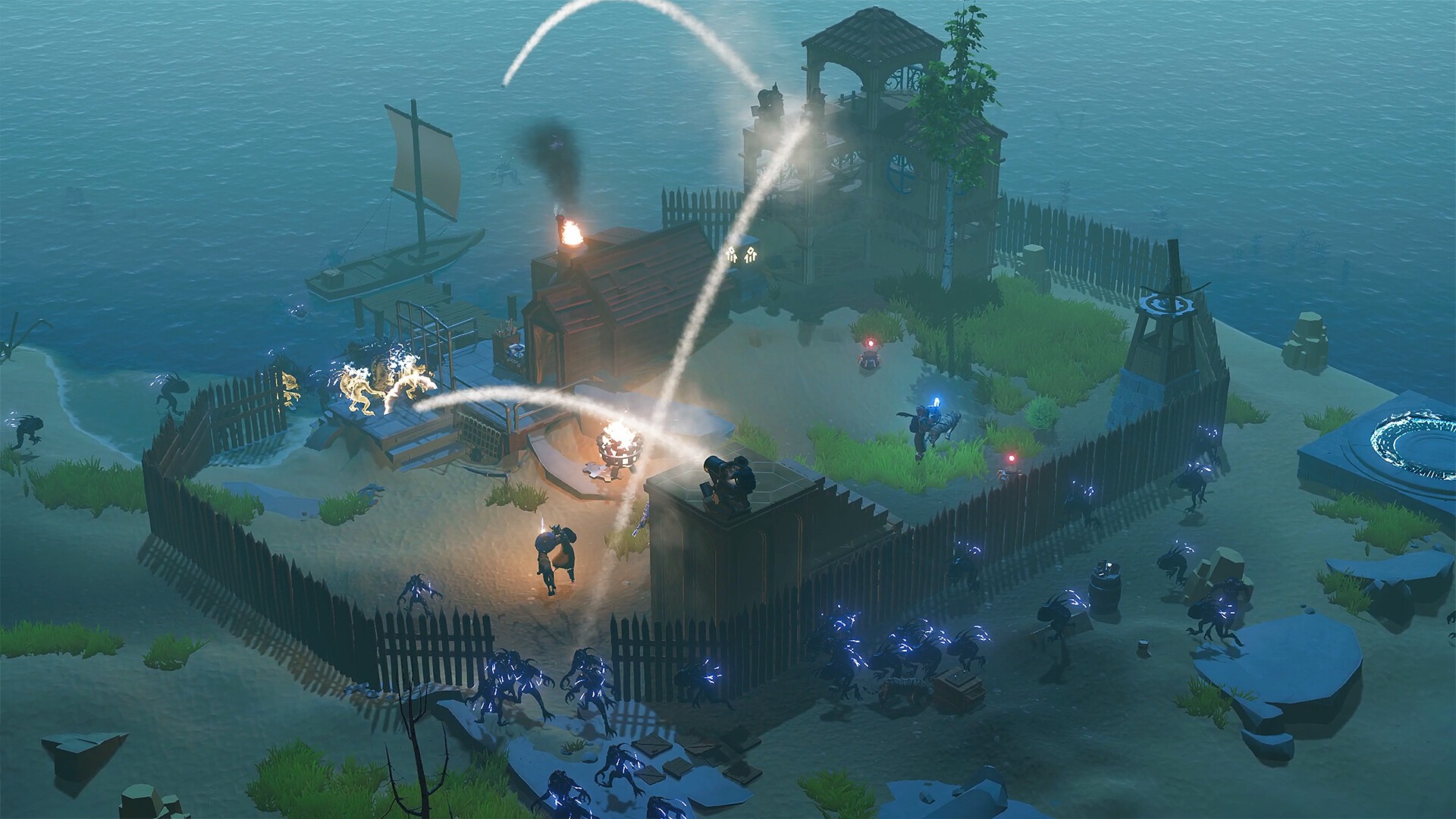
Then came the issue of money, and the pressure that comes with having a slim runway. Ball would look at the studio’s bank accounts, and how much time was left, and that was getting shorter and shorter. The studio had to get creative and money smart, but not at the cost of sacrificing quality, or leaving the game’s vision by the wayside. With runway approaching fast, the team doubled down on development in the final years of early access, using ‘light bulb’ moments – like the fun of multiplayer gameplay – as a guide to capture the essence of Len’s Island, and what it could be.
‘It was only a couple of months before release where it started to feel like Len’s Island was becoming finished and polished, in a bow,’ Ball said. ‘It would have been down to the last couple of weeks, right at the end, where it’s like “oh, okay. I think we’ve actually done it.” Then we had a little bit of time at the end to polish and double check everything, and fix some last bugs. But it really did feel like the soonest Len’s Island could have possibly released … was when it did.’
Even with Ball now considering Len’s Island ‘done’ there are still ideas playing on his mind, for new and bigger features that didn’t quite get through the door. Plans are already underway for a big end-of-year update inspired by community feedback directly, with players consulted in an open panel, livestreamed session.
‘When I think about the future of Len’s Island, it’s putting more in there, and keeping the recipe and formula the same,’ Ball said. ‘Simply having more gameplay, and more depth, and more fun.’
Of course, what comes after is equally exciting for Flow Studio, with other games also gestating. Once Len’s Island is ‘bug free and stable’ – and possibly on more consoles – Ball and the team have ambitions to work on other games, with a more sustainable, healthier approach. He remains proud of the work he undertook to create Len’s Island, and it’s this game that will serve as inspiration, and the core learning lesson, for a brighter future at Flow Studio.
‘The thing that actually made Len’s Island exist was the thought of “I want to challenge myself and make my dream game, and if I can make my dream game, that would be extraordinary. I would be really proud of myself.” I have to remind myself that when I started making Len’s Island, I was a complete novice game developer. I learned on the job. Len’s Island is my very first game, and I just happened to pick a very big, complex game as my first,’ Ball said.
‘Throughout this whole journey, I never had any expectations of success or money, or what my life would be. The only expectation I had was, if I can get this game done, I’ll be proud of myself. If not, I won’t. That was it. It was pretty simple. So for me, just getting to the end point, finishing Len’s Island … it just feels like a massive win. Everything else sort of falls in the background, and doesn’t really matter so much.’
‘I’m really happy I was able to do that. I was able to give the world something new, where hopefully, there’s a new bit of art in the world that people can play and enjoy, and talk to their friends about, and have fun with. Art that can give other people a lasting memory.’
From here, the only path is forward.
Len’s Island Version 1.0 is out and available on PC.