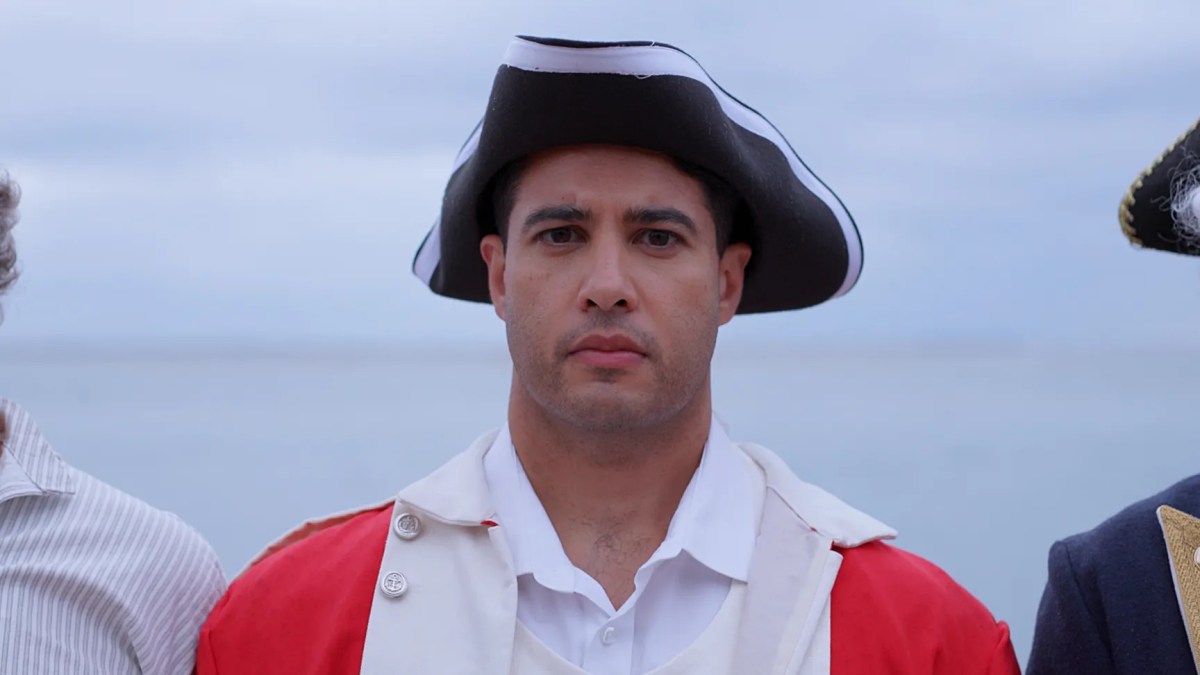
Despite what two decades worth of talk about ‘prestige television’ would have you believe, for most of us television is basically comfort food. We want to watch familiar things that are just fresh enough to offer the promise of a surprise without actually delivering one. We want something new, wrapped in something we already know. Which brings us to the new season of Stuff the British Stole.
Each week, host Marc Fennell travels the globe to find something new that the British stole from one of their colonial possessions. It’s an entertaining and informative history lesson wrapped in a moral: colonialism is bad. And if you disagree, why are you watching a show titled Stuff the British Stole?
Stuff the British Stole – quick links
Stuff the British Stole
Behind the premise there’s a wide range of stories to tell. The first episode of Season 3 dives deep into the history of tea (turns out it has a shady past), while future episodes range from lifting the lid on Captain Cook’s shady shenanigans to how the Rosetta Stone ended up in the British Museum (and why it’s so important) and the story of a meteorite that fell from space to land in Cranbourne in Victoria, only to find its journey wasn’t quite finished.
It shouldn’t be revolutionary viewing. But for decades we were told this was the kind of television we were meant to be leaving behind. Whether the future was going to be reality television or prestige drama, it was going to be surprising and new – not Marc Fennell telling us that a lot of tea came from China.
The changing landscape for Australian television
The forces driving these big changes are still working their way through television. Streaming really is the way of the future; experts are taking bets on when the current television networks will abandon terrestrial broadcasting and move their operations entirely online. In a decade’s time, you may have to get your comfort viewing from the internet whether you like it or not.
With streaming – or more accurately, with streaming services – came a different way of attracting an audience. At first, quality drama was the way to go. As streaming services were something that people chose to pay for (unlike broadcast television, which was just there when you turned on the television, with advertising paying the bills), the idea was to creating programming so good people would happily subscribe to watch it.
For a while, it worked, even if the vast majority of viewers were still watching the same old shows. And with prestige shows creaming off the top layer of viewers, networks around the world looked towards cheaper – that is to say, reality – programming.
Long waits and lack of stability
Australia is now one of the more extreme examples of a global trend. Prime-time free-to-air programming here became basically all reality programming, while the more expensive scripted dramas moved to streaming (or the ABC).
As their audience matured, the needs of the streaming services changed. They didn’t need to attract first-time viewers, they needed to get new viewers to replace the old ones who drifted off. Which meant their original programming was much more about creating the next big thing rather than keeping the old big thing going. Everything was new; almost everything was axed after the first season.
This caused a bunch of flow-on effects. If a streaming service is waiting to find out if a series is a hit before they decide to do a second season, that results in a big gap between the first and second season. Nobody’s going to start serious work on something if they don’t know whether it’s going to come back.
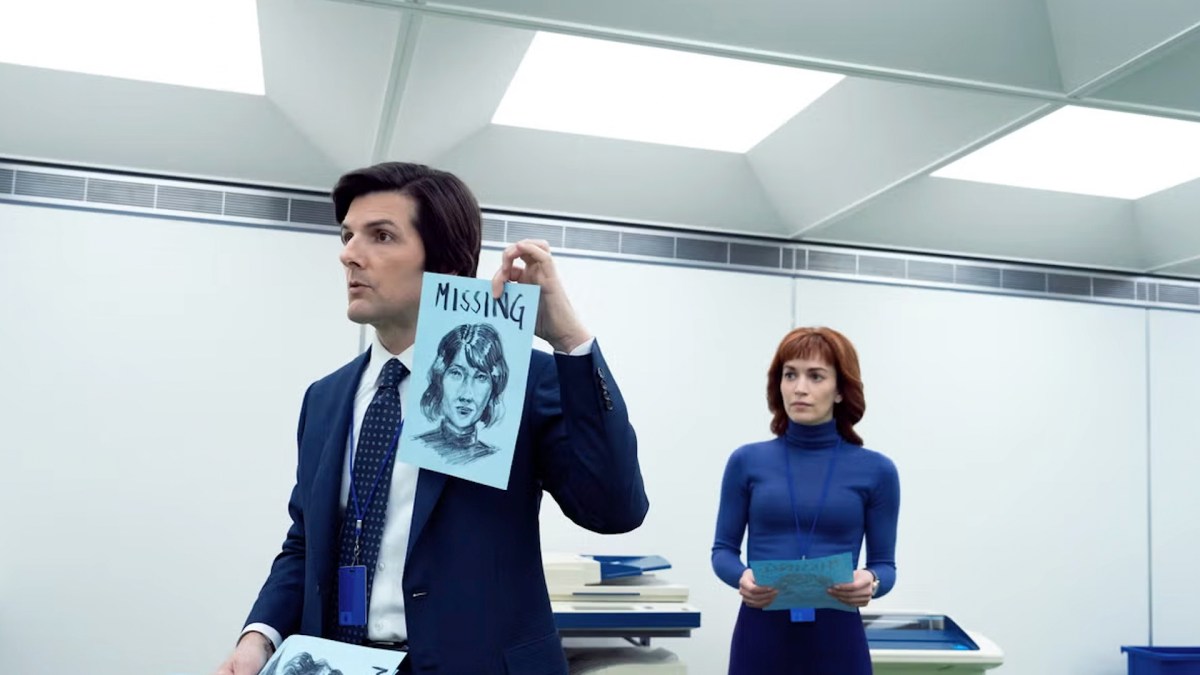
So even if a show was a hit, it was a long wait between series (remember Severance?). Which often meant by the time it came back it was no longer a hit (remember Squid Game?). Which turned a large chunk of television into all-new series that vanished after the first season whether they were hits or not.
That definition of comfort viewing from the start of this piece? These shows were the opposite of that.
The need for reliable familiarity
It left viewers latching onto anything that promised reliability and stability, and gradually the pendulum started to swing back. A large part of the praise for US medical drama series The Pitt has been based on two factors: the seasons run for a relatively long time, not the six or eight episodes that have increasingly become the norm, and the show returned for Season 2 less than a year after Season 1.

While there isn’t a lot of overlap in subject matter between The Pitt and Stuff the British Stole, they’re both tapping into the same vibe. Fennell’s series leans on a solid, non-flashy format and promises the audience something they’re already familiar with, but within those parameters there’s still enough fresh material to keep audiences paying attention.
Stuff the British Stole is perfect viewing for this moment: there’s enough stolen stuff for the series to run forever, but there’s just enough variety to keep it engaging, even though by now we all know exactly what we’re going to get from it.
Well, apart from all that stuff about how the British tea traders turned into massive drug dealers, that was a bit of an eye-opener.