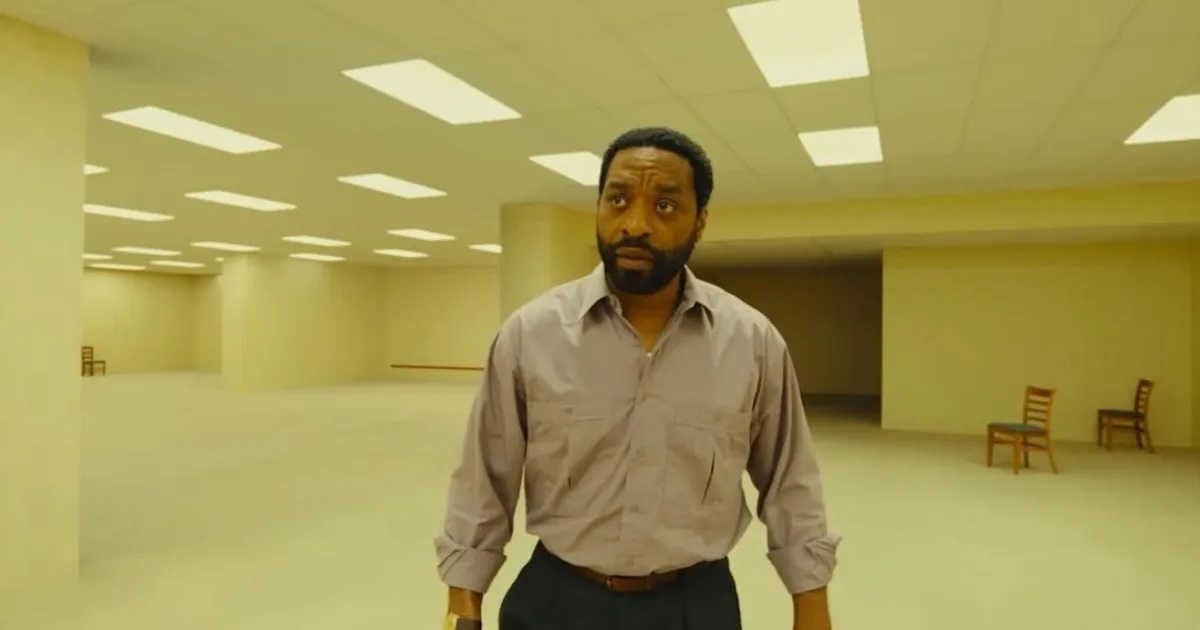
Original stories are back on screens in a big way, and Obsession and Backrooms are the films to prove it – or so says the buzz surrounding 2026’s two breakout hits.
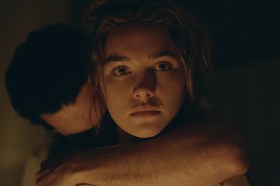
Helmed by directors in their 20s (only just, in 21-year-old Kane Parsons’ case), the horror smashes currently sit in the global box office’s top 10 for the year. Obsession has made more money than Star Wars: The Mandalorian and Grogu, and both it and Backrooms have bested the latest Scream, Mortal Kombat and Masters of the Universe instalments.
It’s a great story. The response to Curry Barker’s monkey’s paw-style flick and Parsons’ big-screen descent into liminal terrors is indeed evidence that viewers want more than just a never-ending cycle of marquee listings on par with the Jaws 19 gag in Back to the Future Part II.
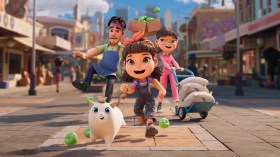
But in audience affections, embracing newcomers and enjoying sequels, remakes, revivals and reimaginings isn’t binary. The Super Mario Galaxy Movie is still the highest-grossing film of 2026 at the time of writing. The Devil Wears Prada 2 sits fourth, and Toy Story 5 is already in the top 10 a mere week into its release.
And, no matter what’s packing out picture palaces, it’s perfectly okay to get excited about both sides of the original-versus-existing IP battle.
Originals and remakes – quick links
Franchise fatigue is real but…
At the beginning of The Death of Robin Hood, its namesake is weary – from years of the outlaw life and the costs of such a violent existence, primarily, but also of the accounts of his endeavours that have become myths. In the wizened mode that also served him so well in Logan, another movie about a hero reckoning with his past, Hugh Jackman ensures the lethargy is palpable.
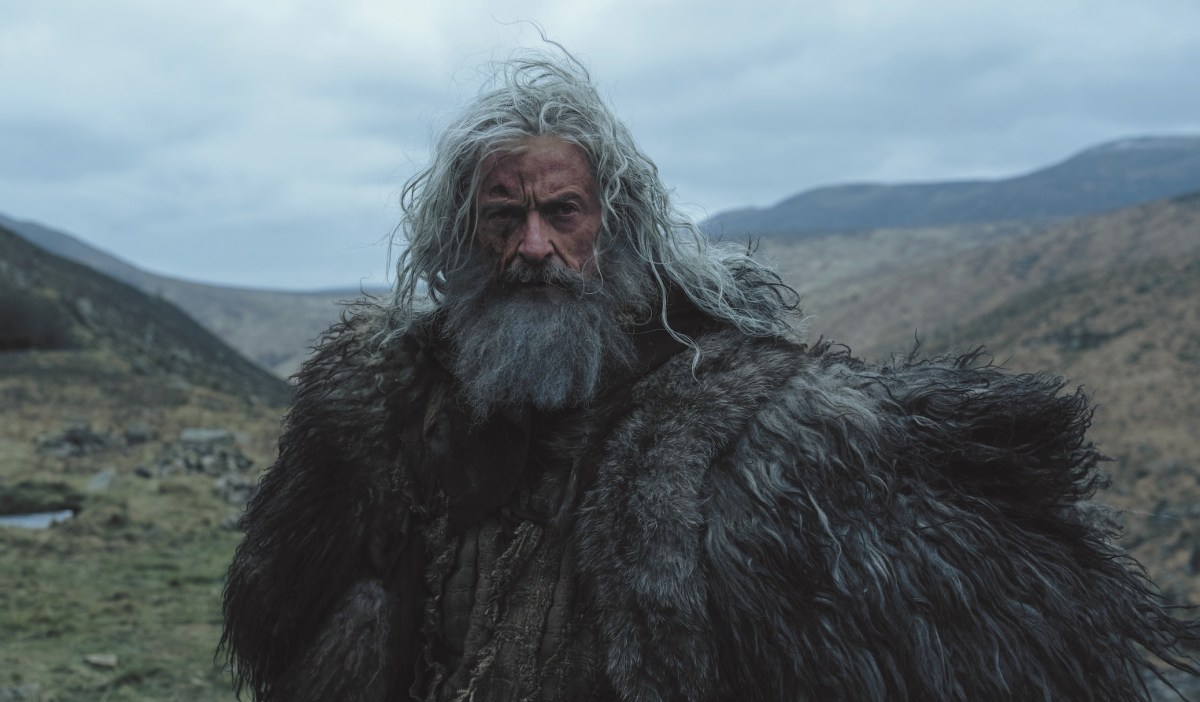
A later-in-life Robin Hood should be tired. Viewers can easily understand why being the subject of countless stories could be specifically exhausting, though, because we’ve watched retelling after retelling ourselves. Writer and director Michael Sarnoski, whose previous film was franchise effort A Quiet Place: Day One, cleverly uses that recognition – relies upon it, even – to deepen his Robin Hood’s emotional journey and its resonance with audiences.
Viewers aren’t just aware that they’ve seen Sherwood Forest’s most famous figure ample times before, including recently. That everything old is always new again is pop culture’s enduring status quo in general, especially when we live in a time of 38-movie-strong franchises (a record that Spider-Man: Brand New Day will notch up for the Marvel Cinematic Universe in July).
That’s to say nothing of the sequels-with-the-same-name-as-the-original trend (see: 2018’s Halloween, 2021’s Candyman, 2022’s Scream, 2025’s I Know What You Did Last Summer and 2026’s Scary Movie).
As a result, keeping up with sprawling franchises and feeling suitably prepared to watch new chapters can resemble homework (even more so, when, as in the MCU’s case, there are also interconnected TV spinoffs furthering the story).
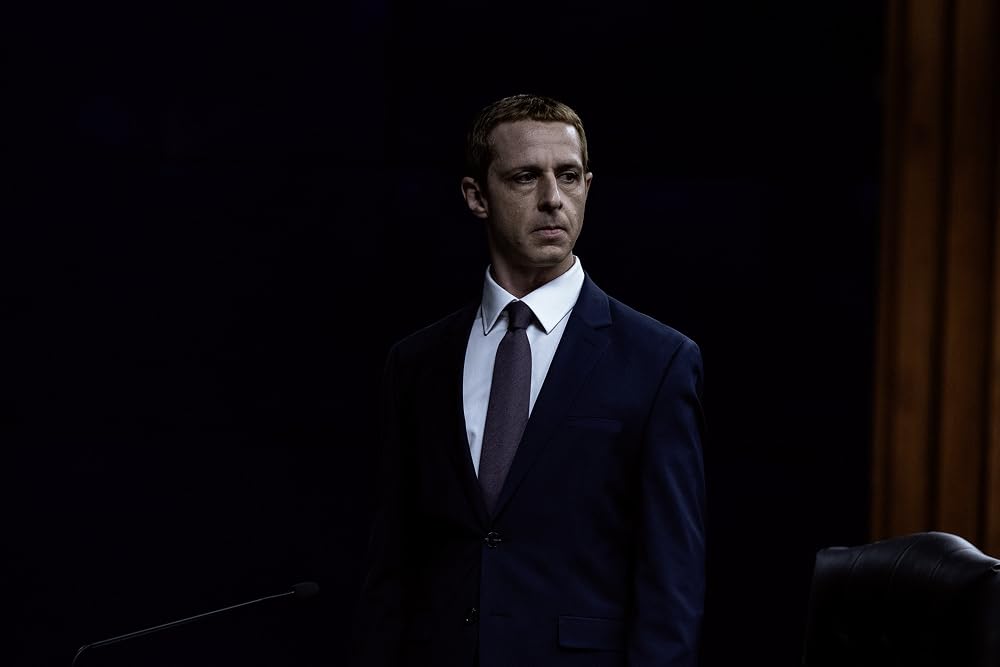
The fatigue is real for audiences, and Hollywood has the lack of financial receipts to back it up. Cue tactics such as ditching numbers from the end of sequel titles or using the term ‘companion piece’ instead (as seen with upcoming The Social Network follow-up The Social Reckoning). Cue, too, rampant cynicism when the latest takes on even widely beloved favourites are announced – particularly if they fail.
A recent case in point stems from the television realm. When it was announced earlier in 2026 that new TV series Buffy the Vampire Slayer: New Sunnydale would no longer be going ahead, despite featuring Sarah Michelle Gellar’s return and boasting Oscar-winner Chloé Zhao as the pilot’s director, attitudes bordered on gloating.
Not wanting to see a TV show that you love potentially tarnish its legacy is understandable. Feeling burned by other reboots of 90s fare is as well. But so is wishing that New Sunnydale had made it to the screen, and that another Buffy entry will still carry on the slayer legacy in the future.
Buffy is a success story for finding new ways into established IP, after all – otherwise, following the 1992 film, the television series of 1997 to 2003 wouldn’t exist.
What’s genuinely original anyway?
In Backrooms, part of the unsettling sensation that lingers so unshakeably throughout the film – eating at everyone who slips through the wall on the bottom level of Cap’n Clark’s Ottoman Empire, and at viewers as well – is familiarity. The movie’s titular space looks like any-slash-every average beige-hued office or retail area, but its details and inhabitants are off (to put it mildly).
As every version of Backrooms has, including the meme that started it all and Parsons’ webseries, the movie capitalises upon that feeling. What’s more perturbing than realising that everyday spaces that no one thinks twice about, and that are pervasive in our routines, are inescapable mazes and nightmares?
As a film, Backrooms layers in an extra level of familiarity – because as much as it is being championed as a win for original cinema, that meme and Parsons’ webseries definitely got there first.
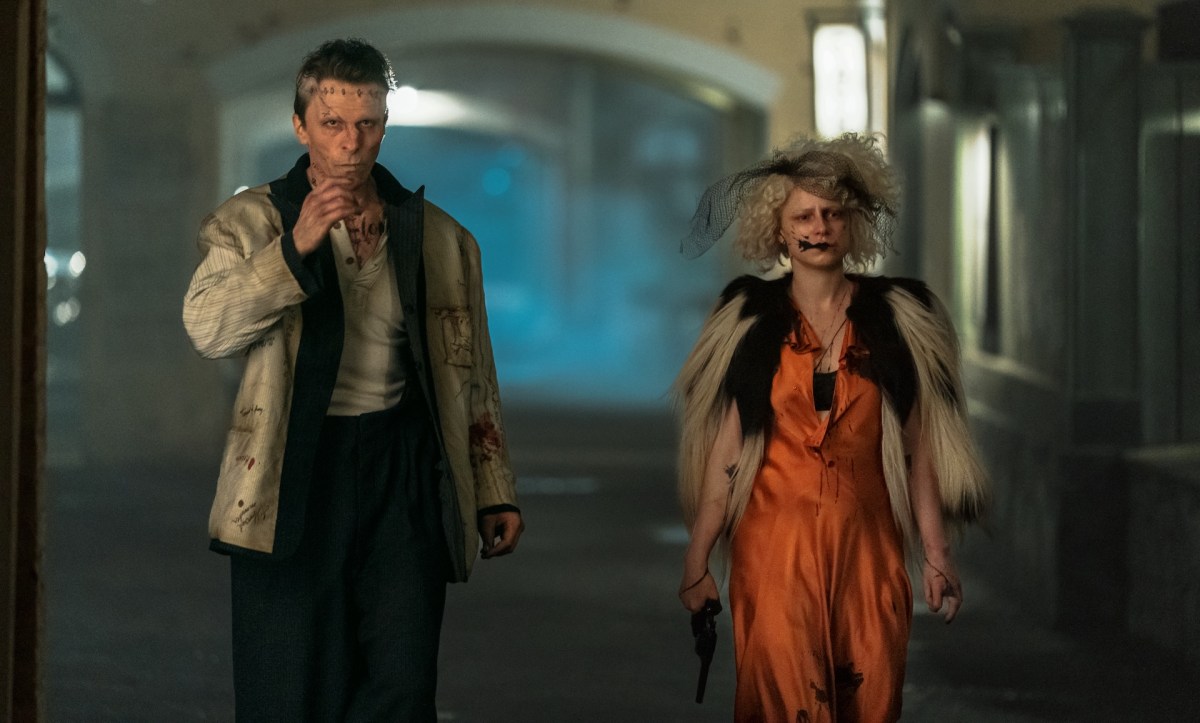
Even when audiences aren’t watching The Bride!, the remake of The Bride of Frankenstein, or Lee Cronin’s reimagining of The Mummy, or horror sequel Ready or Not 2: Here I Come, among 2026’s other cinema releases so far (and among horror’s fondness for do-overs and follow-ups), we’re often still watching a movie that owes a debt elsewhere and even openly trades upon that recognition.
Biopics like Michael, book adaptations such as Project Hail Mary and Wuthering Heights, the video game-inspired Iron Lung and Exit 8, and spoofs like Fackham Hall are straightforward examples.
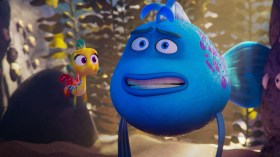
Studios and filmmakers with well-known trademarks equally count. That Pixar loves exploring the inner worlds and emotions of items and creatures that aren’t typically ascribed them is among the drawcards for each of its new movies, including this year’s Hoppers.
Similarly, Disclosure Day is Steven Spielberg’s return to alien tales, after Close Encounters of the Third Kind, E.T. the Extra-Terrestrial and War of the Worlds made such stories a must-see for many cinemagoers.
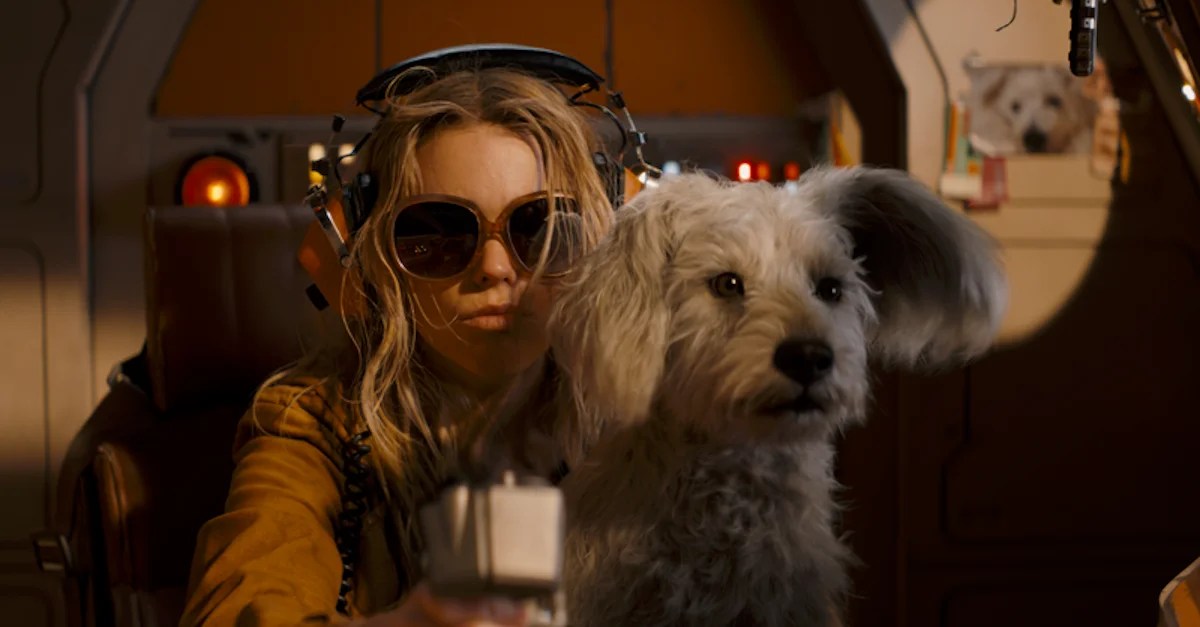
In plenty of instances, even when viewers are sitting down to a blatant franchise entry, it isn’t solely nodding to and riffing on its own immediate predecessors. The new Supergirl feels generic not because it’s another Kara Zor-El story or another superhero movie, but due to its overt traces of John Wick and the Mad Max saga, and also westerns like True Grit.
For Minions v Monsters, Old Hollywood, silent comedy icons Charlie Chaplin and Buster Keaton, cinema-loving musical masterpiece Singin’ in the Rain and also 2022’s Babylon are as evident influences as prior Despicable Me and Minions flicks.
Are there only five, seven or another fixed number of basic stories anyway? That’s the theory espoused by Kurt Vonnegut, Christopher Booker and more. It quickly springs to mind with Obsession, in fact, given that the film’s narrative is hardly unique, running with a careful-what-you-wish-for concept also seen in The Craft and an episode of Buffy.
Building, not just rehashing
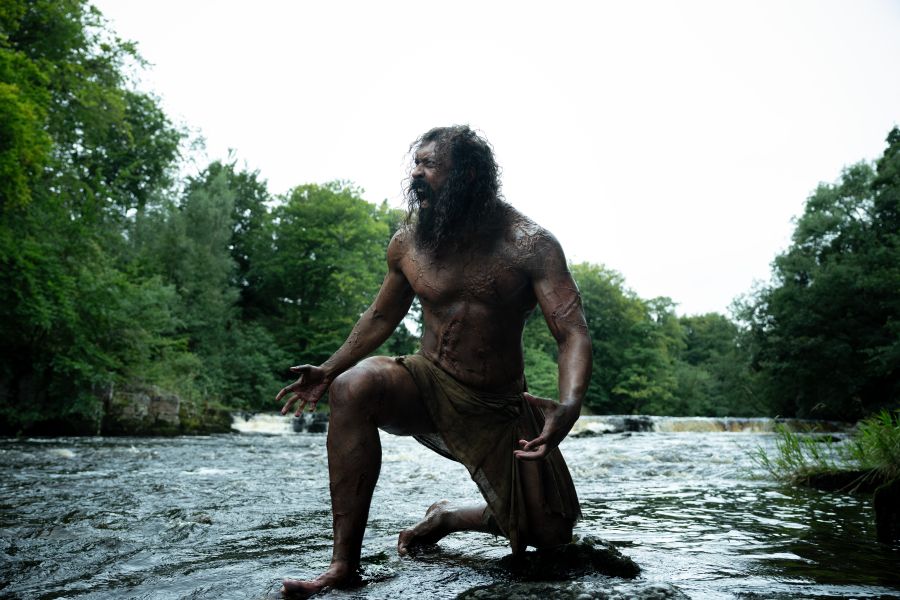
When 28 Years Later arrived in 2025, Danny Boyle and Alex Garland could’ve shuffled in the obvious direction, unleashing more of 28 Days Later’s flesh-munching masses upon urban spaces, or instantly reuniting with Cillian Murphy’s bicycle courier Jim.
But with 2007’s underwhelming 28 Weeks Later already blighting the zombie franchise’s history, they swerved wholeheartedly towards new terrain – towards the communities and convictions that dwell three decades after an infection ravaged the UK.
A remarkable sequel, 28 Years Later was swiftly backed up by another in 2026’s 28 Years Later: The Bone Temple. Each boldly built upon, rather than repeated, the movies before them. In the process, they made certain that any echoes, whether thematic, emotional or in character and narrative details, were purposeful and substantial rather than obligatory or lazy.
Boyle and Garland’s welcomely resurrected horror saga actively confronted what it means to endure, too, and the costs and sacrifices. Follow-ups simply don’t get any better.
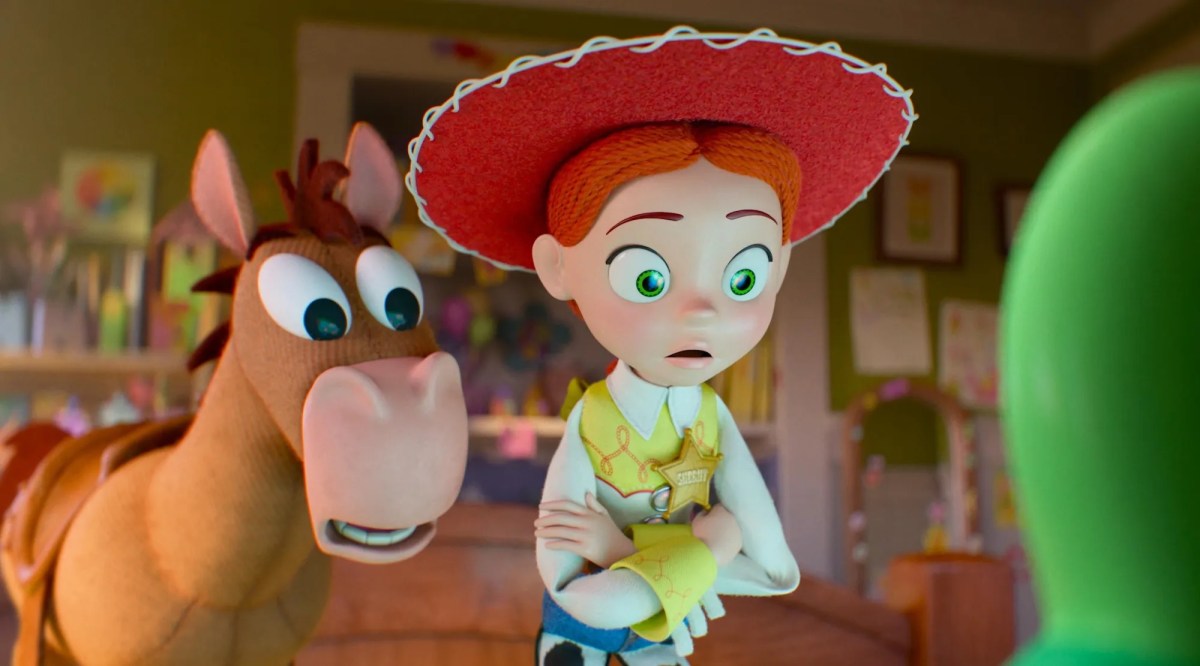
The very best next instalments and new iterations, whether sequels or adaptations of popular stories, frequently grapple with ideas of legacy and following in footsteps – and of recurring cycles and knowing when to break away.
These concepts fill Pixar’s Toy Story films, including the wonderful Toy Story 5. They’re stitched into every piece of the movie that Guillermo del Toro has spent his career striving towards, his Oscar-winning Frankenstein.
They thrum within everything from The Godfather Part II and Mad Max: Fury Road to Denis Villeneuve’s Blade Runner 2049 and his Dune: Part Two (and, from trailers so far, Dune: Part Three). When Twin Peaks returned in 2017 with the 21st century’s greatest screen achievement yet, the same notions haunted David Lynch’s magnum opus also.
Each of these next chapters appreciates that they haven’t gotten to where they are all by themselves, then relishes the challenge of examining that fact to push forward – which is exactly what outstanding sequels, remakes, revivals and reimaginings should do, and what audiences should keep hoping for.
Is it glaringly apparent that almost every movie these days is a follow-up, reboot or the like, and nearly every TV show as well? Has shamelessly mining any and all existing IP to profit from established fanbases become the industry template? Are there far too few genuinely original stories reaching screens big and small amid this cash grab? Is it deeply dispiriting that the familiar, rather than the new, monopolises popular culture? The answer to all of the above is, of course, yes.
But can revisiting the screen’s past still give rise to not just the fresh but the glorious and the thrilling? And should we remain committedly excited about that possibility, whether for a new Resident Evil or Shaun the Sheep movie, a Friday the 13th prequel or a My Brilliant Career adaptation (or anything else in the works that’s nowhere near brand-new)? Also yes.
Streaming series Widow’s Bay, another of 2026’s new sensations and screen success stories, actually provides a stellar example of why. While the Apple TV original isn’t a follow-up in any form, it began as a spec script for Parks and Recreation; its vibe leans into a canny mix of that cherished sitcom, Twin Peaks, Lost and Stephen King. Gleeful riffs on Jaws, Halloween, Carrie, The Shining and IT are also among its delights.
Filmmakers and television creators can build upon their inspirations by channelling that affection into new projects, and also by adding to and expanding something that they adore – and, although disappointments will inevitably eventuate along the way, audiences should always want, hope for and look forward to both possibilities.