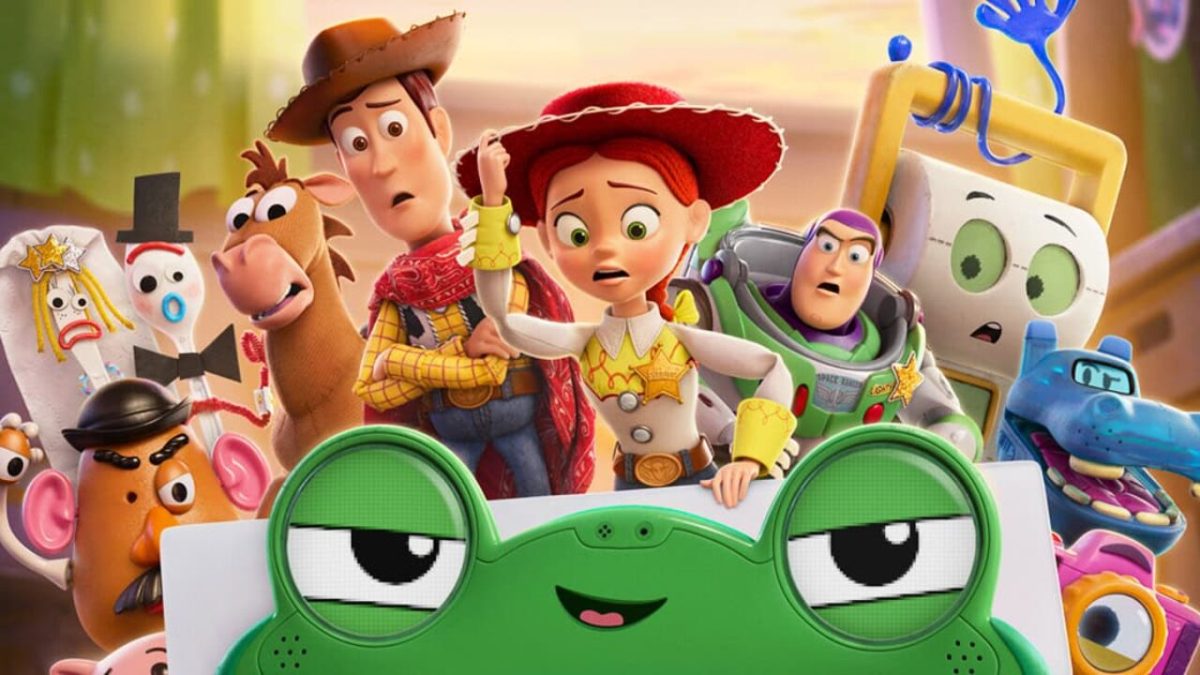
The Toy Story series, much like its original audience, has matured considerably over the last three decades. Ever since the first movie released in 1995, it’s been remarkable for tackling big issues in clever and kid-friendly ways. Now, Toy Story 5 goes another step further, introducing a quiet existentialism for its heroic and ever-growing band of toys.
Where past films focussed on the nature of toys and their importance in the human world, Toy Story 5 asks a more considered question: in the age of screens, are toys becoming obsolete?
Toy Story 5 review – quick links
Tackling the screen problem head-on in Toy Story 5
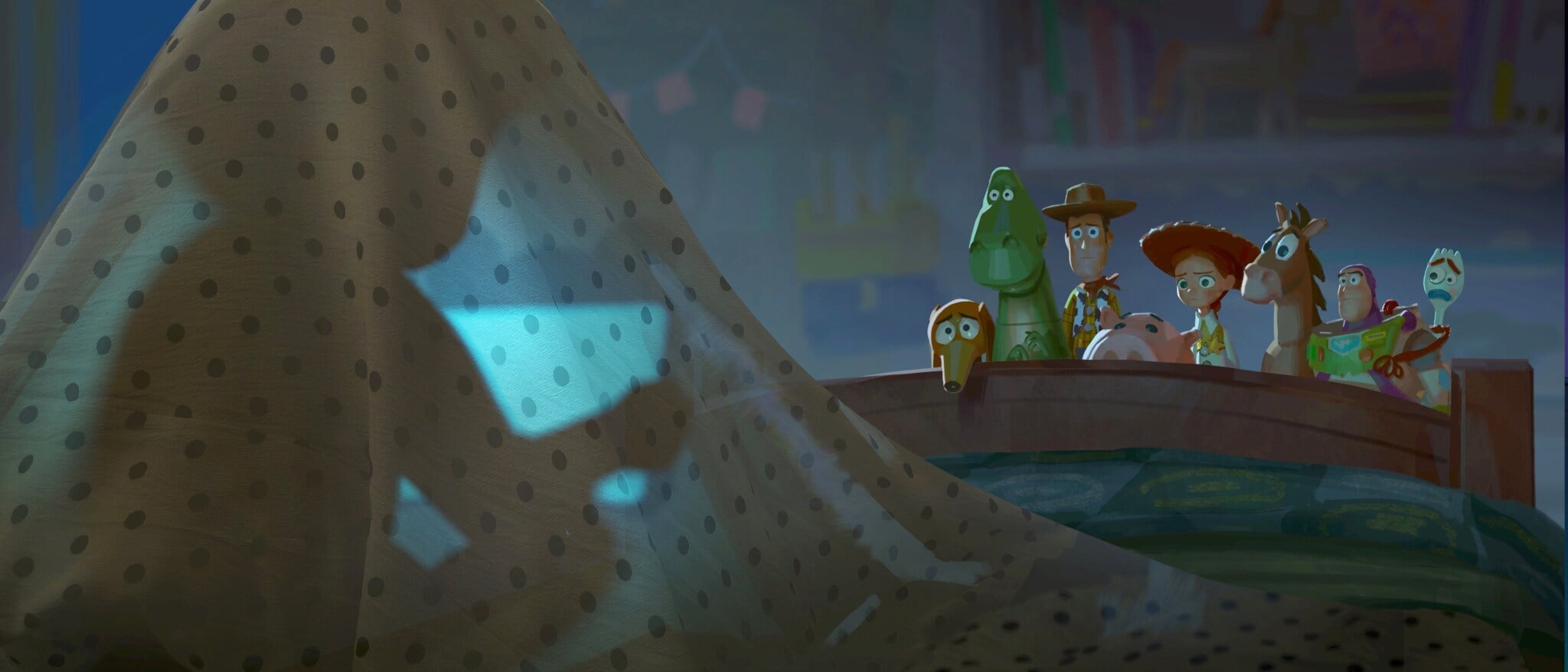
Anyone who’s around kids regularly – whether their own, nieces and nephews, or the children of friends – will know that while toys remain popular, there is another, more powerful force permeating their lives. That’s all to do with modern screen technology, here represented as the smug smart device Lilypad, companion to kid protagonist Bonnie.
Having experienced it myself, I dislike how attached some children are to screens. They can be so flippant with those attempting to interact with them and can appear low-energy and uninterested, enraptured as they are in hyper-coloured, bright and entrancing apps designed to capture attention. Taking the screen away also usually inspires some deep emotional outburst, like being unplugged comes with a physical pain.
Toy Story 5 represents that reality without shying away from the implications.
As the film opens, it explores a world where children simply aren’t playing anymore, and aren’t connecting like they used to. Bonnie, still happy to play with her toys, finds it incredibly difficult to connect with other kids because most of them spend their days on the couch, playing with their various smart devices and rarely interacting.
After Bonnie breaks down to her parents and wonders why nobody wants to play anymore, they decide the best course of action is to purchase a Lilypad, to help Bonnie connect with new friends and stay in touch online. As a result, Bonnie, formerly bright and lively, spends much of the film in a down, zombie-like state, as she’s exposed to the magical but flawed world promised by the screen.
In short order, and despite attempts by her parents to meter out her play time, Bonnie forgets her toys, and even her aspirations to make a friend, inspiring an intervention by Jessie, Buzz, Woody and the rest of the Toy Story gang.
A moving picture of human connection
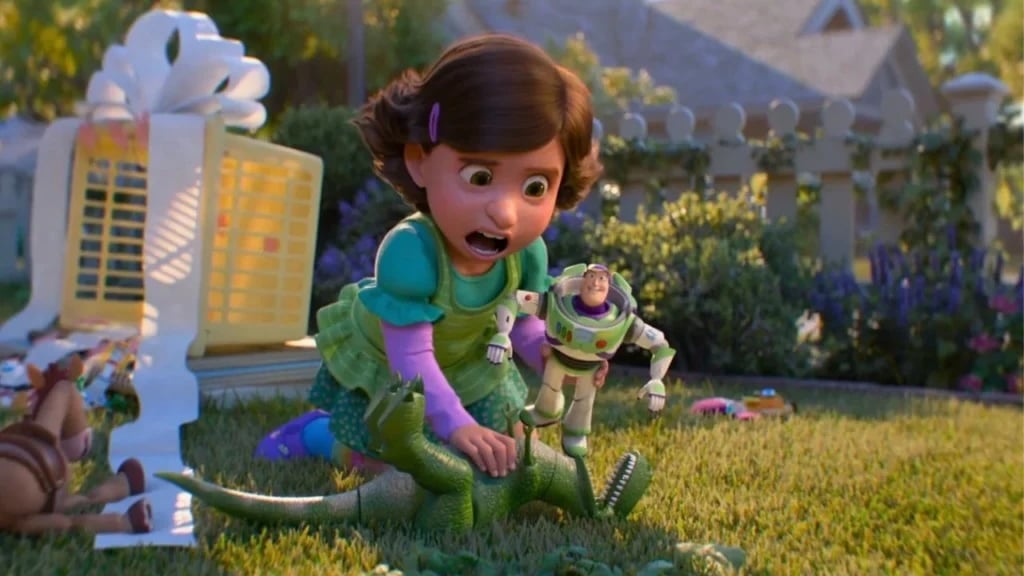
Toy Story 5 does well to limit its scope and tell a more grounded, human story than in past films. While Lilypad is an antagonist, she is not outright villainous. Smug, self-absorbed and selfish, yes. But it’s to the credit of the scriptwriters that she’s presented as a more nuanced, flawed toy than an evil force to be overcome.
The conflict lies more in Bonnie’s emotional state, and how the toys can help her to make friends in an era when traditional, physical play is becoming a secondary hobby.
Cowgirl toy Jessie, the newly-crowned protagonist of the film, is determined to help Bonnie make friends – but real friends, who understand her particular needs. As Jessie says, Bonnie is a different sort of kid. She plays differently. She still enjoys traditional play. And she needs friends who understand that, and who understand her.
It’s particularly devastating to see the impact of Lilypad’s surface-level friendship-making, reflective of how modern online friendships that don’t have a real-world backing can lack cohesion and depth. On a whim, Lilypad connects Bonnie with acquaintances from her dance class, with their online connection leading to only a light, misunderstood ‘friendship’ that eventually causes an even worse breakdown.
As the film says, always being online isn’t a good thing. We need disconnection, and real, tangible chatter and communication to inject meaning in our friendships.
Play can be the connective tissue that brings people together – physical play, dreaming up stories together, and growing with people who understand you and your interests.
Screens aren’t inherently evil, but they should be tempered
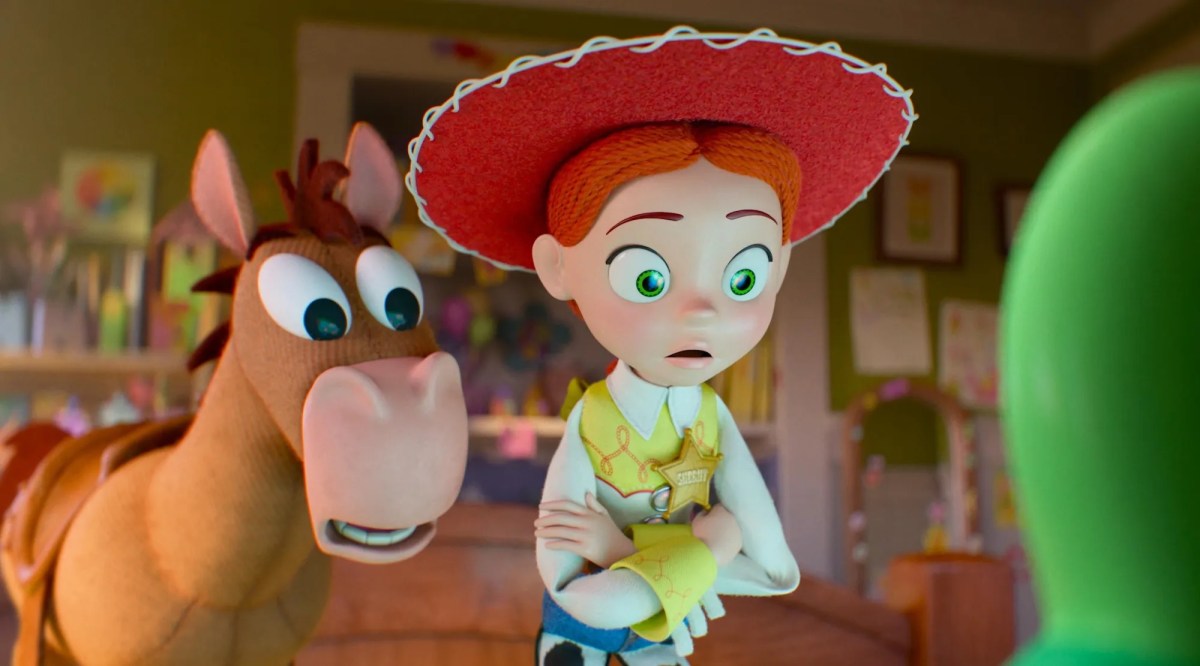
In its approach to Bonnie and her struggles to connect, Toy Story 5 presents a balanced take on the nature of screen play. It acknowledges the reality of modern technology – that kids are already playing on screens and they are entrenched in daily life, and that sometimes you need a screen to facilitate connections.
But it also makes clear that there’s still an essential need for traditional play as a means of character building, to explore identity, and to inspire imagination.
The world of toys is changing. That much is clear. While Toy Story 5 begins with a more nihilist view of this ‘invasion’ it eventually comes to a brighter conclusion, highlighting how digital-assisted toys can introduce their own impactful form of play, taken in moderation.
While the story detours in some occasionally odds ways – like a subplot concerning a batch of new, digital Buzz Lightyear toys that wash up on a shore, Garfield phone style – the crux of this tale is largely focused, and buoyed by a clarity of purpose.
This is a film that seeks to serve both parents and children, underscoring the importance of human connection over meaningless scrolling or idle chatter. With its bright, beautiful and layered animation, it will likely appeal to kids – and hopefully they’ll understand its message of temperance next time they find themselves lost behind a screen.
Toy Story 5 releases in Australian cinemas on 18 June.
Discover more screen, games & arts news and reviews on ScreenHub and ArtsHub. Sign up for our free ArtsHub and ScreenHub newsletters.
Actors:
Tom Hanks, Tim Allen, Joan Cusack, Greta Lee, Conan O'Brien
Director:
Andrew Stanton
Format: Movie
Country: United States
Release: 18 June 2026