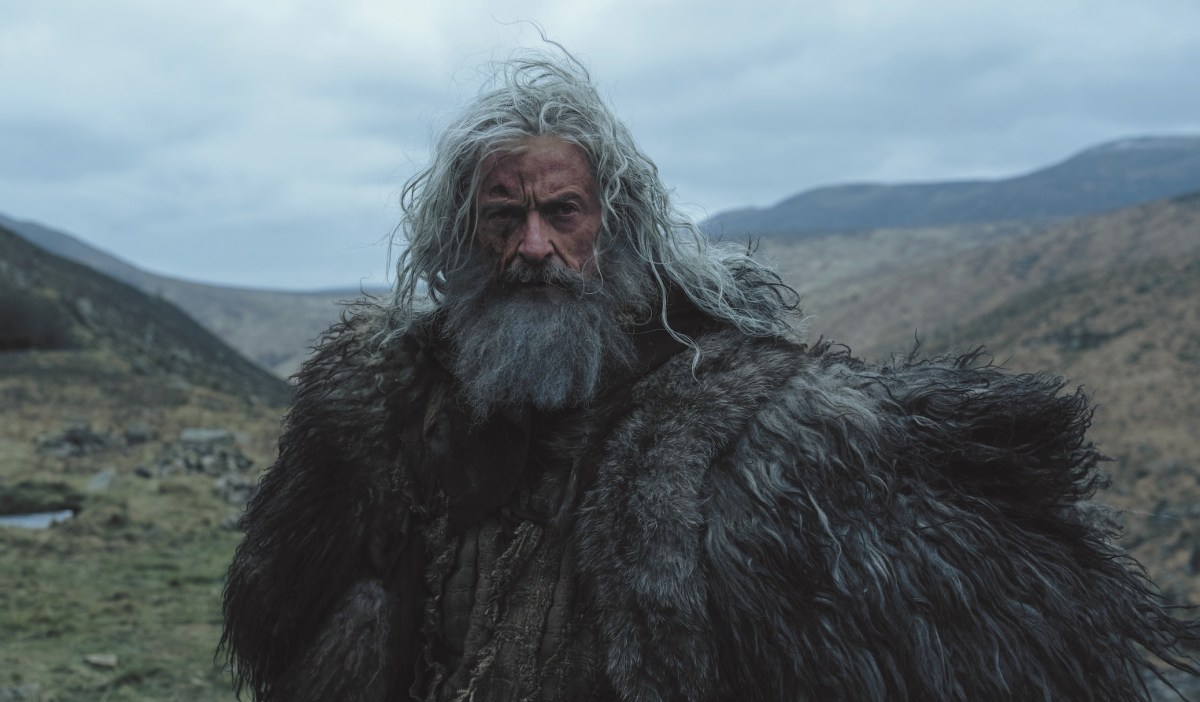
Michael Sarnoski’s The Death of Robin Hood is unconcerned by the heroic mythology that accompanies the more traditional tale of Robin Hood. Instead, it asks: what if Robin Hood was an evil man, who spread his own lies and heroism as a means to trap wayward travellers, and have people follow him into the dark?
This is a version of the character that’s not yet been seen on screen. But it’s not this anti-mythology take that’s really the focus of the story, or its most important aspect. Robin Hood, in this case, is merely a recognisable name to be used in a tale about the consequences of evil actions, and the idea that the past will always have resonance with the future.
Artfully shot and gruffly acted, The Death of Robin Hood is a ruminative, dark parable, focused on bigger ideas than Robin Hood himself.
The Death of Robin Hood review – quick links
Hugh Jackman portrays a broken Robin Hood
Across the hills of Northern Ireland, shot slowly and lovingly in sweeping, fog-filled shots, The Death of Robin Hood opens on an older, broken Robin Hood travelling through a countryside, pursued by all manner of fellow travellers.
Hugh Jackman was a strong choice to lead this film, with his portrayal of Robin Hood carrying the film through its darker violence, along with its quieter moments of introspection. Robin is a drawn, hawkish fighter here, all deep frowns and transfixing eye contact. Even with a few distracting accent drops, Jackman makes this version of Robin Hood feel tense, gritty and real.
He’s fascinating and horrifying at once: disgustingly violent in scenes of survival, and yet with enough vague humanity left in him to garner sympathy when his criminal life catches up with him.
Bill Skarsgård as Little John, well disguised in layers of grime and makeup, is an ideal companion for Robin as the film opens – equally gruff, but with more heart left from their travels. He serves as the backbone of this story, although his presence is largely to drive Robin through the later stages of his outlaw career, and to reveal a brighter possible future beyond a life of violence.
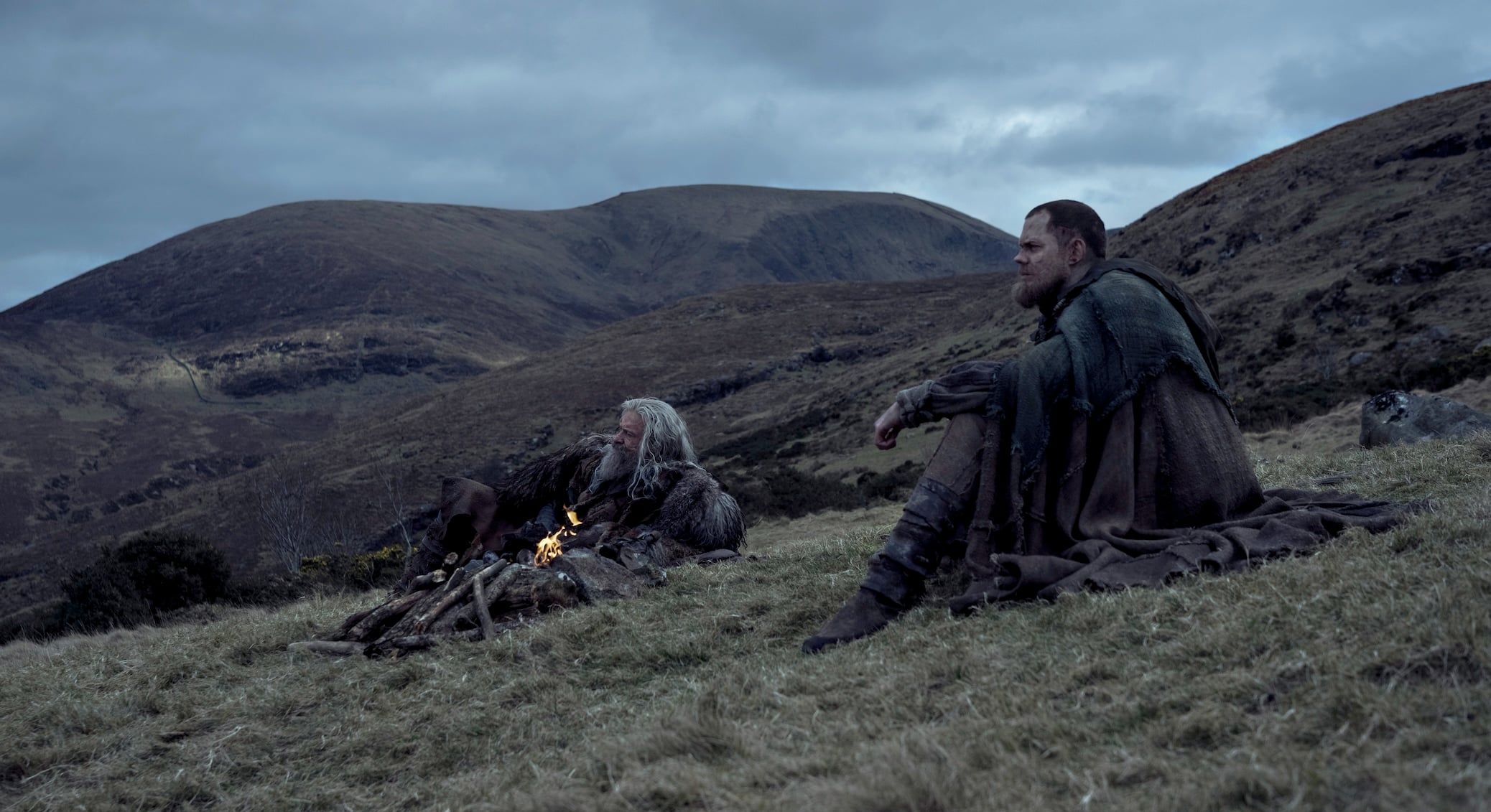
As the plot develops, both Jackman and Skarsgård do well as these former companions, with their shared history in genre films allowing them to harness a real feralness, depicting outlaws with few bounds. They wield bows and arrows and clubs, and really sink their teeth in, for kills that are deliberately shocking.
The Death of Robin Hood makes clear that these are violent, bad men, with no small list of enemies hounding their footsteps. It also makes clear that there are always consequences for evil, and clearly states that happiness should naturally elude those who make their life by destroying the lives of others.
ScreenHub: More Sydney Film Festival news and reviews
Watch the trailer
The consequences of evil actions
When the past finally catches up to Robin Hood and Little John, The Death of Robin Hood asks another simple question: can evil be redeemed?
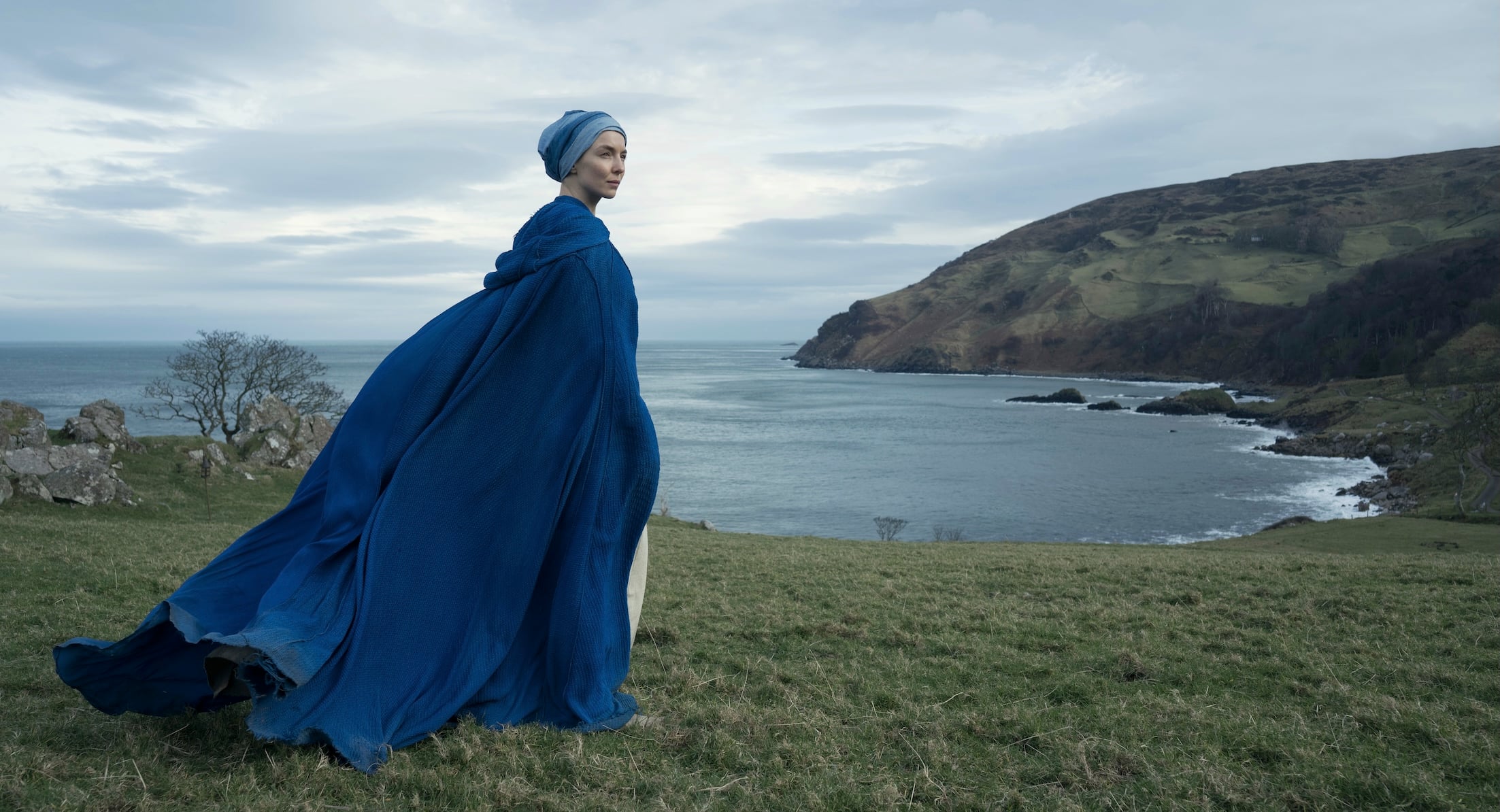
After a bloody, grimy attack, Robin Hood finds himself in the care of Sister Brigid (a dour, quiet Jodie Comer) on an island where victims of war and hardship learn to live again. He sees an alternative future, and a promise of happiness, but one bloodied by his years of crime.
It’s in these stanzas that Jackman is most impactful, as he explores the possibilities of forgiveness and justice. With a focus on the cycle of violence and its repercussions, the film dances between offering evil a lifeline, and asking what payment for cleansing a soul might look like.
While The Death of Robin Hood weaves in characters from the Robin Hood mythos to explore these notions, it remains fairly agnostic to the character’s story, to greater impact. There is no deeper statement here about Robin Hood being reimagined for a modern world – it’s not a deliberately edgy, provocative take on the character.
This tale is simply about an evil man realising the future he’s made for himself – it could be any man, in any time. That it’s Robin Hood by name is more likely a means to capture an audience, and to provide some layer of shock in the tale’s grime and violence.
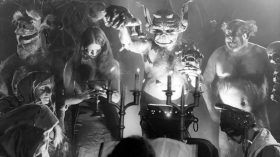
The Death of Robin Hood is a strong tale of action and reaction, elevated by the space given to quiet moments, artful and generous cinematography, and a conclusion that draws many threads together into a tattered and frayed bow.
The Death of Robin Hood is buoyed by its strong, coherent and heavily gothic vision, and darker ideas about the ugliness of humanity. While there is some sense of emptiness in its conclusion, the journey of this reimagined hero remains beautiful and heart-rending throughout.
The Death of Robin Hood releases in Australian cinemas on 18 June. The film had its premiere at the 2026 Sydney Film Festival.
Discover more screen, games & arts news and reviews on ScreenHub and ArtsHub. Sign up for our free ArtsHub and ScreenHub newsletters.
Actors:
Hugh Jackman, Jodie Comer, Bill Skarsgård
Director:
Michael Sarnoski
Format: Movie
Country: United States
Release: 18 June 2026