Every day, it seems a new video game film or TV adaptation is announced with a shiny press release confirming a team of fans and appreciators who’ll faithfully retell the events for a new audience.
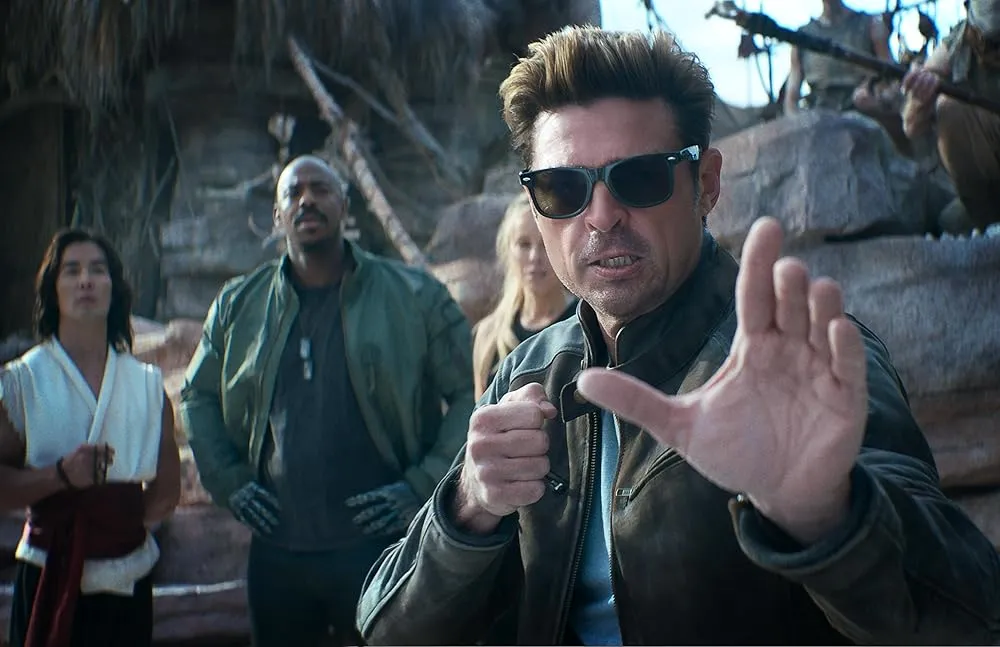
Prime Video is currently riding high off multiple Emmy nominations for its Fallout TV adaptation. Aussie-shot blockbuster film Mortal Kombat 2 launched in May to strong reviews from its audience.
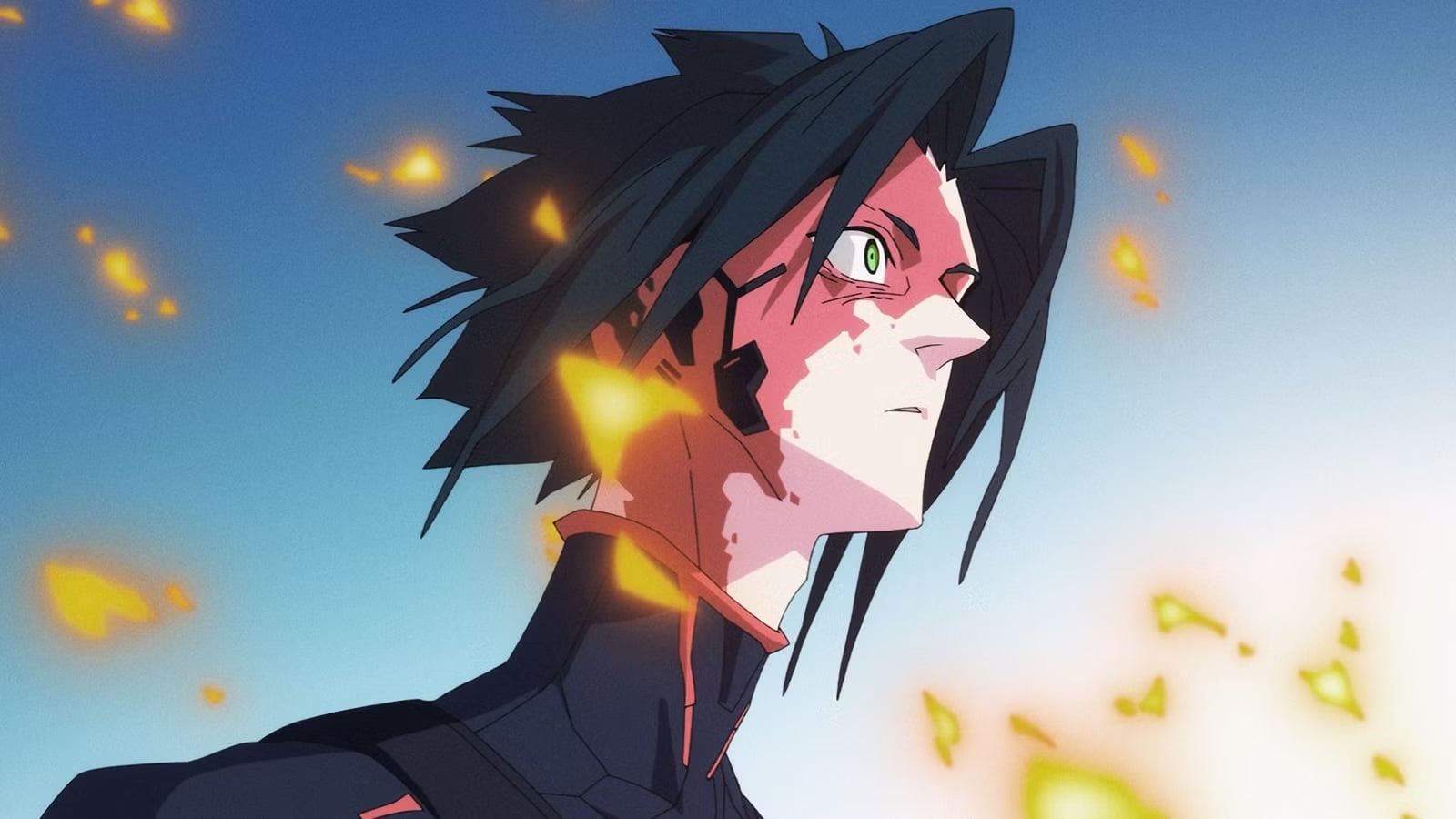
Netflix recently released a new season of its Devil May Cry re-interpretation, and launched a trailer for the second season of Cyberpunk: Edgerunners, inspired by video game Cyberpunk 2077. Paramount’s Sonic the Hedgehog film franchise continues to break records. Street Fighter is coming to cinemas in October.
Everywhere you look in Hollywood and beyond, video games are becoming an important part of the fabric. But is this new, and what’s really behind the push for new video game adaptations?
Video game adaptations and the screen industry – quick links
All the big video game adaptations in development

As we’ve covered on ScreenHub, there’s a staggering array of new video game adaptations currently in development around the world. Looking locally, studio Story Kitchen recently confirmed The Drifter from Melbourne-based studio Powerhoof is getting a big screen adaptation.
Abroad, a vast range of video game films and TV shows are being developed.
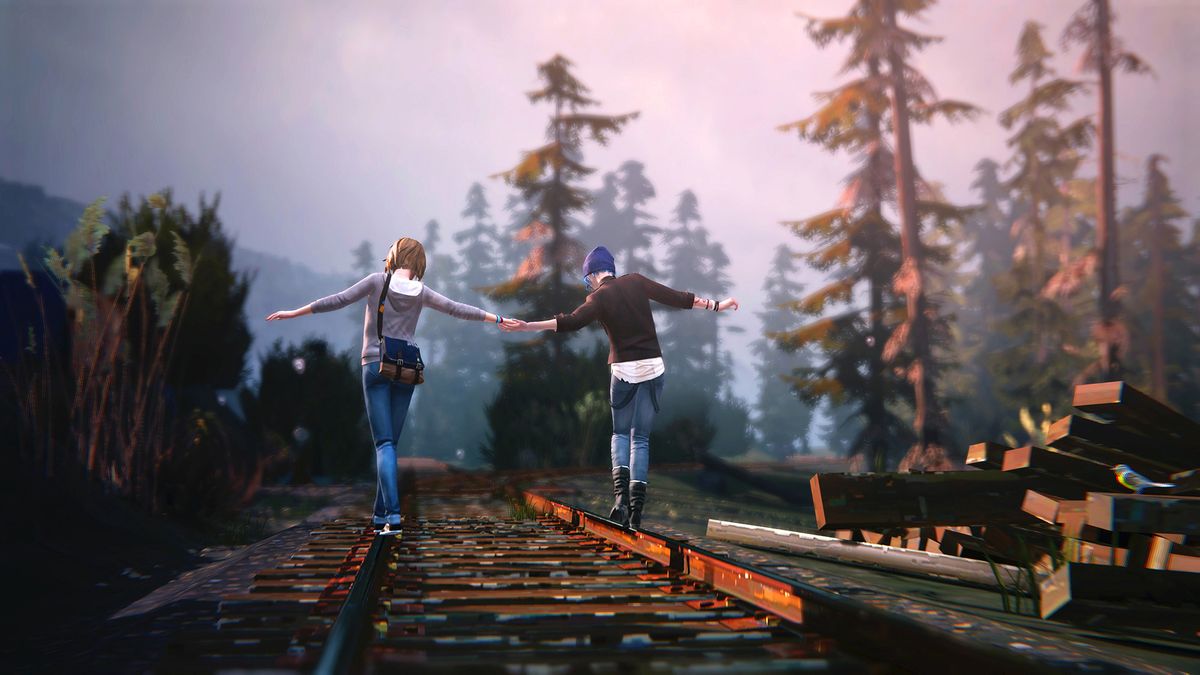
Tomb Raider is set to hit Prime Video, with Sophie Turner (Game of Thrones, Dark Phoenix) in the lead role. The service is also set to get a major adaptation of Life is Strange, starring Tatum Grace Hopkins as the time-travelling Max Caulfield and Maisy Stella as her rebellious friend Chloe Price, as well as an adaptation of God of War, starring Ryan Hurst as Kratos.
Fresh off the success of the Mario animated films, Nintendo is working with Columbia Pictures and Sony Pictures on a major adaptation of The Legend of Zelda.
Netflix also has a staggering array of video game projects in development, including the long-gestating BioShock film, an Assassin’s Creed TV series being developed with Ubisoft, a live action Gears of War film, and a live action Persona TV series.
Other video games flagged for adaptation include the Horizon series, Ghost of Tsushima, Sleeping Dogs, It Takes Two, Just Cause, Sifu, Streets of Rage, Split Fiction (with Sydney Sweeney attached), Vampire Survivors, and more – many of them under the banner of Story Kitchen, a production company that specialises in video game adaptations.
At this point, it would be better to ask what’s not in development.
Hollywood has always worked like this
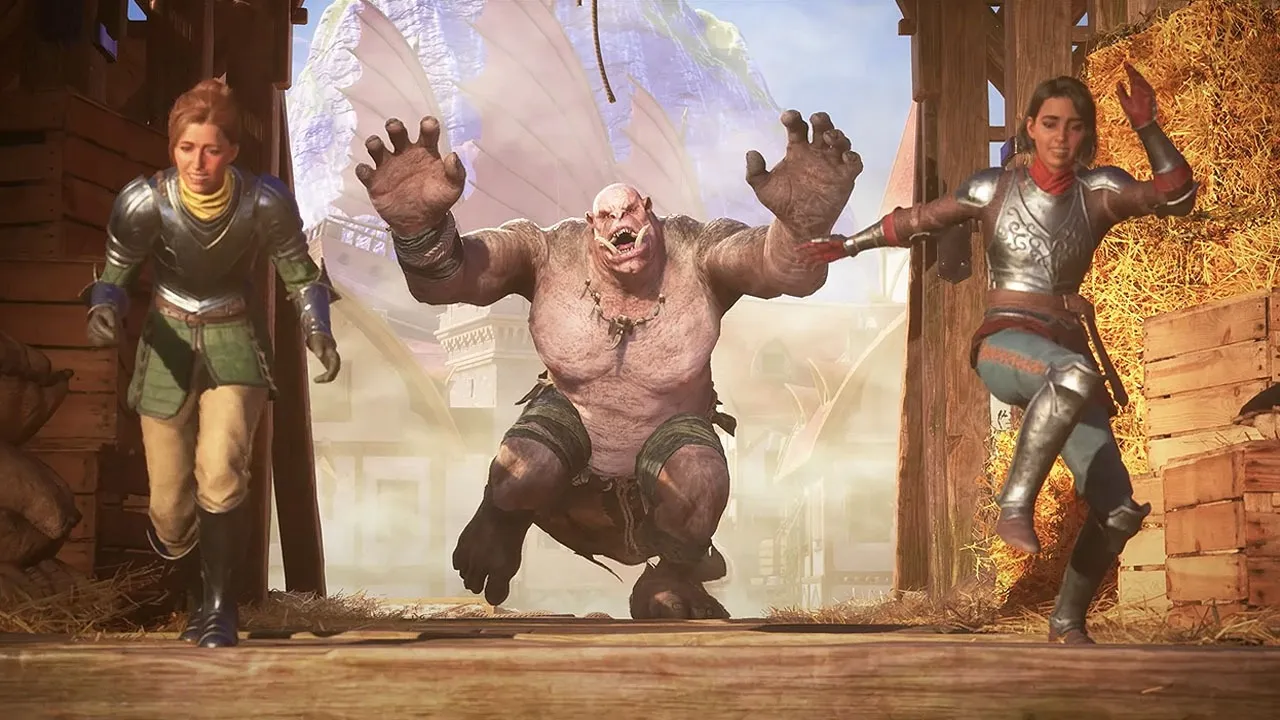
The simplest explanation for why Hollywood is currently pursuing major video game stories for adaptation is that it’s always reached for simple, exciting stories with their own in-built audiences. It’s just that video games are now at a point of maturity where the market is saturated with releases, they have large audiences and their value is better understood.
It’s best to think of it this way: in a time when popular entertainment was reading, there were countless adaptations of books. They remain popular, of course, and there’s always a new YA or adult-focused novel adaptation screening at your local cinema. But entertainment media has evolved for a new generation.
Video games have become mainstream, with millions of people worldwide playing daily. Talk to any kid, and they likely play games. Talk to any adult – and any adult currently working in films – and it’s now more likely they’ve played games at one point in their life, even growing up with them.
Lots of people play games, and therefore there’s a large audience for games-adjacent entertainment.
Films come with financial risk that can be diluted by a passionate audience
Films and TV shows are expensive to make – and seemingly getting more so by the decade. Given the amount of people required to make them happen, the salaries demanded by high profile stars, the investment needed in visual effects and post-production, and everything else that goes into screen projects, a lot of money is spent to realise them.
Many parties carry the risk of that investment, from screen agencies to production companies, distribution companies, individual filmmakers, networks, and plenty more. Each project has dozens of stakeholders, all of which require or demand a return on their investment.
The screen industry has always been risk-averse and profit-focused (a necessity for survival), and more likely to invest in projects that have already had guaranteed success elsewhere. While the occasional original idea breaks through, typically supported by a high-profile backer or strong creative ideas, a lot of what makes it out of production is an adaptation or a reinterpretation of some other media.
In a world where the screen industry is flooded with ideas, being able to bring a curious audience in the millions even prior to development will always win over the novelty of a new, untested idea.
Video game adaptations come attached with their own audience base. There’s a curiosity that comes with these projects and drives forward that all-important (in the eyes of the studio) sales potential. Will it be good? Will it be bad? Maybe something in the middle?
Regardless of the outcome, curiosity will likely mean a game’s audience base automatically engages with the film or TV adaptation too, to see how it’s adapted, and how well it expands on the source material.
That’s why YouTube is also currently being mined for new adaptations – Backrooms by Kane Parsons being the most obvious recent example of potent success. This film is an adaptation of a self-made web series released by Parsons in the 2020s that gathered an audience online, for its strange and esoteric nature.
It’s not so much the medium that matters when comparing these types of adaptation – it’s all about the audience, the passion that drives them, and how this may translate to new mediums. Fandom makes the world go around. Adaptations can serve the passion and curiosity of these fans while also earning their own audiences along the way.
Video game storytelling has matured over the last two decades
Now, it comes down to timing. We understand that games have now become mainstream sources of entertainment, and that the screen industry is prone to adapting material with a built-in audience, and minimal risk.
The reason more video game adaptations are popping up now – after early experiments with films of the 1990s and 2000s, like the Milla Jovovich Resident Evil adaptations, the original Mortal Kombat movies, or the Angelina Jolie-starring Tomb Raider films – is simply a matter of saturation and the evolution of games as a whole.
After decades of development, and multiple console generations, video game storytelling has evolved rapidly. Games are now more complex and some, more narrative-focussed, with adaptations able to explore richer depths, inspired by modern, artful storytelling and strong narrative delivery.
The spread of accessible tools for making games has also meant more games, and more diverse games being made, and therefore more material to adapt.
When the screen industry first began adaptating video games around the 1990s, it had only a handful of prominent options to pick from, with many only having loose stories and bright characters to interpret.
In the 2020s, so many creative video games have been celebrated for their storytelling achievements. Each week, we see more releases. There’s now a bounty of creative ideas to explore, hiding in games of all sizes – from major AAA studios to those stories found in small, independently-made games.
A smorgasbord of options for a brighter future
Against this backdrop, there are so many options for screen adaptations.
While success is not always guaranteed, and video game audiences remain justifiably wary of these adaptations, after years of high-profile failures, there remains an enduring hope about seeing favourite stories adapted.
Prior to release, video game adaptations promise plenty for fans. The opportunity to see favourite characters reinterpreted and to see the story play out in a new medium, with twists or layers that may add flavour and dynamism. Ideally, of course.
We are now also seeing creatives who grew up playing video games themselves, thereby understanding what makes the medium special, and how to adapt certain events or characters to suit a more linear medium.
We’ve seen successful examples in the fun, bright-eyed Sonic the Hedgehog films, and the very peppy modern Mortal Kombat adventures. Netflix has also had a fair amount of success in adapting games like Castlevania (with two shows which eventually inspired a game franchise revival), League of Legends (Arcane), and Cyberpunk 2077.
As video games have matured, so have video game adaptations. As they’ve gotten better and more understanding of their source material, they’ve achieved more critical and commercial success. As major studios see this success and mainstream chatter, it’s only natural it inspires more plans for additional video game adaptations beyond those currently in development.
It’s been a slow rolling down the hill for the screen industry, but we’re now at a point where more game adaptations are possible, and more game adaptations are good.
With a raft of newly-announced projects in the works, we are likely to see more video game adaptations in the coming years. Beyond being a welcome extension for fans of these franchises, we can only hope potential future success will highlight the magic of games as a whole, and the power of the stories created by their original developers.