It is a truth universally acknowledged that the Oscars viewership is in decline. But is moving to YouTube, with a newly announced four-year deal inked to stream the ceremony on the free video-sharing platform from 2029 through 2033, the answer?
The almost 100-year-old Academy Awards began in 1929, held in a private function at the Hollywood Roosevelt Hotel. Folks read about the results in newspapers and magazines, or heard them on the radio, with William A Wellman’s Clara Bow, Buddy Rogers and Richard Arlen-led Wings triumphing, winning Outstanding Picture.
ScreenHub: Every Best Picture Oscar-winning film 1929 to 2025 & where to stream them
A lot has changed since then. The ceremony was first televised 24 years later, in 1953. Since that date, it has been predominantly hosted by the American Broadcasting Corporation and its international partners, with a few side-piece stints on NBC and flirting with a co-streaming on Hulu, replete with glitchy dropouts.
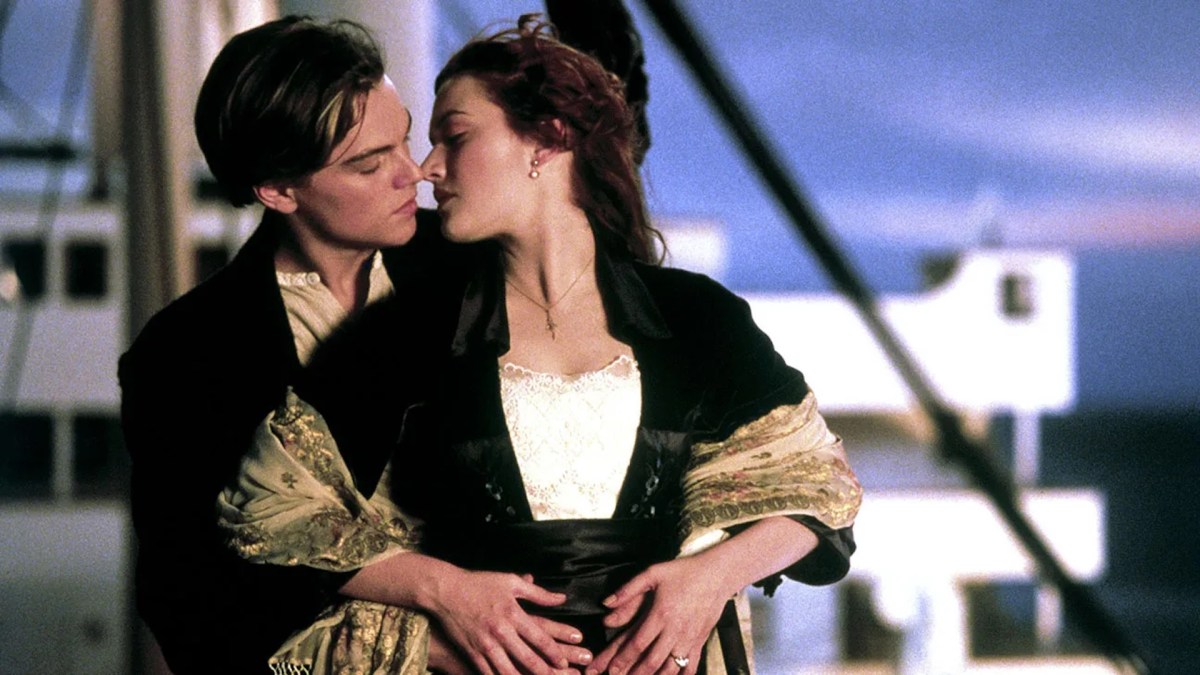
The viewership peaked in 1998 at the 70th Academy Awards, when James Cameron’s gargantuan budget, Kate Winslet and Leonardo DiCaprio-led Titanic won Best Picture, plus ten more Oscars for good measure. That ceremony was watched by north of 55 million in the US alone, according to Nielsen ratings (international viewership tallies are harder to come by, so we’ll stick with this barometer.)
Are the Oscars going down with the ship?
There’s so much more competition for our time and attention now, with a plethora of terrestrial channels, cable options, streamers and more understandably eroding the Oscars’ grip on American and international viewership.
Long gone are the days when mind-blowingly vast numbers sat down to watch the exact same thing, barring disasters unspooling live on the news or major sporting events like the Super Bowl and the Olympics.
It’s an epochal shift all broadcasters are contending with.
You’d think that lockdowns sweeping across the globe from early 2020 would lead to a captive audience. In fact, the Oscars viewership plummeted to its nadir in 2021 when the ceremony shifted to late April because of the pandemic. According to Nielsen ratings, only 10.4 million Americans tuned in, one-fifth of the awards’ heyday result.
While it’s certainly inevitable that free-to-air viewership is harder to conquer these days, it’s understandable that the Academy would baulk at plunging eyeballs on the ceremony. Taking it personally, they tinkered at the edges, controversially moving some of the technical categories out of the live broadcast to shorten the ceremony.
The curve has been steadily creeping upwards, buoyed by the Barbenheimer effect in 2024 to reach 19.5 million, almost doubling the 2021 result. While initial reports suggested a slight dip in 2025 viewership, the final tally rose again to 19.69 million as Sean Baker’s Anora won Best Picture.
What’s the YouTube appeal for the Oscars?
The YouTube appeal is understandable. The platform is the biggest beast. You think Netflix is king? Think again.
According to Nielsen results released this month, streaming accounted for 46.7% of American viewership over the Thanksgiving period, basically double the broadcast results at 23.2%.
Of that streaming slice of the (pumpkin) pie, YouTube triumphed with 12.9% compared to 8.3% for Netflix, 4.7% for Disney during peak family time and 3.8% for Prime Video.
So the Academy thinks it’s on to a winner, chasing a rapidly expanding online audience that leaves broadcast gasping in the dust. Furthermore, with an eye on the future, Nielsen figures note that almost half of YouTube’s audience is under 38 and, commendably, far more diverse than broadcast viewers.
This is where the move starts to look a little wobbly. The Academy’s putting all its eggs in one basket, chasing a youthful audience that comes to shows in their own time, leaps across platforms and watches in fits and starts, easily distracted by short attention spans.
Are they really going to go for a hoary old awards show, the grand dame of film ceremonies? Especially when you’re asking them to commit to a ceremony that runs for anywhere between three and four hours. Colour me doubtful.
The Oscars are meant to be old-fashioned
The Oscars are supposed to be a bit old-fashioned, as much about the glitz and glamour as they are about rightfully venerating casts and crews who deserve their moment to shine. Thanks to the wonders of the internet and, yes, YouTube, audiences could already dip in and out of speeches or scroll through award lists, rather than commit to the whole bit.
It’s a fool’s errand to think the Academy Awards will ever return to anything close to 55 million viewers, whether that’s watching simultaneously or aggregated.
Indeed, given all the noise these days, hovering just short of 20 million was, in fact, a spectacular result. And remember, that’s just in the US, with millions more following along at home across the globe.
Even with YouTube’s undeniable grip on younger audiences and shifting viewership patterns, the Academy Awards risk being lost in the platform’s sprawling offerings, which skew heavily towards amateur vlogs, music videos and how-to tips.
In this mix, what the YouTube move will certainly achieve is cheapening the Oscars brand. What’s next? AI-generated ‘actor’ Tilly Norwood hosting instead of Conan O’Brien? Heck, give her an Oscar already.
Sure, the lustre of Hollywood’s Golden Age may be far behind us, but this panicked and desperate manoeuvre further tarnishes what glimmer remains, sullying the Academy. As my good friend and fellow film fanatic Aaron Rowlands puts it, with the caveat that he is a committed YouTube devotee: ‘It takes an event and turns it into content.’