University of Southern Queensland filmmaker and academic Katherine Chediak Putnam has revealed the establishment of new horror-themed screen project Crossroads, pairing six emerging filmmakers from Australia and Indonesia in a cross-cultural collaboration.
As part of the project, these practitioners – Queenslanders Sam Pates, Soren Jocumsen and Amy Parry, and Indonesian filmmakers Juan Jonathan, Aliyya Maryam and Ivan Mosqueta – have been working with experienced screen industry professionals, towards the goal of developing horror short films exploring notions of culture, folklore and identity.
It’s all in service of building connections to support future collaborations between the Australian and Indonesian screen industries.
Crossroads horror film project shared – quick links
The importance of developing new horror screen projects
As Putnam says, horror provides a ‘unique creative language’ for exploring cultural differences, through shared themes.
‘Horror is one of Australia’s strongest cultural exports, and the genre is highly popular with young Australian and Indonesian audiences. While the genre is expressed differently in each country – from the use of religion and diverse mythological traditions in Indonesian horror to the isolated and harsh landscapes often seen in Australian horror – themes such as fear, survival and family are universal.’
‘That makes horror a strong creative language for cultural connection, allowing filmmakers to share their cultures, exchange filmmaking practices and draw on shared experiences and human emotions.’
The news landing in October is notable, given the enthusiasm around Halloween and traditional horror-themed celebrations throughout the month. As Putnam says, there’s a universality to horror that appeals to a wide audience. It can connect people through fear, as well as through a surprising relatability.
Each of the films in the Crossroads program aims to explore these notions.
What to expect of the Crossroads horror film cohort
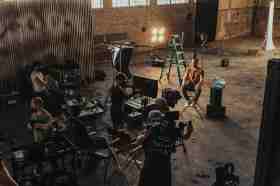
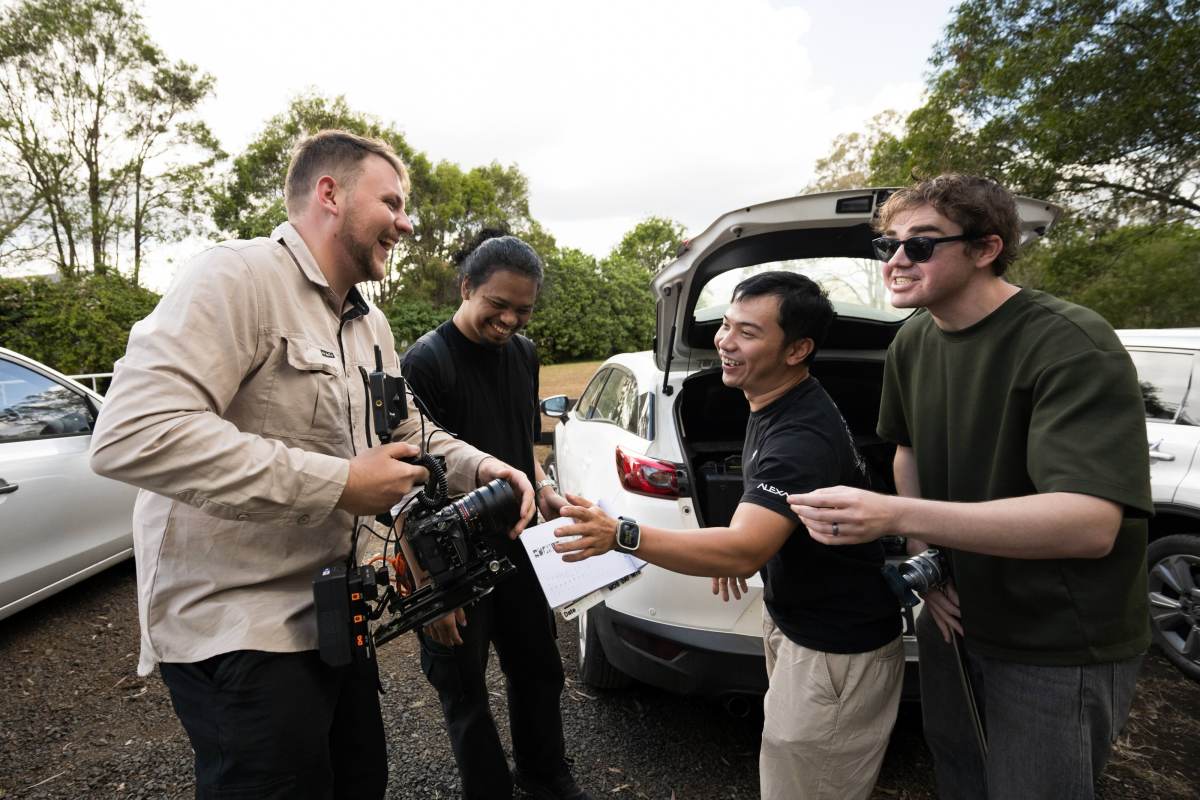
As shared, work on the Crossroads project is well underway, with filmmakers recently completing production and filming in Indonesia and in Toowoomba, Queensland, following extensive training.
Prior to their travel, teams took part in cultural awareness workshops, script development and mentoring sessions with Australian screenwriter Shayne Armstrong (Acolytes, The Darkness), Australian director Joel Anderson (Lake Mungo), Indonesian horror screenwriter Lele Laila (The Book of Sijjin and Illiyyin) and Indonesian director Tommy Dewo (Black Blood).
Each of the four films in development is expected to be completed by the end of October, with screening events planned for early 2027, for industry stakeholders, university students and local communities across Australia and Indonesia.
As the University of Southern Queensland notes, these co-productions are a chance to strengthen cross-country collaboration with Indonesia, opening channels to future productions and potential co-funding.
Crossroads was developed between the university, Griffith Film School and Universitas Multimedia Nusantara in Indonesia, building on an established partnership between Putnam and filmmakers and academics Nico Meissner and Jose Prabowo. It was made possible through the support of the Australian Government’s Department of Foreign Affairs and Trade 2025-26 Australia-Indonesia Institute Grant Round.
There is hope the project will lead to further collaborations, while highlighting the abilities of emerging Australian and Indonesian talent to produce compelling, culturally-relevant and interesting screen works.
Also on ScreenHub: Shot on Sh*t Film Festival 2026 announces record attendance
The team behind the Shot on Shit Film Festival 2026, taking place on 16 October at the Botany View Hotel in Newtown, has announced record attendance for this year’s show, growing over three times since its last instalment.
What’s notable is that Shot on Shit spotlights deliberately handmade, low budget short films made with older equipment, small teams and shonky means. In a world where there’s an increasing focus on the perceived ‘polish’ provided by new technology, the enthusiasm behind the Shot on Shit Film Festival is extremely interesting, and validating for those who champion pure creativity.
Read more …