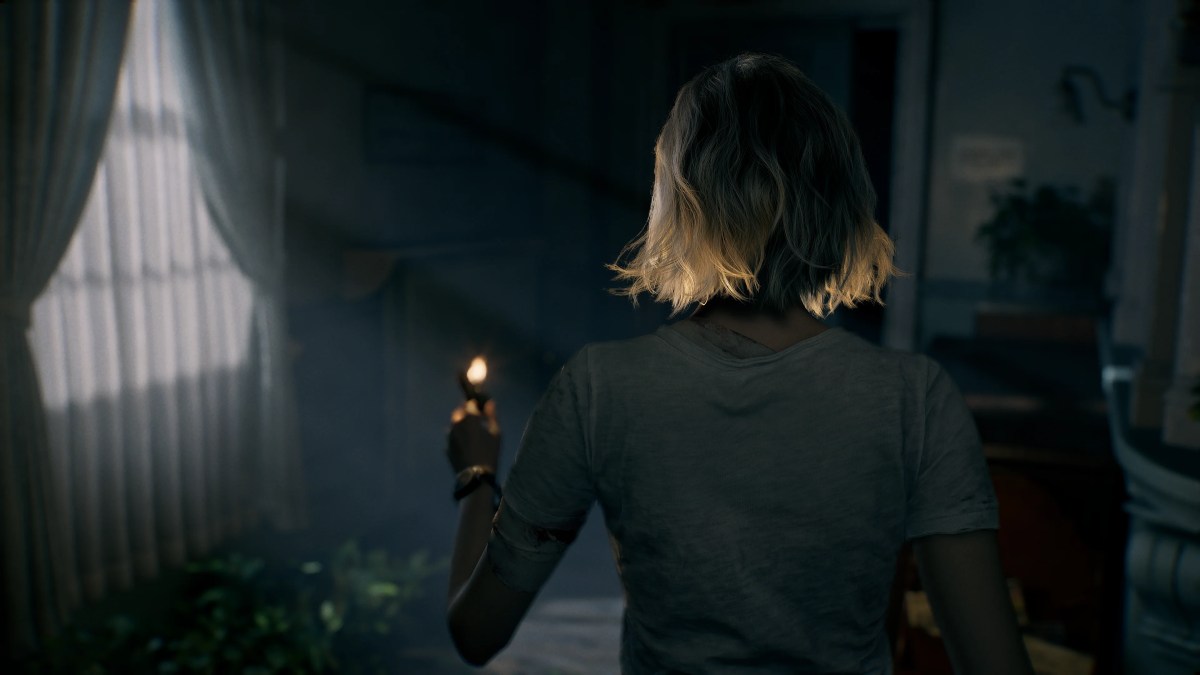
Horror, as a medium, is not homogenous. Under the banner is a plethora of unique, layered stories, all told from different perspectives, across TV, film, games, and beyond. The connecting tissue is esoteric: they tell stories that frighten, that horrify. On the other side of them, viewers and participants are changed.
I’ve come to understand horror more deeply in recent years, and all the reasons why it’s such a compelling way of telling stories. It gets to the heart of our humanity and questions our belief systems. It tends to shock people into understanding, empathy or action.
Horror is always about something, whether that’s the nature of romance, intergenerational trauma and suffering, misguided and discriminatory beliefs, or the possible futures leading from poor human decision-making.
Across film and video games in particular, horror storytelling can be impactful for teaching audiences, engaging them in stories to shock and delight, while delivering some core message. While all mediums can deliver these parables well, recent forays into the world of horror video games have strengthened my resolve, and taught me much about resilience and understanding in the face of heart-pounding danger.
Artful horror game storytelling can be an excellent entry point for the important lessons the genre has to share, even if you’re somebody who tends to shy away from horror stories.
Horror games vs horror films – quick links
The challenges in exploring horror in film
Horror films have been with us since the late 19th century, as a medium for scaring audiences straight or teaching all-important lessons about humanity and its foibles. There are so many parables to learn from decades of horror film history.
Don’t mess too deeply with science is a key message of the horror films of the 1930s such as Frankenstein and The Invisible Man. Be cautious of strange men, regarding Dracula. For women, classic horror was often about cautions – don’t be entranced by love, don’t think too loosely or lasciviously, obey your husband.
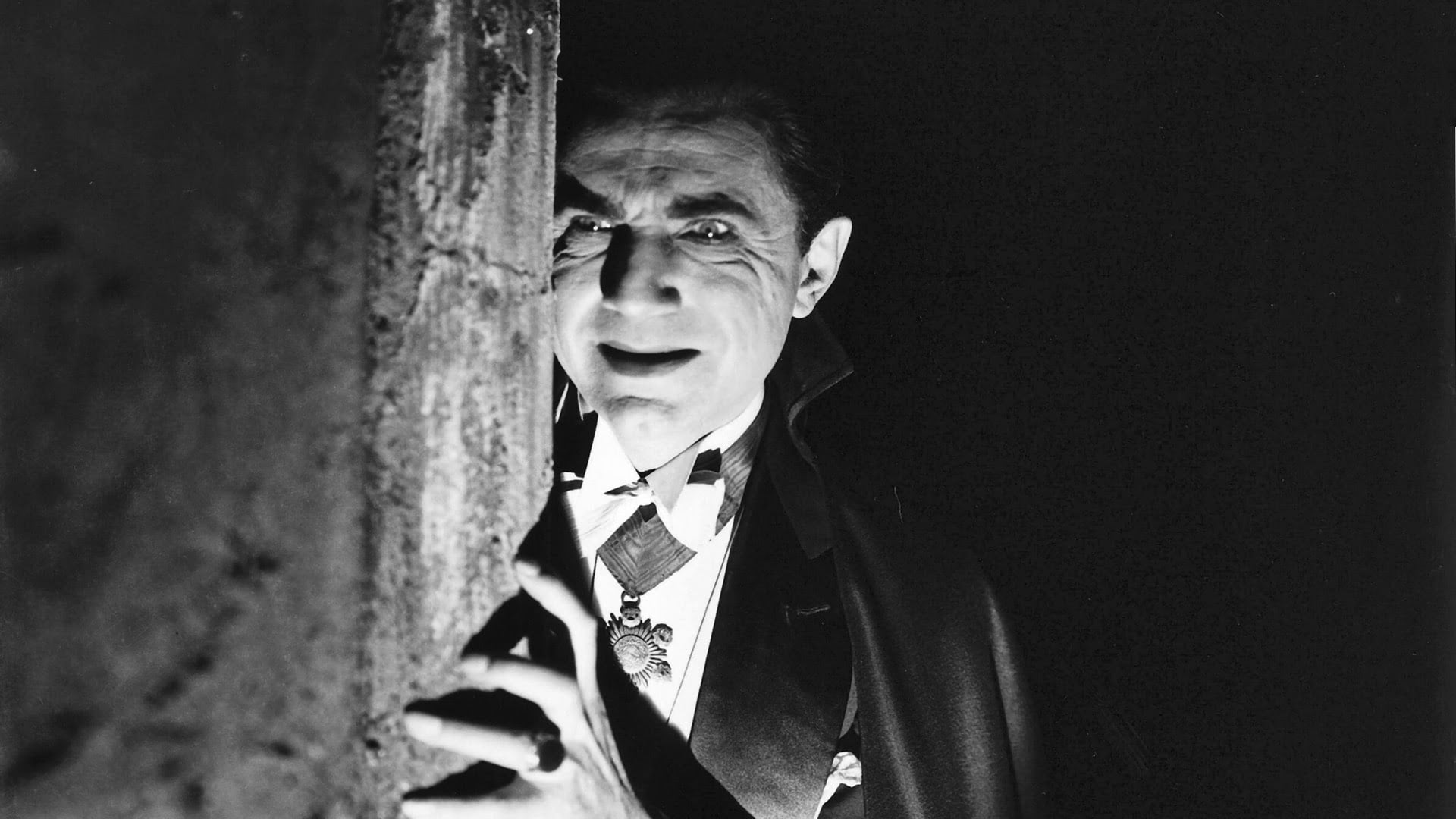
Horror has always reflected the prevailing fears and belief systems of the era in which it’s produced, with the lessons guided by modern values and developments. Naturally, as various causes advance, films evolve to reflect new values, new developments. Horror targeting women is not so much about being limited by gender anymore, but it instead focusses on more diverse challenges, including ideas of trauma and control.
ScreenHub: The Mummy isn’t meant to be terrifying on film – it should be romantic
All horror films are guided by the traditions of the screen format and its delivery of storytelling. They naturally tell a linear, guided tale in which the audience is locked into the action. Viewers are passive; they find an avatar in the performances of the film’s protagonists, forming a loose connection.
The events aren’t happening to watchers, they’re happening to characters, marking a separation that better allows for transmission and understanding. There tends to be a clear path forward for the narrative in the drive of these characters. There’s one way forward, as guided by the intentions of the director.
That’s in the nature of screen as a medium. It’s linear, character-driven and ultra-focussed.
Video games present entirely new layers to these bounds, with player agency being key to this unique delivery of horror storytelling.
How horror video games tell their tales
Horror video games require more layered storytelling on the part of developers, as viewers become an unseen third party to the action. They’re required to be involved, their presence adding new dimensions to the narrative.
Developers don’t know how players will react to certain story beats or gameplay moments, but they must anticipate that reaction to tell their stories, leaving room for players to impart themselves in these worlds. They must invite players in, and provide a looser space with missing pieces for players to fill.
Where film presents a passive story with linear bounds, games are interactive, and driven by player desires. In some cases, games have players in first-person. They are experience the story. They are in direct control of events. Therefore, the horror is more visceral and direct.
Whether in first-person or via third-person avatar, horror video games demand more engagement. Players must be an active party to developments and choose to face the horrors as they arrive. There is no delegation. Instead, there is power and agency in facing the choices presented.
Players control exact steps, precise movements, and many decisions in horror video games.
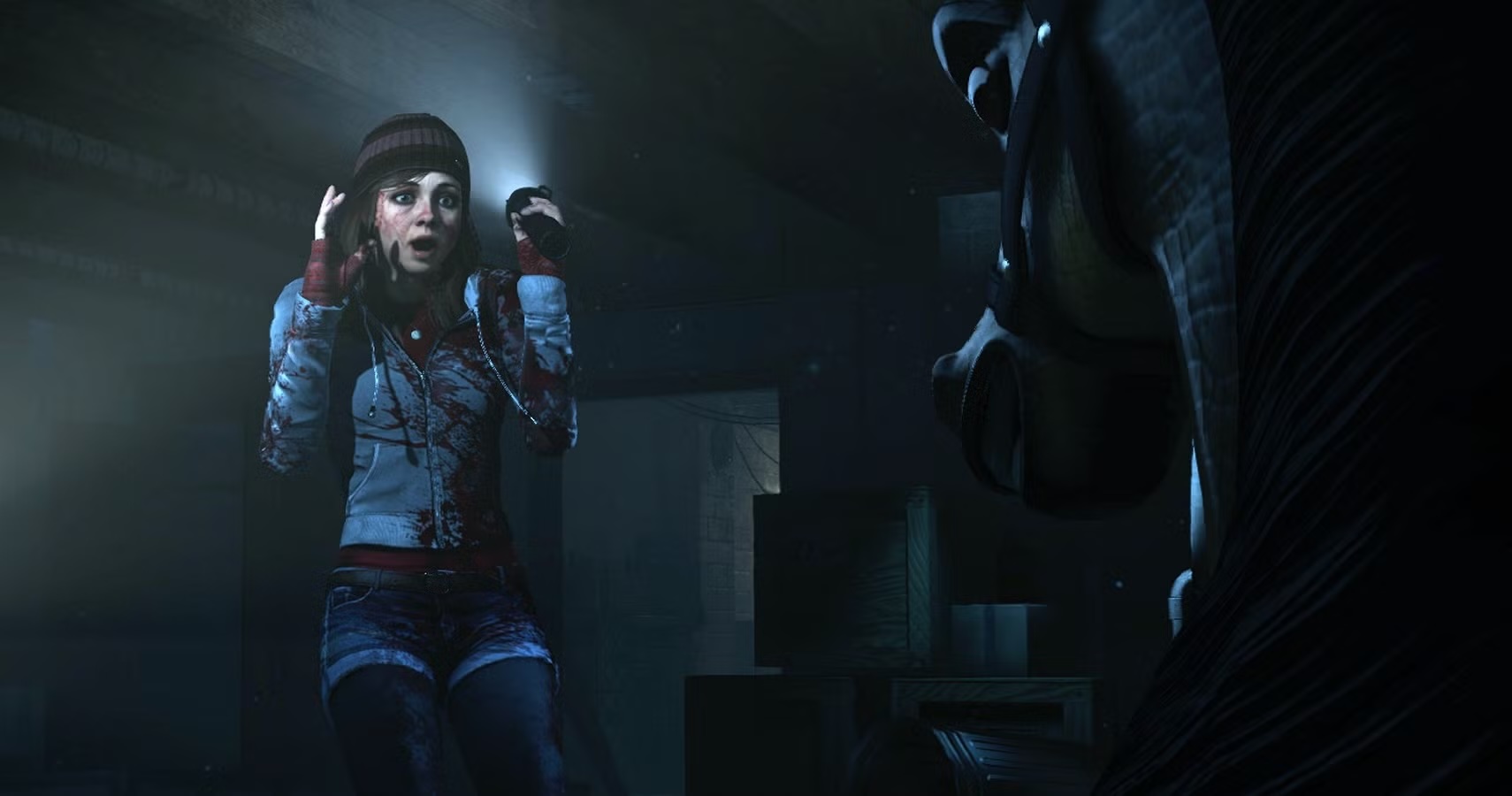
There’s titles like Until Dawn, where players are making active choices that meaningfully change the direction of the story. When mistakes are made and the real horrors arrive, in the form of twisted physical monsters (the game is a parable of human corruption and evil), players know their choices brought them there. There is a responsibility to the game’s characters that is weighted by this choice, and that gives gravity and higher stakes to each situation.
One wrong foot can cause characters to die, and there’s pain in the connection that the game evokes. You feel for these characters – not only because they’re played with such tact by traditionally-trained actors (Rami Malek, Hayden Panettiere and others), but because the game’s layered storytelling elevates them as bright, dynamic characters.
Another element that forges this connection is time. Typically, horror games last hours. Players choose to devote this time to these characters, guiding them and caring for them, until they become a tangible and real part of the narrative and the players’ worlds.
Even in the case of characters being unseen – Ethan Winters of Resident Evil 7 and Resident Evil Village, for example – there remains a connection in embodying their steps. Perhaps even a more powerful one, as players are in direct control of their actions and impact.
Teaching resilience through the world of horror games
For horror to land well, you must have a personal stake in it.
If not a direct relatability, an understanding of characters and their circumstances. You want them to survive. In a video game, a character’s survival represents something more: it’s about tackling challenges head-on yourself, and proving your mettle.
Challenges conquered can teach resilience, even in a digital world. In some cases, these game experiences can teach teamwork, precise control and patience. They can also teach you about the value of walking away when necessary.
Agency is key to my personal enjoyment of horror games. It strengthens the stakes of the narrative and the connection to gameplay. When you’re in control, you’re more engaged and feel more personally responsible for any new developments. You want to be better and strive further, whether for the good of your bonded avatars, or for yourself, in the main character’s shoes.
The power to strive forward, or even to stop, remains in your hands. When you’re ready, you’ll find the strength to continue, knowing anything could be around the next corner.
Horror films vs horror games
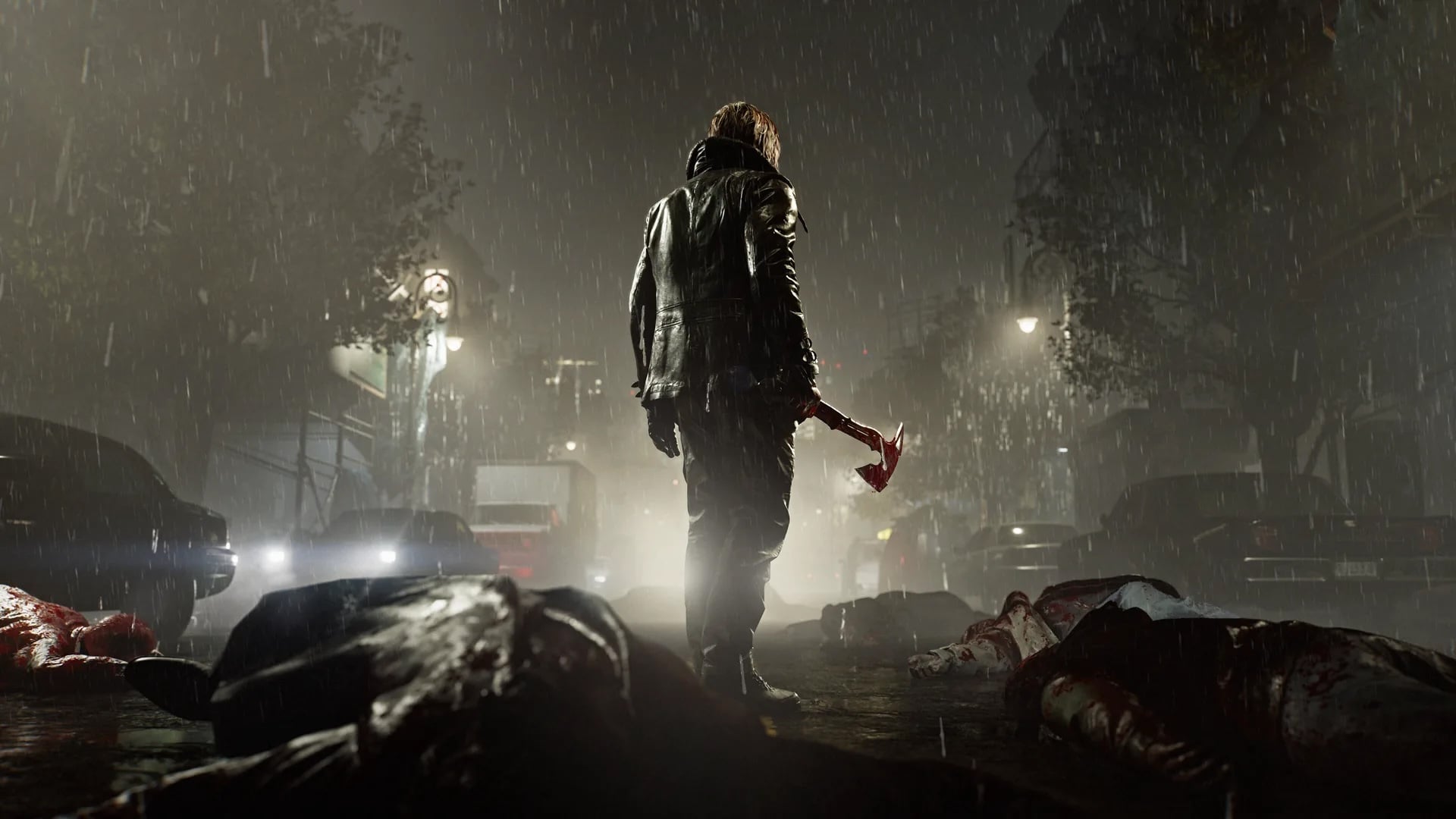
Speaking with my fellow players, I’ve discussed this topic frequently – whether horror films or horror games are scarier, and which are most impactful. The plain reality is that they are very different mediums, allowing for different levels of engagement with horror themes.
Personally, I’ve always found horror games to be so interestingly layered and compelling in the ways they wrap audiences in their web and demand you pay attention to their terror. They are not necessarily scarier – that depends on the filmmaker, actors, and themes – but I do believe they demand a greater engagement, and that their elements of agency encourage a deeper, starker bond.
With the power in the hands of the player, horror games can deliver raw and unfiltered terror in a way that clings to you, stays with you, in the long-term.