This week sees the return of two Australian television series based around interviewing interesting people with stories to tell. Well, kind of. They do feature guests, and there is some interviewing going on, but what the shows are actually based on is a little more… complicated.
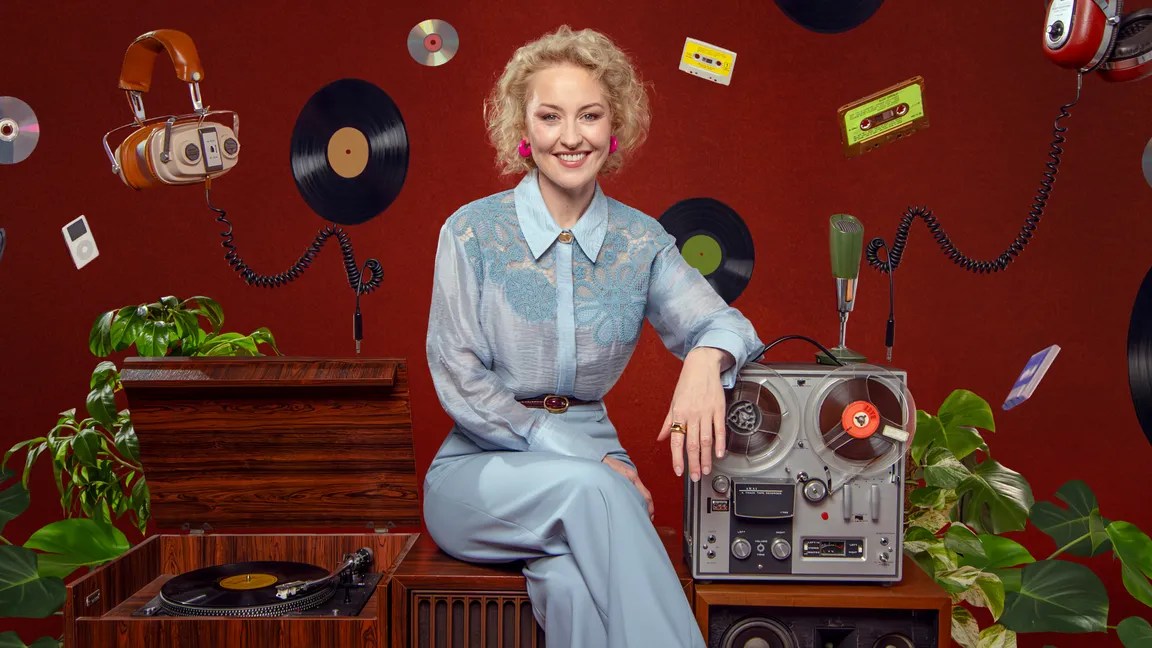
In the ABC’s Take 5 With Zan Rowe, a range of musical guests (and this season, former New Zealand Prime Minister Jacinta Ardern) come on board to talk about their life and music. Well, kind of. They pick five songs and talk about them, but through those songs they get to reveal a bit about themselves.
Meanwhile over on SBS there’s the second season of Shaun Micallef’s Origin Odyssey, where host Micallef takes a range of comedians on a trip back to their homeland (whether its directly theirs or they have a family connection to the country) for a mix of travelogue and personal reminiscence.
What unites both these series – aside from a focus on a specific kind of creative artist – is that they’re both based around the idea that simply talking to someone interesting isn’t quite interesting enough to base an entire television show on. Just sitting down to have a quiet talk isn’t enough: there’s got to be an entirely different show going on around them.
The changing art of TV interviews – quick links
Television vs podcasts
This isn’t a new development on our screens. Take 5 is in its fifth season; Origin Odyssey first aired in 2024. Around the same time, Micallef hosted the interview show Eve of Destruction on the ABC, where he and a guest sat down in a studio for a straightforward chat… about an item they would save from their house if it was about to be destroyed.
ScreenHub: How much Shaun Micallef is too much Shaun Micallef?
The ABC’s The Assembly sees celebrities being interviewed by a collection of autistic trainee journalists. Before that, the ABC had series like Anh Do’s Brush With Fame (where Do interviewed celebrities while painting their picture) and Julia Zemiro’s Home Delivery (where Zemiro interviewed comedians and celebrities while driving around their home towns checking out the sights).
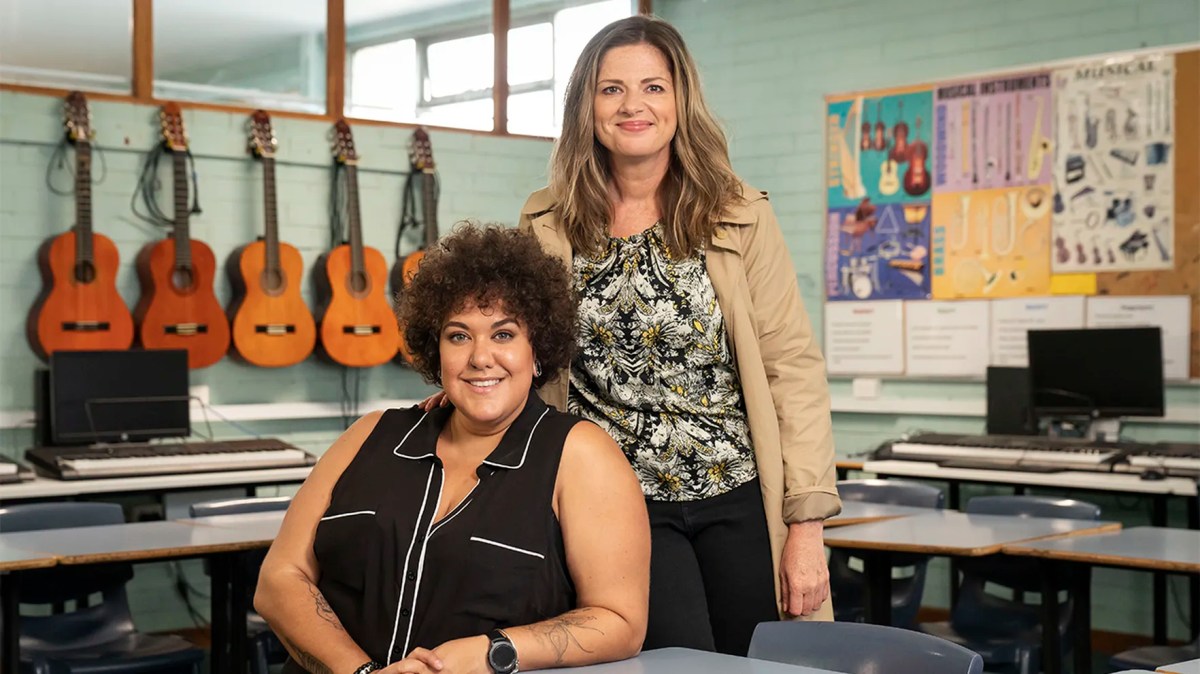
The obvious rationale for combining formats is that, with audiences now swimming in celebrity content thanks to the internet and podcasts, the old style of straightforward interview can’t compete. You need a quirky angle to shock the stars out of their rote replies, the thinking goes. The same old questions only gets you more of the same answers.
But trying to compete with the internet when it comes to quirky content is a fools game. These days stars promoting their movies would love to just have a regular chat: it’s all themed podcasts and red carpet interviewers asking bizarre questions hoping for a response that goes viral.
The challenge of securing great talent
It’s not like the traditional interview format is dead in the rest of the world. The USA still airs a handful of tonight shows based around the celebrity interview. Over in the UK Graham Norton is still going strong (and still aired here), bringing in the big names for a chat on the couch.
Arguably the big difference there is that they can still get actual celebrities. The days when famous film stars would fly into Australia and stop off to visit Rove McManus for a talk are long gone. These days the promotional tour is a red carpet visit in Sydney, a quick round of radio appearances, and maybe breakfast television or a current affair show pre-record.
Even the Australian evening shows that have interview segments, like Have You Been Paying Attention? and The Cheap Seats, almost never feature name guests. HYBPA? usually goes for sports people or cross-promotions with other Ten shows; The Cheap Seats mostly features comedians.
It’s an approach that works for them. If local shows can’t compete with star power, it’s best to try to get people that audiences can’t see anywhere else. And neither show is based around interviews anyway; they have them each week, and possibly they bring in a few viewers, but they’re news-based comedy shows where the comedy is the big draw and the interviews are a sideshow.
Let them speak (and cook and travel and renovate)
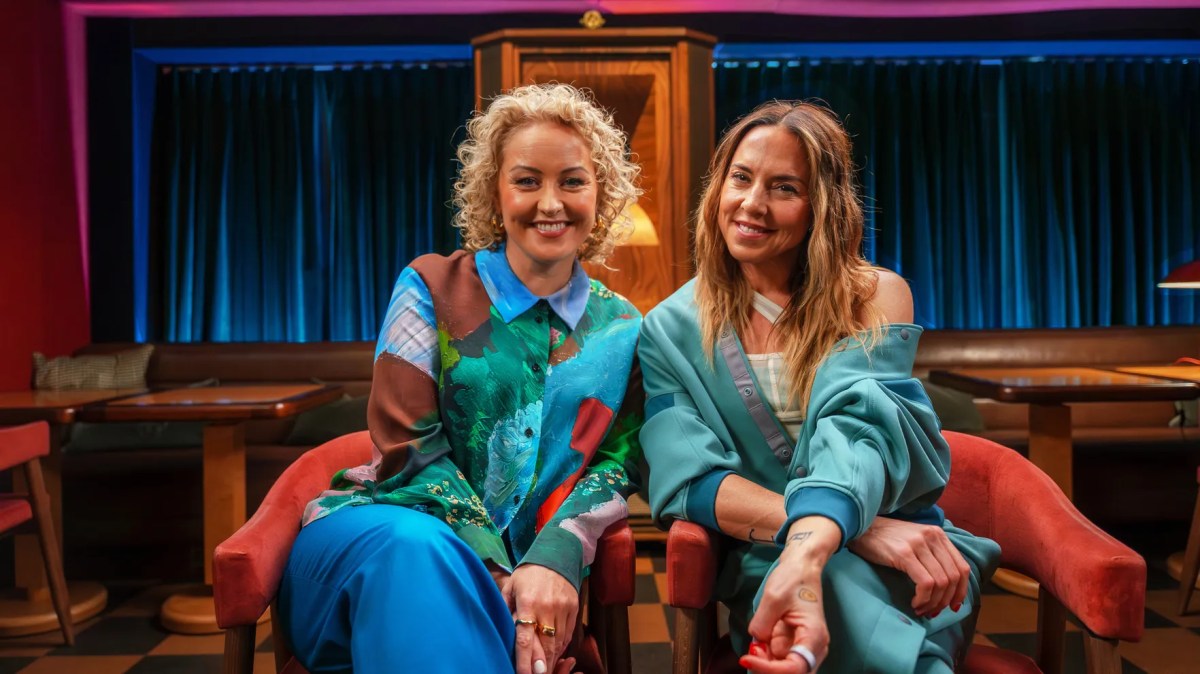
All this points towards the real reason why Australian interview shows are now combining formats. Interviews – or anything else – on their own aren’t enough to bring in a big enough audience to make them worthwhile.
You can’t have a travel show without it also being a cooking show or a comedy show or a reality show. Home renovation shows are also reality shows and commercials; cooking shows and comedy shows are also game shows. Drama series have so many jokes – and vice versa – that they’re now called dramadies and they’re the only scripted shows we make.
It’s difficult to say whether this is a good thing (half an interview show is better than none) or a sign pointing to a future where there’s only one show on television and it’s a comedy game show where singing home renovation experts have to cook a fancy meal for celebrities who explain how the food reminds them of their childhood. It’s the kind of issue that needs in-depth examination and discussion.
Possibly on a travel show where the guests also paint landscapes?