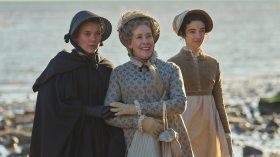
April is the month where Australian TV puts it all on the line. After a slow start – who wants to go up against MAFS? – the post-Easter stretch is where all the networks wheel out their big guns. So there’s finally something on worth watching? Let’s not get ahead of ourselves.
When we’re talking about the big guns of Australian TV, we’re talking about shows like Nine’s Travel Guides (though the full season isn’t due until later in the year) and Seven’s My Reno Rules. Ten’s MasterChef has obviously just started back up, as has Tipping Point, The Floor and The 100 With Andy Lee (all on Nine). Over on Seven, there’s The 1% Club and Celebrity SAS: Who Dares Wins. What have we done to deserve such bounty?
Australian TV in 2026 – quick links
It almost makes you want to laugh
For those not into game shows or reality TV (basically just game shows, only slowed down), there is one other option: comedy!
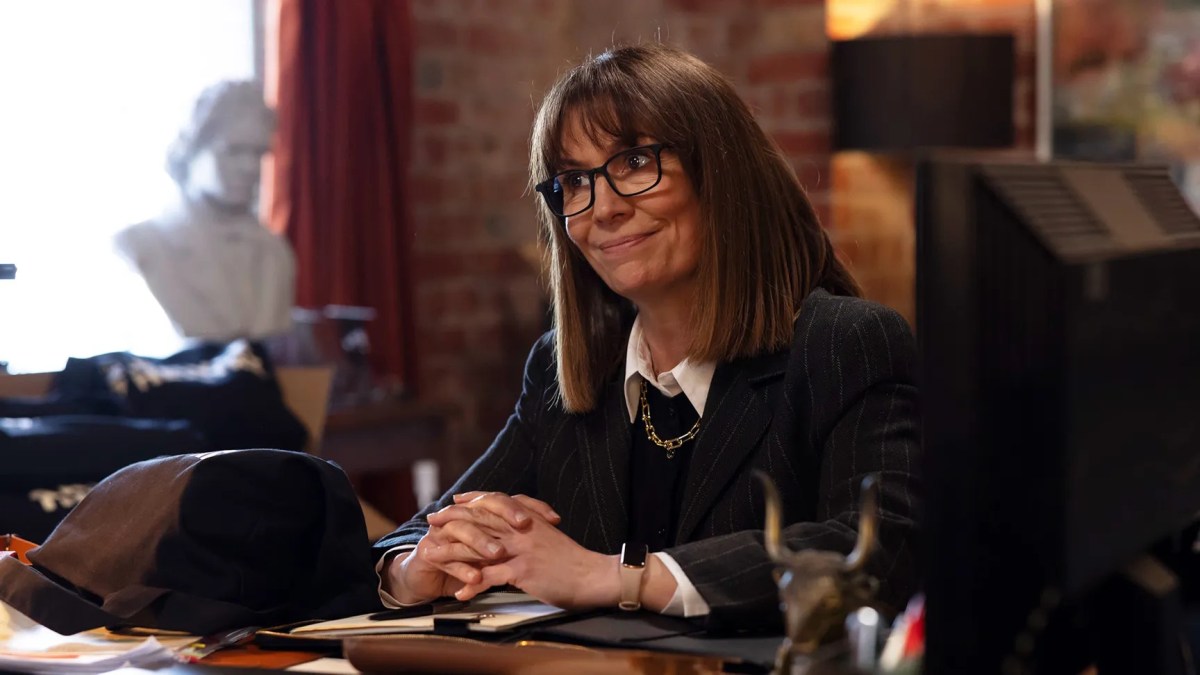
Already back this year on Ten is The Cheap Seats, with Have You Been Paying Attention? and Taskmaster Australia starting early May. The ABC is going for laughs with new sitcom Bad Company and new sketch show Urzila, while Gruen returns early May and Shaun Micallef’s latest documentary series, Shaun Micallef’s Going For Broke, a fortnight or so later.
ScreenHub: Bad Company, ABC review – grab onto this comedy with both hands
More surprisingly, Seven has also moved back into the local comedy business after a decade or so of shunting what little they made onto their digital channels. Glenn and Mick’s Celebrity Intervention is a celebrity roast crossed with This is Your Life. It’s a bit uneven but at least it’s not people bitching over food or renovations.
Drama is dying
What all this makes clear is that if you’re interested in Australian stories – and not the ABC’s Australian Stories – Australian free-to-air television is not for you.
The only local drama on free-to-air commercial television for most – or possibly all – of the year is Home & Away. This doesn’t feel like a development that’s all that healthy, culture-wise.
The ABC remains committed to local drama, just so long as that drama involves a murder mystery in a small regional town.
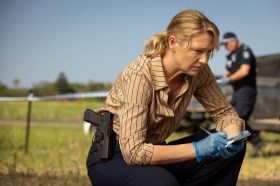
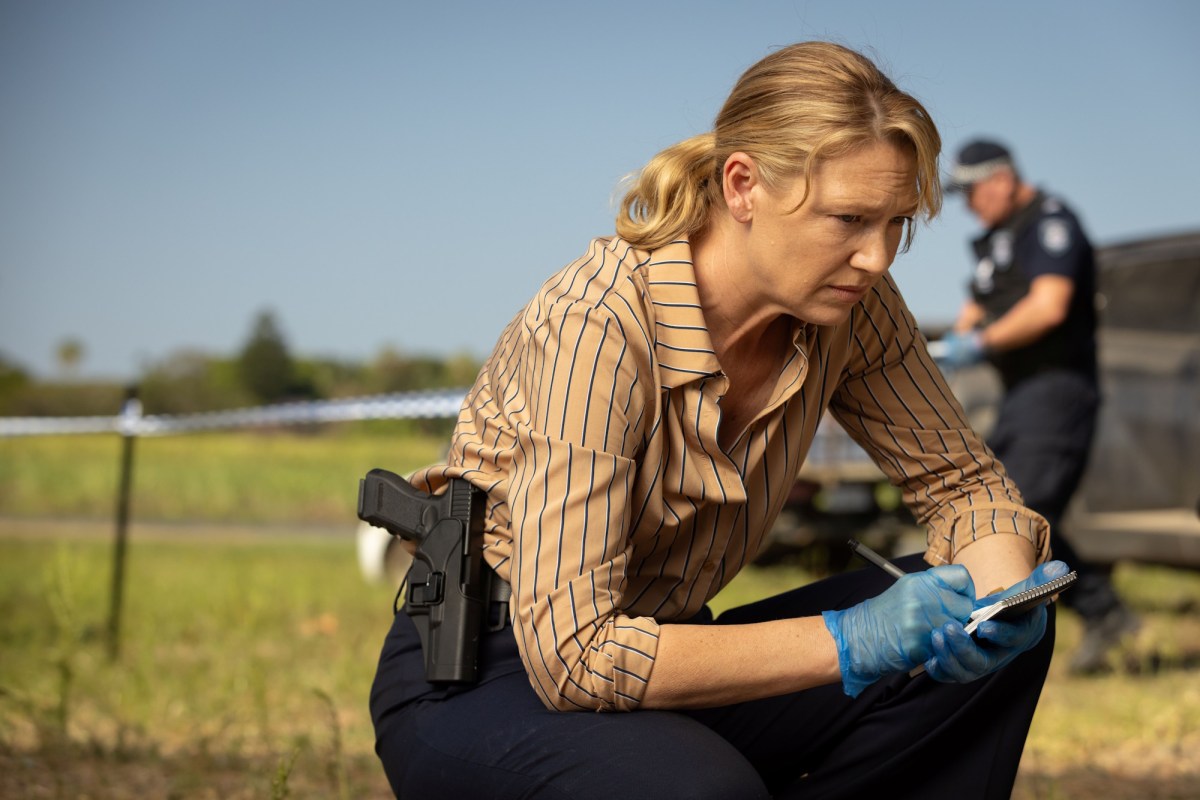
That’s a slight exaggeration: we’ve already had the excellent sports biopic Goolagong this year. But otherwise, all that’s coming up in 2026 is Dustfall (where a cop returns to their small home town only to be confronted with a murder) and Treasure & Dirt (where a big city cop is sent to a small mining town to investigate a murder).
ScreenHub: How to make an Australian crime series
But what about streaming? In recent years that’s become the home of Australian drama, which means that Australian drama is now reserved for those people willing to pay money for it.
Unlike sport, which has actual laws in place to make sure the important games stay on free-to-air television, our drama is now considered an optional extra on the small screen. (Don’t ask about how it’s doing on the big screen.)
The changing definition of ‘Australian drama’
While the streaming services do make Australian dramas, the definition of ‘Australian drama’ has become a bit flexible under their watch. Dramas filmed here but starring overseas actors have become the norm; often the stories are literally ‘I came here from overseas’, making What I Did On My Holidays suddenly a core myth in Australian culture.
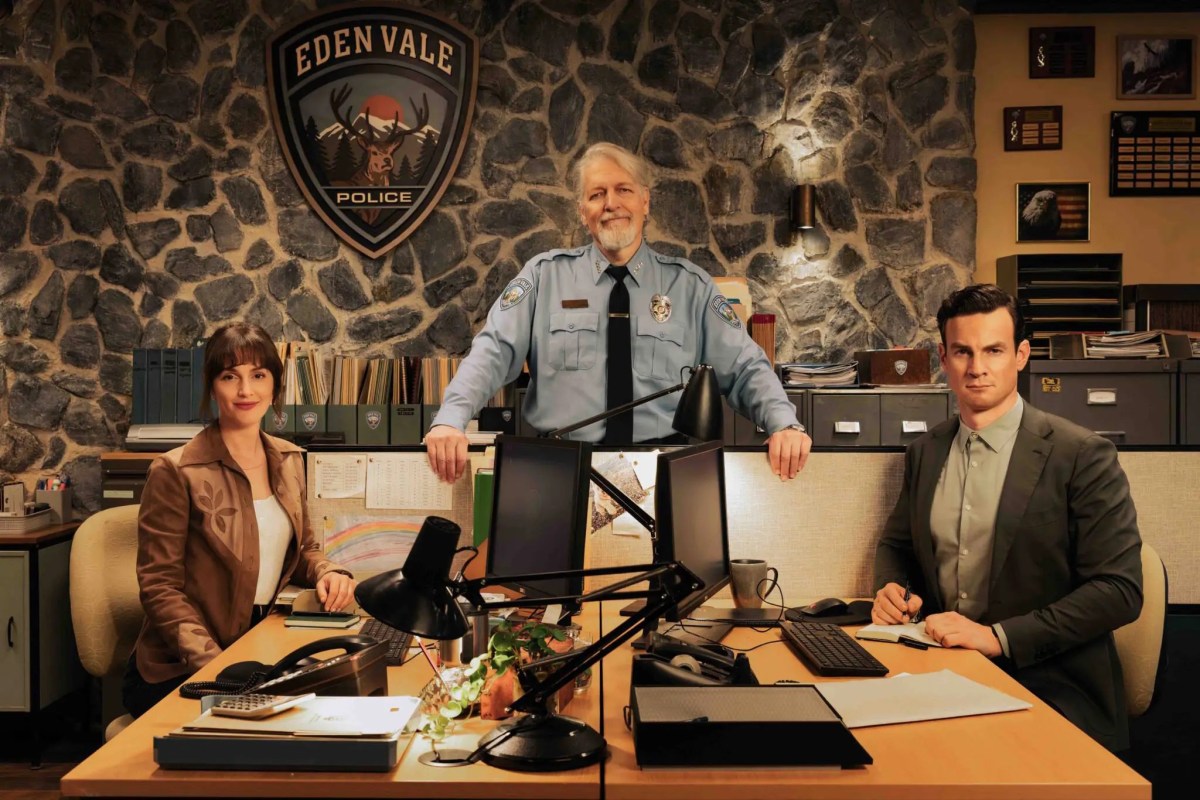
Sometimes Australia isn’t even playing Australia. The recent Good Cop / Bad Cop, was filmed in Queensland, standing in for the Pacific Northwest.
At least the streaming services aren’t obsessed with small town murder – later this year, there’s only The Killings: Parrish Station on Stan and Season 2 of High Country on Binge for mystery fans. Oh, and Careless on Stan is also a mystery, and F Ward, also on Stan, is a medical drama.
At least Dalliance on Paramount doesn’t seem to have any deaths, oh hang on. ‘Dalliance follows Billy (Hugo Weaving) an ex-cameraman who meets Dani (Heather Mitchell) on a Sydney Harbour ferry. The attraction is obvious… if Billy weren’t happily married to his wife of 40 years, Rose (Georgie Parker). But everything changes when Billy dies from a sudden heart attack while he’s with Dani.’ Spoke too soon there.
The ‘background noise’ business plan
Giving up on local drama was a business move by the local networks, a decision to shift their focus towards more cost-effective – read: cheaper – programming. The increasingly common idea that television itself is a ‘second screen’ that shouldn’t even try to distract viewers from their phones or iPads doesn’t help. Is there anything in the wave of new programming the free-to-air networks have unleashed that requires you to do more than have it on in the background?
The big assumption behind this shift towards programming that doesn’t require the audience’s attention is that television will survive becoming more disposable and less engaging.
The thinking goes that people are so used to having a television on, it doesn’t matter if there’s nothing on worth watching. Television can serve up just about anything, or next to nothing, just so long as it doesn’t distract people from their phones – because in a direct conflict, people will always choose their phones.
As a result, television has become the third wheel in Australia’s media relationship, the tag-along who hasn’t quite realised they’re not needed and we’re not quite ready to tell them to hit the bricks. The good news is, it’s not too late for them to do something to remind us of the relationship we once had. Then again, if we stuck around for Married At First Sight: After the Dinner Party, maybe we’re the ones with the problem.