The magic of film festivals, and the business, too, is fuelled by movies, screenings, guests and audiences – by a program of cinema to commune with in a darkened room, and to dive into with their creators and fellow devotees.
Sydney Film Festival and Melbourne International Film Festival, Australia’s big annual winter cinema showcases, know that they trade in something else that’s equally vital. Anticipation is as much a currency as titles and talent, and a drawcard for patrons – buzz that is often sparked by major international film festivals such as Cannes, Sundance, Berlin and SXSW in Austin.
A case in point springs from what’s now a SFF tradition, as well as perhaps its most stressful announcement for organisers. For years, under Festival Director Nashen Moodley’s decade-and-a-half leadership, SFF has expanded its program mere days before opening night.
Because 248 films from 81 countries isn’t enough this year, for instance, more features that world-premiered at Cannes just weeks prior have just joined the festival line-up.
SFF patrons keenly await the extra films. ‘People tell me all the time, “we haven’t finalised [our viewing schedule] because we’re waiting to see what you’ve got”. They’re always expecting it,’ Moodley tells ScreenHub.
Australian film festivals – quick links
The best in global cinema comes to Australia
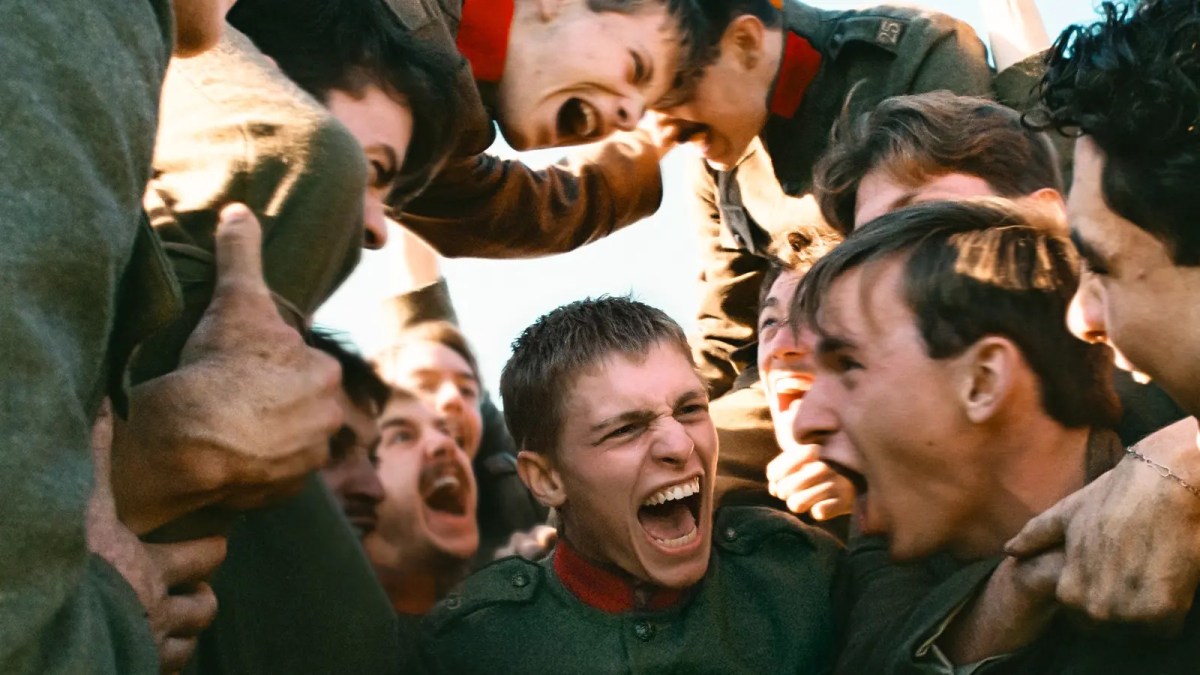
Unveiled two days out from the festival’s June 3 to 14 run, 2026’s late SFF batch doesn’t disappoint, with newly anointed Cannes Best Actor winer Coward and Best Actress recipient All of a Sudden among its eight films.
A few days earlier, the Adam Driver and Scarlett Johansson-led Paper Tiger was named as Sydney’s closing night pick, also making its Australian premiere fresh from France, where it was one of only two US films in competition.
‘There’s always this expectation that we’re going to have all these films from Cannes,’ says Moodley. ‘But it wasn’t always the case. Fifteen years ago, there’d be maybe one film from Cannes in the entire festival program.’
‘Now, there’s very much the expectation, there’s very much the anticipation, that there’s going to be titles added. This is, of course, a great deal of pressure on us to provide these films.’
SFF’s Cannes tally for 2026 is now 28 movies, including Palme d’Or winner Fjord, Grand Prix recipient Minotaur, Jury Prize winner The Dreamed Adventure, Best Director recipient Fatherland and Queer Palm winner Teenage Sex and Death at Camp Miasma. Nineteen were already in Sydney’s line-up pre-Cannes.
‘It’s no easy task, let me tell you, to have Cannes films in the program before Cannes even begins,’ says Moodley. ‘That’s a very difficult thing to do.’
‘And we’ve managed to, and it’s quite incredible because what it does is it provides the people of Sydney and people attending the Sydney Film Festival – they’re usually the first public audience in the world to be able to see these films – to just buy a ticket and watch them.’
After Cannes and Sydney, Melbourne is often among a movie’s next stops on the Australian festival scene and internationally. ‘Being part of the first audiences to see these films’ is definitely part of the attraction for MIFF patrons, Artistic Director Al Cossar also observes.
Peruse not just SFF or MIFF’s full line-up in any given year, but their announcements both before and after revealing their program, and Cannes and its fellow global heavyweights always pop up frequently, of course. It’s a film festival’s job to show the finest in international cinema to its audience, which means selecting from movies that’ve first played the best overseas film festivals.
With their ticket purchases, are Australian audiences responding to that international festival pedigree? Does the well-known trend for Aussie films in general release – where local viewers love to see an overseas tick of approval on a homegrown movie, such as Samson and Delilah, Animal Kingdom, The Babadook and Talk to Me – apply to global titles at local festivals too?
Capitalising upon Cannes
Both Moodley and Cossar appreciate the flow-on effect of a festival like Cannes. Cossar, who is currently in the thick of preparing for MIFF’s 6 to 23 August dates, dubs the most anticipated such features ‘festival blockbusters’.
‘These films that utterly break through, that are elevated in conversation, whose profile and stature continues to develop over the course of a programming cycle … are essentially hot tickets,’ Cossar says. ‘And these films and headliners often tend to be those Sundance breakouts, those Cannes competition and acclaimed auteur titles.’
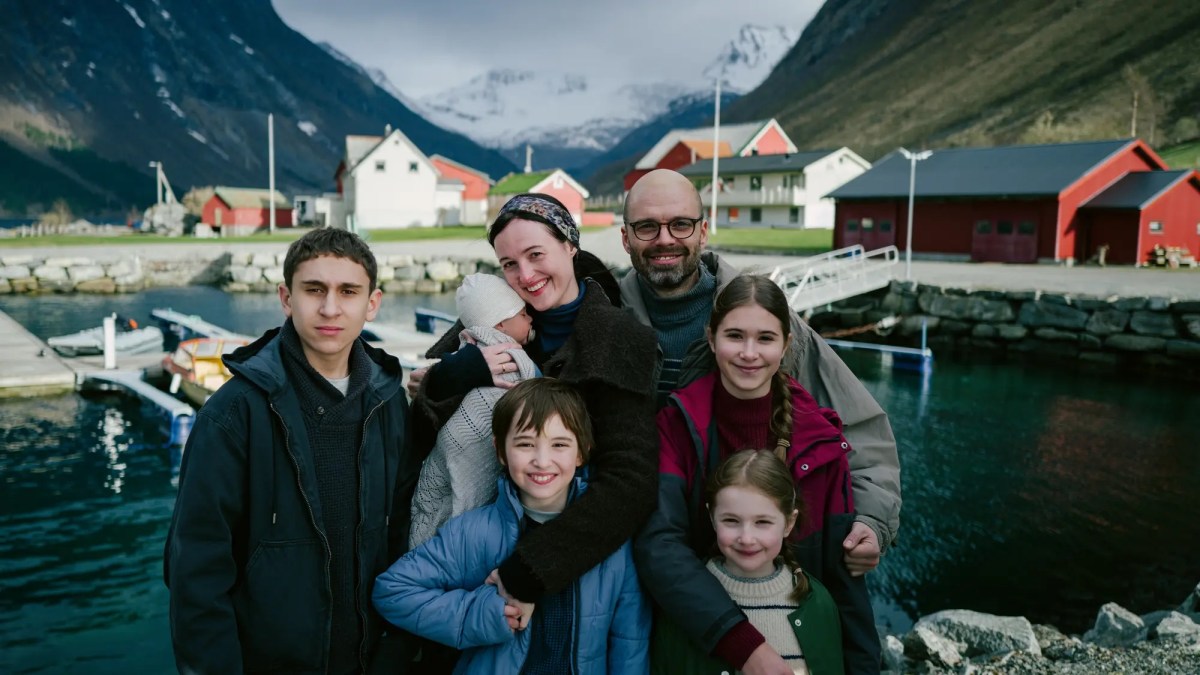
Indeed, at SFF, if a film already on the line-up pre-Cannes wins the Palme d’Or – as occurred with this year’s Fjord and 2025’s It Was Just an Accident – ticket sales unsurprisingly spike.
‘The Palme d’Or is, I think, even for people who are not cinephiles, even for people who don’t follow the regular awards and what’s happening at film festivals, … [is] so very much in the popular consciousness that people want to want to see [the winner],’ says Moodley. ‘It’s very well known.’
Other Cannes winners also benefit. ‘You do get that rush when the Cannes awards are announced. We had a very big day of sales on the Sunday, and Cannes announced their prizes on Saturday,’ Moodley says.
Cossar adds, ‘Cannes is covered in every kind of news show, current affairs show, everything’. He points to how it’s come to represent what the film world is celebrating. ‘That’s sort of the peak of those ideas for a lot of general audiences.’
Why audiences buy tickets
That said, Moodley and Cossar are innately aware that how SFF and MIFF patrons decide what to see is far more complicated. ‘When we ask the audience “how do you choose your films?”, the most popular answer is by reading the synopsis. That’s what people generally make the choice on. It’s what the film is about,’ says Moodley.
‘There are many things around that, like what country it comes from, who the director is, who’s starring in the film. And then you have things like which festival it played at, whether it won awards or not, what do the images look like, what is the trailer like.’
The anticipation on social media, including dedicated film platform Letterboxd, similarly has an impact, says Cossar. ‘I think these [platforms] have really altered the landscape of audience engagement – definitely in terms of the way people respond to films … [and] how they become part of a conversation,’ he says.
‘They all have their personal accounts [and] lists, but there are so many lists that are arranged by festivals and festival year, and so many different ways to understand how films grow an audience and grow profile.’
Cossar adds, ‘These are always on feedback loops, and they’re immediate feedback loops, in a way that’s different to 15 years ago.’
Australian films, overseas approval
Look at the Letterboxd entry for Australian film Leviticus, for example, and user reviews such as ‘haunted rivalry’ and ‘It Follows with conversion therapy’ add to the excitement accompanying the Sundance-premiering title home.
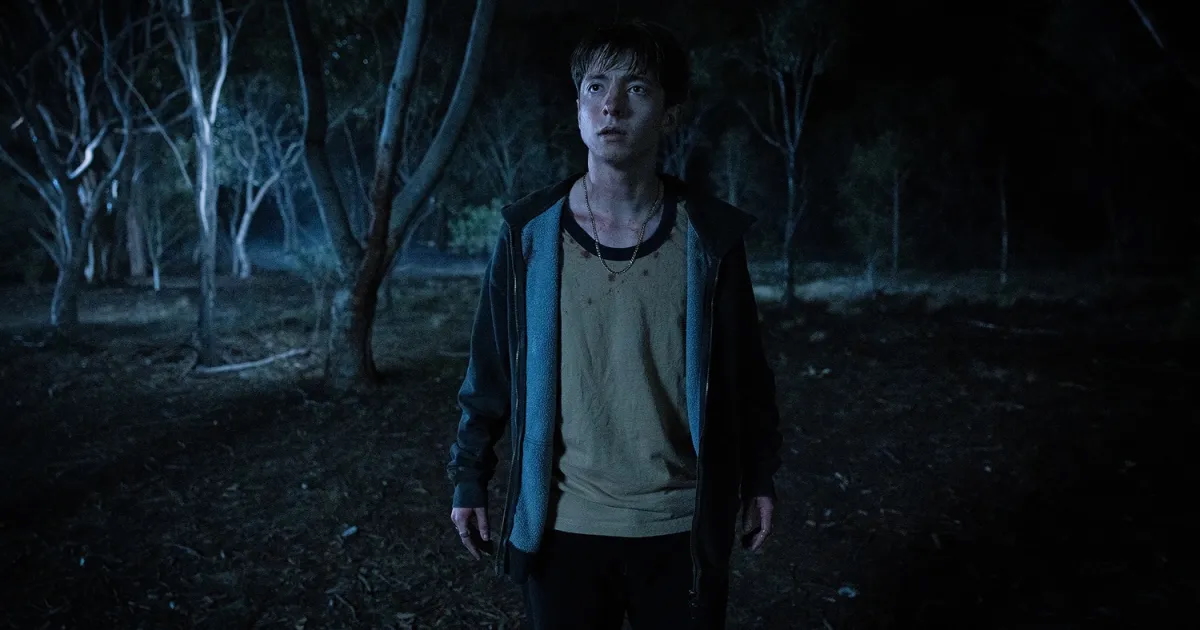
The debut feature from writer and director Adrian Chiarella (TV’s Totally Completely Fine and Five Bedrooms) was snapped up by US distributor Neon after its Park City debut, and is now the only Aussie title in SFF’s 13-movie 2026 Official Competition, vying against Cannes award-winners Fjord, The Dreamed Adventure, Fatherland and Minotaur.
Following its Australian premiere in Sydney, general audiences nationwide will be able to watch Leviticus within days, its 18 June Australian cinema release timed with the US. Two SFF sessions are still already selling fast, though.
Has its Sundance history made a difference? ‘We find that there’s a great deal of support for Australian films, regardless of whether they’ve had big international premieres or not,’ says Moodley.
‘Of course, for a film like Leviticus, for a film like Saccharine [Natalie Erika James’ new Aussie body-horror movie] that we’re playing this year, both of which come from Sundance with very positive reviews [and] some acclaim, I think that really does help a lot in bringing attention to the films,’ Moodley says. ‘So it’s not essential, but it certainly enhances the enthusiasm, the anticipation for the films.’
ScreenHub: Saccharine review – freaky, fun body horror for the Ozempic era
For Chiarella, screening Leviticus at SFF ‘and in Official Competition, alongside some of my filmmaking heroes, is a real dream come true,’ he tells ScreenHub. ‘Sydney is my hometown and Sydney Film Festival is where I fell in love with cinema. It introduced me to filmmakers and films that completely expanded my understanding of what the medium could do.’
While recognising that by first premiering at Sundance, his film bowed at ‘one of the most prestigious film festivals in the world’, what excited Chiarella most ‘was the audience. Horror fans there are incredibly engaged. They laugh, they scream, they jump out of their seats. They completely surrender themselves to the experience.’
In their trajectory from Sundance to Sydney Film Festival, both Leviticus and Saccharine charted the same route as SFF’s 2025 opening-night pick Together. Still, Chiarella took Leviticus to Utah ‘with fairly measured expectations, but it quickly became clear just how closely the industry follows the festival’.
‘What surprised me, though, was the audience side of the experience,’ Chiarella adds, with Leviticus also playing SXSW, Overlook Film Festival, and more.
‘These US festivals have huge international profiles, but they’re actually held in regional towns and cities across America. Although the film is set in rural Australia, many audience members came from parts of America where questions of identity, sexuality and belonging felt just as relevant.’
ScreenHub: The best horror films still to come in 2026
As for the fact that receiving overseas attention first is a reliable way to repeat the feat at home, he says, ‘I think part of it is simply the world we live in now. Festivals like Sundance generate a huge amount of conversation online – and because so much of that discussion happens globally, it inevitably travels back to Australia. There are just a lot of people talking about movies over there. And when a film starts building momentum, audiences here become curious too.’
‘For a film like Leviticus, that festival pathway was always the strategy. Independent films don’t have the kind of marketing budgets that studio releases do, so we rely much more heavily on word of mouth.’
Chiarella adds, ‘We were lucky enough to have a fantastic run of festivals across North America and those audiences really got behind the film.’
New paths and audiences
‘I think there [are] a lot of Australian films that look for that international tentpole moment,’ says Cossar. ‘It definitely does create that moment of attention and anticipation that can translate into audiences … or that general groundswell of awareness that people value more and more.’
Cossar also doesn’t believe that it’s essential. MIFF’s 2026 program won’t be revealed until 9 July, with its first sneak peek dropping on 11 June, but the Australian slate of titles at 2025’s festival included the documentaries But Also John Clarke and Signorinella: Little Miss – which were Aussie hits, he says, due to being ‘massively localised in their appeal, where that point of impact really needs to be felt locally rather than internationally’.
For Australian movies, Cossar notes that Aussie success can precede a feature’s stint internationally, taking the reverse path. ‘I’m thinking of a film from a decade ago, Killing Ground,’ Cossar says. Post-MIFF, Sundance was merely one destination on the horror flick’s global festival tour.
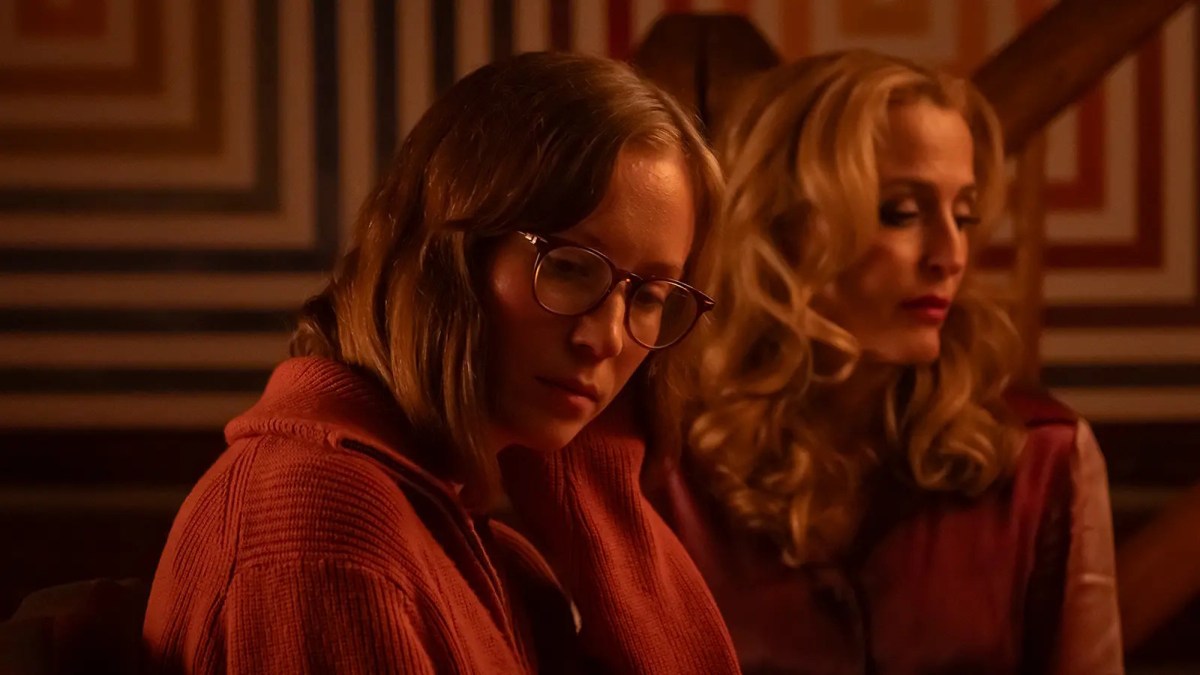
At the 2026 Sydney Film Festival, the hottest ticket in the program is Jane Schoenbrun’s Teenage Sex and Death at Camp Miasma. The US film is a Cannes title, yes, but Moodley can’t pinpoint how much influence that, or its Queer Palm win, has had.
‘When we screened I Saw the TV Glow a few years ago, there was certainly anticipation for that film, and the film did very well. But this year, the first screening at The State to sell out was Teenage Sex and Death at Camp Miasma,’ Moodley says.
The week before SFF, it had completely sold out three sessions, including one at the festival’s grand 2000-plus-seat marquee venue. ‘All sessions, gone. It’s really amazing. And would it have been the same result if the film wasn’t in Cannes? I don’t know. Maybe,’ ponders Moodley.
‘When you look at the line-up, when you look at the entire competition [with] some really very established names, for something like Teenage Sex and Death of Camp Miasma to take off in that way is wonderful.’
While the sway of Cannes might be hard to quantify in this case, the impact of SFF’s shifting patron profile in building anticipation is obvious, mirroring 2026 general-release horror films Obsession and Backrooms – which have become international and local box-office smashes.
‘If you’re going to the State Theatre every day, you’ll see the change in the demographics. And we’re so really happy that a young audience is coming to the festival in greater and greater numbers,’ Moodley says.
‘That Teenage Sex and Death at Camp Miasma was the first film to sell out the State Theatre just shows that change in the demographics.’