When we finished our feature film What About Sal?, I thought the hardest part was behind us. We’d made the film. We’d survived the shoot, the edit, the mix and all the decisions that seemed urgent at the time.
Then came a different kind of work: convincing people to watch it.
I found myself calling cinemas, journalists and anyone who might know someone worth speaking to. Some calls led somewhere. Plenty didn’t. We kept going.
What About Sal? had a cinema run and eventually reached Netflix’s Top 10 in Australia and New Zealand, also streaming on Prime Video, but there was no neat handover between ‘film finished’ and ‘audience found’. We had to do most of that work ourselves.
Australian drama production may be attracting record spending, but that doesn’t tell an independent producer what to do with a finished film. These are the questions I wish I’d asked earlier.
After the film is finished – quick links
Can you tell someone what your film is in one sentence?
Not how long it took to make, or why the subject matters to you. What happens in it?
With What About Sal?, I could say: as his mother is dying of cancer, Sal, a man with Down syndrome, sets out to find the father he has never met, a rock singer who may be the only family he has left.
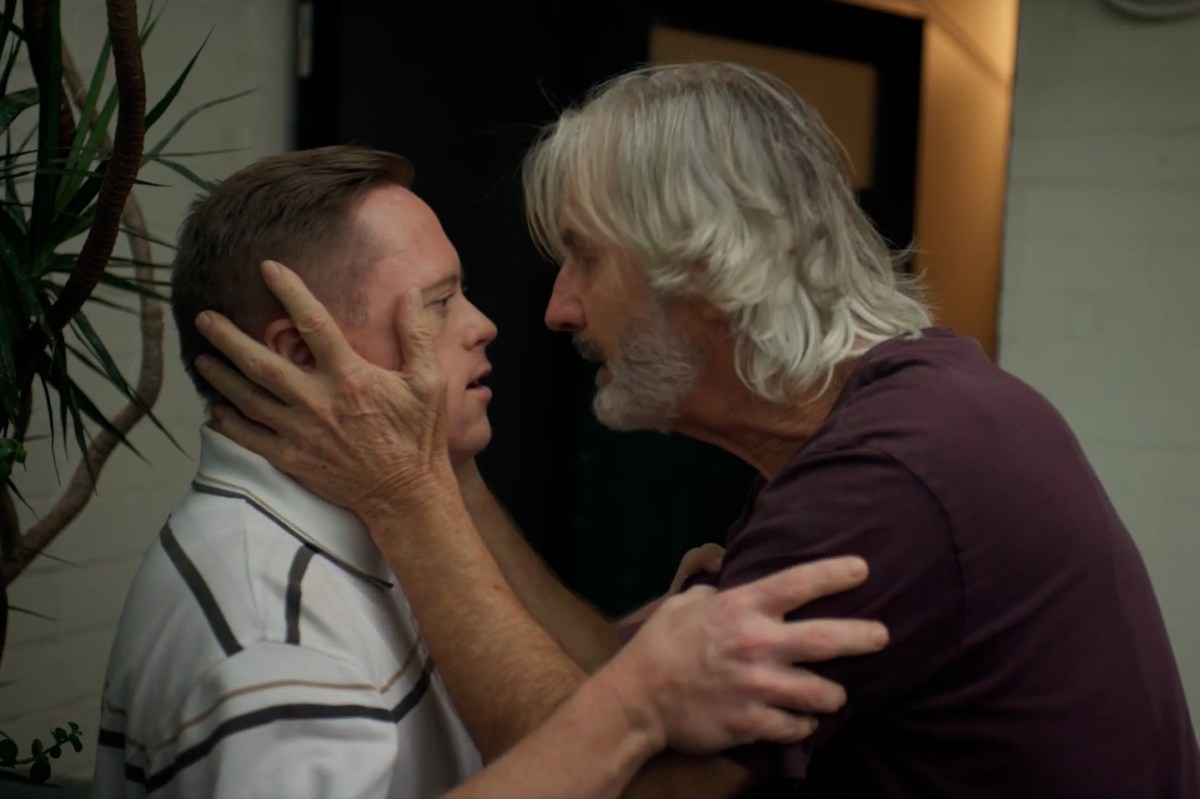
That gives people someone to care about and a reason to wonder what happens next. You can talk about everything else once someone wants to know more. If you need five minutes to explain the film before they can decide whether to see it, you have a problem.
Where will it meet its first audience?
A festival can bring press and industry attention. A cinema screening can show you who comes, how they respond and what they talk about afterwards. A streaming release can reach people who would never have gone to a cinema for your film. Each offers something different.
For What About Sal?, screenings and Q&As mattered. We could meet audiences and hear from them directly. Those conversations gave us something to build on when we approached the next cinema, the next journalist or the next community group.
I’d think about that before choosing a release path. What does your film need first: a buyer, an audience, reviews, word of mouth? Where are you most likely to find it?
Who is going to do the work of getting it seen?
Ask this question early, and ask it plainly.
With What About Sal?, our team made the calls. We approached cinemas and journalists, followed up, asked for introductions and worked through every ‘who knows who’ connection we had.
It wasn’t glamorous, and it took time away from the next project. It also taught me who our audience was and which conversations were worth having.

If someone offers to take on a film’s release, I would now want to know exactly what they plan to do. Which cinemas will they approach? Who is handling publicity? What happens after the first few screenings? Who follows up when the answer is no?
A logo on a plan is reassuring. A person making the calls is more useful.
Who has a reason to talk about your film?
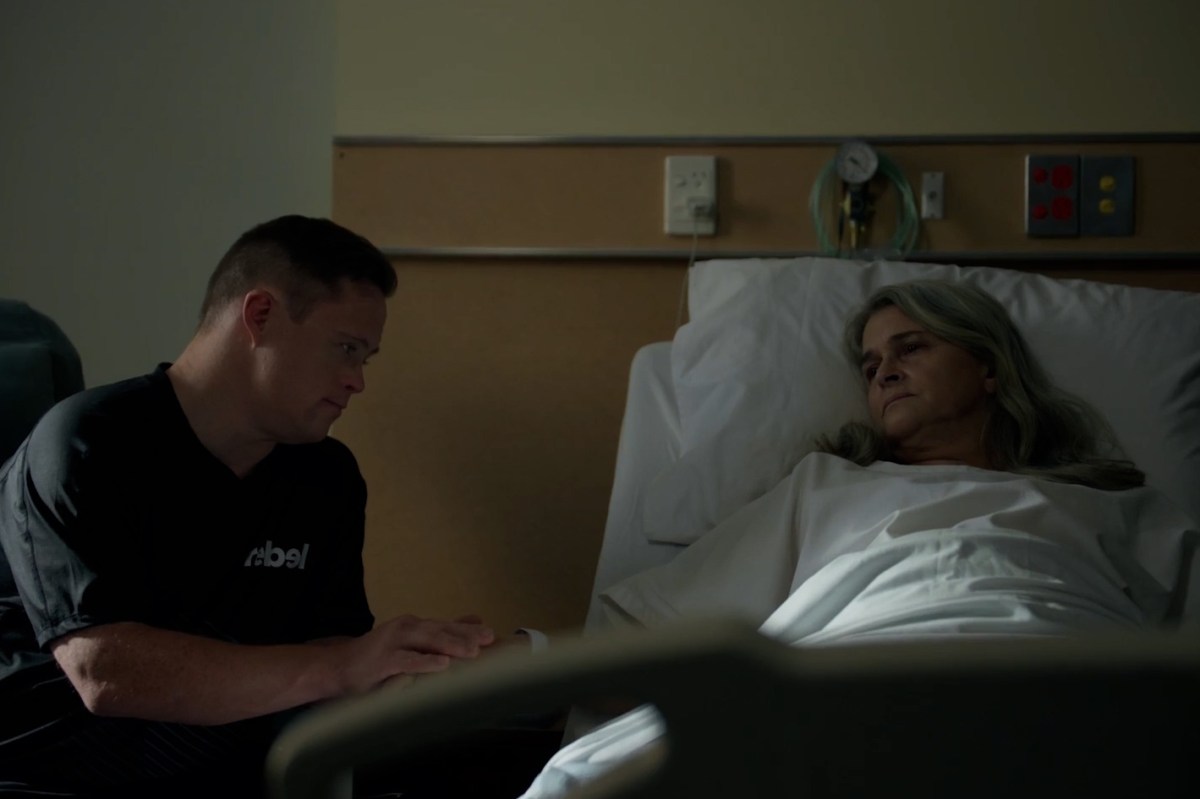
Sal’s mother is dying. He has no other family to turn to, and he could lose the chance to decide what happens to him next. His search for his father is about finding a place in the world when the person who has always been there for him is running out of time.
That was something people connected with. Gerard O’Dwyer, an actor with Down syndrome, was at the centre of the film, and disability organisations helped us reach audiences who wanted to see his story. Their support meant more than a mailing list. They cared about what happened to Sal.
Every film has its own version of that audience, though it might take some work to find. Start with the people who have already responded to it. Ask what they connected with. Give them a chance to bring someone else.
You need a good poster and trailer, of course. But a person saying ‘I saw this, and I think you should too’ can do something a campaign can’t.
What happens when someone says no?
Sometimes the answer will be a polite pass. Sometimes it will be silence, which is harder because you can spend weeks trying to work out what it means.
It’s easy to feel like either response bigger than it is. One platform, cinema or journalist can only tell you whether the film works for them at that moment. If you can get useful feedback, take it. Then decide who else should see the film.
There were many points during What About Sal? when we could have stopped making calls. I’m glad we didn’t. A screening can lead to another screening. Someone in the audience might know the person you’ve been trying to reach. You rarely know which conversation will move things forward until after you’ve had it.
When What About Sal? reached Netflix’s Top 10, I was thrilled. I also thought about how many people had helped us get to that point, and how much work audiences never see.
So yes, celebrate when the film is finished. Take a breath. Then work out who you’re calling tomorrow.