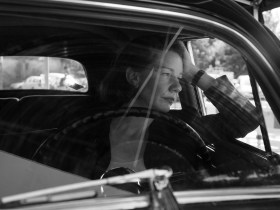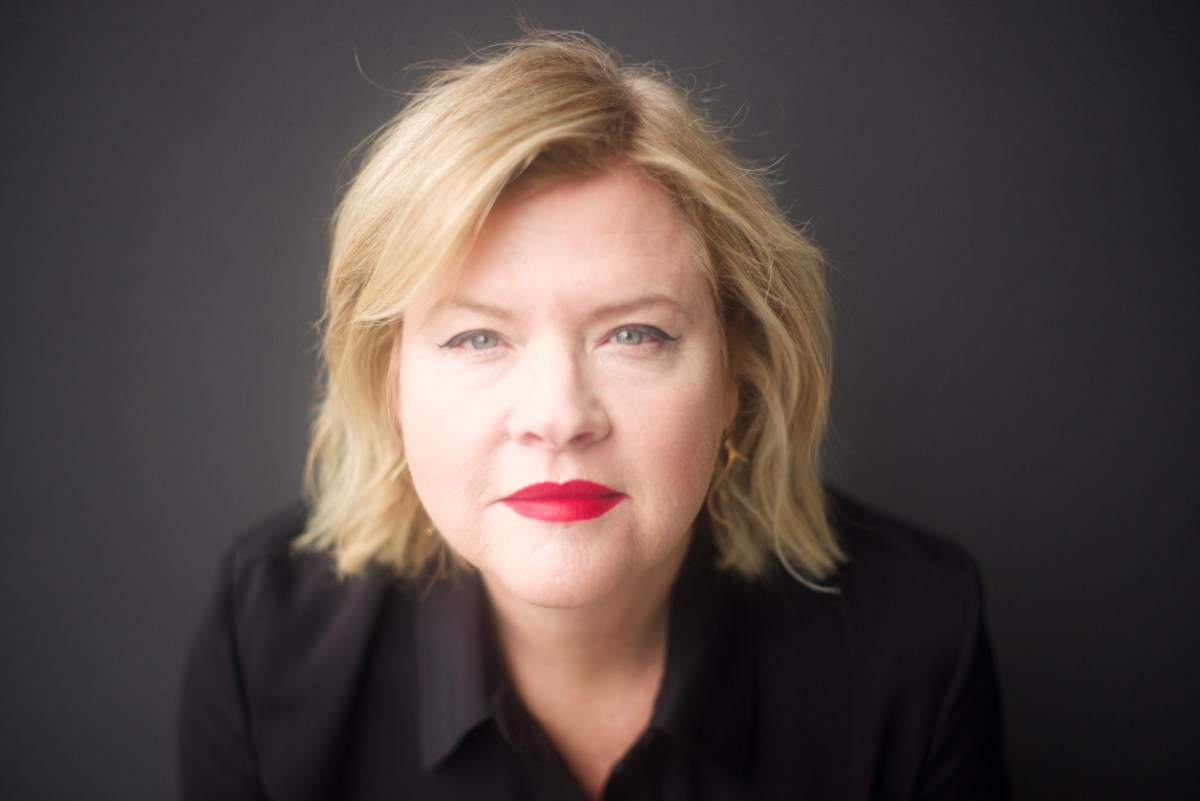
When Mandy Walker was establishing her career in film, fellow Australian cinematographers were scaling the world. Between the mid-1980s and mid-2000s, Aussies were Oscar-nominated for Best Cinematography 10 times.
In a 15-year period, five Australian directors of photography went on to win: Dean Semler for Dances with Wolves; John Seale for The English Patient; Andrew Lesnie for The Lord of the Rings: The Fellowship of the Ring; Russell Boyd for Master and Commander: The Far Side of the World; and Dion Beebe for Memoirs of a Geisha.
While her colleagues were earning Hollywood accolades, plus the world’s attention, for big international titles, Walker was watching on excitedly. It couldn’t have been a more inspiring period to begin making her way in cinematography as an Australian, and fleshing out a resume that has since garnered Walker her own Oscar nomination, which came in 2023 for shooting Baz Luhrmann’s Elvis.

‘People, when I work overseas, they always ask me “Why are Australian cinematographers so successful? What is it?”,’ she tells ScreenHub. ‘Because we’re a relatively small country, population-wise, but we have great artists.’
For Walker, one reason is the uniqueness of Australian light. ‘We all had to learn in that light,’ she says.
‘I was just the other day talking to an American cinematographer who’s coming out here to shoot, and I said, “I have to tell you this, the Australian light is very harsh … There’s much more contrast. There’s less atmosphere … The skies are bluer than blue, and the sun goes up high pretty quickly in most of the country”.’
She adds, ‘We get to work in the harshest conditions. So once you’ve mastered that, you get to a place in Europe and think, “Wow, it’s much easier and it’s much softer and it’s much more forgiving”. And so I think it teaches us a lot.’
Mandy Walker interview – quick links
Early days – and the gift of confidence
Before becoming only the third woman nominated for an Oscar for cinematography – and the first to win the American Society of Cinematographers Awards’ feature category and take out Best Cinematography at the AACTAs too – Walker received her start via another Australian director of photography.
Ray Argall enlisted her to shoot 1990’s Return Home, his first feature as a director. ‘He actually was my main mentor. I was his camera assistant for … quite a few years in my twenties,’ she says.
At that point, she’d already worked on a few of his own shorts and music videos, as well as on features for others. Argall gave her two gifts on Return Home: the job itself and faith that she could do it without his oversight.
As Walker recalls, Argall said, ‘I want you to do it and feel confident enough that you’re going to be able to achieve this on your own.’ That was daunting, yes, but she appreciated it was ‘coming from another cinematographer that had gone through that experience with other directors’, she says. ‘It was a really great learning curve.’
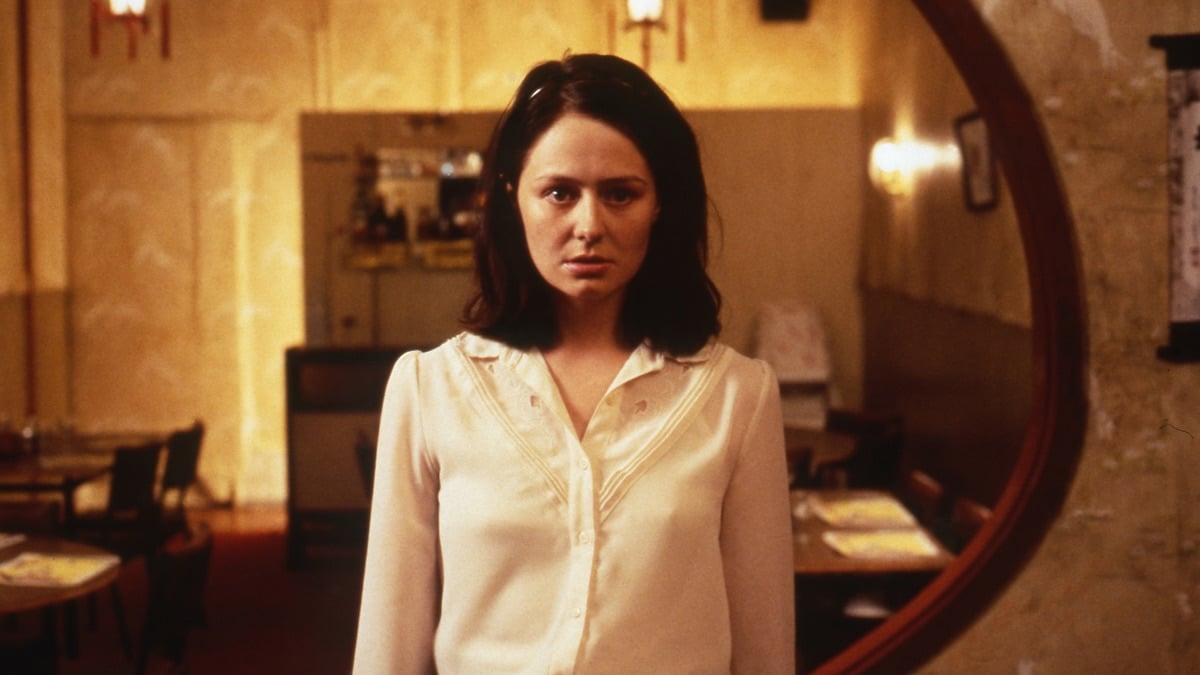
Even on Walker’s earliest DoP credits, there was no doubting she knew how to shoot under an Australian sun. Her talents helped shape some of the nation’s standout 1990s and 2000s movies, such as Love Serenade and Australian Rules – two features that look and feel so distinctively Australian, and like they’re traversing small towns that every Aussie would recognise, that viewers can be forgiven for thinking they can step right into their rural locations.
The Sydney-set Lantana, which director Ray Lawrence insisted be shot with natural light, remains the country’s finest suburban drama. Its evocative sense of place, one of Walker’s specific skills, is a key reason that the film strikes such a chord.
‘It was one of the most difficult things I’ve ever done because it was all about picking the right locations,’ Walker says. ‘It was a completely different way of working because it was not controlled.’
Relishing a challenge
Seeking out that type of test, and also pulling it off, opened the door to the next two significant developments in Walker’s career: her debut overseas gig on the Billy Ray-helmed Shattered Glass, and collaborating with Luhrmann, commencing with his initial Chanel No 5 commercial starring Nicole Kidman.
Both directors came calling after seeing Lantana, which was what Walker hoped for. She wanted to show she was prepared for anything, she says.
In the US, Shattered Glass helped put her on the path to more American films, such as Beastly and the Amanda Seyfried-led Red Riding Hood.
At home, her creative relationship with Luhrmann made the jump into features with Australia – ‘and that was a huge break for me, doing that movie, because Lantana was the biggest film I’d ever done at that point in my career,’ Walker explains.
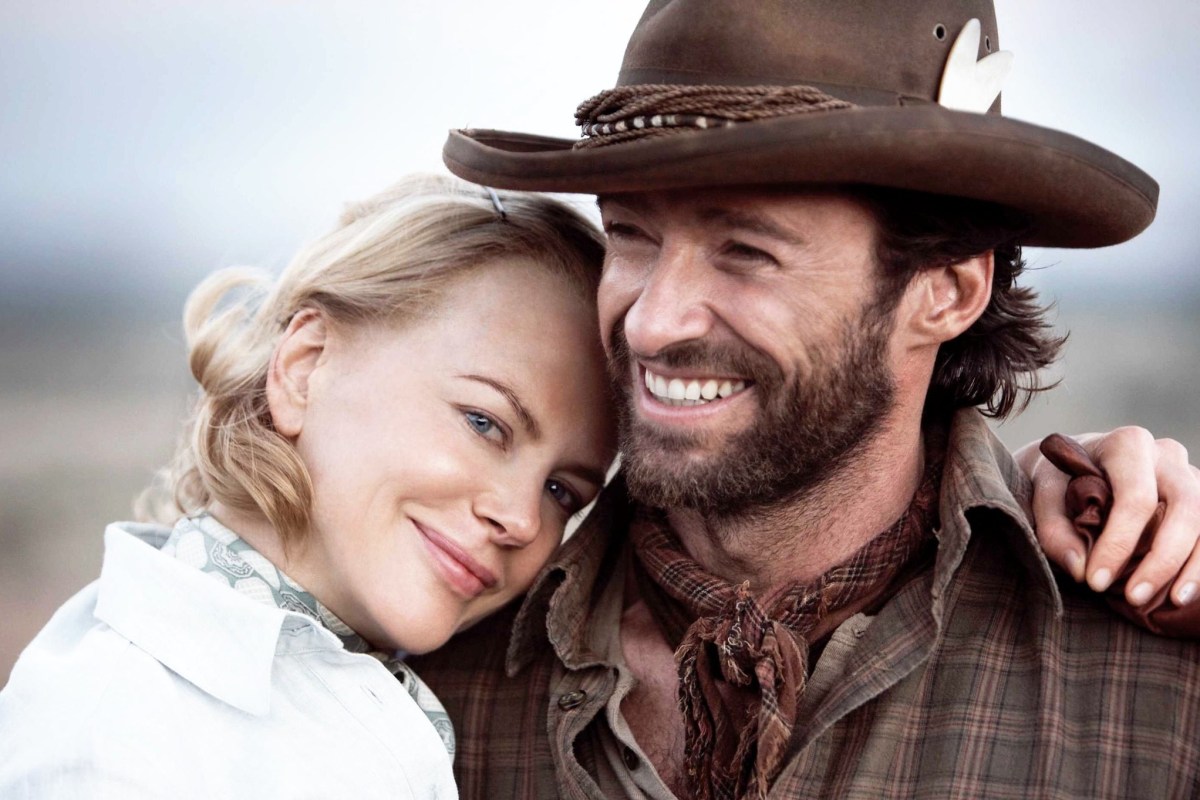
Prior to beginning work on a movie that was both a homegrown project and a $100-million-plus-budget big Hollywood production, Walker recollects Luhrmann asking her if she felt confident she could do the movie. He said to her, ‘One thing you’re going to learn really quickly is you’re an artist and a technician, but now you have to be a general,’ she says.
‘That was about the fact that I had always been on small Australian crews, and here I was going to have over 100 people, sometimes 200 people, in my department that I’d be responsible for,’ Walker says.
‘That was a huge learning curve for me, and I’ve never forgotten that conversation, because it set my mind off on a different way of working straight away.’
Walker has carried her Australia experience with her ever since, including to US films like Hidden Figures and The Mountain Between Us, plus the live-action Mulan and Snow White.
It’s also shaped her approach to leadership and the roles of cinematographers on set. ‘When the shit hits fan and we’re behind for any reason, the weather or whatever’s happened … it’s the director, the first AD and the cinematographer that get called into the office to work out how we solve these problems,’ she says.
Expressing emotion through imagery
Walker was president of the American Society of Cinematographers from 2025 to 2026, the first Australian and first woman in the role. But she still sees her primary task as ‘getting into the head of the director, and understanding the story and the representation of the environment and what it means to the characters,’ she says.
Walker has a knack for conveying a sense of place. ‘I will go to locations quite a few times … at different times of day, and a lot of it’s about how it makes me feel at the moment,’ she explains.
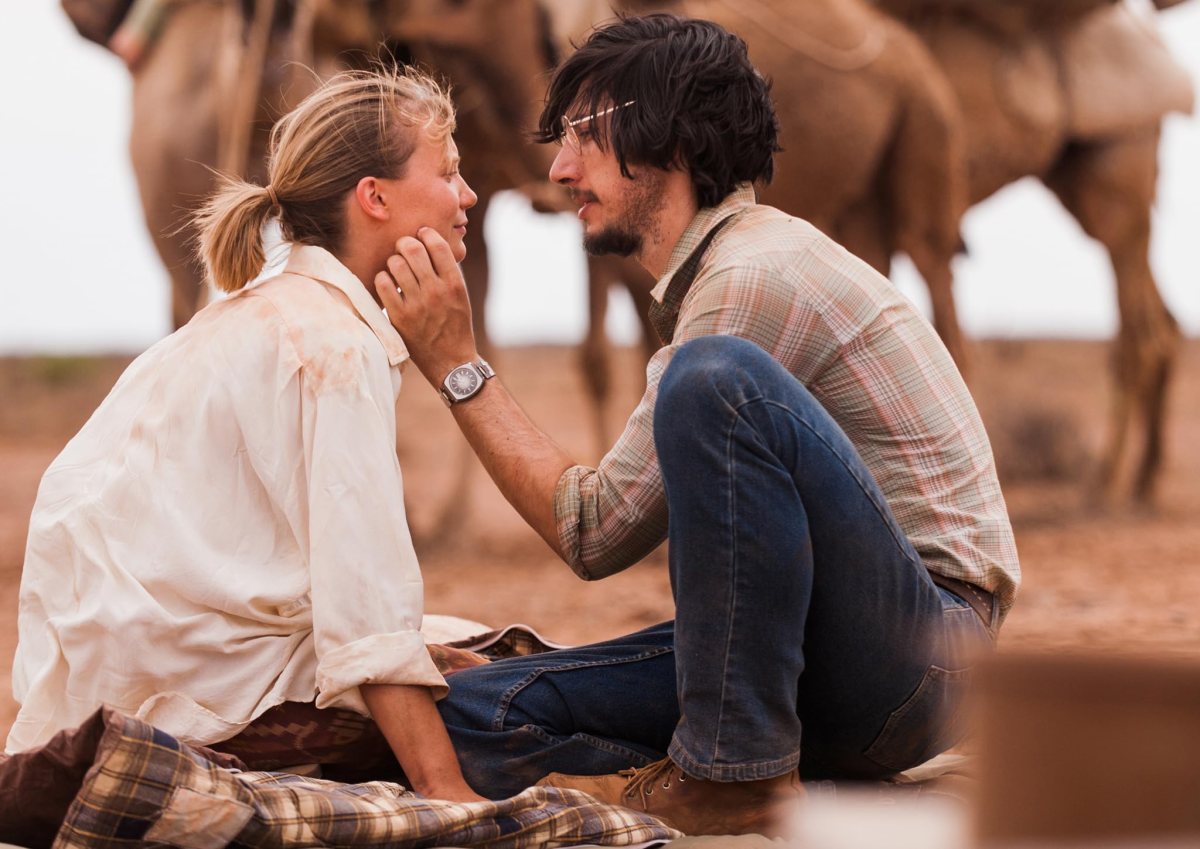
Tracks, the desert-set, John Curran-helmed 2013 adaptation of Robyn Davidson’s memoir, provides a stellar example of that skill in action. ‘Because there’s hardly any dialogue in that film, a lot of the visuals had to tell the story,’ Walker says.
‘So when John and I were first working on the movie, we would go to these different locations and sit there and say, “Well, what does this location represent at this point in the story? Is it harsh and threatening or is it beautiful and enjoyable?” And then we would look at the different times of day to shoot.’
She adds, ‘A lot of the times where [the main character] was struggling or felt defeated, we would shoot it right in the middle of the day with really harsh sunlight. And then when she was really in a mode of feeling that she’s achieving something and enjoying the moment, and enjoying the experience with the camels and the dog, and enjoying the environment, we’d shoot it at the end of the day in the beautiful sunset.’
Ready for anything
Whether chatting about how director Shirley Barrett ‘did such an amazing job’ on Love Serenade, or about how Mulan’s New Zealand shoot meant making ‘very similar light to Australia’ convey medieval China, Walker’s passion for both for her craft and the collaboration it requires is unflagging. ‘I just love working with directors and telling their stories,’ she says.
‘Especially someone like Baz Luhrmann, who’s a visionary,’ Walker continues. ‘It’s such an incredible experience working with him and [designer] Catherine Martin. And for me, it’s about those experiences and being able to achieve storytelling for an audience.’
Her connection with Luhrmann extends across commercials, Australia and its episodic reworking Faraway Downs, and Elvis so far, with Jehanne d’Arc up next, due to hit cinemas in 2028.
Walker can’t yet talk about what Jehanne d’Arc will entail for her or what she’s most excited about – ‘we’re just about to start, and it’s very early days,’ she says – but helping the Gold Coast, where it will shoot, double for 15th century France is a new task.
But Walker has always valued variety. ‘I’ve always tried to pick different genres or different directing styles, to be able to collaborate with different people in different ways, so that I would have as much experience as I could in having different challenges,’ Walker says.
‘Because every film has a challenge, always. No matter how big or small they are, there are challenges that come up.’
Again, the aim is to always be ready for whatever any film requires. ‘I try to be as diverse in the projects that I’ve done as possible so that I feel like I definitely can now say I could do anything,’ she says. ‘Someone could throw in any type of movie, any genre, any style, because I’ve had all these varied experiences.’
She adds, ‘I would love to shoot James Bond one day or some amazing action film.’
Creating visual feasts with Baz Luhrmann
That desire to embrace diversity and take on a challenge is a clearly a driving factor in her creative relationship with Luhrmann.
‘As soon as I start working on a job with him, it’s so exciting for me because he does a lot of prep and he comes to me with a visual storytelling idea. He comes with a plan. He comes with great, inspirational descriptions of things that he wants to do.’
For Australia and Elvis, Luhrmann and Martin had already put together a lookbook, for instance. It meant Walker could come in with a clear direction for the cinematography. ‘Because the visual language is about all of us being on the same page,’ she says.
Luhrmann’s movies are always a feast for the eyes, but Walker knows that his famous style is part of the substance of his films. With the energetic, like-you’re-there concert recreations in Elvis, ‘there was always another layer to it that was as important was the drama,’ she says, ‘because we’re also wanting to experience what Elvis is experiencing in that moment, and why those concerts … affected his life at the time.’
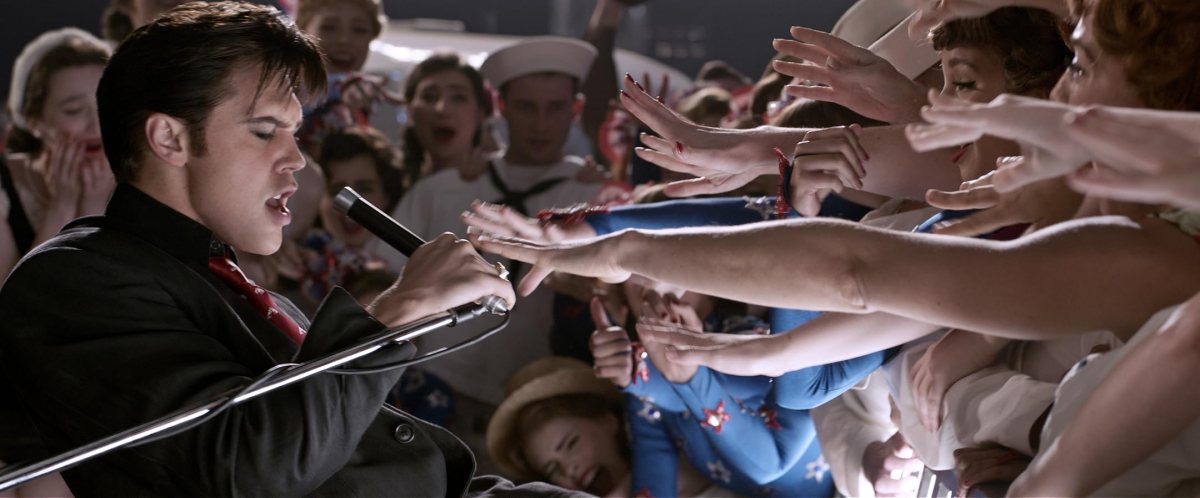
On top of replicating the ‘exact photography’ of those concerts, Walker layered in ‘shots within that were about him and about his experience and his emotion.’
As much as Luhrmann is ‘about vision,’ Walker says, ‘he’s also really importantly about emotion, and about the character’s journey and the audience understanding that journey and their relationships.’
A window to the world
Ahead of shooting Jehanne d’Arc, Walker spent the end of October watching movies rather than making them, devouring 18 films as head of the international jury at the 2026 Asia Pacific Screen Awards – an accolade she was once nominated for, for Tracks.
Among this year’s APSA recipients, Georgian drama Guria took out Best Picture, Afghan filmmaker Shahrbanoo Sadat picked up the Jury Grand Prize for For No Good Men, Thailand’s Sompot Chidgasornpongse was anointed Best Director for 9 Temples to Heaven and Vietnam’s Nguyễn Vinh Phúc was named Best Cinematographer for Hearing.
‘I get to see other cultures and other people’s experiences, and understand them more,’ she says. ‘It enriches your knowledge of the world, and I love that.’ It’s why she’s now served on ‘quite a few juries’, she says, including the FilmLight Colour Awards in 2024 and EnergaCAMERIMAGE in 2025.
A creatively inspiring process, it also harks back to why she fell in love with the silver screen to begin with.
‘When I was growing up, my parents always took me to the cinema, and a lot of the times they took me to foreign-language films. And one of the things that really impressed me was [thinking], “Why do I feel like I understand this foreign place and this culture that I’ve never seen before, and the experiences of these people?”,’ she says.
‘Then I realised the camera is a big part of that – the cinematography – in setting a sense of place and … capturing emotions and people’s experiences. It took me to exploring what a cinematographer … does. And that’s what I feel that my job is, to help tell stories.’