Another day, another step toward clarity around AI and copyright in Australia.
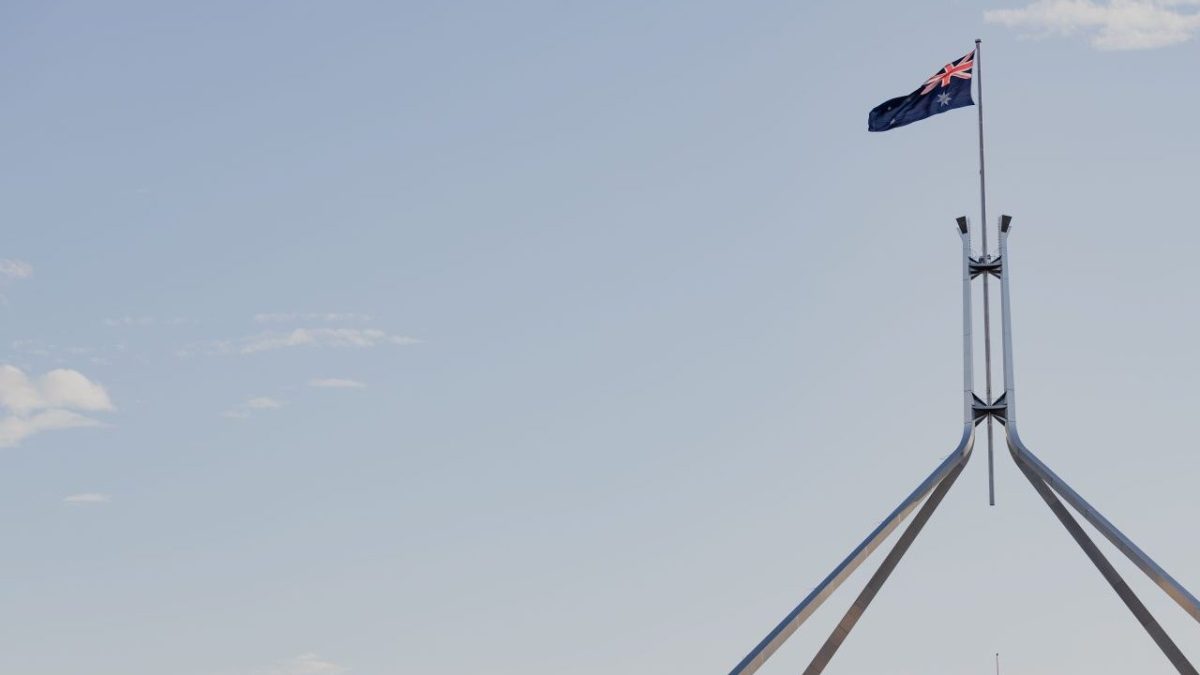
The Joint Select Committee on Artificial Intelligence tabled its final report in Federal Parliament on Tuesday 24 November, almost a week ahead of its 30 November deadline.
The report makes 46 recommendations across AI safety and governance, national security, copyright and the creative sector. It follows a three-month inquiry, including more than six weeks of public hearings in Sydney, Canberra and Melbourne.
AI copyright Australia — quick links
What does it mean for creators?
For the screen sector, the headline recommendation is a system to make it easier and fairer for Australian creators and rights holders to be paid by AI companies that train frontier and other large language models in Australia. It would be backed by strong penalties for non-compliance.
The committee also wants the value of creative labour recognised and quantified, insisting payments flow to creative workers, not just to the companies and estates that hold the rights. It encourages commercial licensing deals between large rights holders, collecting agencies and AI companies.
In a move that will resonate with performers, the committee has recommended a Denmark-style right for Australians to control how their face, voice and likeness are used, covering deepfakes and digital replicas. It also calls for stronger protections against generative AI being used to replicate a creator’s work or likeness for commercial gain.
However, the report sets out only broad principles on copyright and leaves much of the detail work to the Federal Government. It also aims to give frontier AI companies, and Australian AI businesses and researchers, the certainty they need to train models in Australia. Creative groups will be watching that balance closely.
What does it recommend on safety and oversight?
Beyond copyright, the committee recommends:
- A permanent Parliamentary Joint Standing Committee on AI
- A proportionate, risk-based framework for developing and deploying AI systems
- Mandatory incident reporting, plus independent evaluation and auditing, for frontier AI labs
- Early access to new models for Australia’s AI regulator and the Australian Signals Directorate
- Possible labelling of AI-generated material
The committee took no position on how AI data centres should be powered. Labor and Coalition members filed additional comments arguing for renewables and nuclear respectively.
What did the committee say?
Committee Chair and Labor MP Jo Briskey said AI presented ‘enormous opportunities and genuine challenges for Australia’.
Deputy Chair and Liberal Senator Jonno Duniam said the onus was now on the business community to lead on adoption.
Independent MP Kate Chaney, one of two crossbenchers on the committee, described the report as world-leading and said it should be acted on immediately.
Independent Senator David Pocock is expected to issue a dissenting report drawing firmer lines against compromising copyright so AI models can be trained locally.
Where does the screen sector stand?
Screen bodies have been vocal in their opposition to AI throughout the inquiry. Screen Producers Australia CEO Matthew Deaner told the committee in October that any response to AI and copyright should rest on three principles: meaningful consent, reasonable compensation and transparency.
Last week, the screen sector joined Not AI’s To Take, a national campaign urging the government to reject any weakening of copyright law that would let AI companies train on Australian work without permission or agreed payment. Backers include SPA, the Australian Directors’ Guild, the Australian Writers’ Guild and the Australian Guild of Screen Composers. SPA has raised particular concerns about opt-out proposals, which shift the burden onto copyright owners.
The Guardian reported last month that AI company Anthropic had urged the government to consider conditionally allowing training on Australian copyrighted works under an opt-out model, in which content can be used unless rights holders object.
Screen groups have strongly criticised that approach and have urged the Federal Government not to give the AI giants what they want.
What happens next?
This Joint Select Committee on Artificial Intelligence report will feed into the national AI standards, flagged in July by Prime Minister Anthony Albanese, alongside the rapid review into the OpenAI Medicare data breach. The government has set itself an end-of-year deadline to unveil the detail.
Licensing negotiations between AI firms and the Federal Government are ongoing, and the government has not yet said which copyright settings it prefers. It will also need to formally respond to the committee’s recommendations.