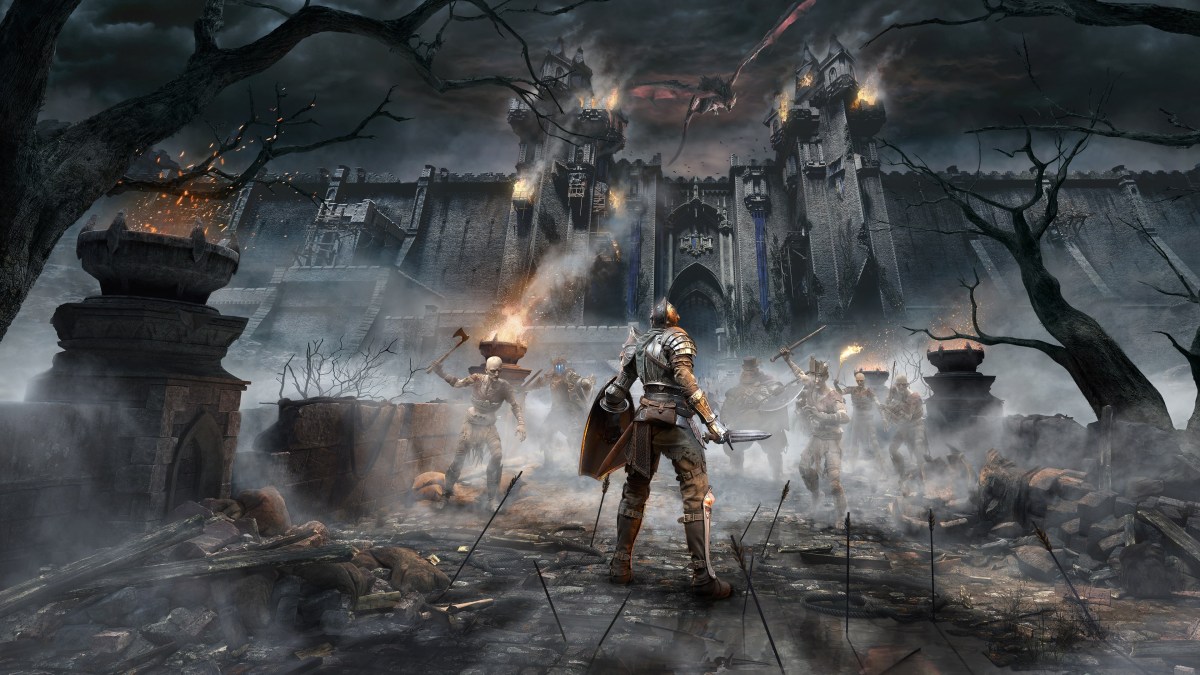
Bluepoint Games, the developer behind major PlayStation remakes and remasters including God of War Collection, Uncharted: The Nathan Drake Collection, Gravity Rush Remastered, Shadow of the Colossus, and Demon’s Souls, has been shut down.
It’s a significant loss, given its tenure and prowess. The studio was established in 2006, and had been a specialist in high-quality remakes, with a focus on enhancing and porting titles to haul them across generations.
Bluepoint’s long-term partnership with PlayStation on various titles inspired the company to purchase it outright in 2021, establishing it as another major first-party studio under the proudly-waved PlayStation Studios banner.
Bluepoint Games shut down by PlayStation – quick links
What to know about the closure of Bluepoint Games
The news of Bluepoint Games’ closure was first reported by Bloomberg, which outlined a ‘shocking end for a well-respected studio.’ A spokesperson confirmed to reporter Jason Schreier that around 70 people will be laid off.
‘Bluepoint Games is an incredibly talented team and their technical expertise has delivered exceptional experiences for the PlayStation community,’ the spokesperson reportedly said. ‘We thank them for their passion, creativity and craftmanship.’
The decision to lay off staff reportedly followed a ‘recent business review.’
As noted by Schreier, the decision also arrives after Bluepoint Games’ latest project, allegedly a God of War live service game, was cancelled.
This project was one of 12 new live service games PlayStation had commissioned as part of a major push into the genre in the early 2020s – and like others before it, the project and studio have now been shuttered.
Live service projects have inspired a major shake-up at PlayStation
Live service games remain a tantalising prospect for PlayStation. These are titles that are typically free to play, or have a lower cost to purchase, and they aim to offer meaningful additional in-game content that encourages players to purchase more in the long-term.
One of the most successful examples of a live service game is Fortnite. It’s free to play, and players can easily hop in for rounds of gameplay without investing in additional content. But for those players who want a richer experience, or want to indulge their passions, there is additional, paid content for purchase, released on a regular basis.
With the rise of Fortnite and other, similar successes – PlayStation had a moderate success in multiplayer shooter, Helldivers 2 – companies including PlayStation have been pursuing this model for new games, throwing everything at the wall to release new, viable titles.
Unfortunately, the push for new, impactful live service games has seemingly arrived at the same time that audiences are turning away from them in droves, wanting richer, more valuable games, without the need to pay other costs for the ‘full’ experience.
The long development cycles for new live service games has also seemingly meant titles are nearing release during a significant global malaise. An ongoing cost of living crisis has depleted disposable income, leaving many gamers out of pocket, and unwilling to invest in newer games that may require long-term payment.
While this crisis was present in the early 2020s, it has rapidly accelerated over the last few years, driven by economic downturn, job losses, and overall uncertainty.
Bluepoint Games has become another unfortunate loss amidst this uncertainty, as PlayStation re-strategises for the future. After a history of producing excellent remakes and remasters, that the studio was pivoted to the much riskier live service genre is a shame.
As always, in circumstances like these, our thoughts are with developers now out of work, in one of the toughest times yet for the global games industry.