Whenever Gen-Xers gather, inevitably the talk will turn to that magical time known as the non-ratings period. Well, either that or sport.
For around two months each year over summer, the commercial networks would put to air… well, a lot of sport. It’s Australia, what are you going to do. But in between all the cricket and the tennis and yacht racing, there’d be the occasional glimpse of something exciting and new – a whole world of television denied to audiences during the other 10 months.
Australian television would be turned on its head and for viewers under 40, it was pretty much the only time when prime-time television was worth watching.
Australian TV’s non-ratings period – quick links
The wild wastelands of the non-ratings period
Freed from the need to pander to ‘mainstream Australia’ – a demographic even more chilling then than today – the networks would raid their back cupboards for all manner of (relatively) weird and wild programming.
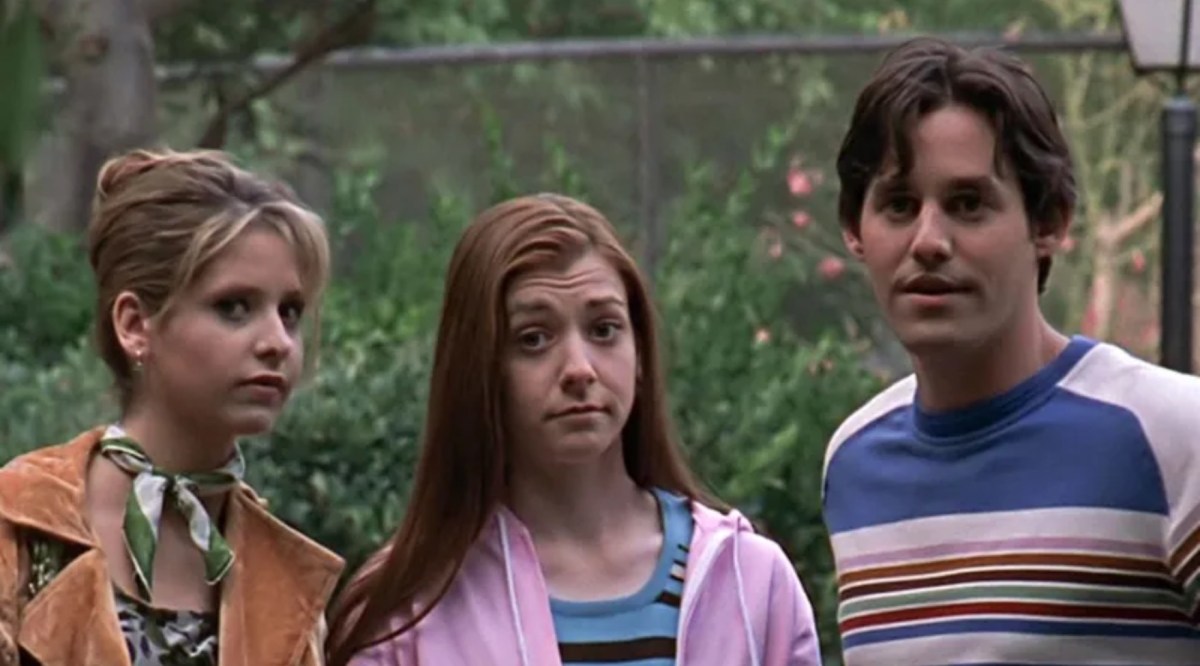
Shows usually relegated to midnight timeslots would suddenly appear in prime time (hello Homicide: Life on the Streets) while series usually considered ‘too niche’ would finally get a chance to shine (and yes, this is referring to Buffy the Vampire Slayer, currently getting another run on Disney+).
Not everything was a winner. A typical non-ratings period series like the Michael Madsen vehicle Vengeance Unlimited is now (rightly) all but forgotten. But then you’d find something like the unhinged second and final season of Ned and Stacey and you’d have a new favourite show … at least for the five episodes that’d turn up in random timeslots over the next seven weeks.
The television ratings system goes into a ‘non survey’ period over December and January, which is why, aside from a few exceptions (such as I’m a Celebrity…), locally-made programs on commercial television are nowhere to be seen.
In recent years, the ABC has seen this period as an opening in the marketplace, with numerous high-profile programs returning in January. The days when TV critics would call summer television schedules ‘a wasteland’ are over, and not just because there are hardly any TV critics left.
But it wasn’t as if the rest of the ratings year that exciting
But what were those critics on about anyway? Growing up in the 80s and 90s, Australian television throughout the rest of the year was a grim procession of programming almost entirely aimed at Baby Boomers.
Those fondly remembered youth programs from that period? They were pretty much the only youth programs from that period. Television was ‘for the whole family’, which meant striving for a bland middle ground that didn’t offend anyone, unless you were offended by the very existence of Daryl Somers.
With only three commercial channels and no real competition from the internet, Australian television was the very definition of playing it safe. So in some ways, not much has changed. Channel Nine’s recent announcement of their 2026 line-up featured a grand total of zero drama series, but at least we’re getting a MAFS spin-off show, MAFS: After the Dinner Party.
In the 80s and 90s though, reality television was still just a grim detail in dystopian science fiction. A large part of the commercial networks’ line-ups came from overseas imports; you’d often find executives and critics boasting that Australia had the ‘world’s best’ television, because the networks could cherry-pick the best series from around the globe. Like The Commish and MacGyver.
The executives idea of ‘best’ was largely dominated by pretty much what you’d expect from a bunch of old rich white guys for whom ‘set in their ways’ was a compliment. Australia might have had the pick of the world’s television, but what was being picked was almost always the blandest and safest choices – when it wasn’t local series like Australia’s Most Wanted, Blue Heelers or Water Rats.
It’s not like the rest of the media was demanding quality television either. This was a period where, if an Australian comedy show dared to make a joke about how there were some things guaranteed to rile up our media – see The Micallef P(r)ogram(me) running a sketch about how insulting Weary Dunlop would cause the ABC switchboard to explode, or Mick Molloy pretending to show up drunk and urinate on his set on The Mick Molloy Show – the media would report on it as if it had actually happened and then hound the hosts until they apologised or the show was axed.
Just to be clear, the non-ratings period wasn’t a wonderland of unseen gems: a lot of the time it was more about episodes of Married… With Children being shown at 9pm instead of midnight.
But at a time when there were only three commercial networks, each firmly committed to running programming designed to make the advertising look good, a few weeks each year with even mildly offbeat programming wasn’t so much a breath of fresh air as a hurricane.
And if you weren’t interested in that, there was always plenty of sport.