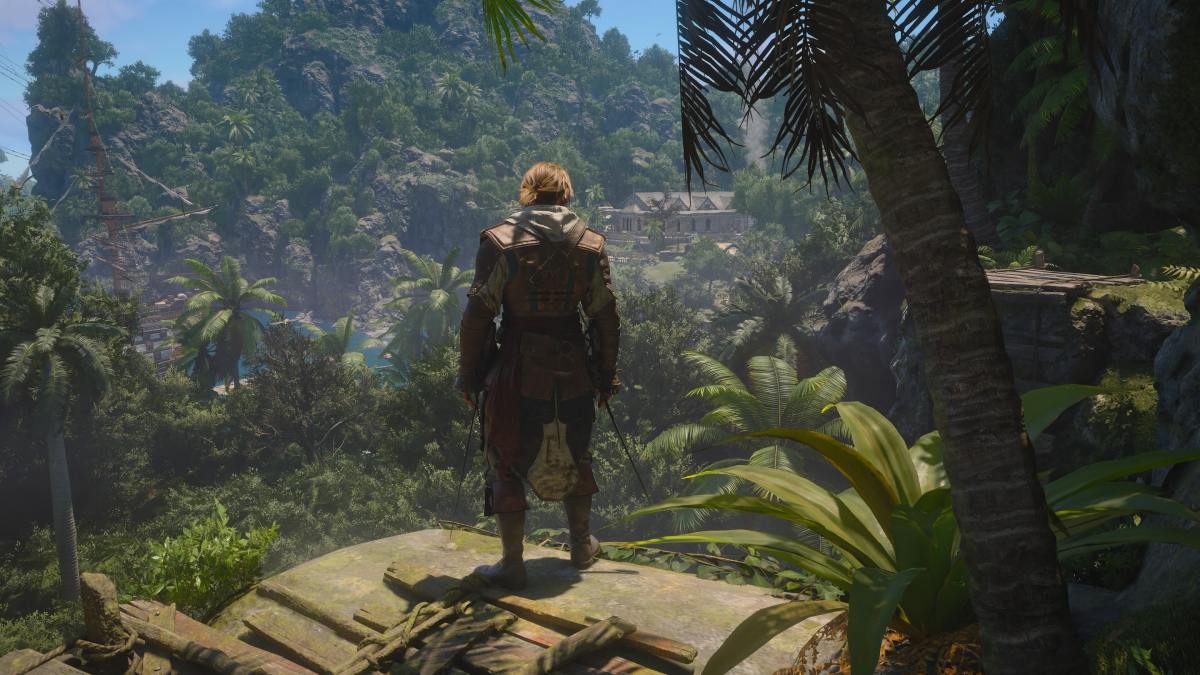
Assassin’s Creed IV: Black Flag means plenty to me. I won a copy in an EB Games competition circa 2013, right after high school graduation, and it ended up being a core part of my personality for at least that year. In its tale of swashbuckling pirates and grand adventures, it grabbed my imagination. I’d never played a game so ambitious or so beautiful, and it opened my eyes to the possibilities of the gaming world.
In 2026, Ubisoft has brought this award-winning game back in remastered form, with a rare acknowledgement from a major studio: some parts of Black Flag just didn’t work, and a remaster doesn’t necessarily need to be beholden to the past.
Assassin’s Creed Black Flag Resynced – quick links
What’s changed in Black Flag Resynced
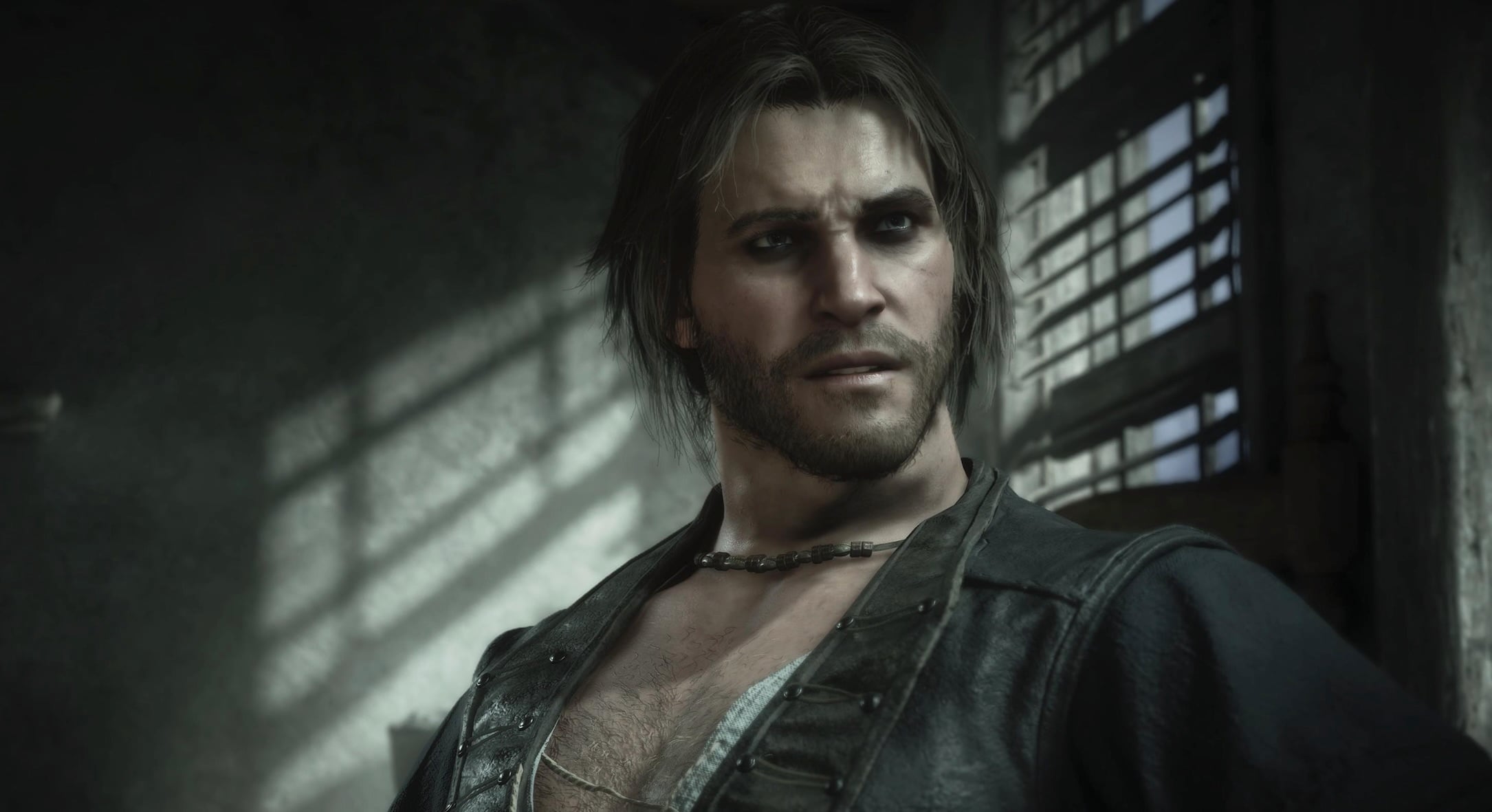
In this release, Black Flag has been given the classic remastered treatment, with twists. You get a refreshed colour palette and character models with more detail, along with brighter and more colourful worlds to explore, and tighter combat and sailing mechanics. You also get additional mid-game and post-game quests to explore.
What’s missing here is a sign of the changing nature of Assassin’s Creed.
Where previously, the action of Black Flag was segmented with cutscenes set in the ‘real world’, where players were identified as users of Animus technology within the villainous Abstergo Industries, this narrative has been cut out.
While there are hints of the adventure’s meta-game narrative in brief interludes, Abstergo’s involvement is downplayed, alongside connections to overarching Assassin’s Creed lore. You simply embody Edward Kenway as a bold pirate hero, taking part in grand adventures through the 1700s, the golden age of piracy.
It means the game is now far more in line with other modern Assassin’s Creed games, which also focus on a single narrative, with lighter hints at a wider world. It also means the action is heavier-hitting and better paced, with few interruptions between dramatic moments in Kenway’s story.
For those familiar with the original version of the game, it’s fairly surprising. There was previously more of an ebb and flow to the action, with those ‘real world’ cutscenes – remnants of a since-abandoned plot – allowing for a brief calm and growing tension between story chapters. Without them, the game has a breakneck speed, but one that does suit its style and nature.
It gives room for its pirate fantasy to breathe, and allows time for some newer cutscenes fleshing out the relationship between Kenway and his wife, Caroline. Not that the game needed more emotional stakes, but refreshed cutscenes are warm and revelatory, painting a deeper picture of Kenway, with all his charms and his foibles.
Letting the original adventure breathe
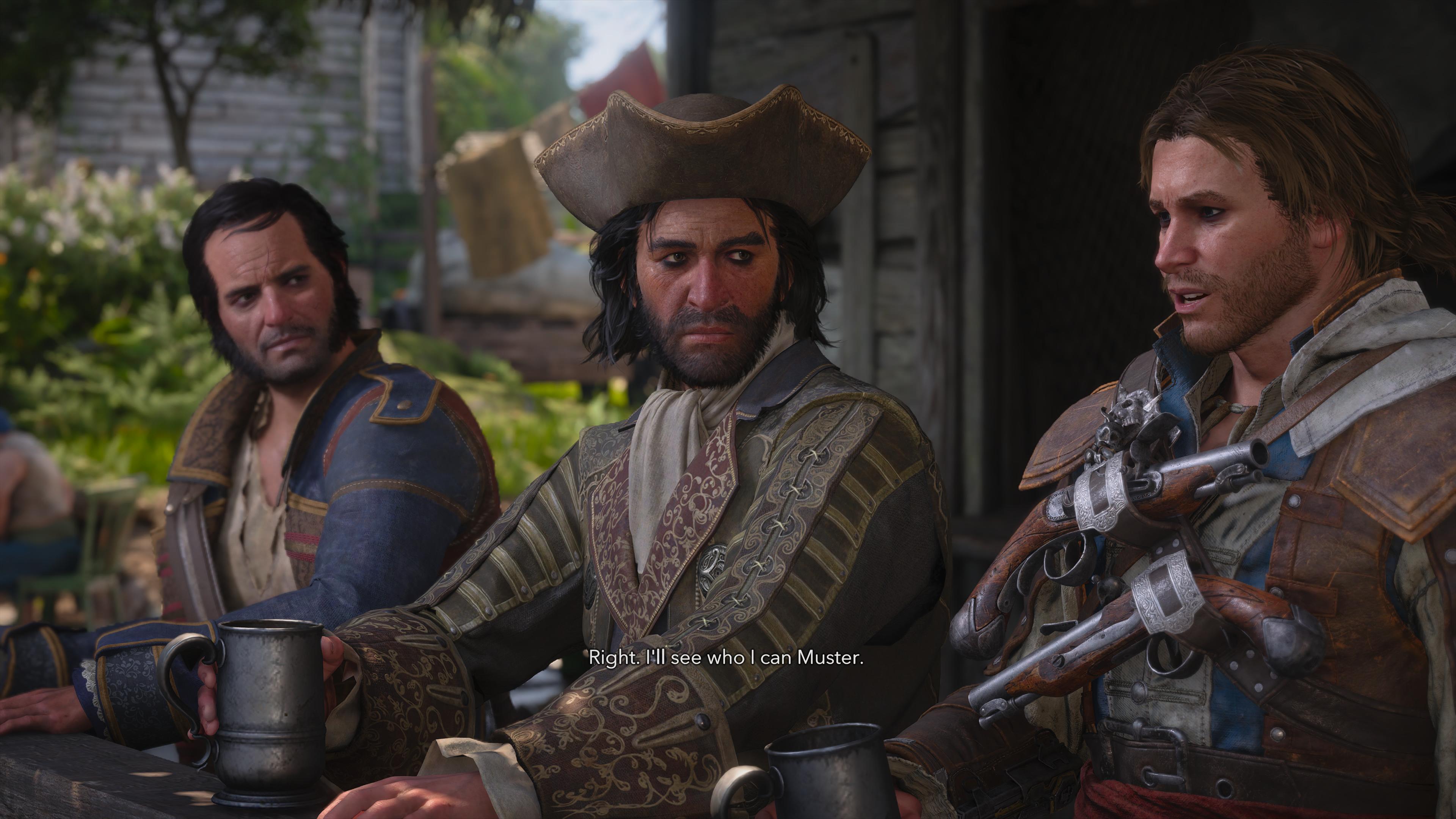
Without the burden of retelling a modern day narrative that has no real bearing on new Assassin’s Creed adventures, the original story of Black Flag is given plenty of space to shine here.
Black Flag made a significant impact on release, swiftly being labelled one of the best video games of its era, and it’s easy to understand why on play (or replay). This is a game of a vast scope, with a focused vision, at least one stellar performance, and tight writing to hold it all together.
Matt Ryan, who portrays Edward Kenway, is a classically trained actor also known for appearances as John Constantine in DC’s Constantine, Arrow and Legends of Tomorrow. A background in theatre clearly informs his performance as Kenway, lending a gravitas and finesse that makes him real, and very likeable.
A narrative game can be made or broken by its protagonist, and here Ryan plays Kenway as a roguish, charming hero with a confidence that hides deep flaws. Resynced takes this further in new cutscenes and some new ‘what if’ scenarios, adding layers of depth to his character.
Nothing fundamental to Kenway and his journey is really lost in the scattering of the B-plot of Black Flag. He still shines as a worthy hero, backed by a grand and foolish ambition to gain fame, fortune and peace on the high seas.
With a new sprinkle of modern graphical shine over the top, you can really see this journey sparkle – in the dynamism of its oceans, the brightness of its forests and the glitter of its many sandy beaches.
Modern charm makes Assasssin’s Creed Black Flag Resynced sparkle
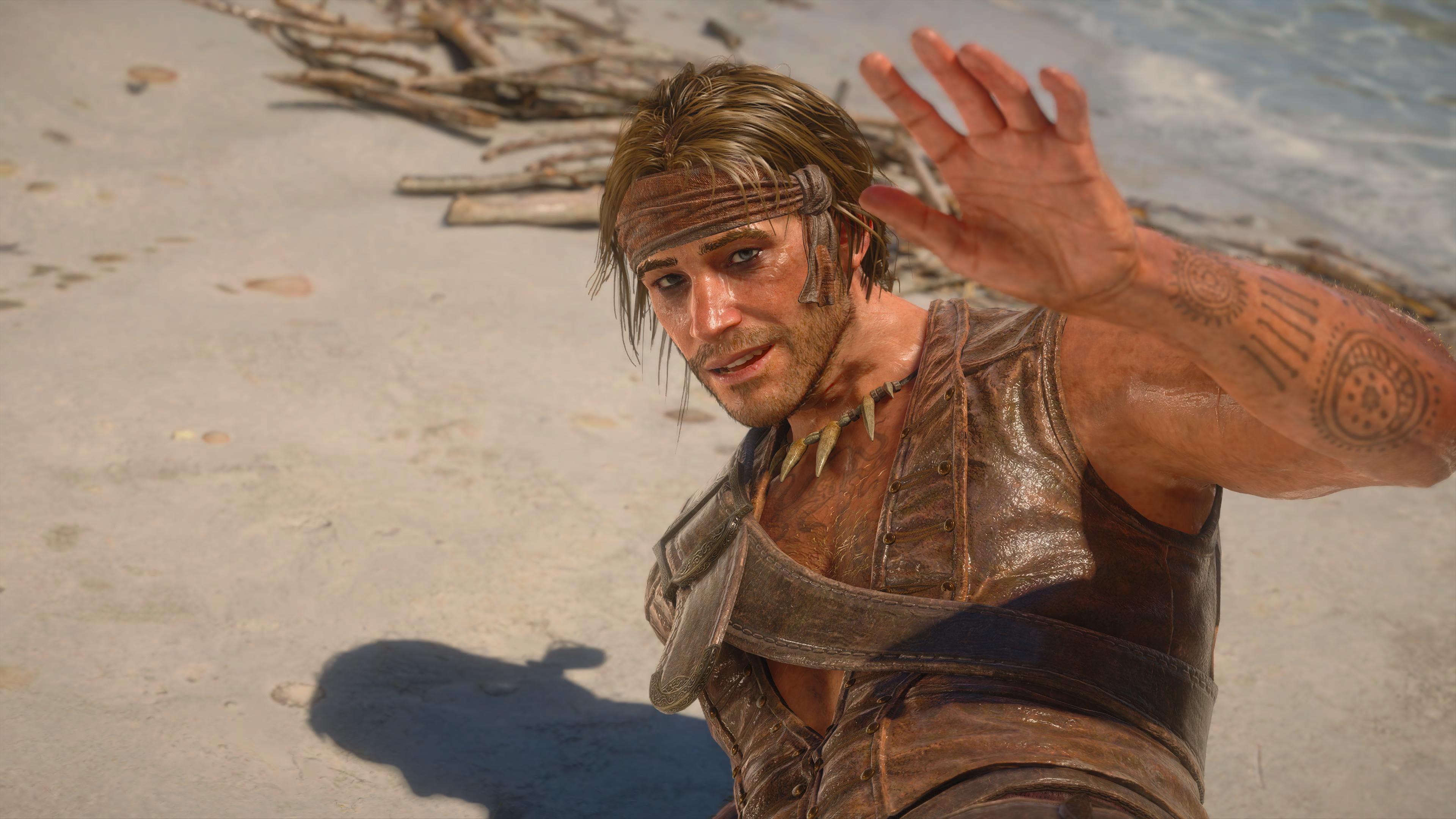
It’s funny. As I was playing Assasssin’s Creed Black Flag Resynced, I wondered to myself whether the remaster was really worth it. The game dazzled me in its original form, and I remember, at the time, thinking that games would never look better in future. Perspective is key, because this coloured my perception of whether Black Flag Resynced needed to exist at all. The original game just looked so good.
But of course, on revisit, the difference is stark. The original version of Black Flag looks dated now. Its colours remain bright, but landscapes lack the detail that really sparks the imagination. There’s a persistent vaseline-lens fog that paints landscapes in muddy shades. Scenes are frequently beige-brown in colour, with lighting making textures look dirty and darkly lit.
In places, the game’s shadows are darker than are necessary to give the illusion of texture and detail.
My memory is certainly different, because at the time, the game looked stunning. With the benefit of finer details, crisper lines on faces, more foliage, and a wider scope to view entire islands, Resynced goes a great job of depicting the version of Black Flag that exists in my memories.
There are some caveats here. In some scenes, intentionally shadowy and darker lighting has been replaced with a lighter palette to show off more details, reducing the drama. It’s most obvious in scenes of dialogue taking place in darker caverns or at night, which have now been given plenty of illumination to push back the dramatic shadows.
Some remastered models also look worse in parts. I frequently ran into villagers with stark black facial hair, or pure white eyebrows that stood out. I also spotted some clothes moving with odd physics, flapping in the wind. In one particular boarding cutscene, the level of the ocean water was misinterpreted and the entire cutscene took place half-underwater, complete with dynamic bubbles. These are quirks likely to be ironed out in the stages of the game’s release, but were fairly noticeable in my playthrough.
Raising the Black Flag for a new generation
Even with these quirks, I had a wonderful time revisiting Black Flag in this more cohesive form. It does what many modern remasters are afraid to do: it makes changes that benefit the overall game, to ensure its longevity for a modern audience.
In asking whether Resynced is necessary, it’s important to consider the original game released 13 years ago. That’s a long time for technology to evolve, and for audiences to age out. While it’s more than likely Black Flag Resynced will attract an audience of returning players, keen to revisit a part of their childhood or early adulthood, it also has an important, secondary audience: new players.
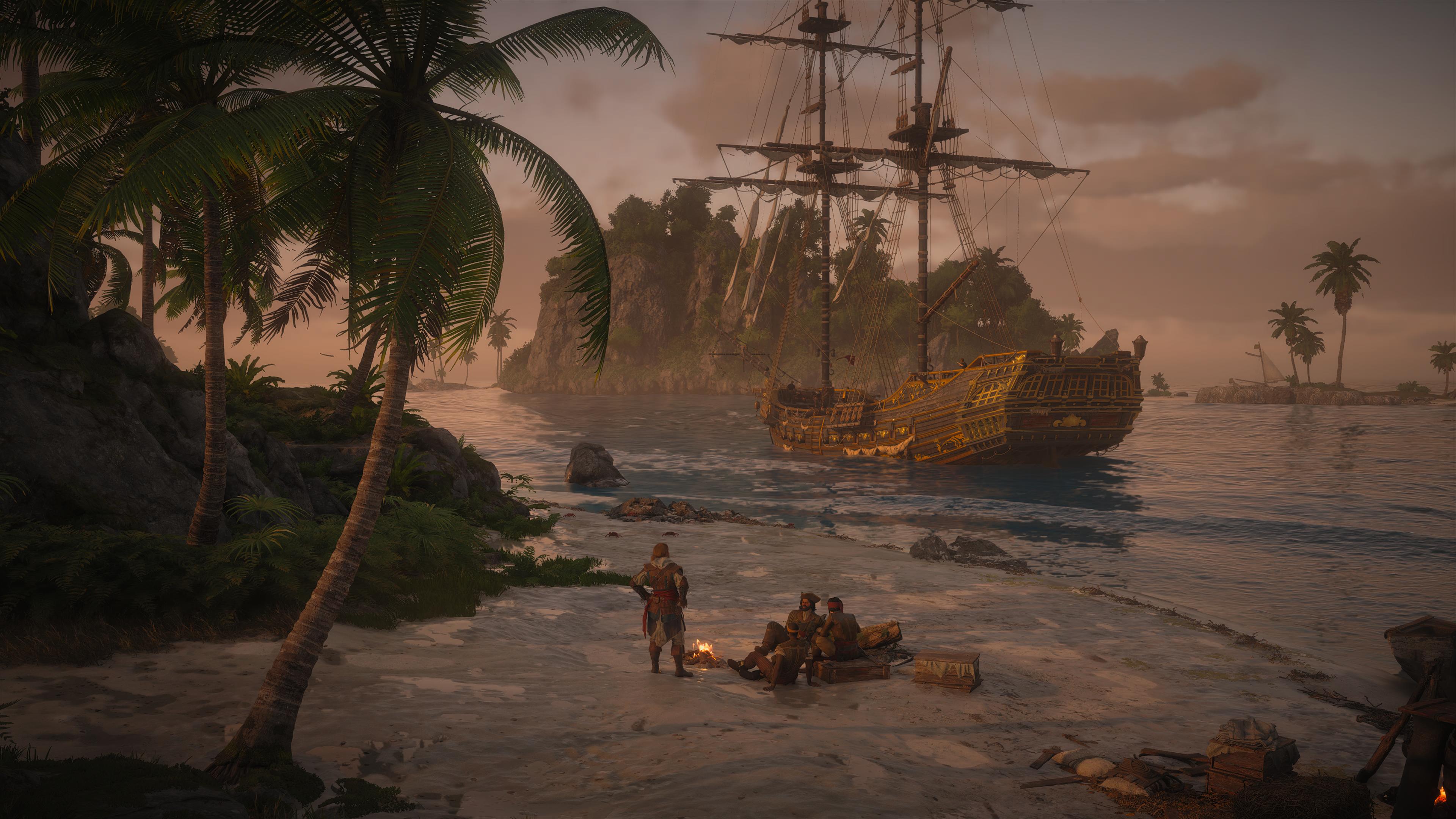
This new generation of gamers may be different, with fresher tastes and less experience with single-player action-adventures like this. But should they wish to learn more about the past glories of the video game world, to understand the power of game narrative storytelling, they can’t do better. And when the glorious notes of the sea shanty Leave Her, Johnny hit, I hope they understand how magical games can be.
Assassin’s Creed IV: Black Flag remains one of the best video games ever made, with a beautiful, moving and action-heavy story worth experiencing. Resynced updates and modernises it, with clever tweaks to streamline its story, and ensure that the original game’s legacy is never forgotten.
Long live Edward Kenway.
A PlayStation 5 copy of Assassin’s Creed Black Flag Resynced was provided by the publisher for the purposes of this review.
Discover more screen, games & arts news and reviews on ScreenHub and ArtsHub. Sign up for our free ArtsHub and ScreenHub newsletters.
Developer
Ubisoft
Publisher:
Ubisoft
Release Date:
09 July 2026