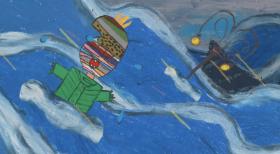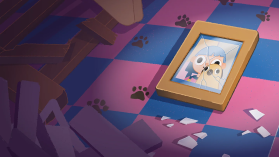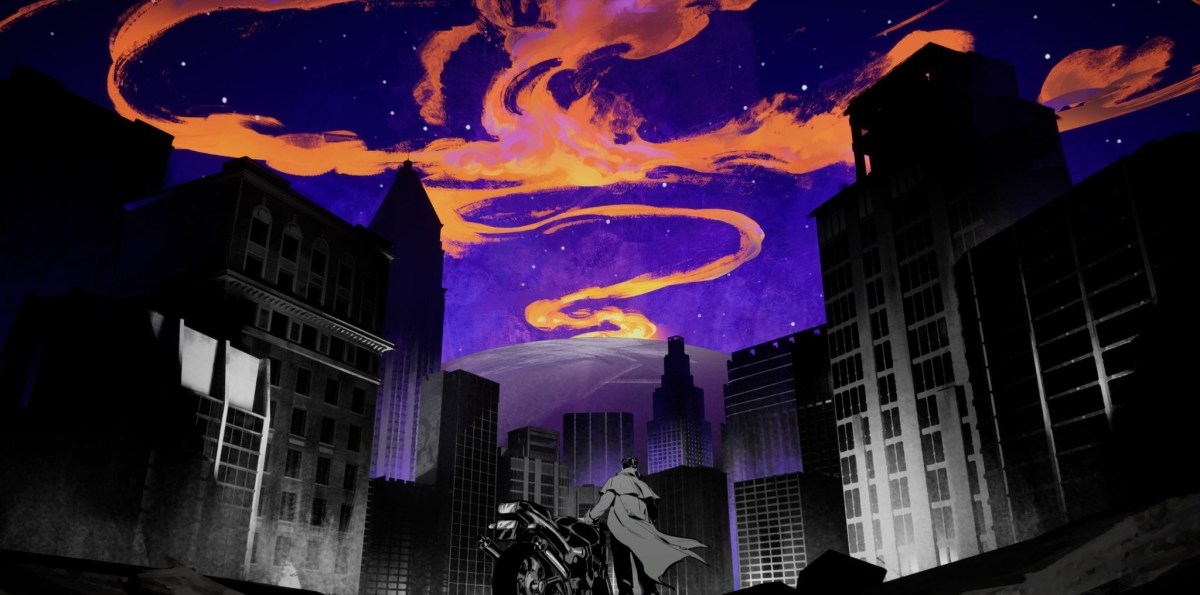
Summerfall Studios’ Malys is a game of striking art, all bold shades and colours, with cool, creepy monsters populating its many strategy-based battles. At GCAP 2025, studio art director Benjamin Ee dived deeply into the art of this game, discussing its creation and direction as related to traditional card games – specifically, Magic: The Gathering.
With a small, dedicated team, Ee was tasked with creating the visual identity of this game in early development, determining how it would represent fights between humans and demons, and reflect the struggles of the game’s protagonist in visual form. At first, the team studied similar projects for inspiration – Dark City and Constantine being core touch points for the game’s overarching vibe. The team wanted shadows, strong silhouettes, untrustworthy allies – all hallmarks of the supernatural and urban fantasy genres.
It also wanted to maintain speed, consistency, flavour, and clarity in the delivery of its artwork. These defining goals were baked into the game’s artistic process early, with a limited timeline for development (leading into a Kickstarter or publisher funding) determining how the game was designed.
How Magic: The Gathering inspired Malys
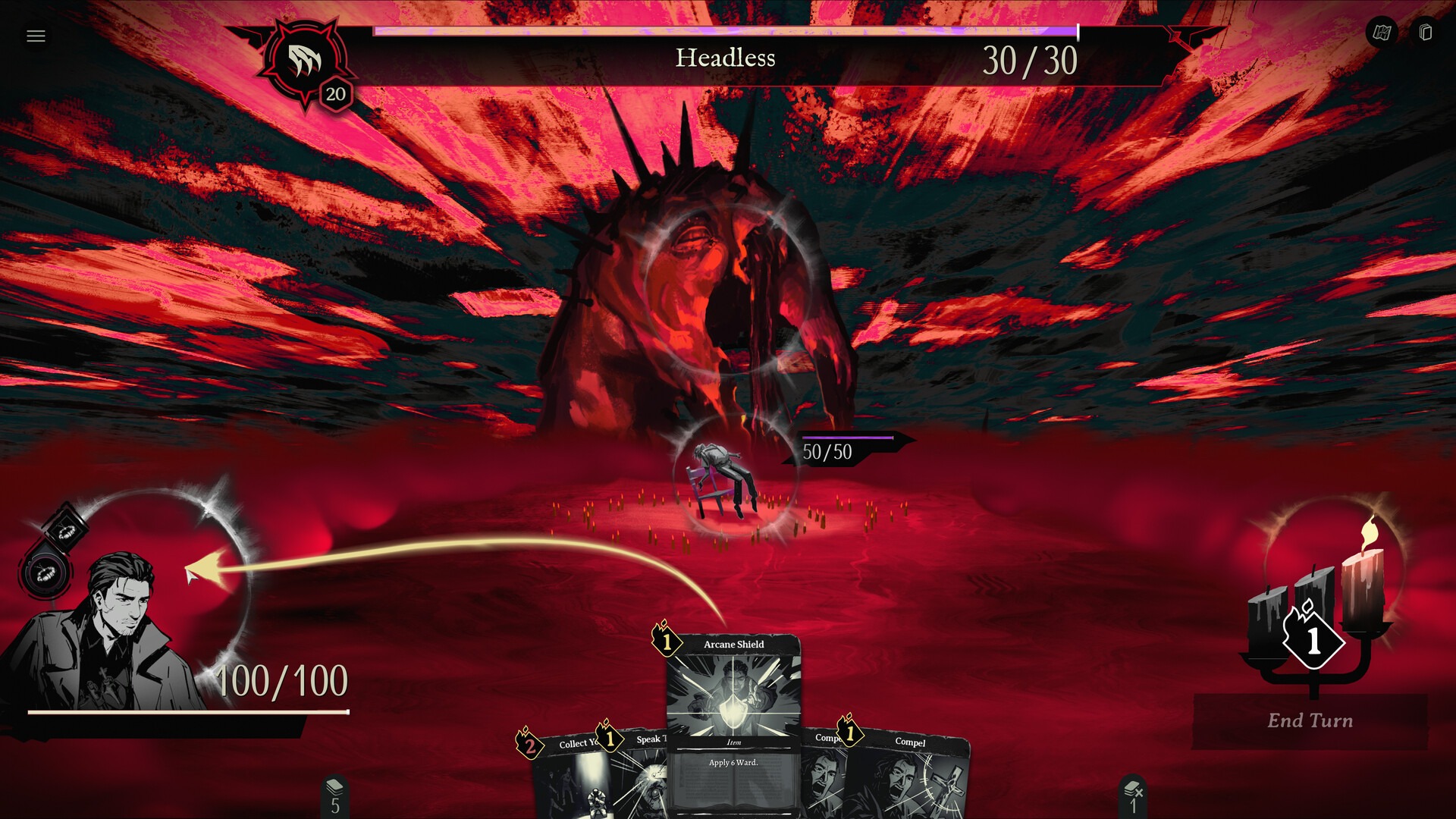
As shared by Ee at GCAP 2025, it was actually lessons learned from working on Magic: The Gathering that informed the direction of Malys, and development of its card-based system. Ee is a frequent contributor to the world of MTG, delivering art across an array of releases.
Along the way, he’s learned much about the value of a brief, and the dynamic nature of card design – what information needs to be delivered, and how it can be done with impact. It was these lessons that allowed him to guide a team of artists to deliver on the promise of Malys, and specifically, to create cards that represented ‘metaphorical’ battles against demons.
The team didn’t necessarily want to represent overt demonic battles or lean directly into the high fantasy aspects of the game within its cards, but rather show the struggles of protagonist Noah in a more esoteric light, depicting the fight against demons as emotional and dynamic.
Having worked on MTG cards, which required delivery on multiple aspects – card tone, emotion, narrative, and character – Ee plotted out cards inspired by traditional principles. Silhouettes had to be recognisable, there had to be a sense of movement and action, and every new card was designed to drive the plot forward in some manner.
It was all about energy, and translating the world of card games into a more visual form, with that emphasis on dynamism and movement.
‘You need your art to convey at a glance,’ Ee said.
In his talk, Ee also described a need to ask questions of each piece of artwork in a game, and what purpose it serves. Does it advance the narrative? Does it reveal more about character? It was these questions that determined the path forward for Malys.
Experimenting to find the right artistic notes in Malys
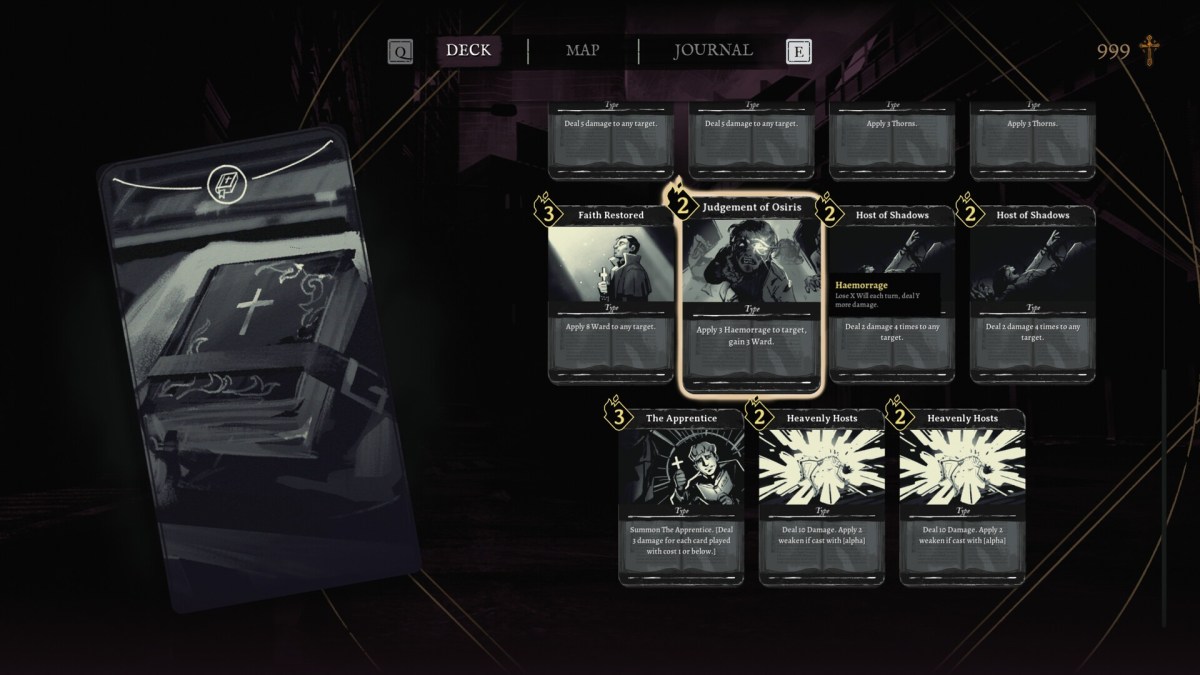
The path to finding the right artistic tone for Malys wasn’t linear, as Ee detailed. The team knew they needed an art style that could be quick, flavourful, consistent, and clear, but with limited resources, it was all about unleashing creativity and finding the best, most efficient ways to create.
To that end, Ee and his team eventually evolved a messy, movement-heavy art style that allowed for simple concept delivery. The art of Dishonored was studied in this process, with a particular focus on the game’s menus, which utilise a slapdash, scratchy ink style that boils down movement into sharp, quick slashes. This minimalist approach wound up inspiring much of Malys‘ art style, as well as the development process.
‘I encouraged artists to stay messy, scratchy, and energetic,’ Ee said. It wasn’t about being perfect, it was about harnessing the energy at the core of Malys, and using that as a leaping off point to create bold, recognisable cards that players could harness in battle.
It took time to get the process right, but with traditional card game design backing the intentionality of Malys, the game’s art team was able to solidify a bright, bold art style that came to define the game.
When it launched in early access, Malys was instantly recognisable for its head-turning artistic choices. Beyond its moreish, demon-infused combat, what’s most striking about the game is how it builds world and tone through its art – whether showing off the pain of Noah, or the twisted nature of the many monsters he encounters. Without Ee’s experiences working on Magic: The Gathering, understanding the core principles of traditional card game design, Malys wouldn’t be the game that it is.
For those developing similar games, where card play is akin to gameplay, Ee’s talk was a fascinating glimpse into the relationship between traditional games and video games, with design, functionality, and clarity of intent clearly being key to the delivery of both.