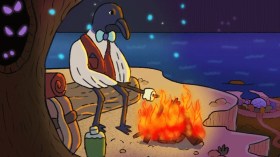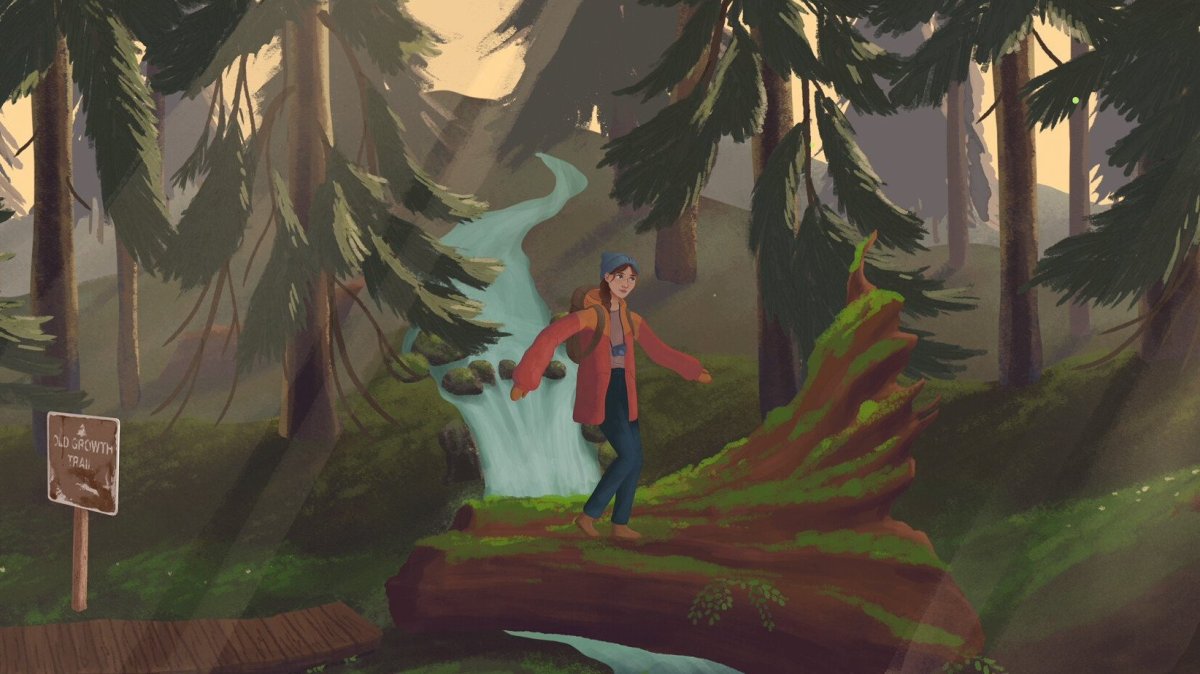
With a demo now available on Steam, Lone Pine is getting closer to release. For Brisbane-based studio Bang Bang Bang Interactive, it’s been a winding journey, with the idea for the unusual adventure game first sparked by a game jam experiment.
In these early days, the core idea was to have an explorer charting a mountain and along the way, they would meet a friendly spirit that would guide them through a Studio Ghibli-esque story.
Unfortunately, the early prototype for the game stalled when one team member fell ill, but that in turn allowed the game to blossom into something uniquely different: a point-and-click adventure story featuring cryptids of all kinds.
The development journey of Lone Pine – quick links
The influence of Disco Elysium
‘We didn’t let go of the idea [for the original Lone Pine],’ developer and animator Sam Martin tells ScreenHub.
The Bang Bang Bang Interactive team – also comprising narrative and game designer Lachie Macintosh and tenured programmer Dan Yalg – continued to chip away at the concept, refining it over time. That was helped along by the arrival of artist Lara Roche, who joined after connecting with Martin, filling a gap in the studio’s expertise.
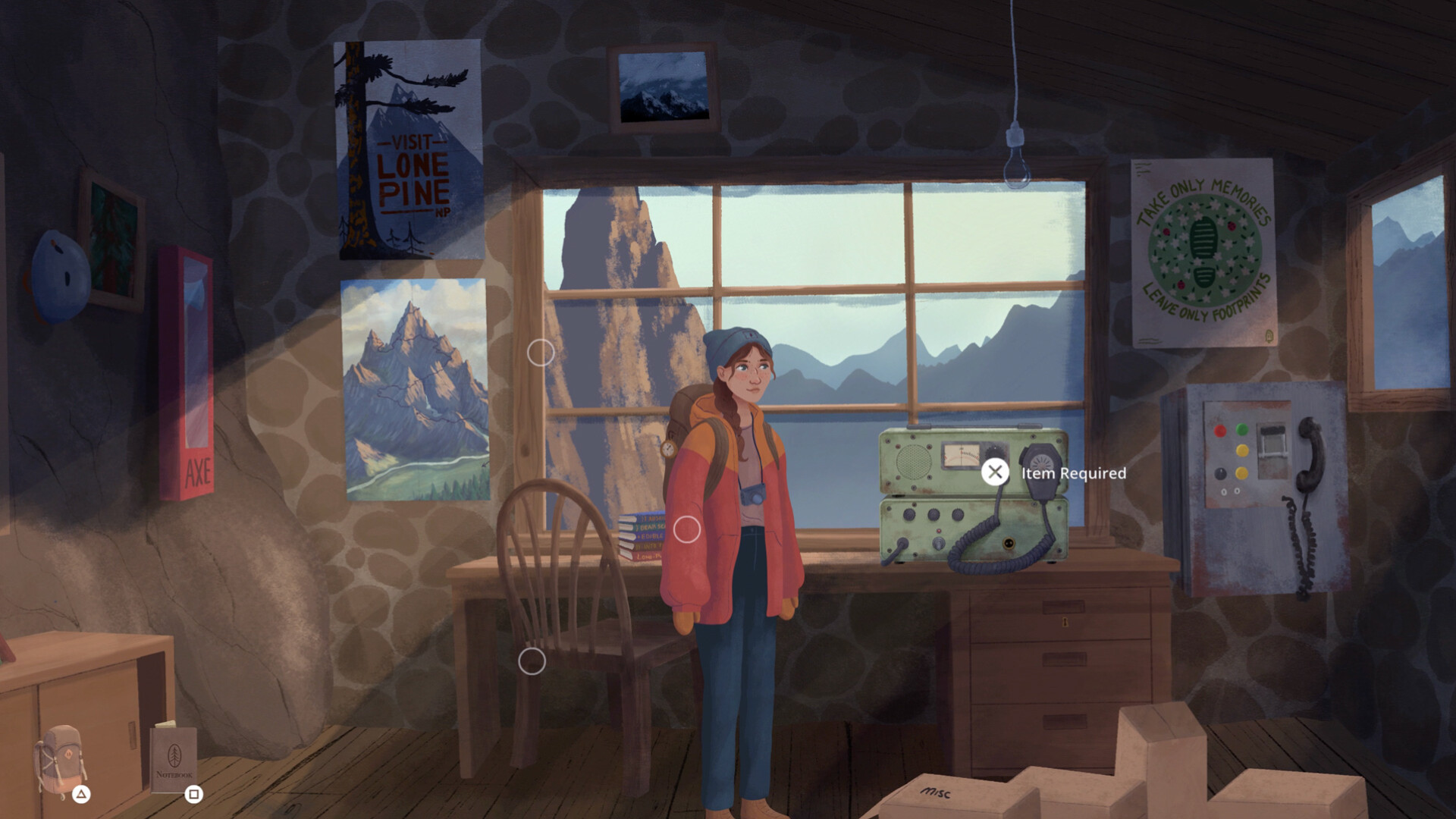
‘We were [previously] really limited by what we could do, but then once Lara came on board, we had an artist,’ Martin says.
‘That’s when Lachie and I started discussing that we’d really love to have cryptids in this game, because we just finished playing Disco Elysium, which had a cryptid sublot you could move into.’
Initially, Lone Pine was not a cryptid game, although it had its magical elements. It was only over time that the team grew to love the idea of these strange, semi-mythical beings of modern legend, and began to dive deeply into the cultural lore around them.
The fascination with cryptids
Through their research, the team has developed personal favourite critters, like the loveable doomsayer Mothman, the strange Van Meter Visitor and all-time classics like Bigfoot and the Loch Ness Monster.
‘Because I’m a writer, I’ve been researching lots of cryptids,’ Macintosh says. ‘The Van Meter Visitor isn’t well known, but he’s got such a great backstory to him. The story has everything. It’s got angry mobs, pitchforks, daring escapes, mystery – it’s great.’
As those intrigued by the legends will know, what makes cryptids so compelling is that many of their sightings have tangible real-world evidence, including news reports of certain eras, with multiple witness testimonies. Whether a product of shared delusion or otherwise, cryptids are fascinating creatures.
Yalg adds, ‘[A lot of the sightings] are from 100 years ago, so you get these old newspaper reports about it, and it adds a layer to the mystery of it.’
As Martin says, there are also viewer sightings. ‘We were looking into [the Australian cryptid] the Yowie recently, and there were reported sightings of the Yowie from 2024 … from reputable news sources.’
‘You sort of have this sense of “are they real or not?” because you have these news clippings where people talk about their experiences,’ Martin says. ‘Looking into the Yowie as well, there was all these hand-drawn illustrations, people talking about how creepy their experience was … it’s just that creepy, underlying vibe [that interested us].’
Macintosh was also deeply interested in the origin story for these creatures, and the ways in which modern stories can become entrenched in local mythology.
‘I’m really fascinated by the origins of folklore and stories, especially ones that are modern – where they come from – because, in theory, it’s much more identifiable. You can find a place and time,’ Macintosh says. ‘There’s more of a specific place where you can pinpoint it.’
He continues, ‘It’s also interesting with the internet and global culture, how all that stuff becomes a bit flattened out in a way … sometimes I feel like you lose that weird, esoteric local lore in these small places, because everything becomes homogenised.
‘It’s really interesting – like what [is it] about a specific time and place [that] gives birth to a cryptid, or a folk tale? And what happens when the world is more global, and everything becomes a big more same-y? Does that sort of stuff get the cool, weird edges kind of flattened out?’
ScreenHub: More Australian games news and reviews
Refining Izzie’s journey through Lone Pine
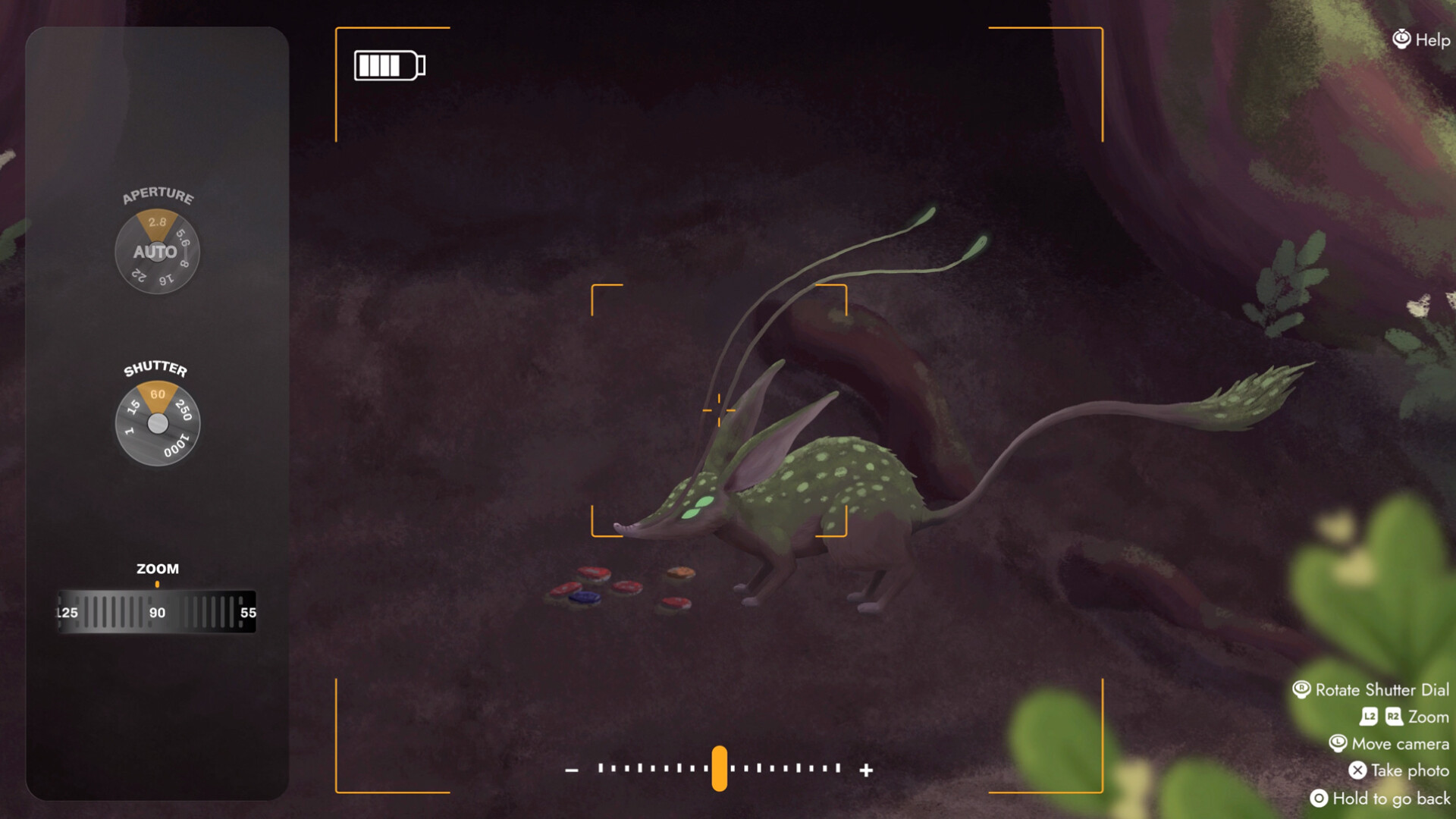
In Lone Pine, you guide Izzie as she meets and attempts to photograph various cryptids. The point-and-click mechanics and ‘balanced’ connect-the-dots-style puzzles serve to complicate this hunt, and provide challenges to players.
Some of the cryptids will be familiar to those interested in history. Others are new creations for the game, dreamed up by the Bang Bang Bang Interactive team and refined by Roche’s artistic vision.
As Yalg says, it gave the team ‘a lot of freedom’ with the story. ‘We’re not tied to one single big-bad, we get to experiment with all these different ideas about different cryptids, and how they can affect gameplay.’
In Izzie’s travels, she’ll meet cryptids inspired by Australian fauna, as well as more esoteric beasts. Lone Pine also explores the idea that not all cryptids are bad or scary. One of them is even designed after the common bilby, and mixes cuteness with more sinister vibes.
As Bang Bang Bang Interactive intends, the world of Lone Pine is patterned after Australia – specifically, Tasmania – as well as the Northern America and Europe.
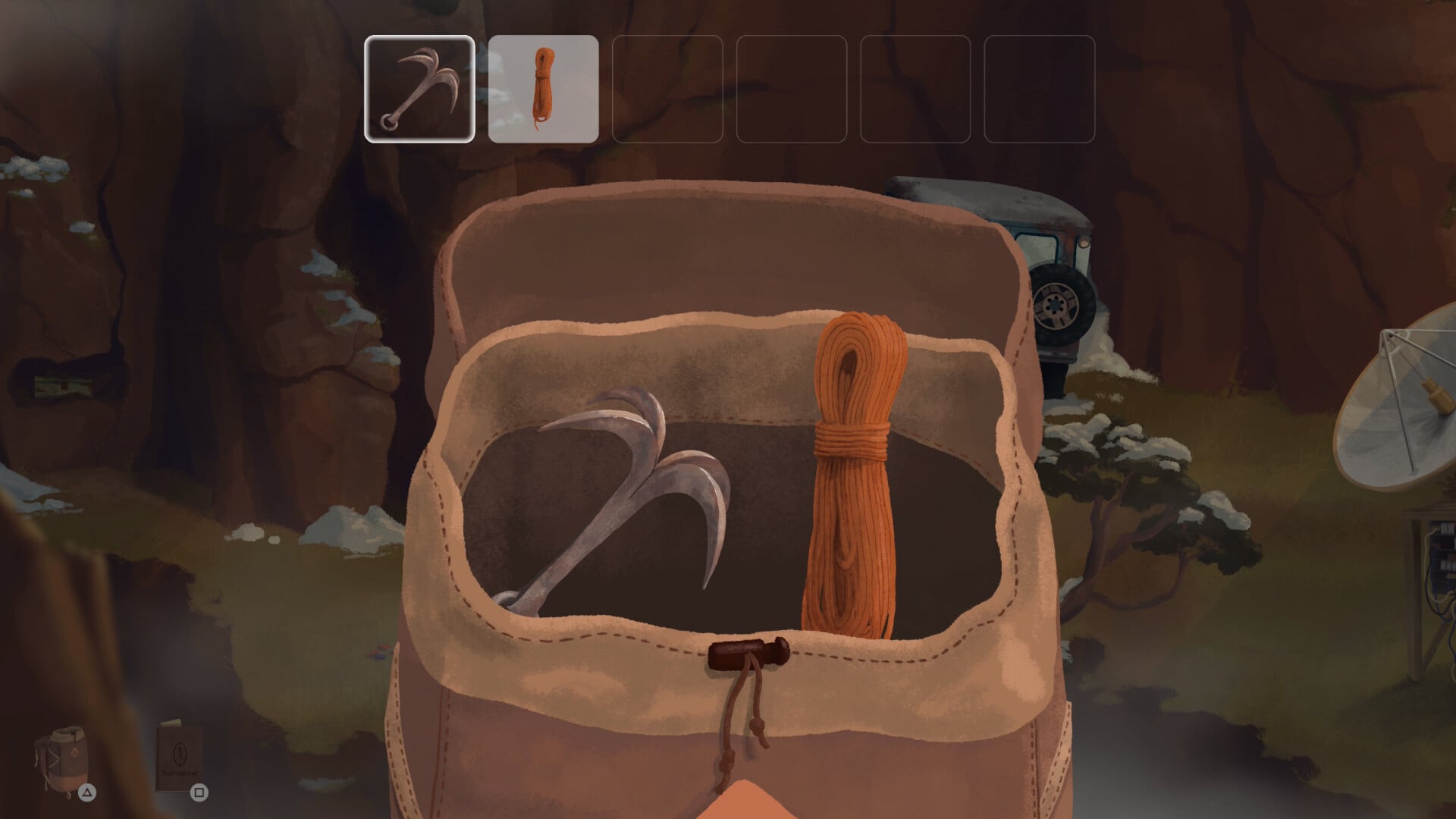
‘Initially we had a lot of inspiration from Northern American and European national parks. We wanted to have those very stormy mountains,’ Martin says.
‘But when Lara came on board, she was like “well, there’s a lot of this kind of beautiful setting in Tasmania.” We also realised we didn’t have to be limited by that – Lone Pine is a fictional place.’
Izzie being Australian herself was actually a byproduct of the game’s budget, as Lone Pine is being developed by a small team with limited resources. But making her Australian, along with many of the other characters, gives the game that essential local flavour and identity, and allows it to tell a relatable story.
As the game’s development continued, Bang Bang Bang Interactive made a concerted effort to reflect more of the game’s Australian identity through subtle clues, such as recognisable local flora, as well as those Australian-inspired cryptids.
Unveiling the demo
For the Lone Pine team, what’s most exciting about the experience of development so far has been the chance to introduce the game to more general audiences and to see how they react.
With support from Screen Queensland, Bang Bang Bang Interactive recently travelled to games showcase PAX Australia, and was able to see the public getting hands-on with Lone Pine for the first time.
As Macintosh says, ‘When you’re designing a game, you have your target demographics in mind, and you make some personas. You’re like “OK, I think these people might like this.” But you’re never really 100% sure. All you can really do is guess at the beginning.
‘Taking it to PAX and finding out, “oh yes, our personas, they’re real,” and seeing those people respond well to the game was really rewarding.’
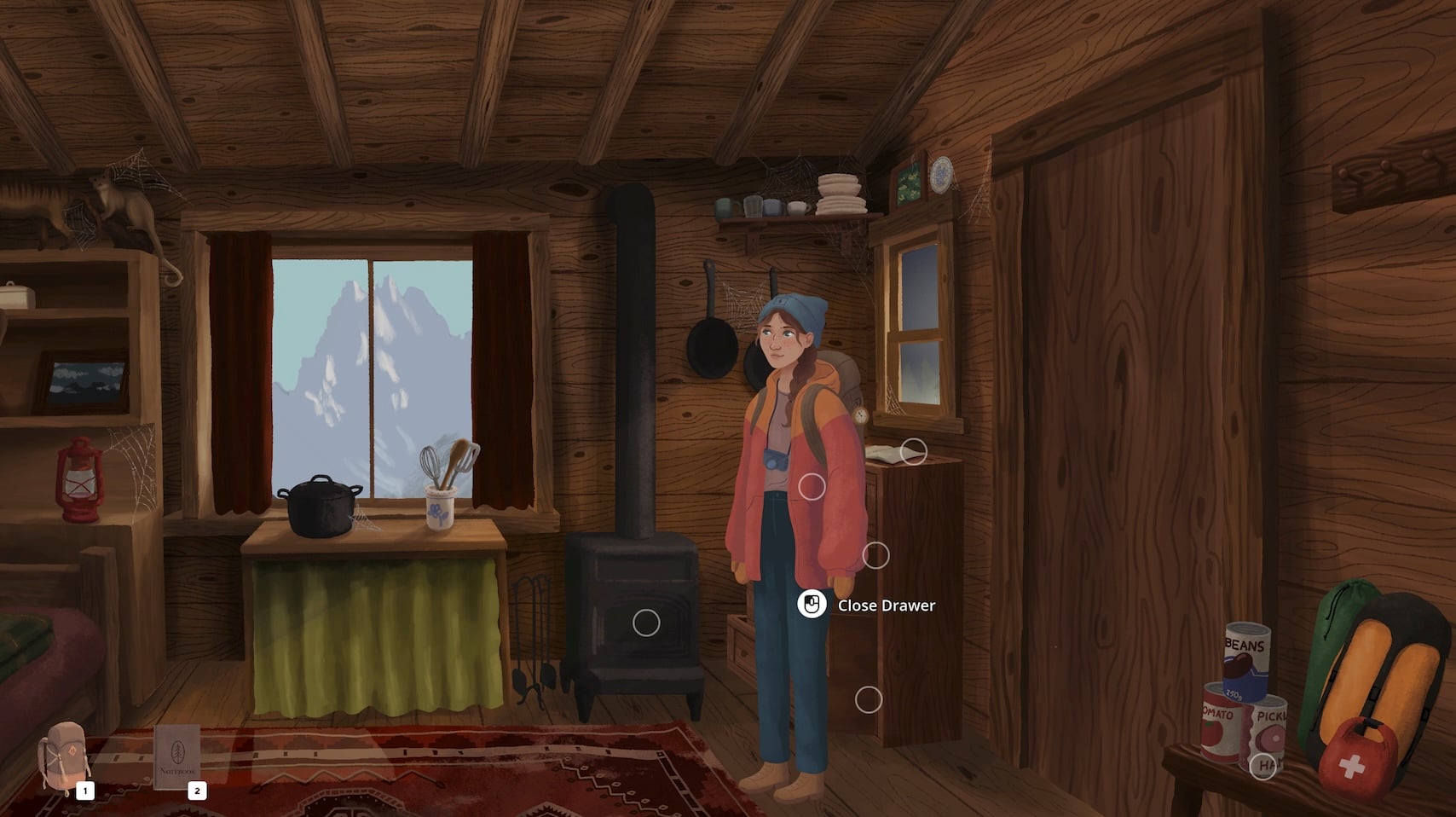
Bang Bang Bang Interactive still has some work to go with the development of Lone Pine. But as the team tells ScreenHub, there’s plenty of excitement about what’s to come. Not only is that about getting the chance to connect with audiences through demos and in-person showcases, but they’re still working on exciting new concepts, elements and story beats that will define the future of the game.
‘It’s our first game,’ Yalg says. ‘So we’re just very excited to release it, to build the thing, to put it in the hands of players, and to watch them play it. It’s just exciting to see it out in the world.’