Double Fine Productions is best known for bright, creative single player adventures – the esoteric and psychedelic Psychonauts series and the beautiful and atmospheric Keeper among them. A multiplayer brawler seems well out of the studio’s wheelhouse but with Kiln, the studio has developed something rather special.
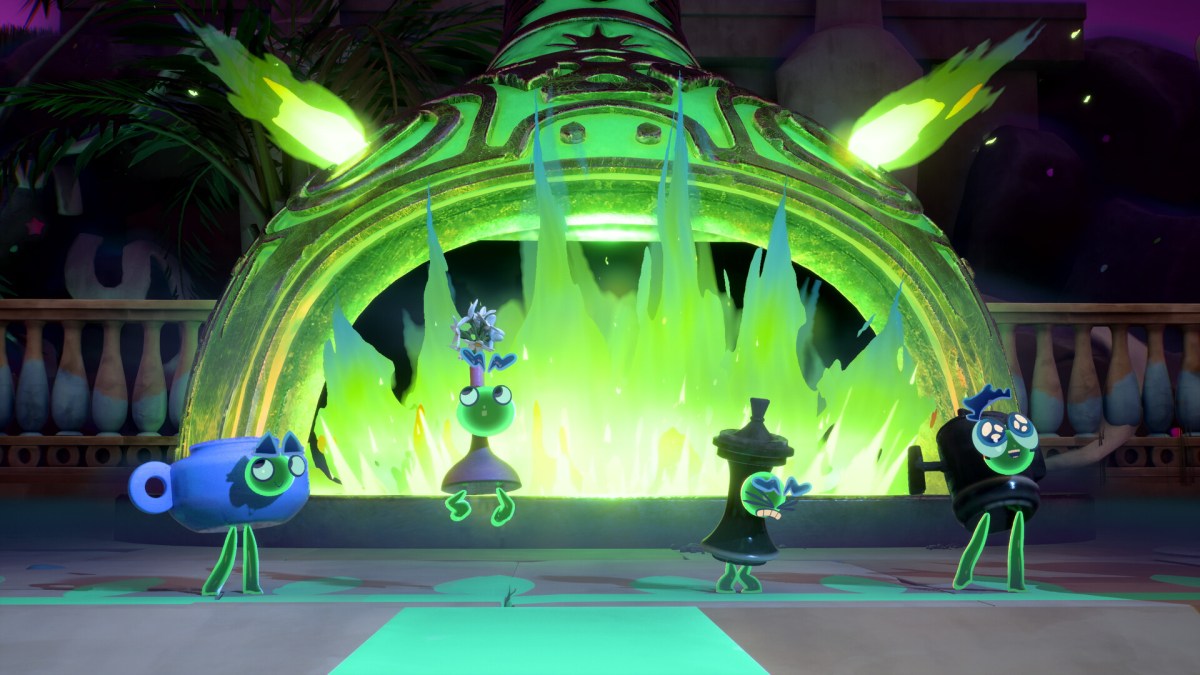
This upcoming multiplayer experience follows a tiny soul that can embed itself in pots of any shape, size, and colour. Guided by the whims of a brawling god, this soul chooses to spend their time taking part in skirmishes against other souls, also occupying various pots.
Their shared task is simple: protect the fires of their kilns from enemy team attacks.
While Kiln leans into the common tropes of multiplayer games, it also brims with a rare creativity and a sense of whimsy and joy that helps it shine in such a crowded space.
Kiln game preview – quick links
Inspired by real-world pottery
The first thing to know is that the goal of Kiln is to roam the various stages gathering water, before heading to an enemy’s kiln to douse it until it dies. The winning team is the one that manages to completely put out the kiln of their enemy team.
What sets Kiln apart is its devotion to art. Like all Double Fine games, there is a real sense of beauty in this game. Characters are highly stylised and fun, with long limbs and big-eyed, expressive faces. Colours are vivid and bright, and the worlds are well-designed and interesting, with fun gimmicks in each brawl stage.
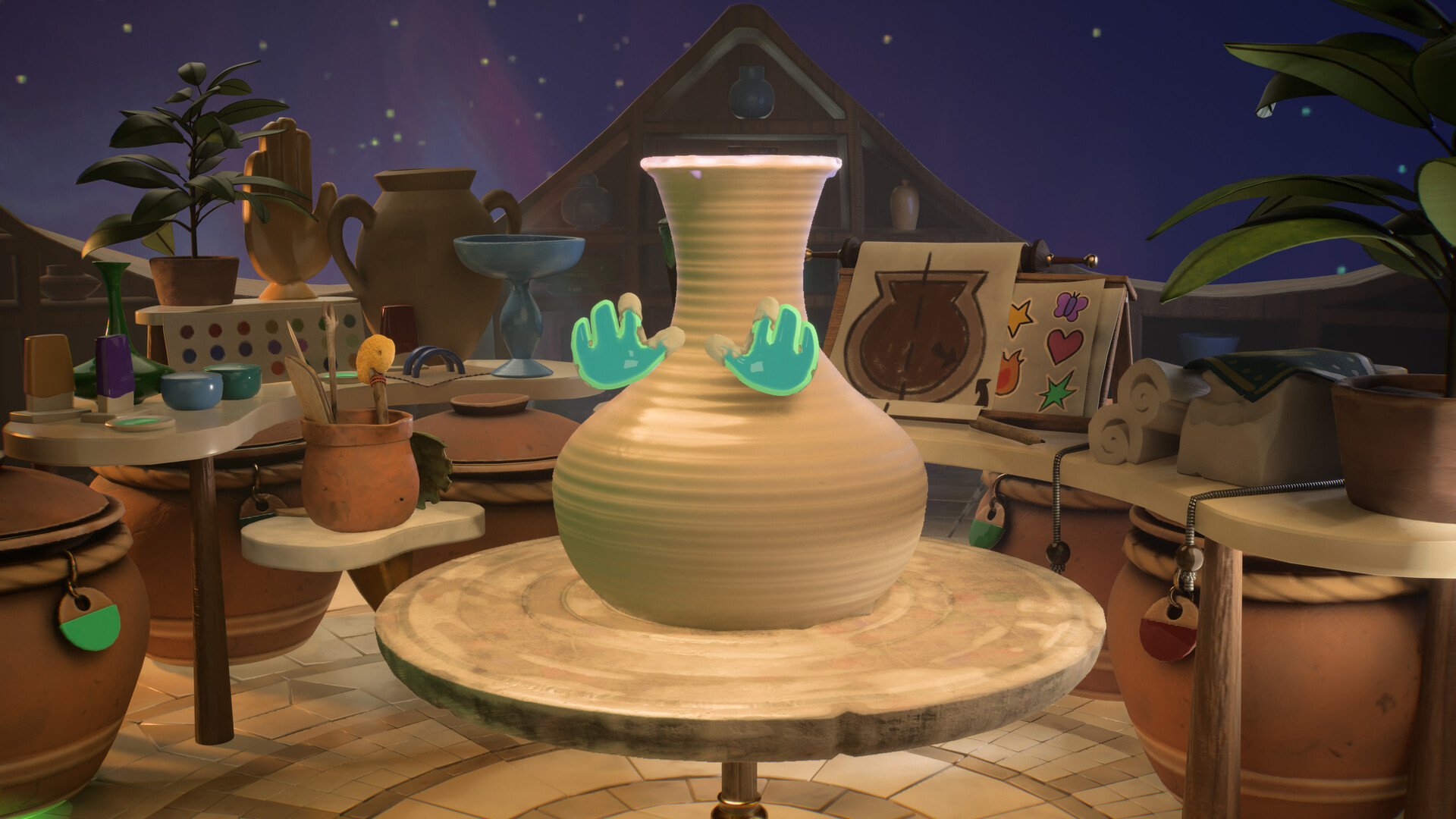
In a neat twist, Kiln is also directly inspired by the real world of pottery, with creation and decoration mechanics that will be familiar to makers.
As you use your controller to create the pots for your soul to occupy, you’ll move clay up and down on a rotating wheel, mimicking the movements of real-life pottery throwing. You can also paint and glaze your clay, add handles and accessories, and even add stickers.
Depending on what shape you make, you’ll gain different abilities, so there’s encouragement to experiment with your artistic practice and create a variety of pots. Your approach is shaped by the need to carry water. Bigger pots hold more and are better attackers, while smaller pots hold less but are hardier, and can serve as defenders.
Designing the right pot in Kiln
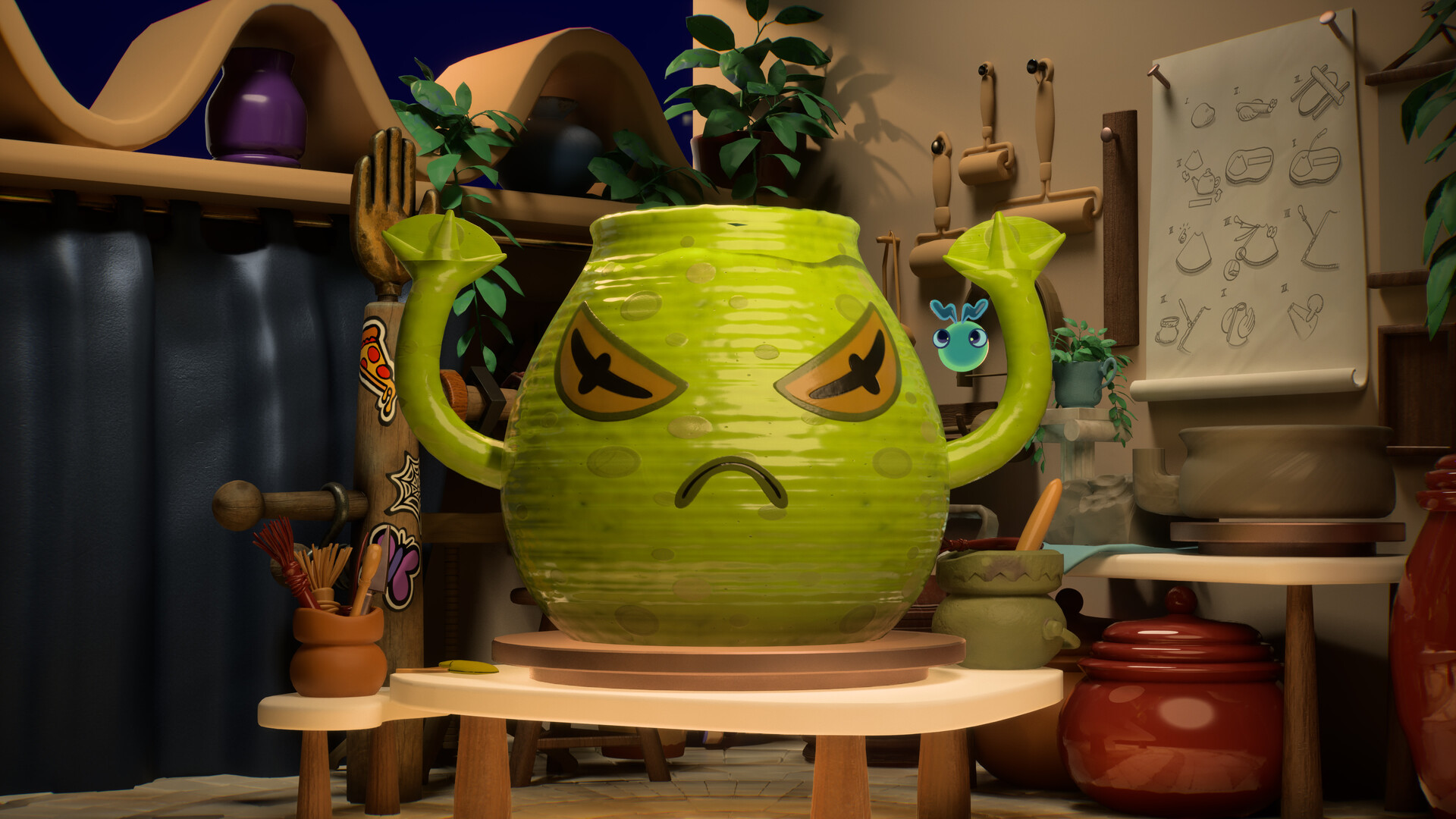
The shape of your pot will naturally determine your best position on the battlefield.
As enemies are constantly attempting to breach your kiln, you’ll need a few pots to hang back and do the ‘brawling’ part of this game – hitting and smashing enemy pots, and unleashing devastating attacks, determined by pot shape and style. You want to destroy enemy pots before they come close to dousing your kiln.
If you’re a medium-to-large pot, your goal should be to suck up as much water as possible, get past enemy defences, and douse enemy kilns. While this puts you directly in the firing line, and you’ll want to avoid being smashed to bits, this can also form part of your strategy.
When you die, you’ll come back directly over your home kiln, and if you target yourself just right, you can use a devastating ground pound to smash any enemies in your area.
In my time with Kiln, I managed to develop a rather good and fearless strategy for defence – run to the nearest water tankard, suck up as much as possible, run to the enemy kiln, and shake out as much water as possible before being smashed to bits. On return, bodyslam the nearest pots attempting the same on the other side.
It might not be the most self-preserving strategy, but it proved wildly effective in my early preview, particularly as newbie players grasped at their own version of gameplay strategy. I suspect this move won’t be as acceptable as people learn the ropes and strategise against kamikaze moves – but that’s the fun in learning the ropes.
Everyone is learning together, to shape what the game will become.
A multiplayer game for folks who don’t like multiplayer games
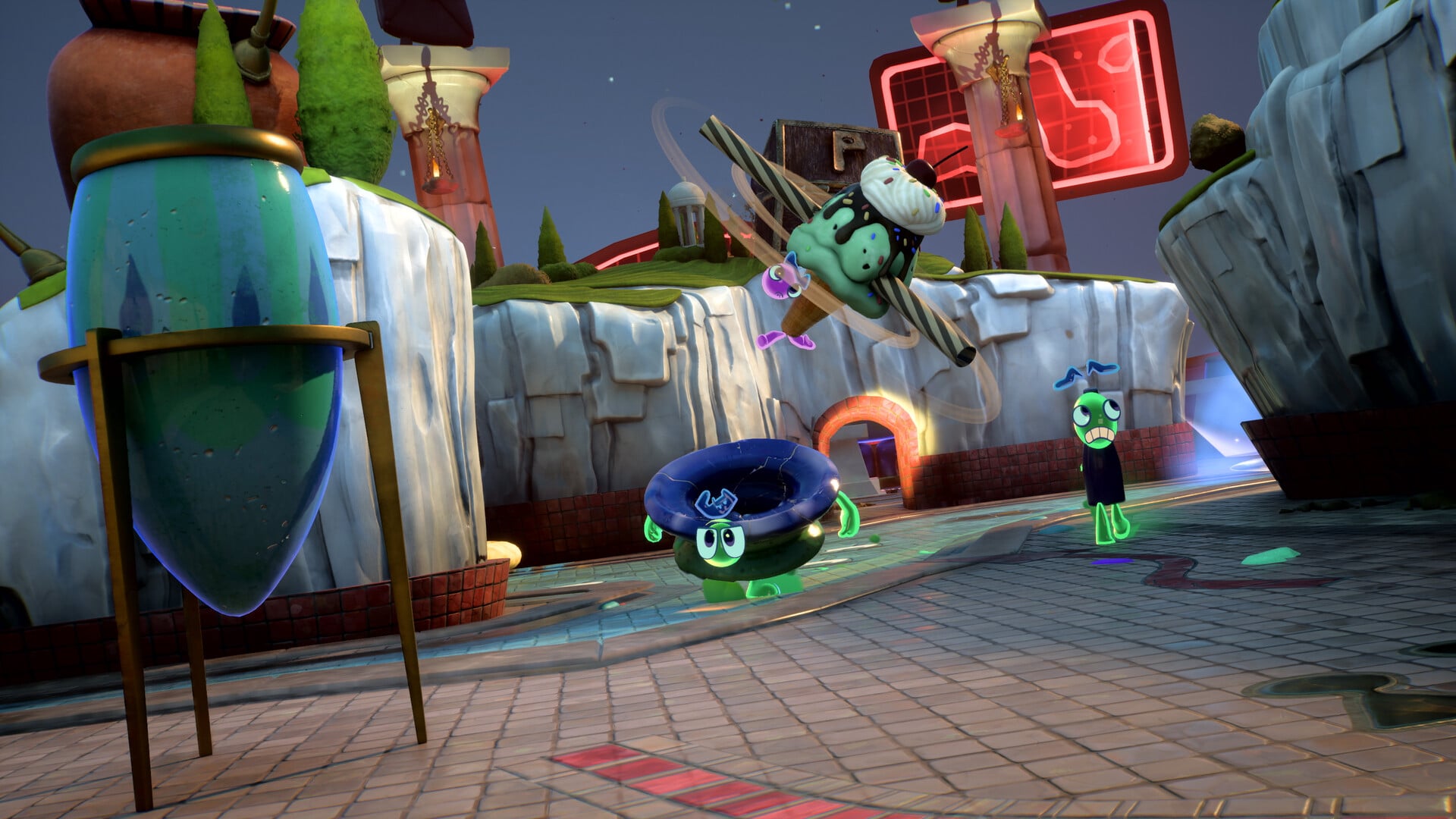
So far, what works best about Kiln is how approachable it feels, particularly for players who aren’t as into multiplayer experiences.
Speaking personally, I don’t usually spend time in multiplayer online games. I prefer a game with a solid story, where progress is earned by missions and I can ‘finish’ the game at a certain point. I don’t typically enjoy multiplayer games like this, where progress – in this case, unlockable cosmetics – is earned by repetition of gameplay.
Kiln does a fantastic job of distracting you from this sense of repetition, at least. It’s bright and colourful enough to encourage you to keep playing. With loss often down to strategy and player cleverness – rather than anything discouraging like luck, unfair mechanics, or players somehow being better and smarter than you – you’ll want to keep diving in for more.
This is a brawler with a focus on lighthearted fun. It’s fun to see the pottery creations of other players. It’s delightful to see how their strategy evolves. You feel gleeful when you manage to get past their defences, and see how they react to their kiln’s flames dying.
In Kiln, it’s all about silly little souls playing a silly little game, and it’s all the better for it. The game is just good, clean fun. In a sea of multiplayer game rivals, its sense of moreish carefree joy sets it apart.