
After a brief period out of the spotlight, Digimon is back in a major way.
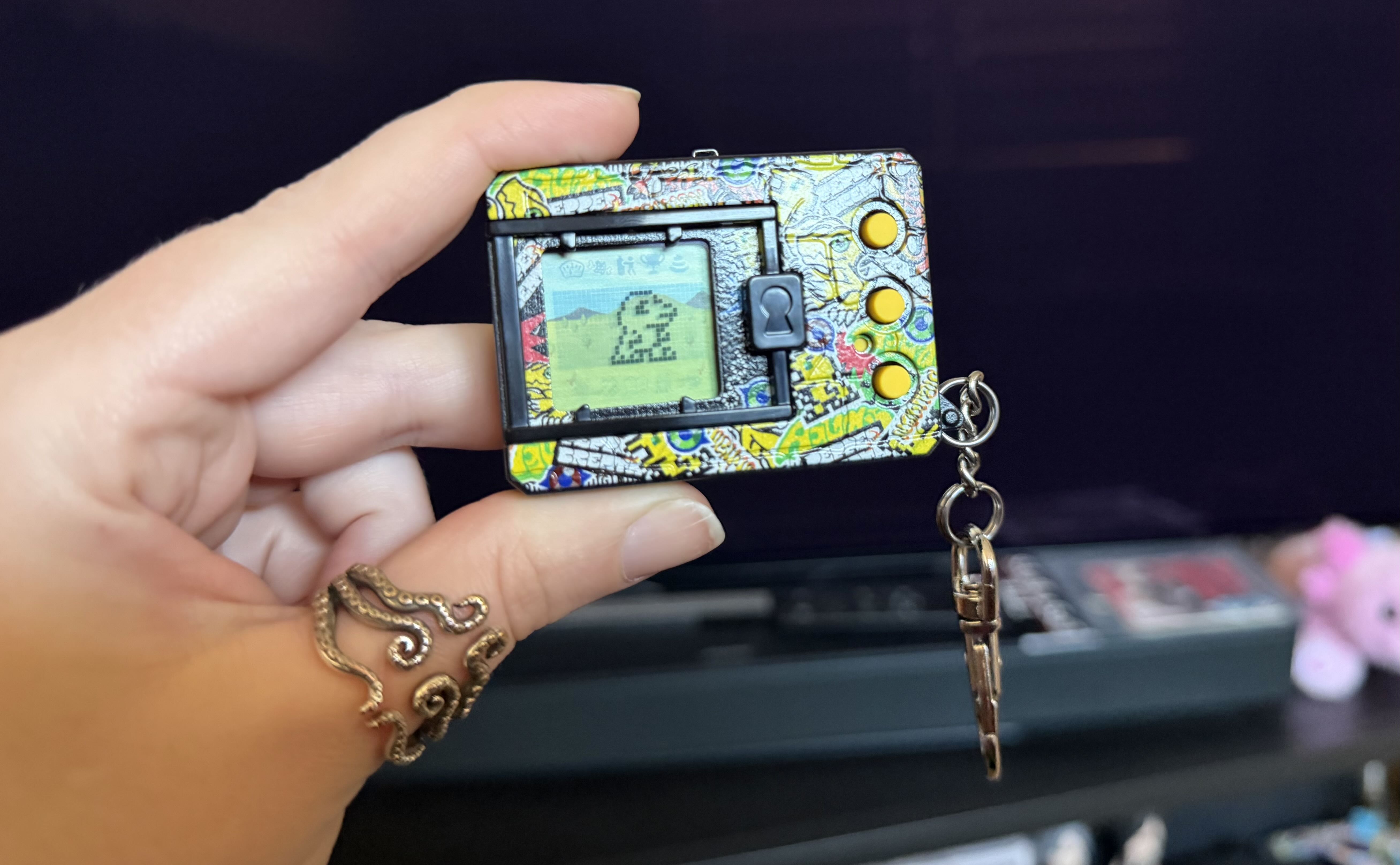
Following the well-received launch of Digimon Story: Time Stranger on PC and consoles in 2025, the game has now arrived on Nintendo Switch systems (and is equally great on this platform). The original virtual pet toys, the Digimon Digivices, are also enjoying time in the sun, with a wave of new releases hitting the market – including new Digivolution devices and the Digimon Adventure-inspired Revivals.
The timing of this revival has a lot to do with nostalgia. Those who grew up playing with the original Digivices are now adults, many with a degree of disposable income plus a longing for a brighter, happier past.
But the timing is also interesting for another reason because the franchise has always reflected modern developments in technology – and the associated fears about its use.
Digimon’s major revival – quick links
Digimon belonged to a changing world
The Digimon franchise was first established in the late 1990s, as a companion to the Tamagotchi franchise. Both were buoyed along by new technology, with the availability of cheaper components like microchips supporting the growth of hybrid electronic toys. Consumer products were becoming more complex, with companies including Bandai (now Bandai Namco) experimenting with consumer tech for all ages.
Many millennials grew up with this technology, learning valuable skills of care, attention and patience through the raising of virtual pets.
Where Digimon had its biggest breakout success was in the release of its animated TV adaptation, with a first season simply known as Digimon (and later called Digimon Adventure). This series brought the virtual pets into a new dimension while fleshing out their lore and world.
In each season of the series, a new group of ‘DigiDestined’ kids would be called on to enter the Digital World – a virtual space populated by monsters of all kinds, but largely resembling the real world – to befriend their chosen Digimon and use them to fight in battles for the fate of the universe.
While often cynically compared to its similarly-themed Pokémon, Digimon stood out for its more mature approach. This wasn’t only a series about kids going on adventures alongside friendly monsters. It was also about the natural aspects of the virtual world, the internet, and the inherent dangers and excitement of this new space.
A parable about the dangers of the internet
The Digital World that serves as the backdrop of these stories is directly analogous to the internet, which at the time, was still relatively unfamiliar territory. While you could argue the series was meant to be a fun and light-hearted adventure for kids of all ages, looking closely at the source material, you can also see harder, transferrable lessons baked into its journey.

Along the course of Digimon, the DigiDestined face an array of threats, all inspired by common pitfalls of browsing the internet. Villains like Devimon and Etemon are defined by their ‘Virus’ subtypes – they’re representatives of glitches and real-world computer viruses.
Corruption is also a common theme of the show, with characters like Jeri in Digimon Tamers (the third series) being corrupted after falling into a depression, and only saved by the power of hope and her friends.
Tamers is a particularly impactful season as it explores how the Digital World can influence the real world, and looks at the impact of digital corruption, bullying and being exposed to the darker corners of the internet.
It’s only through the power of self-belief and care that the kids of Digimon make it through their various trials, with their mettle and heart tested at every turn. The series featured many stories of resilience and affirmed the importance of trusting yourself, which is – very neatly – one of the best ways to avoid danger while browsing online.
These themes remain relevant in the modern era, and perhaps more so now that technology has become such a pervasive part of everyday life. It’s part of why the modern Digimon revival feels so prescient: the themes explored across multiple seasons of the show, and within recent games, remain shockingly (and unfortunately) relevant.
The fears explored by early Digimon stories remain

Digimon has always been much smarter than first assumed. It would be easy to sweep it into the same bucket as others children’s media, as just a fun and transportive adventure. But looking at the franchise even a little bit closely, and you can see just how deep its message goes.
Growing up in the 1990s, kids were exposed to a swiftly-advancing number of new technologies – first interacting with new electronic toys, then eventually being exposed to the internet, with its wide world of online games, chat rooms and (some) valuable education. They had to learn fast about how best to approach these technologies, and how to stay safe online.
Digimon went a lot of the way towards teaching these lessons – and they’re lessons that still must be taught today. We see this in the advent of moves like the Australian Government attempting to ban those under 16 from social media, to prevent bullying and misuse of online spaces. We also see this in new safety measures for online games like Fortnite and Roblox.

The internet remains a place of some danger when used incorrectly, or when misunderstood. With Digimon now on the upswing, it could serve as a valuable medium for teaching those skills. Rather than outright bans of social media or the internet, perhaps Digimon could be prescribed in its place.
As newer technologies continue to develop, the core message of the series is only increasing in relevancy – that we must be aware of the creep of technology, its dangers, and how it may impact the real world, regardless of its digital nature.
Given the success of recent Digimon games, and the revival of the popular Digivice virtual pet toys, the franchise is now far more approachable than it was even a few years ago.
The time feels right for a new generation to discover it, and to learn from its prescient tales.
A Digimon Original New Wave Digivolution device and a code for Digimon Story: Time Stranger was provided by Bandai Namco for review.