Level Up Tasmania 2026, a games showcase elevating the work of local Tasmanian gamemakers, recently spoke to the great work currently being developed within the state. Created by Screen Tasmania, and inspired directly by Adelaide’s South Australian Game Exhibition, it was intended to unearth a quiet truth: Tasmania’s local games industry is thriving in secret.
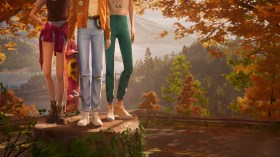
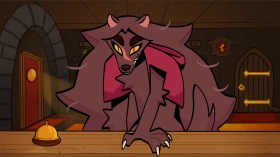
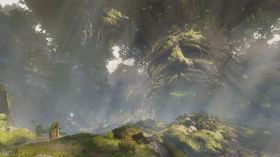
Across the April weekend of this year’s show, a reported 2800 attendees visited to see Tasmanian-made games like ROOMSPEED, Nullstar: Solus, I Feel Fine and Leonardo’s Moon Ship, as well as to learn more about the local Australian games industry as a whole.
As Alex Sangston, Manager at Screen Tasmania, tells ScreenHub, it was a welcome chance to showcase the power of Tasmanian gamemakers, and to increase awareness of the work being done in the state.
‘[Screen Tasmania] and the government knew that we had a really interesting little development sector down here,’ Sangston says. ‘They were great people and they were doing great stuff, but nobody knew they existed.’
‘I vividly remember we’d take game devs up to PAX Aus, and they’d be in PAX Rising, and we would have people come across to us and go, “I’m Tasmanian. I didn’t know we had any game devs.”
‘The best thing we could do is actually just show the local populace that we had a thriving sector, and that there are some really interesting things here.’
Tasmanian games industry – quick links
Showcasing the power of the local Tasmanian games industry
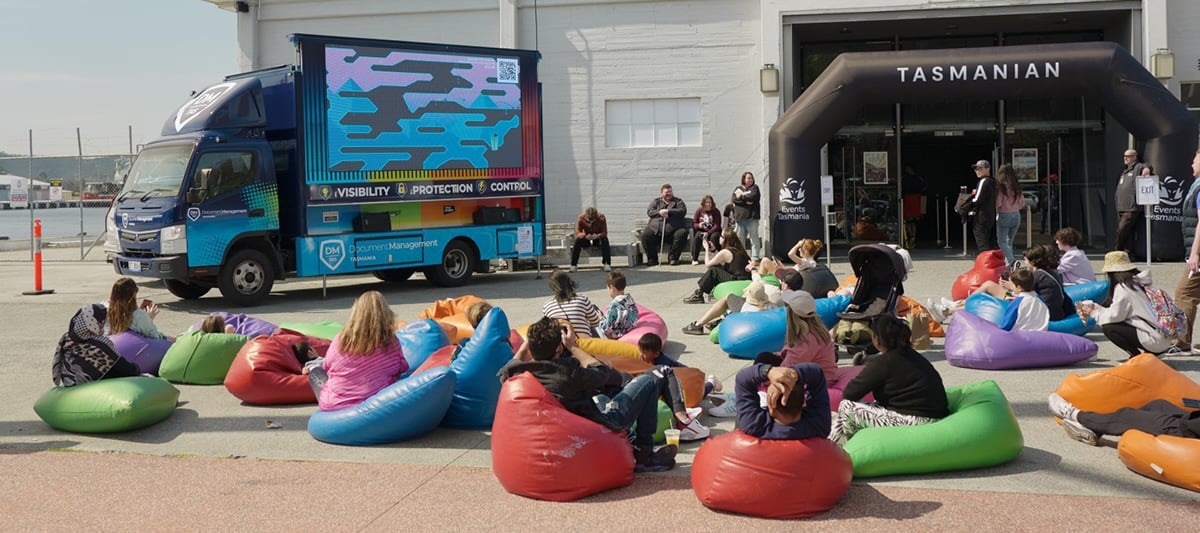
Per Sangston, visibility is essential to raising the profile of the state’s game developers, and also provides a tangible goal to work towards. As he told ScreenHub, there are so many game studios working in Tasmania, all of them creating unique, exciting games alongside peers.
Level Up is a chance for developers to share their work, connect and to form community. It also serves as motivation for those who may be less aware of the opportunities within Tasmania, or that gamemaking can be a viable career path.

‘I love seeing people who haven’t realised their passion can actually be a career then become professionals,’ Sangston says. ‘It absolutely thrills me that when we get people who’ve been working in IT, or in something unrelated, and then before we know it, they’re actually a professional full-time game dev and mixing it up with the best in the world.’
Beyond building intangibles like a supportive community, dedicating funding also helps gamemakers realise their next projects.
Beyond the $500,000 Level Up fund, which enables the annual in-person showcase, Screen Tasmania also facilitates funding through the conceptual design phase (up to $20,000 per project) and the production and release stage (up to $50,000 per project).
‘Obviously, $50,000 doesn’t go that far in game dev,’ Sangston admits. ‘But … the aim of that whole program, because we do have limited funds, is actually to get projects to the point that the market, through a publisher or Screen Australia, would provide support as well. So our money leverages additional sources of finance, rather than covering it in and of itself.’
It’s a story of impact: providing funds where they are most useful for developers, and allowing them to ramp off into further development.
How funding helped Secret Lab develop Yarn Spinner
One of the studios making use of Screen Tasmania’s directed support is the Hobart-based Secret Lab, currently developing narrative adventure games I Feel Fine and Leonardo’s Moon Ship.
The studio was founded in the late-2000s to create new apps for the then-emerging Apple iPhone platform. It revelled in the experimental, achieving early success with apps in a relatively non-competitive field, before transforming to become an ‘anything’ game studio providing services for other studios, as well as developing its own games.
In the process of developing useful tools, the team created Yarn Spinner, a narrative design tool now spun off as its own entity.
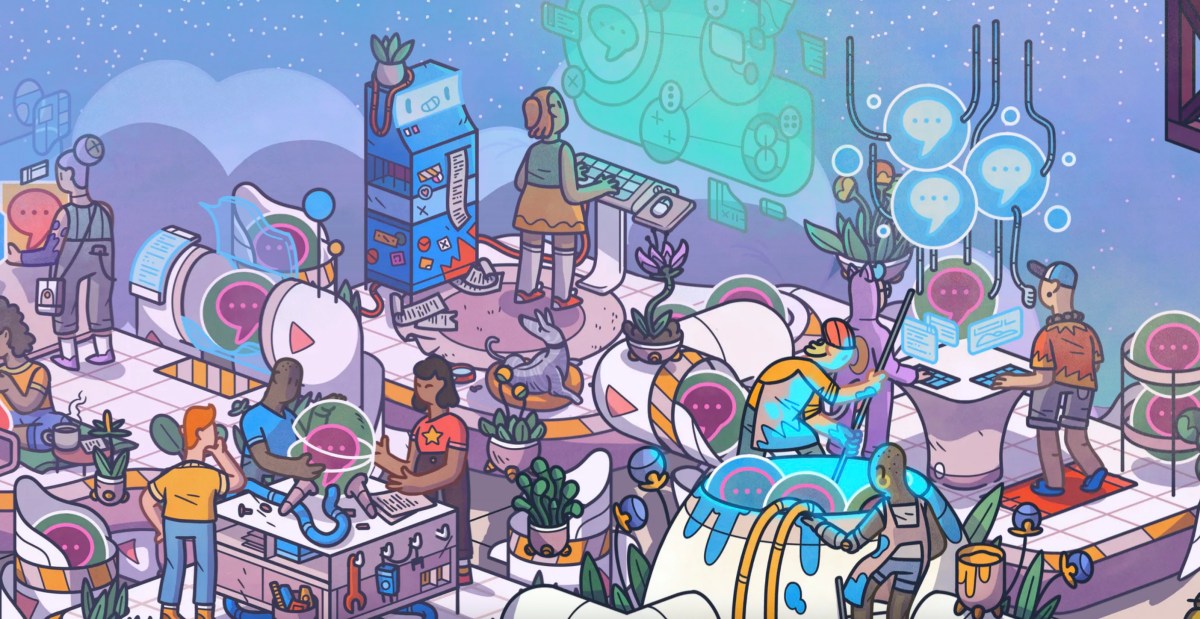
Yarn Spinner allows developers to create stories in a format resembling a screenplay, but with the needed interactivity for it to exist within a game. It was initially created for developer Scott Benson, who was working on coming-of-age narrative game Night in the Woods, but then took on a life of its own as it proved to be a flexible and useful tool for game design in general.
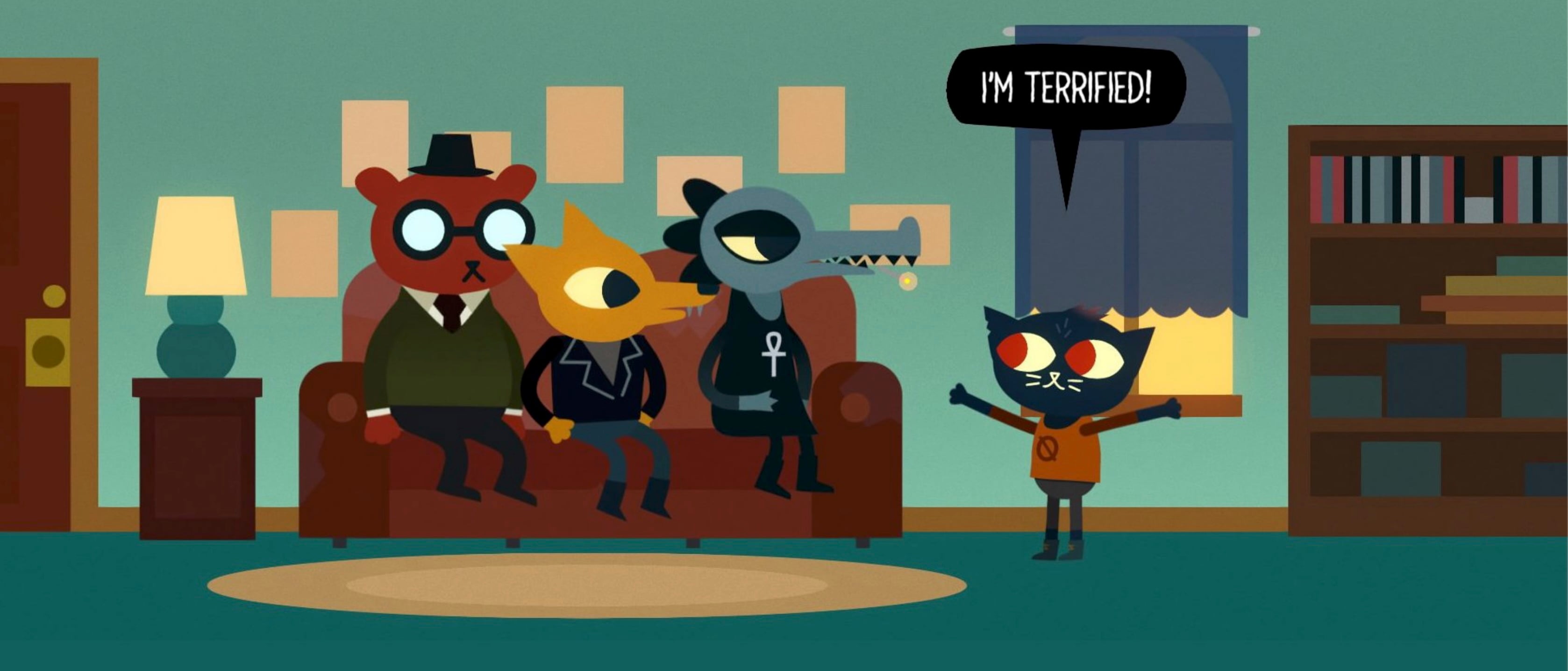
Today, Yarn Spinner is used by hundreds of studios. It remains open source, so anyone can adapt it for their purposes. Additionally, the team can also create custom iterations when working directly with studios on a work-for-hire basis.
Through Yarn Spinner, so many games produced globally are connected with the Tasmanian games industry – whether they know it, or not.
‘More than half the Independent Games Festival winners in the last 10 years have been powered by Yarn Spinner,’ Paris Buttfield-Addison, Creative Director at Secret Lab and Head of Product at Yarn Spinner, tells ScreenHub. ‘That’s a nice step that we like to cite a lot.’
Per Buttfield-Addison, the team actually has a custom bot to track when Yarn Spinner code is detected in a newly-released game on PC – not specifically for tracking, but to celebrate the wins.
‘It finds five to 20 games every day,’ Buttfield-Addison says. ‘Sometimes they’re Prince of Persia games, or Star Trek games. Brands we love and adore that are now using our technology … We get people from all sorts of interesting, marginalised, queer [backgrounds] who use it to tell their stories, and then tell us about the stories that they’ve made with it, and how it impacted them.’
‘We’re really just very proud of the massive breadth of work that’s been made with Yarn Spinner, and it continues to impress us.’
The success of Yarn Spinner has allowed the team some measure of stability to work on new, more creative projects, including its aforementioned games.
I Feel Fine, set to release in October, is a story about a service robot on a space station near Jupiter. Its station is about to be decommissioned, and it has three days to convince tourists to aid its rescue. With writing by Ryan North (The Unbeatable Squirrel Girl, Dinosaur Comics), there’s plenty of excitement about what’s to come and how this story will be told.
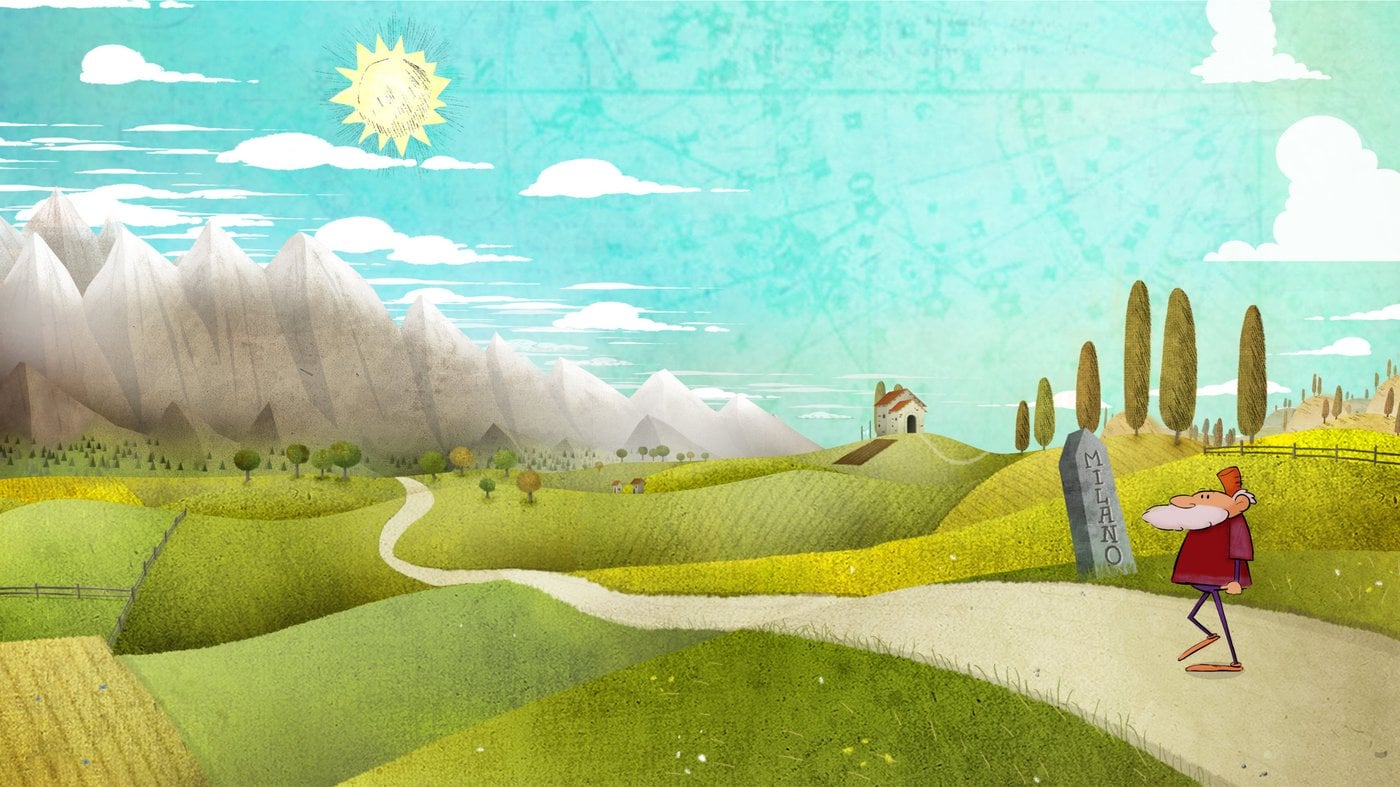
Another project in development is Leonardo’s Moon Ship, which is funded by both Screen Tasmania and Screen Australia. It’s a traditional point-and-click adventure game starring Leonardo da Vinci on a quest to build a rocket to the moon, with direction from Jim Capobianco, best known as one of the writers of Disney’s Ratatouille, and for their work on other Disney films including The Lion King, Toy Story 2 and Monsters, Inc. The art for the game is being contributed by Cartoon Saloon, best known for mythological adventure WolfWalkers.
Leonardo’s Moon Ship has been given above-standard funding by Screen Tasmania with a rights deal in place, as there’s plenty of excitement about how it will develop and whether it could be a breakout hit for the state, becoming popular on a global stage.
‘Hopefully we can live up to the other sheer talent on that game,’ Buttfield-Addison says.
Screen Tasmania’s support is what has allowed the game to thrive, and given Buttfield-Addison and the rest of the Secret Lab team the confidence to pursue other sources of funding and grow their business.
‘We’re begging for scraps from publishers, so [the funding] allows us to go to publishers with several line items of confirmed funding that are not just us, and that’s really helpful to justify what we’re doing, in a way that makes them take us seriously.’
I Feel Fine has been ‘basically fully covered’ by Screen Tasmania’s fund, as it’s a smaller game, both cost-wise and in its scope. For Leonardo’s Moon Ship, the cost base is more complex – but the investment has allowed for that confidence to bring the game to market, to hire and bring on more professionals, and to gain the support of additional investors, like publishers.
‘It gives us a surety and confidence to do things, and we can go through pre-production planning without having to risk our own money as much as if we did it on our own,’ Buttfield-Addison says.
Smash Attack and the value of games funding
Another major Tasmanian studio making use of Screen Tasmania’s overarching support for games is Smash Attack, which recently released sci-fi puzzle platformer Nullstar: Solus to strong reception.
A spokesperson who works in community support at Smash Attack tells ScreenHub that games are more important than ever, in an era where people want escapism and fun. They’re also more expensive to make than ever, which is where organisations like Screen Tasmania can help to fill gaps.
‘When you get [funding], it allows you to achieve goals in regards to paying yourself to make a video game – because they are inherently expensive, and you do need to live,’ they tell ScreenHub. ‘It allows you to pursue this as art, as a career. So we’re very grateful for the governing body we have.’
While Smash Attack’s spokesperson acknowledges the system isn’t perfect, as funding approvals can be tricky, and lack of clarity may off-side some developers. But as it exists, they believe Screen Tasmania is operating as best it can, with outspoken voices in the organisation rallying for continued and improved support of the Tasmanian games industry in future.
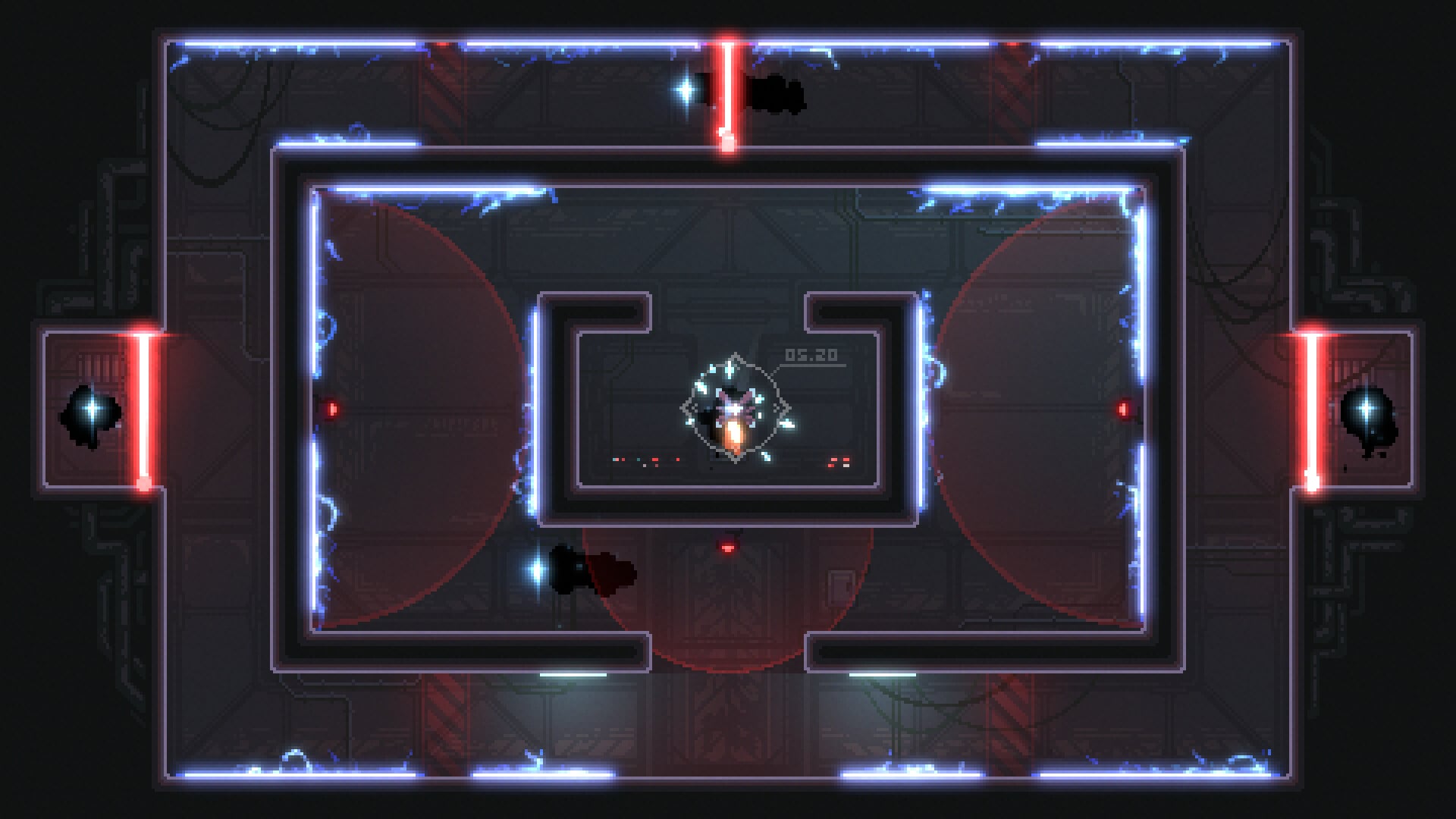
Smash Attack’s spokesperson also believes the agency is adapting to modern challenges, such as marketing games in a competitive landscape, and providing more strategic and marketing-focused direction for developers.
‘[Screen Tasmania] is slowly encouraging [developers] to be more strategic in their approach to it, which I think is very good,’ they say. ‘But I do also enjoy the hands-off-ness, where they’re like, “Look, you make the decisions of the showcases you want to do, where you want to be, how you want to [do it].”‘
There’s a balance in this freedom for Smash Attack, with teams currently enabled to make their own decisions, and implement guidance or suggestions where it’s most helpful.
With this approach, Smash Attack has been able to gather support for an array of new projects – and are now being approached by publishers directly, gaining the ability to work with ‘dream’ names on future projects.
Building a helpful community
As Sangston says, a large part of Screen Tasmania’s goal is to create a community where games can be elevated on multiple levels, and where developers are able to connect, work together and share their latest projects for the benefit of all.
Part of that involves being personally available to developers, to provide them with any resources they might need to achieve their intended goals.
‘Screen Tasmania is very small,’ Sangston says. ‘There’s only a few of us, so we’re all very reachable and very approachable. I’m regularly on the phone to clients. We’re not big enough for me to sit above speaking to clients – and also, that would be stupid, because that’s not what I’m paid to do. I’m paid to support the industry.
‘When we first started funding games … over a decade ago – we were one of the earlier state agencies to support video games – what we found was that aside from a couple of studios, which are still around, there really wasn’t much else.
‘It actually took quite a long time, and a lot of engagement of us with the sector, involving those more senior studios … to make it OK with the more emergent end of the sector, for them to speak to us – because they assumed that we weren’t there for them.
‘Over time, we’ve gradually chipped away at that attitude.’

Screen Tasmania has engaged heavily with community, as well as with the Tas Game Makers organisation, to help build up the local industry and to provide professional pathways.
Buttfield-Addison, in addition to running Secret Lab, is also the President of Tas Game Makers, with his hands-on experience shaping the organisation’s mission and its aims to support those working in the Tasmanian games industry. Working alongside Screen Tasmania, Buttfield-Addison has seen an array of positive changes in recent years.
‘Anything funded by Screen Tasmania had to have Tasmanian content or a Tasmanian story [previously], which went out the window a long time ago,’ Buttfield-Addison says. ‘When that happened, they started funding [more] games, and it’s been all positive since then.’
‘Alex [Sangston] and Ollie [Potter, Screen Tasmania’s Industry and Games Coordinator] both understand games, they both play games … they both understand how and why games [fit] into cultural practice, arts practice, arts policy.’
This perspective has served the local community to grow significantly over the last decade. As Buttfield-Addison says, Tas Game Makers is now ‘800 strong’ with around 60 paid members, all taking part in talks, meet-ups and other sessions.
‘It’s quite astonishing for a small state to have that consistency of community, and it’s a very close community,’ Buttfield-Addison says. ‘Everyone helps each other and shares ideas and collaborates, which is really nice.’
‘It’s a collaborative space,’ he adds. ‘Tasmania is a very arty place … we’re all coming at it from [the position of] we want to build this up. I’m told we’ll get some more ego as we get bigger, in terms of our impact, but right now everyone’s very collaborative and friendly, and that’s really nice.’
While Smash Attack’s spokesperson believes the scene is still in the ‘very early stages’, he believes the infrastructure and support is there so developers can ‘figure out’ what they want, and how best to engage in the community.
The future of games funding in Tasmania
In the coming years, Screen Tasmania plans to continue supporting games as a major cultural export with significant artistic value.
Sangston believes Tasmania is a very creative place, with a style of living and working that allows for that creative expression.
‘A lot of our “brand”, for wont of a better term, is based around storytelling to some extent,’ he says.
‘Even the natural landscape is really about story and storytelling. So there’s an expectation and an understanding within [the Tasmanian] Government of [that] importance.
‘We see ourselves as a very creative island. We see ourselves as a very artistic place. There’s a great deal of support for arts and culture more broadly … From a governmental point of view, they very much support the idea of assisting the creation of Tasmanian stories and their export, whether that be to attract new investment or to attract tourism dollars.’
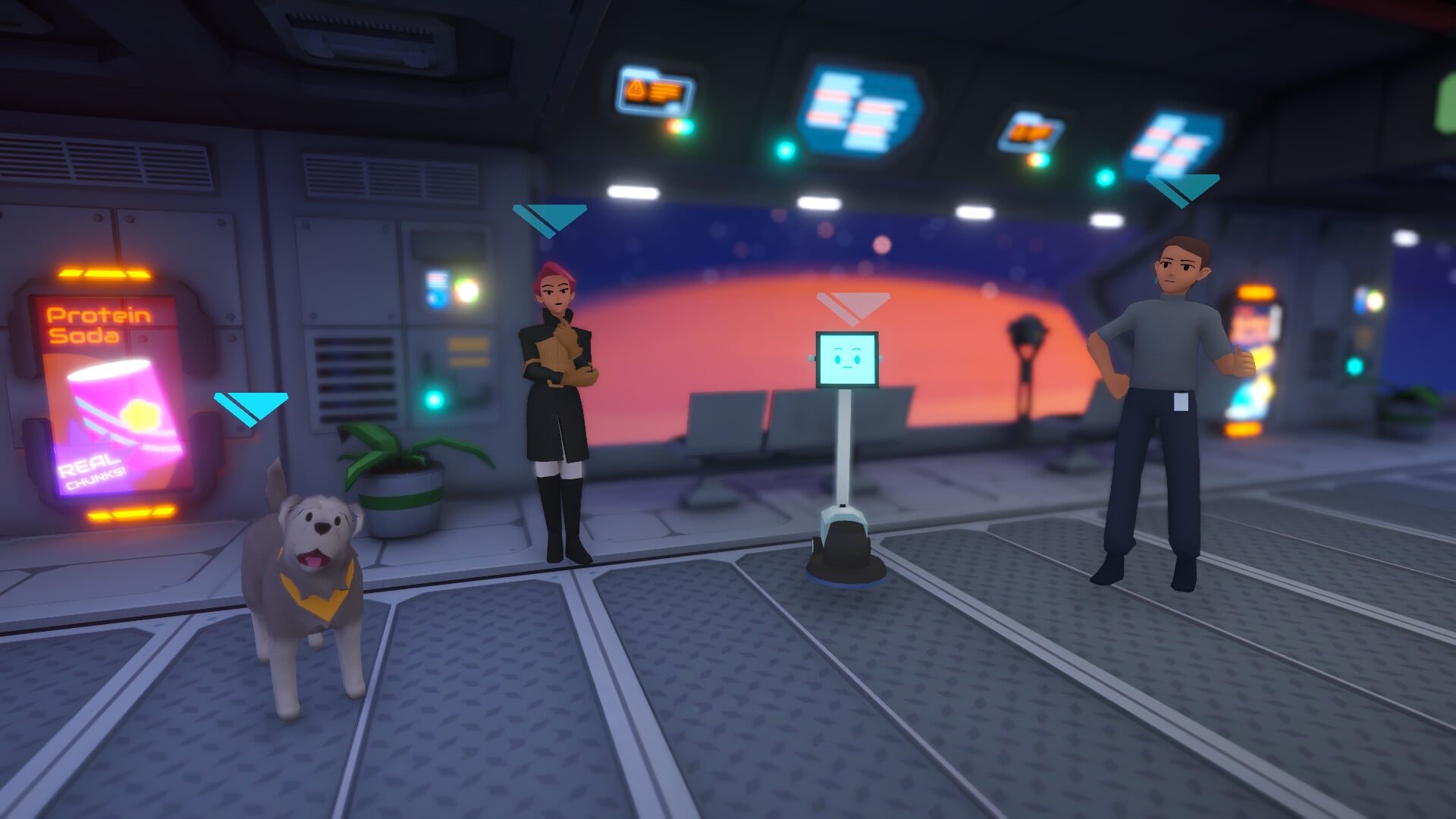
Per Sangston, there’s a ‘scrappiness’ to Tasmania’s games industry and a real willingness to take risks, with this naturally allowing for engaging, attractive projects with unique and compelling ideas.
‘You see some really weird, strange things coming out of our island, and I think that’s incredibly exciting.’
The best art is often the strangest and most challenging, which is why Screen Tasmania’s support feels so important.
‘I’d be lying if I didn’t say I wanted a Goose Game, or I wanted a Cult of the Lamb, or a Silksong. We all know every state agency wants that,’ Sangston laughs.
‘More realistically, I want to see increased professionalisation … I’d like to see things grow a bit more of a groundswell, so almost a critical mass of functioning studios that can start generating its own drivers without the intervention of government quite so much. That would be my hope.’
As studios including Secret Lab and Smash Attack continue to create strong, artful and commercially-successful games, this future may yet coalesce. We should all be watching what happens next as the Tasmanian games industry embarks on its next chapters.