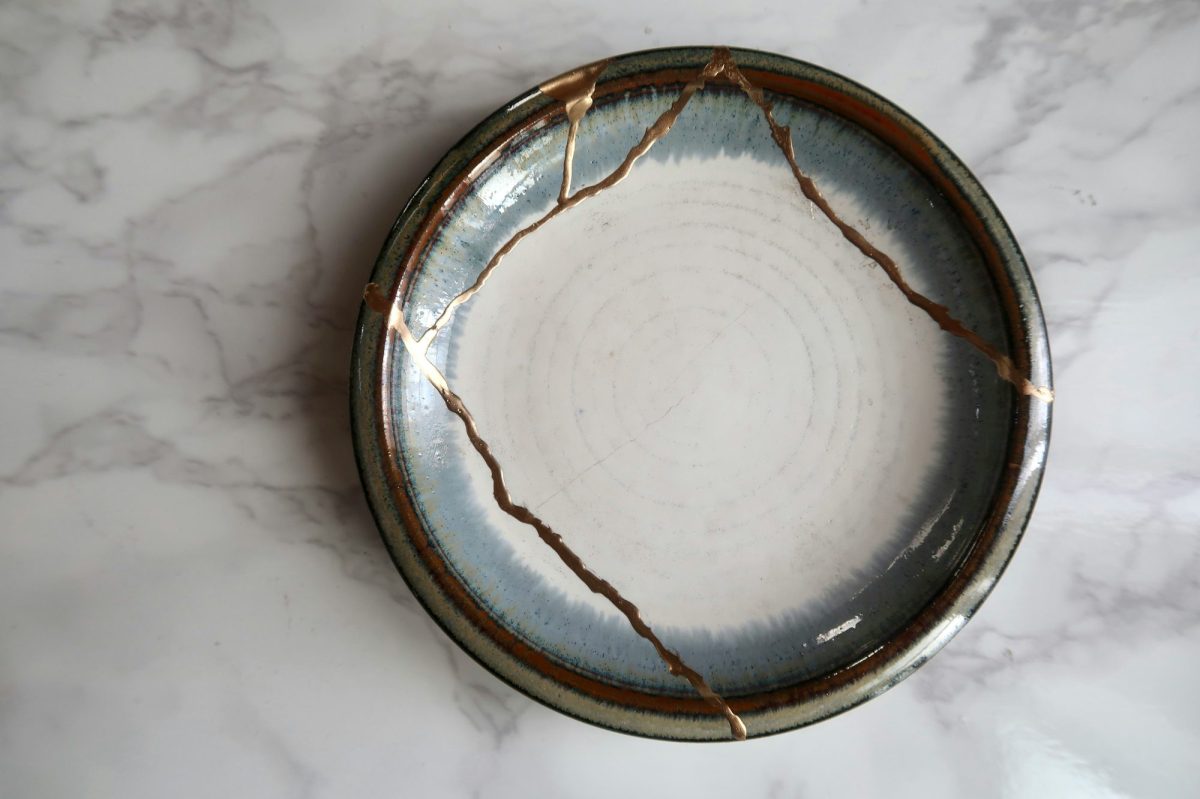
Wabi-sabi or sloppy? How to tell authentic from slapdash

In an age of artificial perfection, wabi-sabi is a refuge that offers lessons for embracing the human in art and craft.
Image: Riho Kitagawa on Unsplash.

The Japanese concept of wabi-sabi has been memeified in recent times. Late last year, audio from an old King of the Hill scene explaining wabi-sabi as the idea that imperfection has its own beauty found a viral new life over the top of TikTok videos about acne and crooked teeth. Makers use the phrase to sell all manner of ever-so-slightly-wonky handcrafts. Cake turned out a bit lop-sided? Fear not: it’s got wabi-sabi.

Like most Western appropriations, this one misses much of the conceptual heft. Grounded in Buddhist concepts of impermanence, wabi-sabi encompasses a love of simple aesthetics and a sweet melancholy at the transience of things. Wabi-sabi is built around an acceptance that nothing is perfect, nothing lasts forever, and nothing is ever truly finished or complete.

Unlock Padlock Icon

Unlock this content?

Access this content and more

Patrick Stokes is a philosopher at Deakin University, and has previously held research fellowships in the UK, Denmark and the US.