
Life on Marvel Island is grand. Life on Marvel Island is sweet. New citizen Loki appears to have made everyone angry by being awkward and snippy in dialogue, and Bucky is pining after his new love Ava, but everything is perfect. In Tomodachi Life: Living the Dream, you really are living the dream.
Nintendo’s latest foray into the life simulator genre is an odd one by nature, following in the footsteps of Tomodachi Life games of the past. Like its predecessors, it presents an idyllic and surreal dollhouse-like world where you can create Miis – funny, humanoid characters – and click them together like action figures, to create drama and romance.
It’s slightly larger in scope than these predecessors, with an overarching sense of progression and growth allowing your home town to thrive. That said, you will need to put a piece of your soul into this game, to get the most out of it.
Tomodachi Life Living the Dream review – quick links
Living and loving in Tomodachi Life: Living the Dream
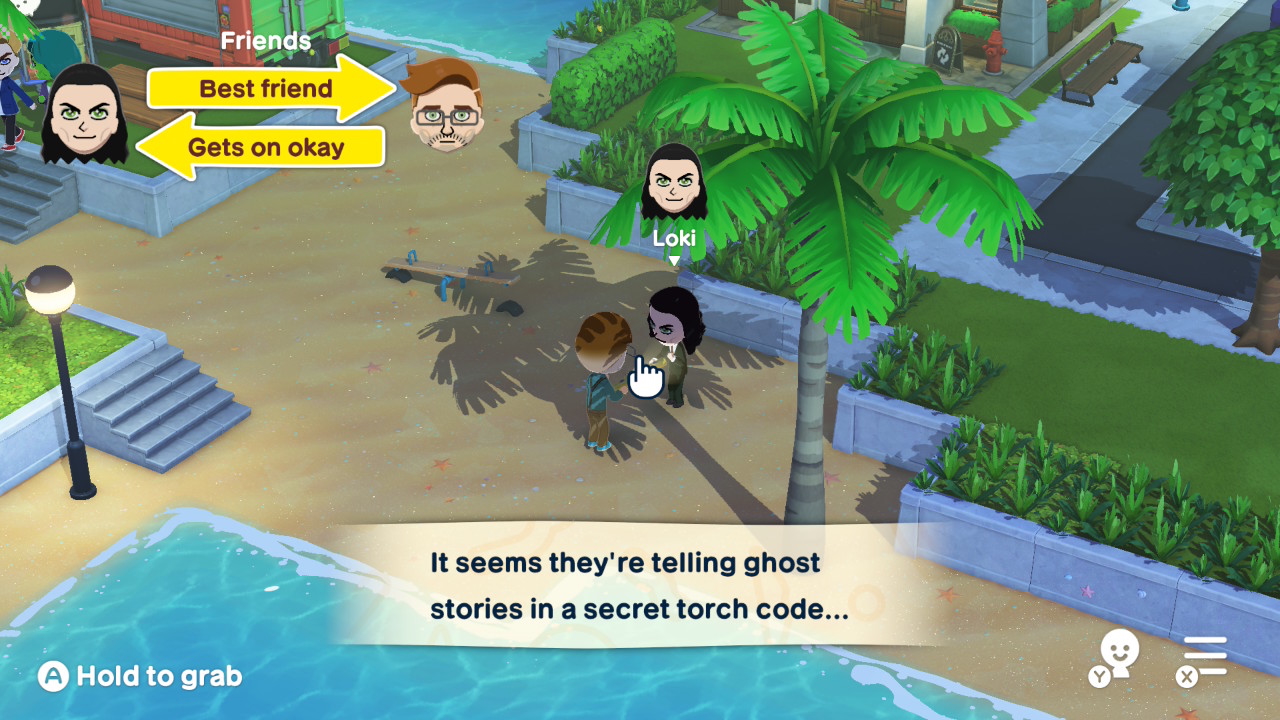
Tomodachi Life: Living the Dream is essentially a relationship simulator. You’re given an island and asked to populate it with an array of Miis, designed however you like. Fresh off reviewing Daredevil: Born Again Season 2, I was dealing with some Marvel-inspired brain worms, so I chose to create an island full of Marvel superheroes to see how they clashed.
You can set your own personalities for each Mii, with a points system placing them into various set categories – Leader, Dreamer, Energetic, Confident, and so on. This determines how they act within their bounds, and how they get along with others. It creates latent chemistry between certain pairings, and also seems to determine how successful dialogue interactions are.
One Mii speaking to another might make fast friends with another Mii of a similar personality type. The same Mii might reject another, even talking on the same shared topic of interest (which you can set yourself), based on their own interpretation.
As one of the core tenants of Marvel Island, all of my Miis loved to talk about Fighting Crime. But when Loki, a prickly and direct Mii, tried to make friends with Natasha, a confident leader Mii, his dedication was doubted, and the interaction came off as awkward, leaving both Miis frazzled.
You’ll quickly discover the synergy between your Miis, noting how fast they make friends, or fall in love. Sometimes, all it takes for a Mii to fall in love is being rescued when they fall to the ground and can’t get up. Sometimes, it requires you to pull them away from their home spaces and literally drop them with their chosen beau, again and again, until the relationship strengthens.

This was my greatest delight, playing Tomodachi Life: Living the Dream. Playing with my little action figures, having them befriend each other, and seeing where the sparks of romance grew. Inspired by Thunderbolts*, I brought Bob and Yelena from casual acquaintances to ready for marriage, pushing them together and watching as sparks appeared in fun, light-hearted and frequently silly dialogue.
I was also very surprised to see my Wolverine initiate a romance with Storm, without much prompting. It turned out the chemistry of their personalities mixed very well, and Wolverine was asking Storm to move into an enormous house with him before I’d really made a concerted effort to pair them together.
When you look away from Tomodachi Life: Living the Dream, life moves on, which is a nice touch. In the moments when you’re not playing the game, your Miis will still flit around and interact with each other, building bonds that then play out in little interactive dialogues, where you can determine the outcome.
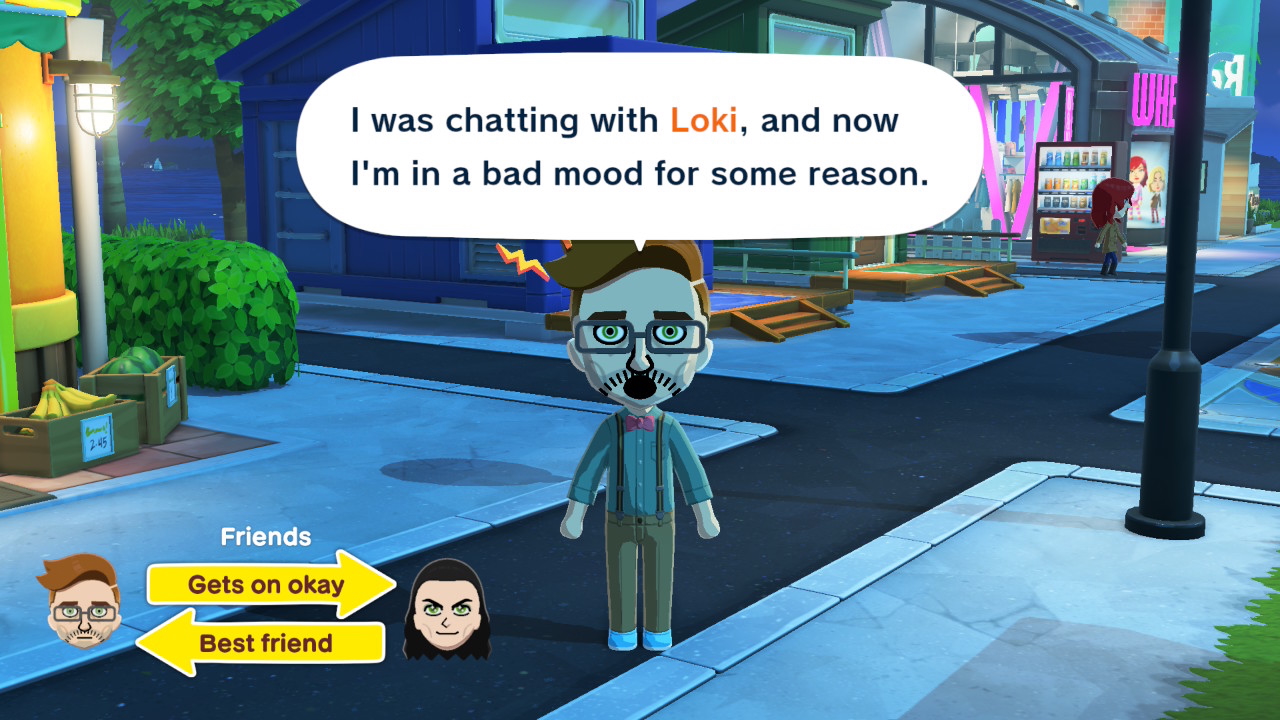
Loki, for some reason, kept insisting that Bruce lived with him, despite them only getting on ‘okay’. Multiple times, I had to push back on this request, knowing that the friendship was one-sided, and not wanting to break Loki’s heart.
An island where you make your own fun
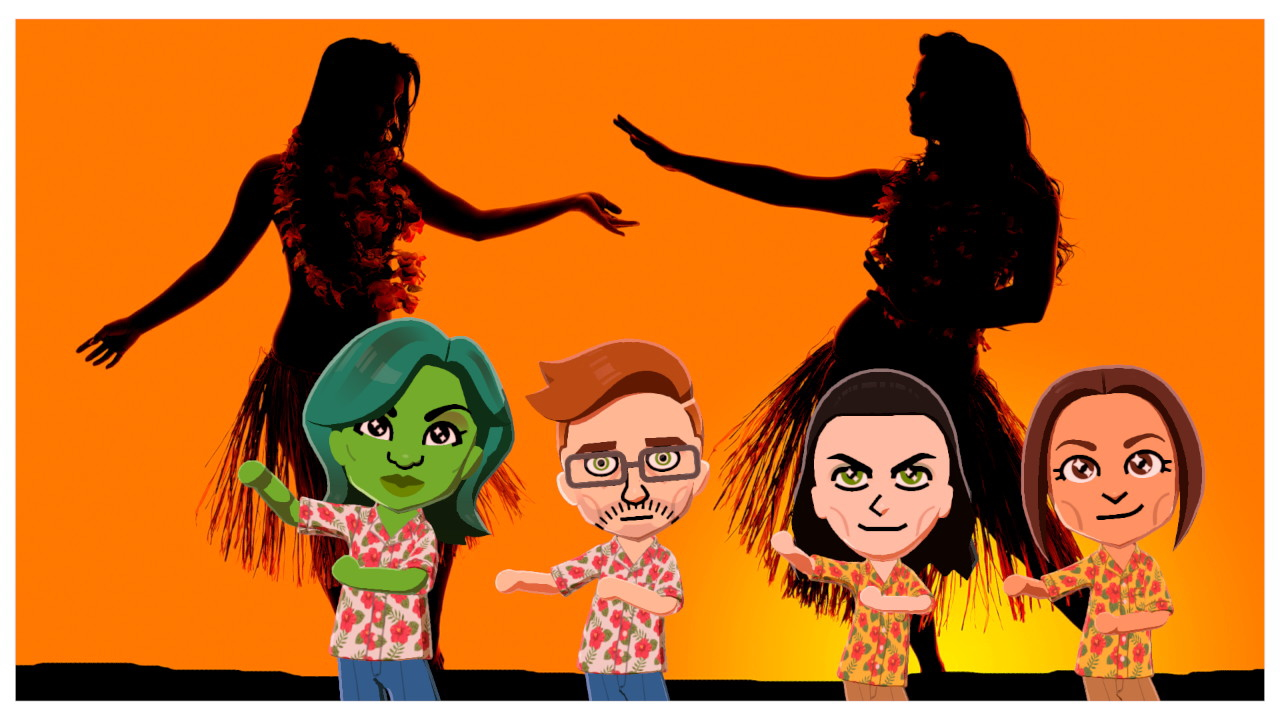
You’ll want to get deeply involved in the personal lives of your Miis this way, to get the most out of Tomodachi Life: Living the Dream. This game does largely revolve around Mii relationships, and the funny little circumstances and hijinks they get into.
Fresh off the back of Pokopia, another of Nintendo’s recent life sims, you might be surprised by a lack of major adventuring or meatier progress in this particular game. You have your home island, and that’s where you stay. You can make changes to terrain and eventually, your plot of land will grow bigger, and you’ll be able to introduce more unique buildings to extend play. You’ll also be able to introduce more ‘hobby’ items to keep your little Miis entertained.
But there’s not a lot to Tomodachi Life: Living the Dream beyond its core loop and the upgrades earned along the way. There’s a sense of progression, as you can unlock new features by looking after your Miis and encouraging them along to new relationship milestones, but it is fairly light-touch.
The game is good at keeping you on the string though, with a steady rollout of new in-game items, travel locations, gifts and daily food and costumes, to make sure that no two days are the same. By the time you’re thinking ‘oh, not much has happened’, you’ll get a news alert for some new feature or island development that encourages you along.
You can’t rely on the game constantly presenting new developments to keep you hooked, though, as many of them aren’t game changers. Instead, you’ll want to invest deeply in your Miis, creating characters that you genuinely care about, so watching their daily progress and interactions is more rewarding.
It’s part of the reason why I chose to create a Marvel-inspired island, to have a stake in each character, and find fun in how their backstories and interests weaved into Tomodachi Life.
A living world of little friends
To embrace Tomodachi Life: Living the Dream, you must accept this game is an absurd little sandbox that gives as much back to you as you give to it.
You’ll want to understand that life on the island is very weird, and that the strangeness and quirks are the point. While it’s equally sweet, and you can spend hours devoted to creating the perfect, heart-warming romance between your Miis, the crux of the game is that it’s an absurd, silly life simulator where you have fun with tiny little beings.
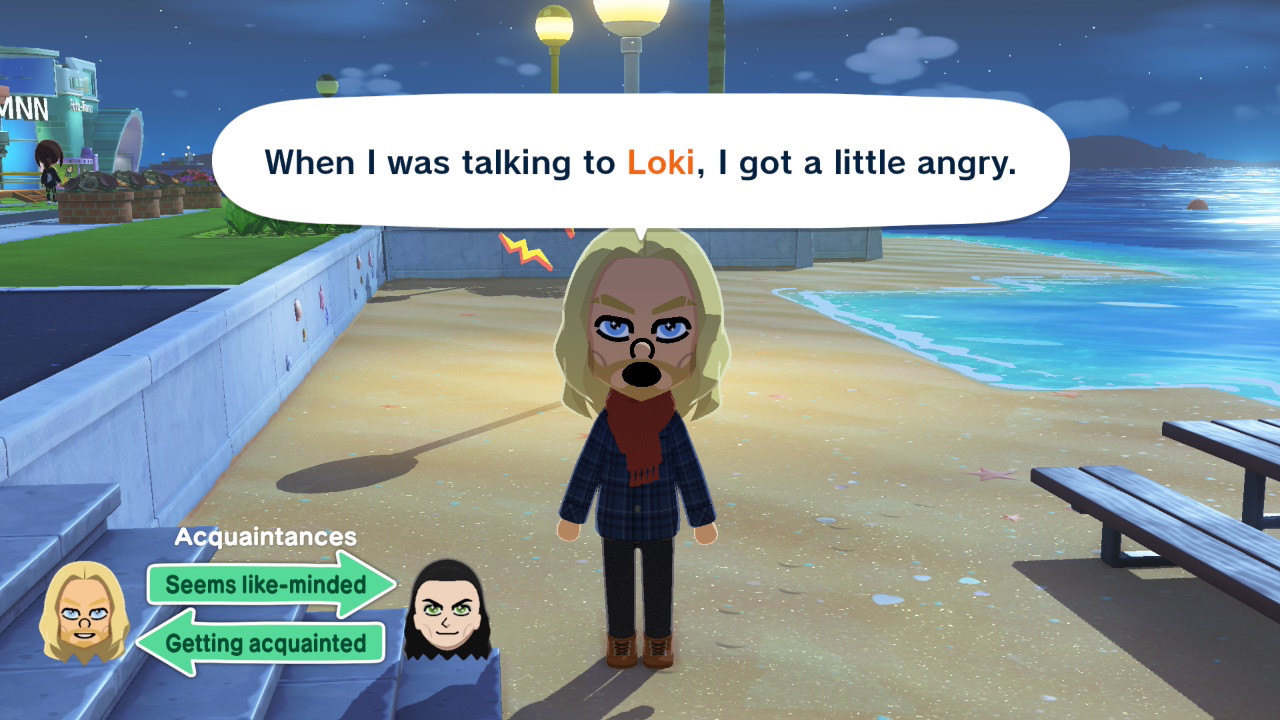
Sometimes, your Miis will fall asleep and dream of flying through the sky, or encountering their friends in giant form. Sometimes, a declaration of love will mean becoming as tall as a skyscraper, to shout their admirations to the heavens. Sometimes, a piece of Rainbow Cake will be rattling around in a Mii’s head, and when you take it out, you’ll receive it as a gift – which can then be fed back to the same Mii.
In this sandbox world, anything goes.
With its lovely cast of characters, all with their own tiny personalities and intentions, and the freedom to forge friendships, romance and make enemies, it’s a delight to vibe within Tomodachi Life: Living the Dream. While this game isn’t as meaty as anticipated, and you’ll need to find your own sense of play, it’s entirely loveable, and easy to invest in.
Tomodachi Life: Living the Dream launches for Nintendo Switch on 16 April.
A code for Tomodachi Life: Living the Dream was provided by the publisher for the purposes of this review.
Discover more screen, games & arts news and reviews on ScreenHub and ArtsHub. Sign up for our free ArtsHub and ScreenHub newsletters.
Developer
Nintendo
Publisher:
Nintendo
Release Date:
16 April 2026