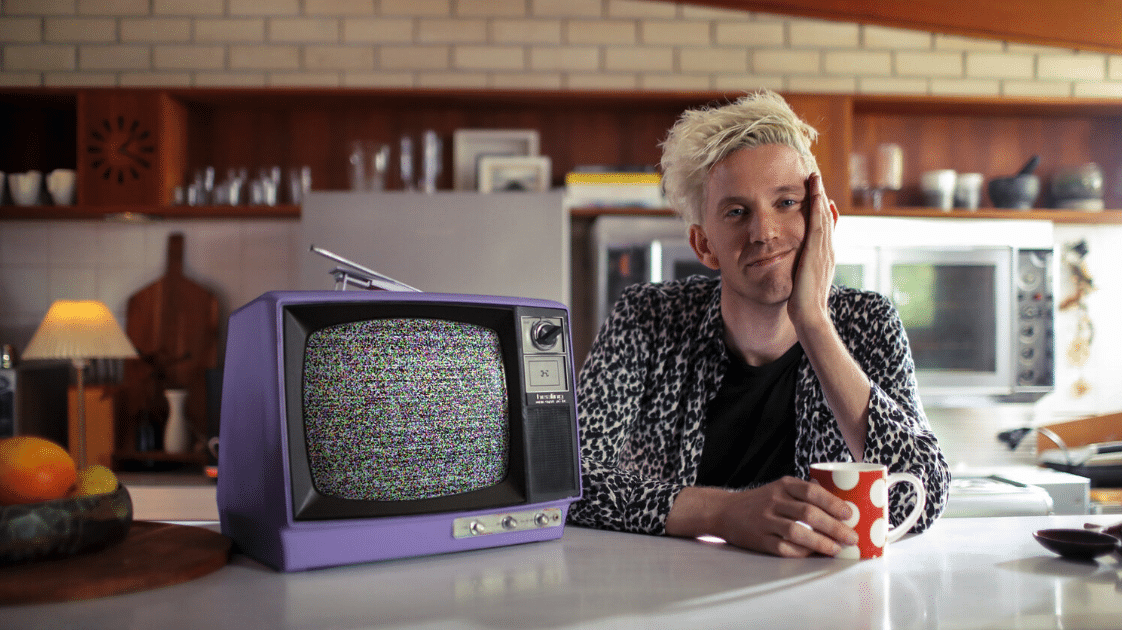
Is there even such a thing as Australian television anymore? Well, yes. Mitch McTaggart’s The Last Year of Television is full of it. But the days when Australian television was something that actually united Australia – we might not have liked or even watched Hey Hey it’s Saturday, but we all had a vague idea of what it was – seem well and truly behind us. Why watch a round-up of the year in Australian television when most of the television we watch isn’t Australian?
For starters, McTaggart is easily the sharpest Australian television critic we have. Even if the 2025 edition of The Last Year of Television was just a full hour looking at how the 80s-era promos for Tasmanian television network Taz TV were just shots of empty paddocks, it’d still be worth watching. Fortunately, it turns out Australian television in 2025 had a bit more to offer than rolling hills and the occasional bout of woodworking.
The Last Year of Television review – quick links
The Last Year of Television: from MAFS to mushrooms
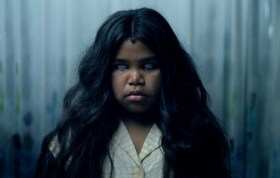
In previous years McTaggart spent a fair slice of his recap focusing on the quirky and often downright weird Australian shows lurking in the crannies of the commercial networks. There’s still a bit of that here: Nine’s long-promised and frankly bizarre Australia’s Most Identical gets a moment in the spotlight, which is more than it got when it actually went to air.
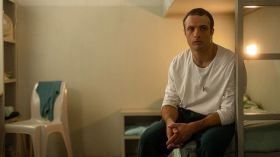
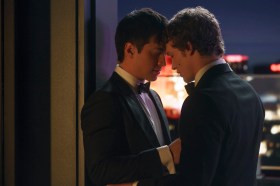
There are also a handful of reviews scattered throughout The Last Year of Television. The one for Apple Cidar Vinegar ends up being largely just a list of the (excellent) cast, while Seven’s RFDS gets some richly deserved praise.
Read: 5 best Australian TV series of 2025
The not-so-buried subtext here is that we really can make great drama if we put our minds to it, so why don’t we… oh look here’s a segment on Married At First Sight.
The real appeal of The Last Year of Television – and a big part of why it’s one of the highlights of the Australian television year every single year – is that McTaggart is one of the few people out there able to insightfully unpack what’s happening with the kind of television that most commentators dismiss.
MAFS is watched by two million people. It’s probably important to note that the show’s producers don’t seem to think domestic violence is something that should break up a relationship.
Likewise, a large part of this year’s instalment is devoted to examining exactly what’s going on with the Australian news media’s firm and unwavering commitment to giving neo-nazis air time to explain their views, as if we don’t already know exactly what they’re on about. (It’s the ‘nazi’ part that’s the giveaway.)
It’s common knowledge that these groups thrive on media coverage, using even the most negative reports as a recruiting tool. Yet as this reveals over and over, that doesn’t stop pretty much all the news services from happily turning up outside the court every single time some nazi thug faces a judge. Commitment to sensationalism, or a half-baked idea of ‘balance’? Does it really matter when the result is the same?
The picture that emerges is – once again – of a media firmly committed to serving up slop that actively encourages the worst in its audience. Shows like The Project and Q&A, both of which wrapped this year, are saluted for their early attempts at providing engaging viewing, even if their final years saw them succumbing to useless both-sides-ism or just losing the plot entirely.
And while everybody in 2025 jumped on board the mushroom murder bandwagon, McTaggart’s in-depth examination of the various beef wellingtons used in the re-enactments makes all those hours of repetitive coverage worthwhile.
Mitch McTaggart takes on the state of Australian TV
It’s important to stress that The Last Year of Television is consistently amusing viewing, especially if you find a Nine sports reporter being fired for trying to score $50,000 from an influencer funny. The real comedy comes from the implication that the offence was more about not cutting in the network, as it’s not like Nine’s sports coverage – or their live programming in general – isn’t wall-to-wall sponsorship deals. Just maybe keep Tony Jones away from the joke book.
There aren’t as many sketches as in previous years (though the Bruce Lehrmann one is a classic) but any year where you can get a running gag out of Thomas the Tank Engine is a good year. And McTaggart himself is a charming and funny host, with the ability to be serious (and frustrated) then silly or snarky without ever coming across as glib.
He ends things with a call for more local variety and sitcoms, preferably funny ones – his joke about the ABC’s Mother and Son is spot-on – alongside longer runs for local drama. The irony being, as he well knows, that given half the chance the ABC really would put to air his pitch for a crime-solving series featuring a half old lady, half cute dog lead titled Old Bitch.
The Last Year of Television is available on Binge from 29 December.
Discover more screen, games & arts news and reviews on ScreenHub and ArtsHub. Sign up for our free ArtsHub and ScreenHub newsletters.
Actors:
Director:
Format:
Country:
Release: