
Austin Abrams is given a Sisyphean task in Zach Cregger’s Resident Evil. Not only in the film itself, which sees his character, Bryan, attempting to courier a mysterious package to a hospital in Raccoon City, but also as an actor shouldering the burden of an oddly written film script.
Prior to the release of Resident Evil, much was asked about how Cregger would adapt the Resident Evil games without including any recognisable characters. To answer definitively, and as someone very experienced with the games: this is absolutely a Resident Evil adaptation.
It’s arguable the film is actually too faithful in parts, with a recognisable structure to its bloody adventure and frequent, smug nods to objects in the games (a typewriter appears, as do green herbs, a healing canister, weapons briefcases, keys and egregious locks on surmountable fences).
Fair play to Cregger: this is one of the first Resident Evil film adaptations to capture the tone and feeling of a Resident Evil game. But this devotion to the source material also replicates some of the same problems facing the games.
Resident Evil review – quick links
As with Requiem, Cregger’s Resident Evil is a film of two halves
Resident Evil opens on Abrams’ Bryan in the midst of his job as a medical courier. After dropping off one package, he’s contracted for a long-range assignment to deliver to Raccoon City General – and it’s here that the first of many stupid decisions are made.
The film is really an exercise in character missteps. The frustration at how characters deal with certain tasks mounts in a way that creates more drama for the film, but often feels unnecessary. Told he needs snow chains to deliver his package, Bryan still makes the decision to go without – and when his car begins to swerve off the road mid-phone conversation with his newly-pregnant partner, there’s an inner scream that builds.
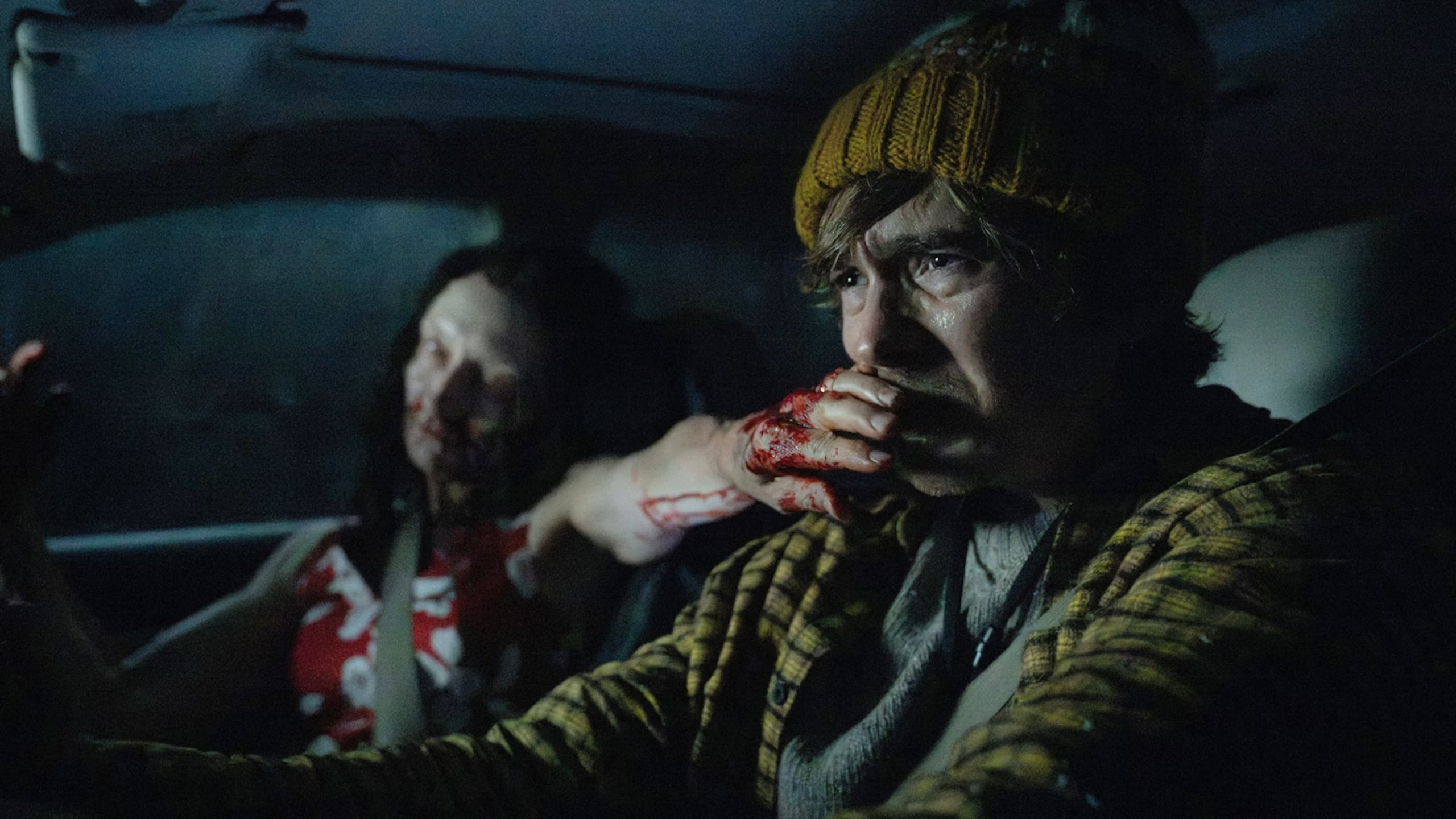
‘Why on earth would you do that?’ was a constant refrain while watching, to characters going into dark alleys and forests, and the millionth time Bryan tried to shoot a lock apart. Even after tentacle monsters started appearing, Bryan was still trying to befriend random, zombie-like people on the streets. ‘Don’t you have a preservation instinct?‘
To give Bryan some benefit of the doubt, Cregger initially does a masterful job of building tension and mystery. The action begins on a quiet, snowy road, where Bryan encounters the first sign that something may be wrong. A woman with blood-red eyes walks onto the highway and is accidentally run over, leading to a good-natured rescue and too much trust in strangers found on the road in the dead of night.
Like the Resident Evil games, the film then transitions to its next ‘stage’ – a walk across a wide, snowy field with an emptiness and openness that builds tension naturally. This setting is really where Resident Evil shines. Surrounded by an inky blackness, there’s the sense that anything could happen – and eventually, it does as, as the film reveals its core villain: an oozy, tentacle mass of corrupted bodies that haunts Bryan through his travels.
After a series of mishaps, the film eventually travels to Raccoon City, which becomes the primary location for a series of unfortunate events. In this transition, Cregger loses much of the tension built in the first half. Trading openness and darkness for familiar city walls – and some locations that fans of the games will recognise – adds a telegraphed nature to the film.
Many of the scares that follow are outlined in dialogue or heavy-handed hints that leave little room for the wandering, curious mind to invent scarier scenarios. In one particularly egregious moment, the film reveals exactly where’s it going next, in a short bit of dialogue that encourages the audience to steel itself against the horror, deflating the tension entirely.
Resident Evil’s dialogue is its biggest flaw
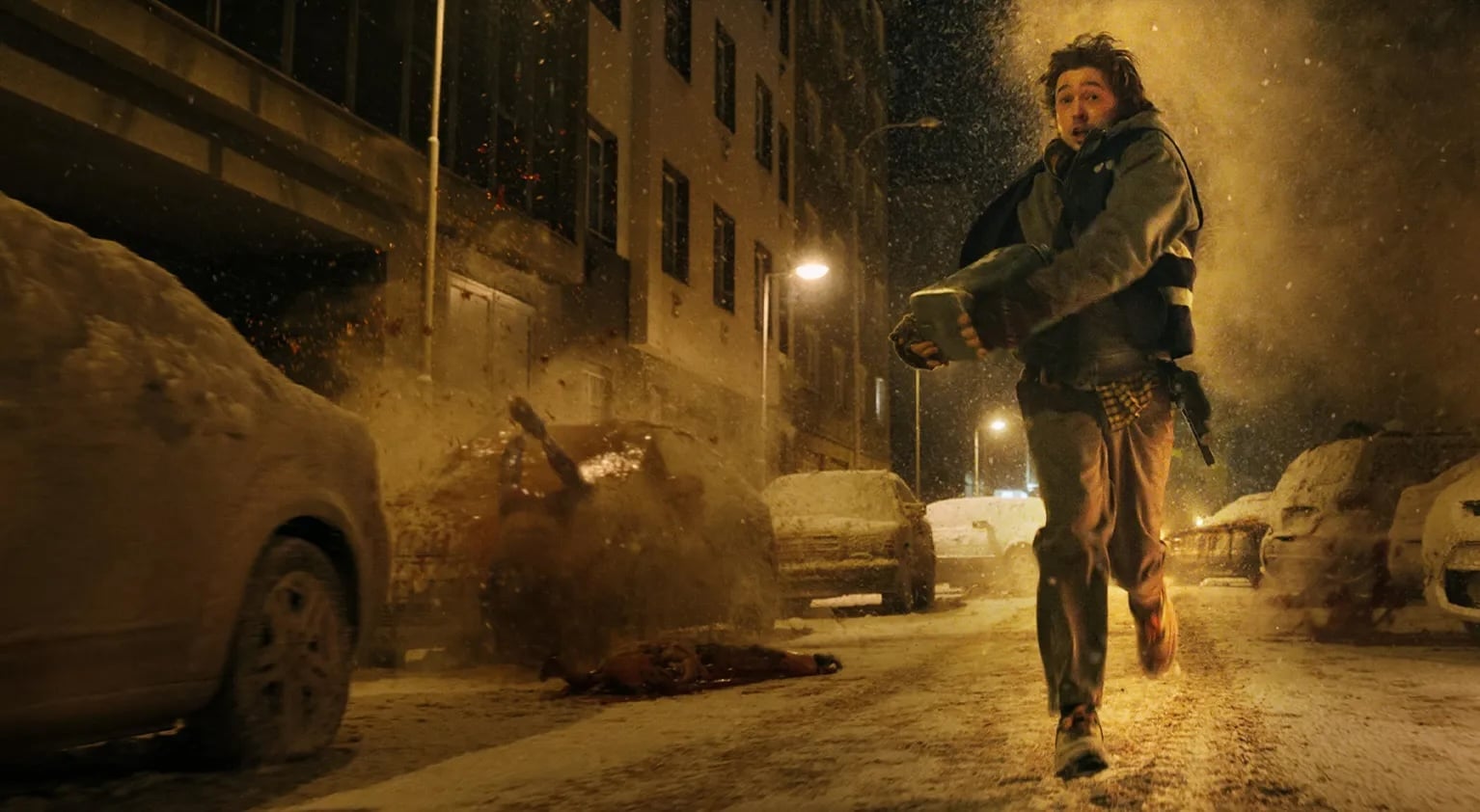
The dialogue doesn’t help matters, as it also serves to diffuse tension through light comedy. In parts, it feels Resident Evil would have been better off as a rare example of a silent film. The action and terror speaks for itself, but when characters including Bryan speak their fears aloud, elements of cringe creep their way in.
Abrams does his best to perform some of the script’s sillier notes. There’s efforts and grunts that are genuinely funny in a way that does feel true to a tale about a regular guy thrust into extraordinary circumstances. But then sometimes Abrams is given the directive to shout ‘video games!’ out loud, as a seemingly cynical nod to the film’s source material that plays out oddly in the circumstances.
As with other genre films, Resident Evil runs into trouble with over-explaining Bryan’s struggles as he constantly talks to himself, narrating parts of the action and his every movement. He picks up a gun and says ‘gun’ and then berates locks when they won’t blast open, or keys when they won’t fit.
A pared back approach would have better served the action, even if there’s an argument to be made that some folks would deal with the circumstances through inane chatter. Here, it’s just a distraction that alleviates some of the needed tension from the story.
Watch the trailer
A deeper meaning that’s either ignored or laid on too thick
In the realm of over-explaining, the dialogue – and particularly the calls between Bryan and his partner – is fairly heavy-handed when it comes to highlighting the film’s core theme.
In the canon of Resident Evil, the series is typically about government overreach and the potential of scientific experimentation to mutate genetics and create post-apocalyptic scenarios. Games usually follow the protagonist’s journey to defeating the Umbrella Corporation and finding a cure for the latest outbreak of their deadly, monster-creating viruses.
While that theme remains, Cregger is not so much concerned about making this sort of statement. The film is more focused on Bryan’s trepidation about becoming a father – something he shares in common with fellow RE protagonist, Ethan Winters (as depicted with great shock value in Resident Evil Village).
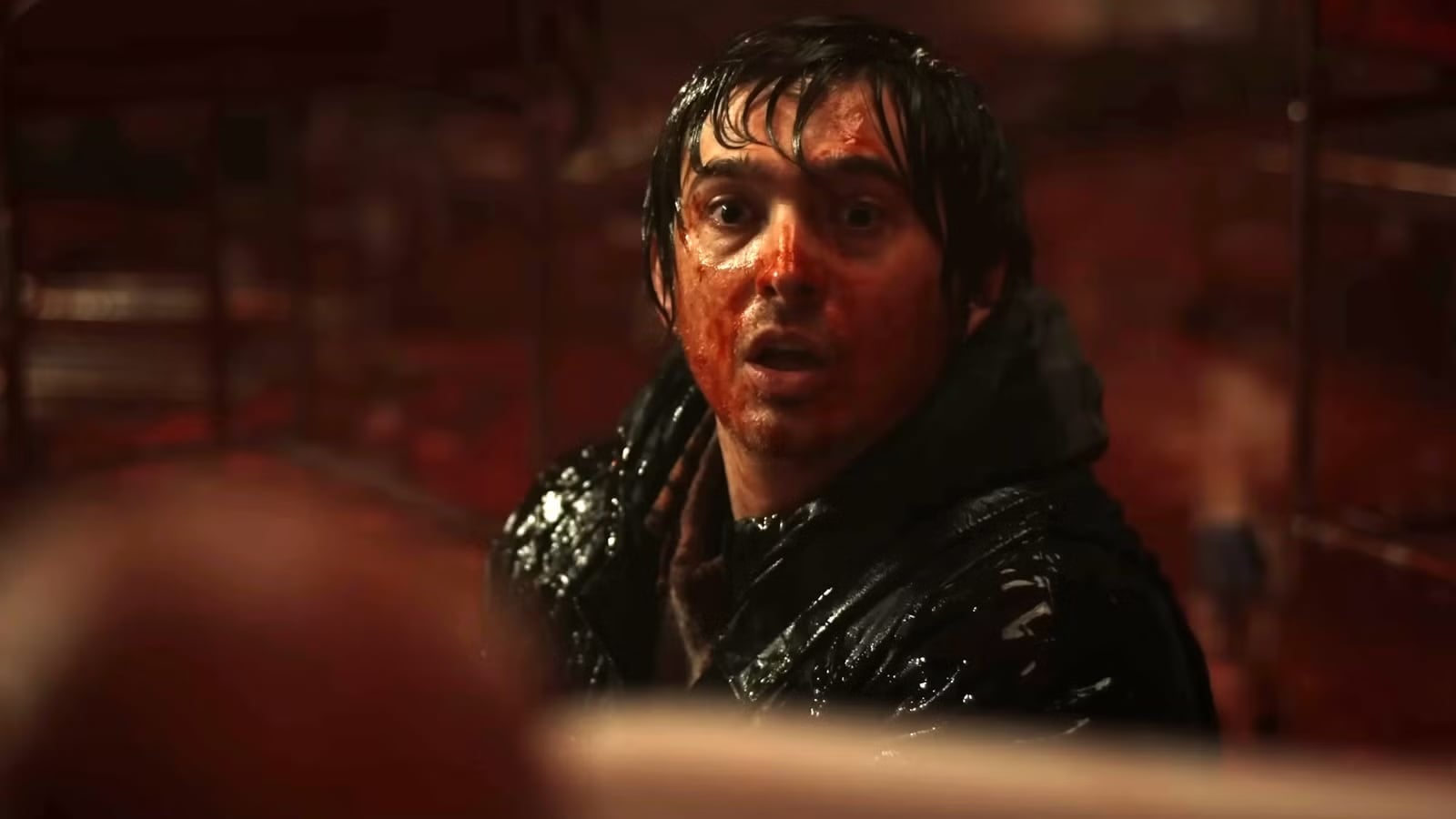
This particular theme is made clear in a scene taking place in one hospital ward, which serves as a very on-the-nose and perhaps too-typical metaphor for the fear around parenthood. For large parts of the film, it’s hard to really see what it’s about. When this scene eventually arrives, it’s like being hit over the head with a hammer.
It serves as a core example of one of Resident Evil‘s main flaws: too often, it feels derivative and obvious in approach. Even for a newbie horror film watcher, it’s packed with moments made less scary by familiarity.
Much of this film has been done before, with some sequences even referencing the past to generate their own horror.
Action keeps the plot flying along
At the very least, Resident Evil doesn’t give you much time to dwell on these pitfalls. To its benefit, it’s a tight 90-minute film, with a constant string of monster battles to haul you along its runtime. When a character makes a bad decision, there’s only a moment to revel in it. Then the film simply breezes along to its next stage, with Abrams squeaking and muttering his displeasure.
It’s only after the thrill ride is over that you’ll think so deeply about the film’s structure. For many moviegoers, that 90 minutes of thrill will be the pure pleasure they seek, with few reflections in its wake. There’s a lot to be said about a tight, action-packed experience that lets you turn off your brain for a short time.
Resident Evil is enjoyable, for the most part. It’s flawed in structure and its comedy often feels misplaced. Its tension is built and diffused too quickly to maintain its pure terror. But with Austin Abrams being such a likeable lead, and the film being buoyed by a recognisably ‘Resident Evil‘ tone, there remains merit in its bloody, gory journey.
Resident Evil is now screening in Australian cinemas.
Discover more screen, games & arts news and reviews on ScreenHub and ArtsHub. Sign up for our free ArtsHub and ScreenHub newsletters.
Actors:
Austin Abrams, Zach Cherry, Paul Walter Hauser
Director:
Zach Cregger
Format: Movie
Country: United States
Release: 17 September 2026