The following review contains the name and image of an Indigenous person who has passed away.
True crime viewing, especially in Australia, is rarely as confident or as confronting as 2.6 Seconds: Death in the Outback. This four-part documentary series from SBS and NITV starts off with a fatal police shooting and then spirals out to look at the systems and culture that brought two men together: the one with a gun, and the one who is dead.
In 2019 in the Northern Territory community of Yuendumu, police entered the home of 19-year-old Kumanjayi Walker’s grandmother, looking to arrest him. During that attempted arrest, three shots were fired; Kumanjayi later died in police custody. Police officer Zachary Rolfe, a 28 year-old originally from Canberra, was charged with murder. He was later acquitted.
First time director Darren Dale drops viewers right into the heart of matters. The series has barely started before we’re seeing bodycam footage of the attempted arrest. Cutting to black as the gunshots ring out does little to blunt the impact. Similar clips shown later are no less confronting. Seeing Walker being handcuffed after he was shot, still threatening police while they’re yelling at him to drop his weapon – a small pair of scissors – is not an easy watch.
Throughout the series (only the first two episodes were available for review), Dale builds a vivid and comprehensive look at the shooting, the community that was shattered by it, and the trial that followed.
2.6 Seconds review – quick links
A confident hand
Dale takes a cinematic approach to the massive amount of material he has to work with. Moody landscape shots and family footage are intercut with police camera images and archival audio.
2.6 Seconds never stumbles as a documentary. The style contributes to the storytelling, with the various talking heads and clips combining to present the information in a clear fashion. The lack of narration adds to the sense of immediacy; this isn’t something safely locked away in the past where history has already passed judgement, but a series of events happening before our eyes.
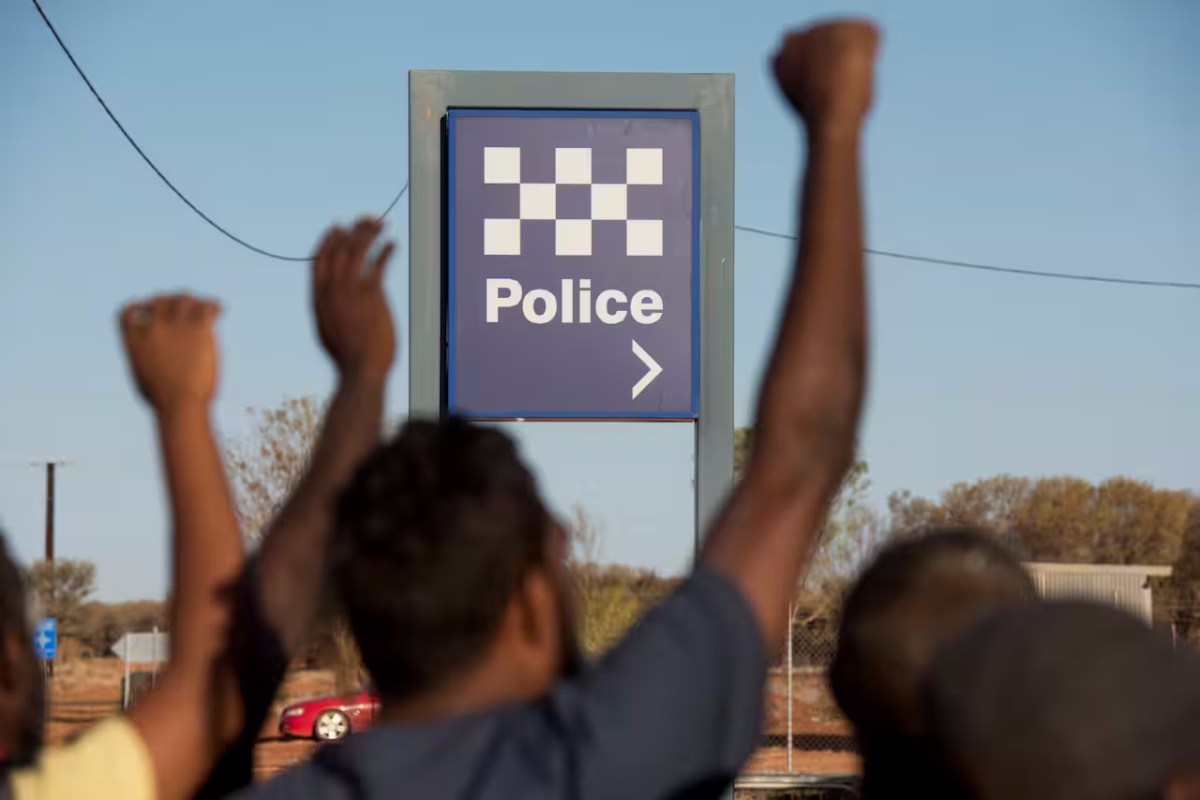
Much of this documentary’s power comes from the raw nature of the footage. The police body camera material (most of which is previously unseen by the general public) has the juddery energy of an action movie, only with the added impact of seeing actual events play out. Similarly, footage taken by the Yuendumu community outside the police station after Walker was taken into custody helps convey just how devastated the locals were by events.
There’s a wide range of interview subjects here, from community members, relatives and care workers to police officers, lawyers and journalists. Rolfe himself declined to be interviewed for this series; the gap is filled by public interviews (notably a 2022 episode of Seven news program Spotlight), as well as police recordings and legal proceedings.
Watch the trailer
Leading viewers through the issues
There’s analysis from observers too. We’re told that Rolfe was someone focused on physical bravery, who believed that officers who backed down from violent situations were cowards. Rolfe repeatedly watched police video of an earlier confrontation between Walker and police officers where Walker is shown brandishing an axe.
In that situation the officers withdrew from the conflict without drawing their weapons, a response Rolfe, in interviews, was less than impressed with. It’s suggested that after that encounter was added to the list of charges against Walker, tracking him down became ‘an operation’ – a goal that police were actively pursuing. Did that shape their approach to bringing him in, ruling out any kind of backing down if he threatened police again?
That’s just one example of the way Dale’s documentary digs down into what took place, spinning off new angles even as it constantly returns to the shooting itself. The death of Walker becomes a lens through which broader issues around policing and the treatment of Indigenous people are examined. This series is more focused on exploring how various factors combined to create the situation than it is on steering the audience to any simplistic conclusion.
SBS clearly hopes this series – which has already been picked up by Netflix globally – will spark discussion and debate. Various complementary programs are screening in the coming weeks, including two episodes of The Point On Country called Yuendumu – 7 Years On and Yuendumu – Trust and Justice, as well as an episode of Living Black interviewing one of the writers and producers of 2.6 Seconds, and a forum on NITV, Bridging The Justice Divide.
It’s rare that a series deserves such treatment but this is something special. Dale may be best known for his lengthy career as a producer (he’s currently running Blackfella Films), but as a director he displays a masterful grasp of his material and subject, creating television here that stands up as both true crime drama and an insightful examination of the issues.
Powerful, compassionate, gripping, and clear-eyed about the problems it examines, 2.6 Seconds is something no-one should miss.
2.6 Seconds: Death in the Outback streams on SBS On Demand from 10 November.
Discover more screen, games & arts news and reviews on ScreenHub and ArtsHub. Sign up for our free ArtsHub and ScreenHub newsletters.
Actors:
Director:
Darren Dale
Format: TV Series
Country: Australia
Release: 10 November 2026