Giving recent Australian history a human face, I Was Actually There is the kind of series that’s a lot more entertaining than a history lesson might sound. Lacking a celebrity narrator or famous face out front to lure viewers in, the ABC have given it the prime Australian Story timeslot – and with its mix of current interviews and archival footage to tell stories from recent history, it’s a series that isn’t a thousand miles away from that long-running national favourite.
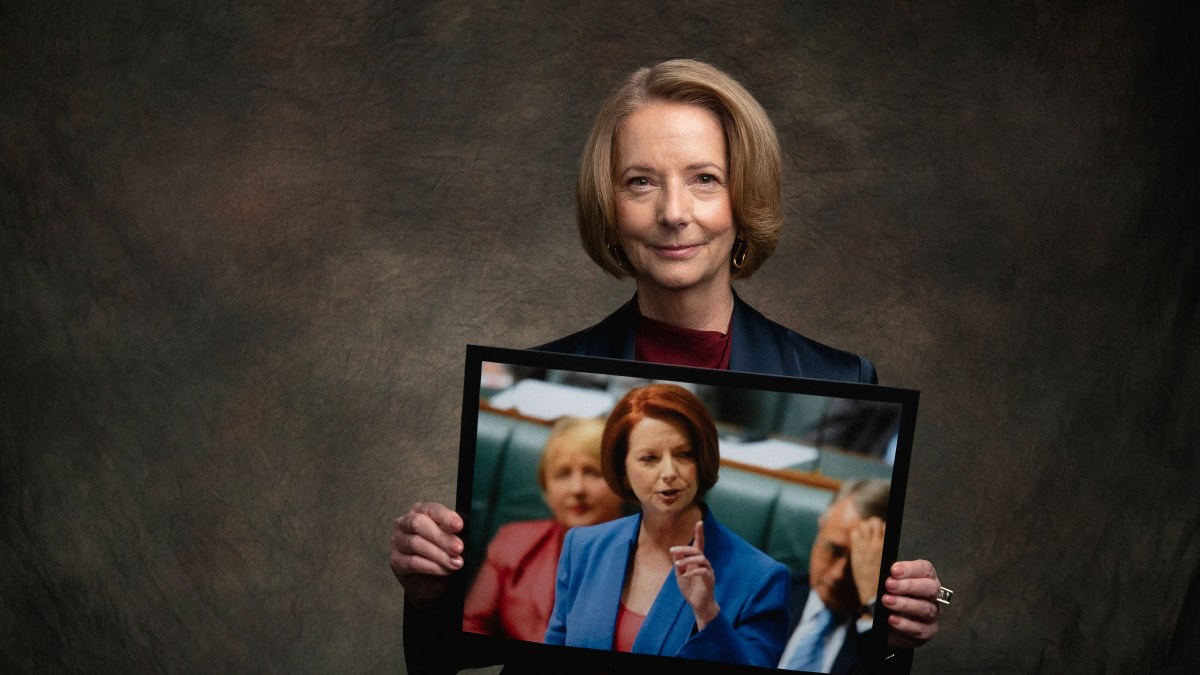
Instead of focusing on a famous individual, or someone with a powerful personal story to tell, I Was Actually There puts a historical event is in the spotlight. This season’s first episode covers then Prime Minister Julia Gillard’s Misogyny Speech of 2012. It’s a bit of an outlier in that it features figures who have a claim to history outside of the event being covered. Gillard herself, Tony Abbott and Wayne Swan all appear to give their take on what happened. Later episodes are lighter on the big names.
I Was Actually There review – quick links
Historical events
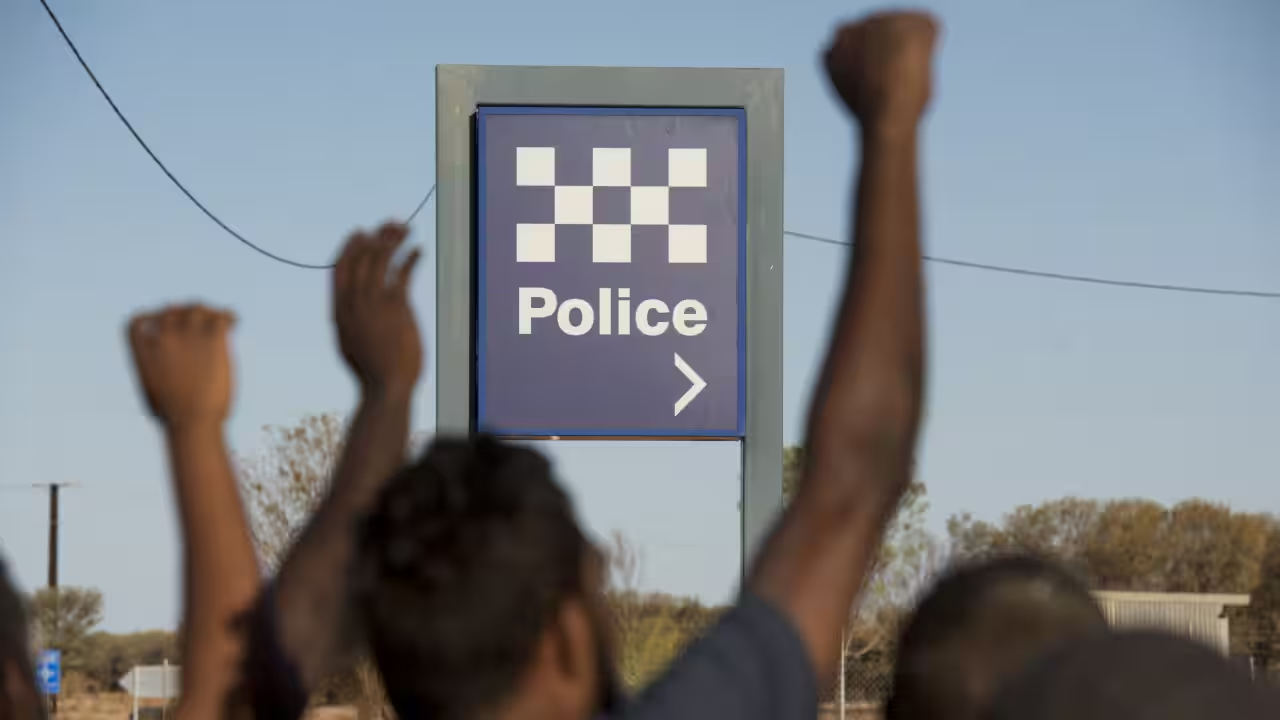
Week two covers the Thredbo Landslide of 1997, including interviewing sole survivor Stuart Diver, followed by the Cangai Siege of 1993, which becomes a bit of an exploration of ethics in journalism – fans of Frontline might recognise some of the developments in this story.
The disappearance of Prime Minister Harold Holt in 1967 is episode four – no surprise commentary from Holt himself there, though they do get one of the last people to see him alive. The last two episodes look at the Rabbitohs’ fight against extinction in 1999 and the Lismore Floods of 2022.
ScreenHub: When the River Rose review: an urgent wake-up call
There’s a two-part pitch to viewers with I Was Actually There. According to the ABC, the first is that ‘the most important moments in our history don’t necessarily stand out at the time’. It’s a good point, but it doesn’t really seem to apply here. Does anyone think that at the time nobody thought Harold Holt vanishing was a big deal?
Of the six big events covered here, only episode five – The Rabbitohs’ Fight Against Extinction – didn’t stand out as a big deal at the time. And that’s because for most Australians, a NRL club’s struggles never stood out. While it may be a good yarn, and having a bunch of interesting characters willing to talk on camera makes it good television, it’s a bit of a swerve from episodes about natural disasters and police sieges.
That said, it’s good to have at least one light-hearted (relatively speaking) story in the series. The others are almost all about people living through a disaster of one kind of another; all that’s left to do is pick up the pieces and try to save what can be saved. The story of the Rabbitohs it’s a whole lot of plotting and scheming to get ahead of a disaster (of a kind) that’s coming up; it’s the one where everything works out fine in the end.
Human stories
The second part of the pitch is that we’re getting to hear from those who were actually involved. On this front, I Was Actually There delivers. Each episode is structured as a run-through of history as it happened. The interview subjects explain who they are and why they were present, with their stories then intercut with each other’s and archival footage to create a timeline of what happened.
Sometimes they explain what’s behind the footage we’re seeing; other times they tell stories that weren’t filmed at the time. They’re often focused on the little details that get left out of the big histories. Aside from the first episode, it’s a series about regular people caught up in big events, giving matter-of-fact accounts of how they coped, alongside funny or telling anecdotes that help bring things to life.
The other big strength of this series is the use of archival footage. It’s possible this is the reason why this series exists in the first place. With the ABC having access to decades of news footage covering all the big moments in recent Australia history, why not take advantage of it to create something new? Seeing how these events were covered at the time, even if it’s only in snippets, provides a different kind of window onto the past.
If there’s a flaw in this third season, it’s in the balance between the stories chosen. Out of the six, the two political ones are clearly national stories, even if one took place in Canberra and the other off the coast of Victoria. The remaining four are all set in New South Wales, and while they’re dramatic and powerful stories, they’re NSW-centric. Sorry NRL fans, but the plight of the Rabbitohs was not national news.
But that’s a minor quibble. It’s not like the stories here didn’t have wider repercussions (even the Rabbitohs plight is symbolic of bigger trends in sport at the time). Hopefully future seasons will take a more national approach. Surely there’s an episode’s worth of material in the 1991 fire that burnt down Melbourne’s famous Swagman theatre restaurant?
Season 3 of I Was Actually There premieres 9 November on ABC TV, with all episodes available to stream on ABC iView.
Discover more screen, games & arts news and reviews on ScreenHub and ArtsHub. Sign up for our free ArtsHub and ScreenHub newsletters.
Actors:
Director:
Format: TV Series
Country: Australia
Release: 09 November 2026