Frankenstein – quick links
Of all the horrifying images burned into Mexican filmmaker Guillermo del Toro’s torturously long-gestating adaptation of all-mother Mary Shelly’s timeless classic, Frankenstein [or the Modern Prometheus], it’s fitting that an abandoned experiment is its most gruesome.
A puffed-up Victor Frankenstein, determined to conquer death, demonstrates his progress to a bewigged and appalled medical board in Edinburgh. This proto-monster, all sinew and syrupy goo dripping from a severed spine, is summoned from the great beyond by the marauding scientist.
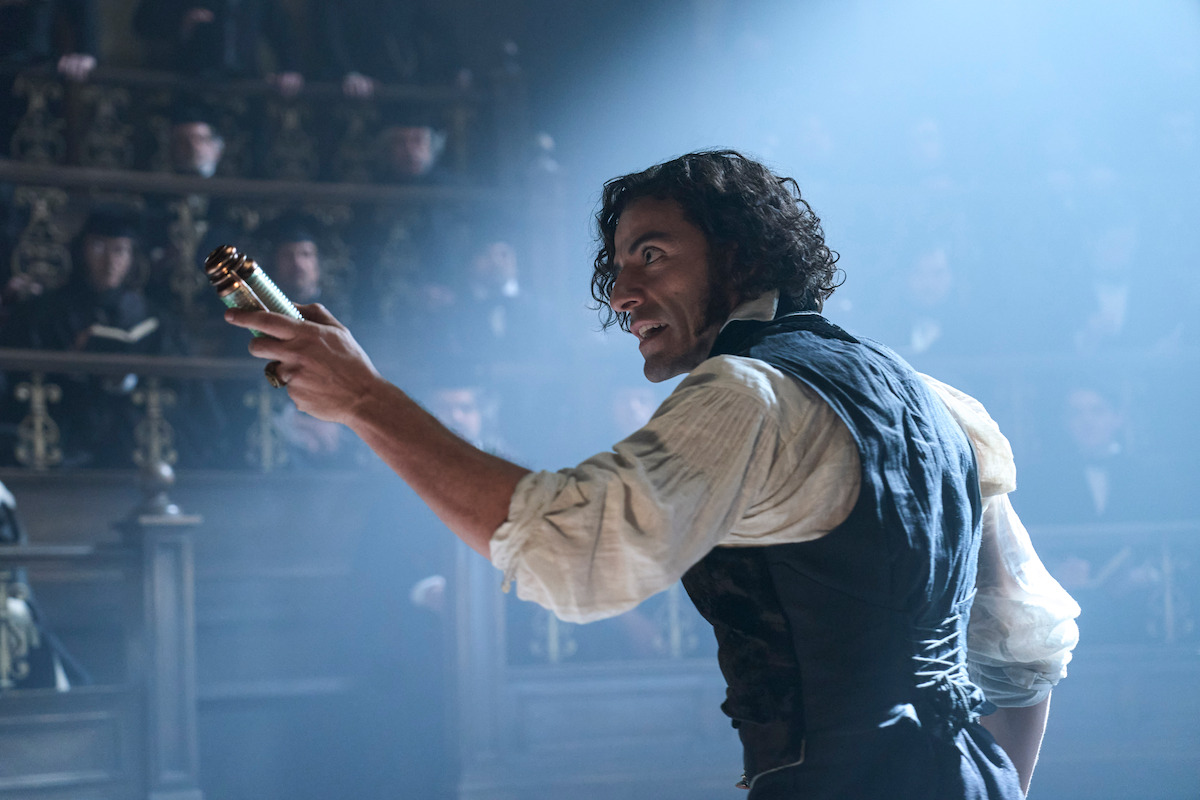
The poor thing’s agonised gasps are all the more shocking for Victor having this battery-charged abomination play ball before hauling the life from its wretched frame. A monstrously profane act by a would-be god who toys with the dead for petty pleasures.
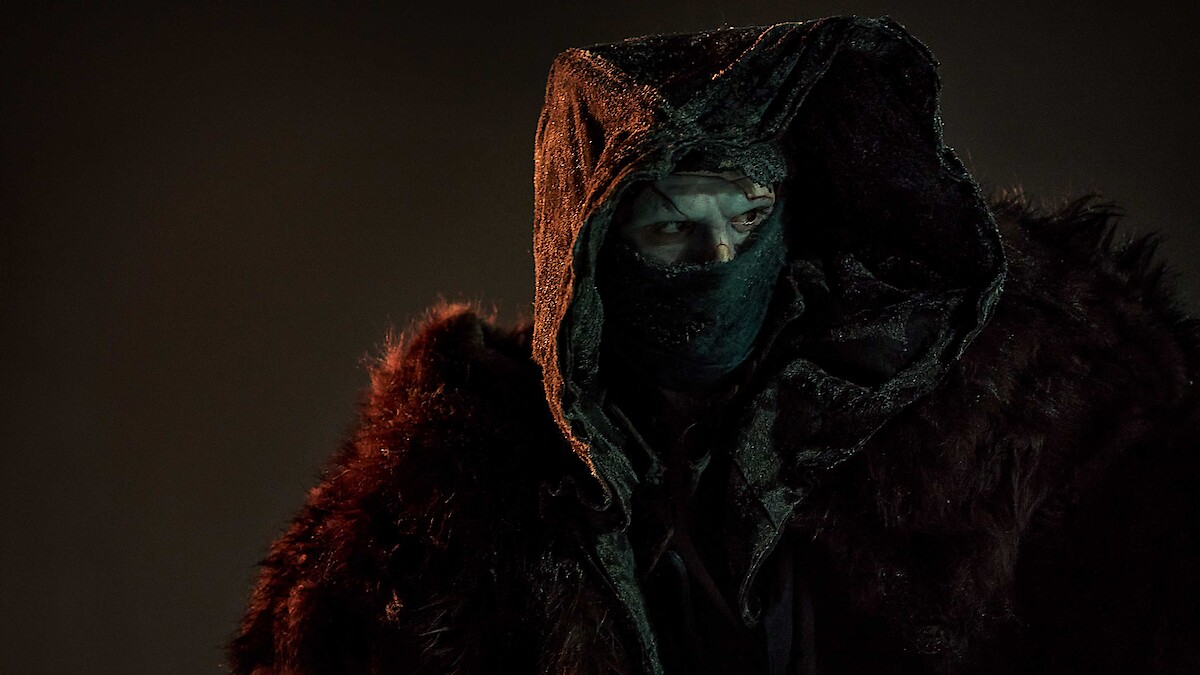
There are many monsters here, beyond the twisted heart of the Victor/ creature dichotomy. Ex Machina star Oscar Issac plays the former with the sneering arrogance of an upper-class disdainful of anyone who doesn’t immediately grovel to give them their way. Australian Jacob Elordi, gauntly disguised under a moulding grey patchwork of festering skin, is his forsaken creation, the cursed progeny of Victor’s vaulting ambition.
Isaac’s creator is amongst the least sympathetic and most casually cruel of the many iterations we’ve seen on screen since J. Searle Dawley’s 1910 film, through James Whale’s Frankenstein/Bride of Frankenstein and on to Penny Dreadful and Poor Things.
But del Toro takes care to layer intergenerational trauma into his mostly faithful reimagining with deft additions. Charles Dance, this generation’s Peter Cushing, is Leopold, the steely patrician father of a young Victor (The Monkey actor Christian Convery) who mercilessly lashes his son’s cheek for wrong answers in his medical schoolwork.
This forceful association of pain with failure is inflamed when Claire (Mia Goth in the first of oedipally linked two roles), Victor’s mother, dies in violent childbirth.
As she is entombed, ashen-faced, in a ghostly marble sarcophagus, Leopold softens for a young William (Rafe Harwood as a boy, then Felix Kammerer), all but (mutually) ignoring Victor. Hardening, Victor has the first of several visions of a flaming angel of death that recalls Gary Oldman in his blood red armour in Francis Ford Coppola’s kindred goth opera, Bram Stoker’s Dracula.
This is the cauldron of his obsession and the broth of his downfall.
Frankenstein: stunning locations
A vanishing rarity in today’s cinema, del Toro can stage, however long it takes, vastly intricate films that lean heavily on the real.
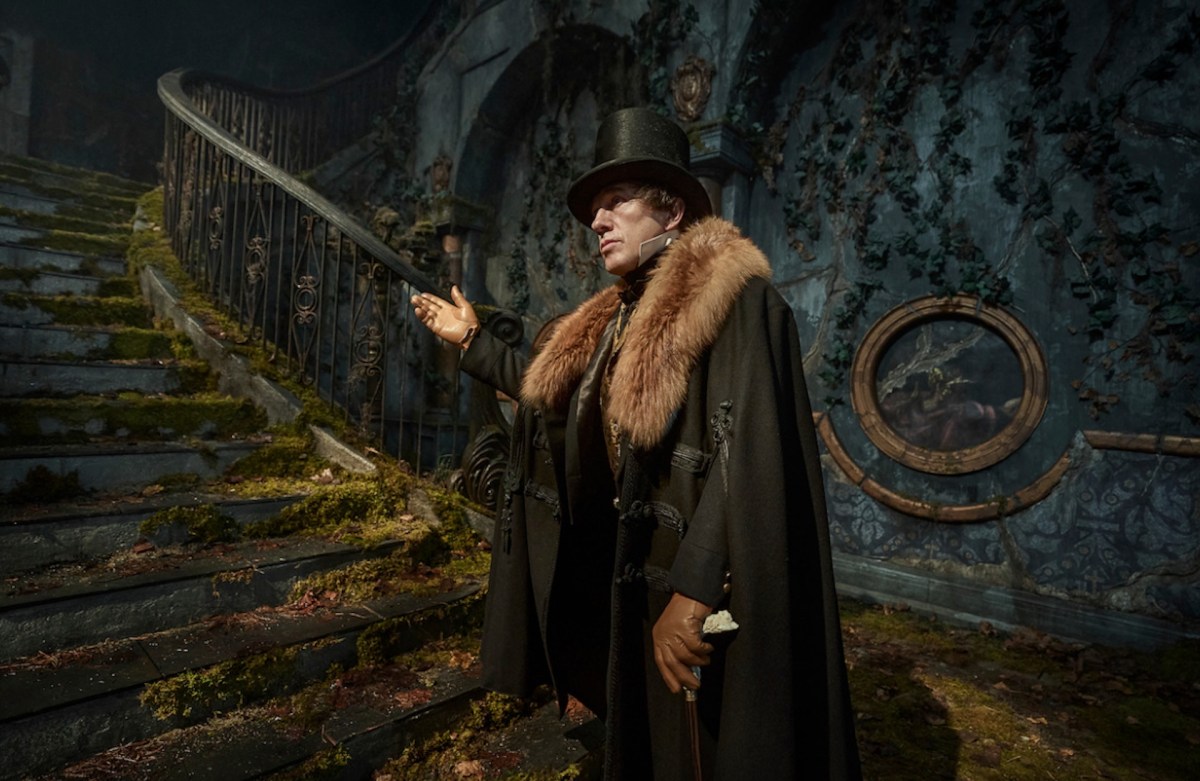
Shooting took place across a raft of stunning locations, from Glasgow Cathedral to the crooked cobbled streets of Edinburgh and London, plus extensive work along cragged coasts from the Scottish Highlands to Canada’s great wide expanse.
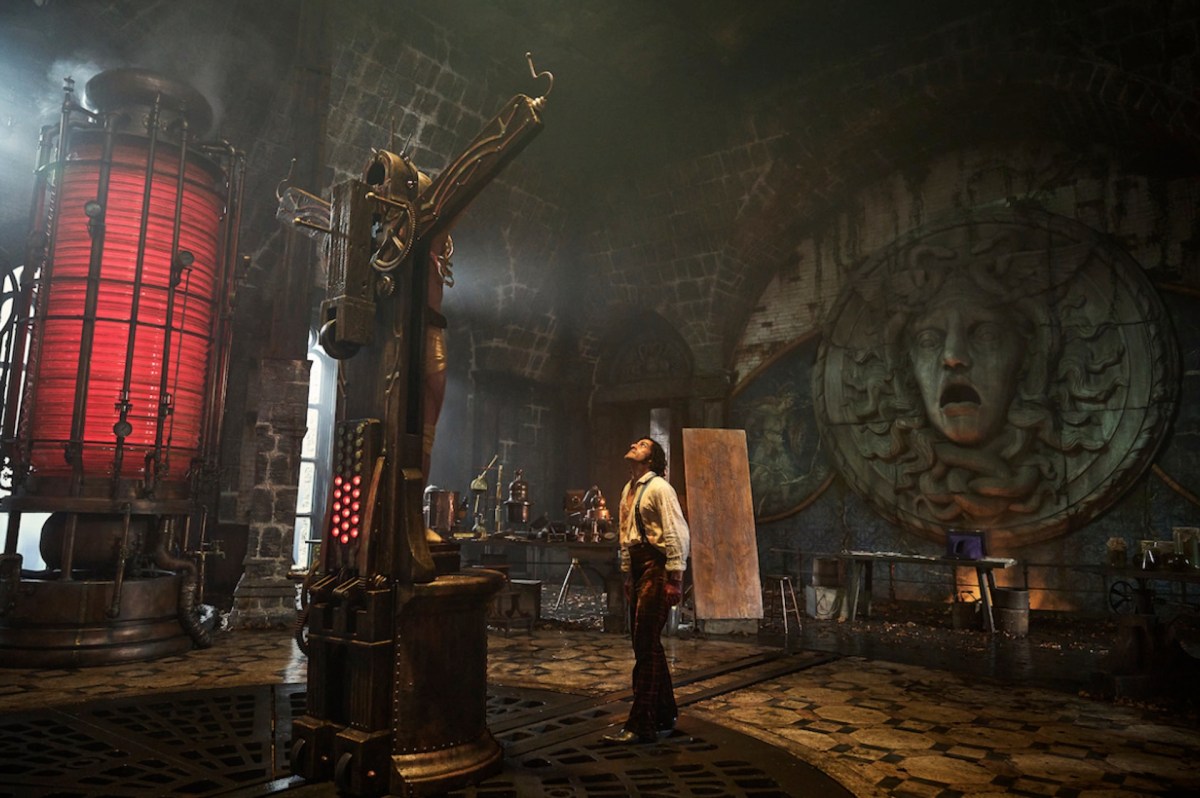
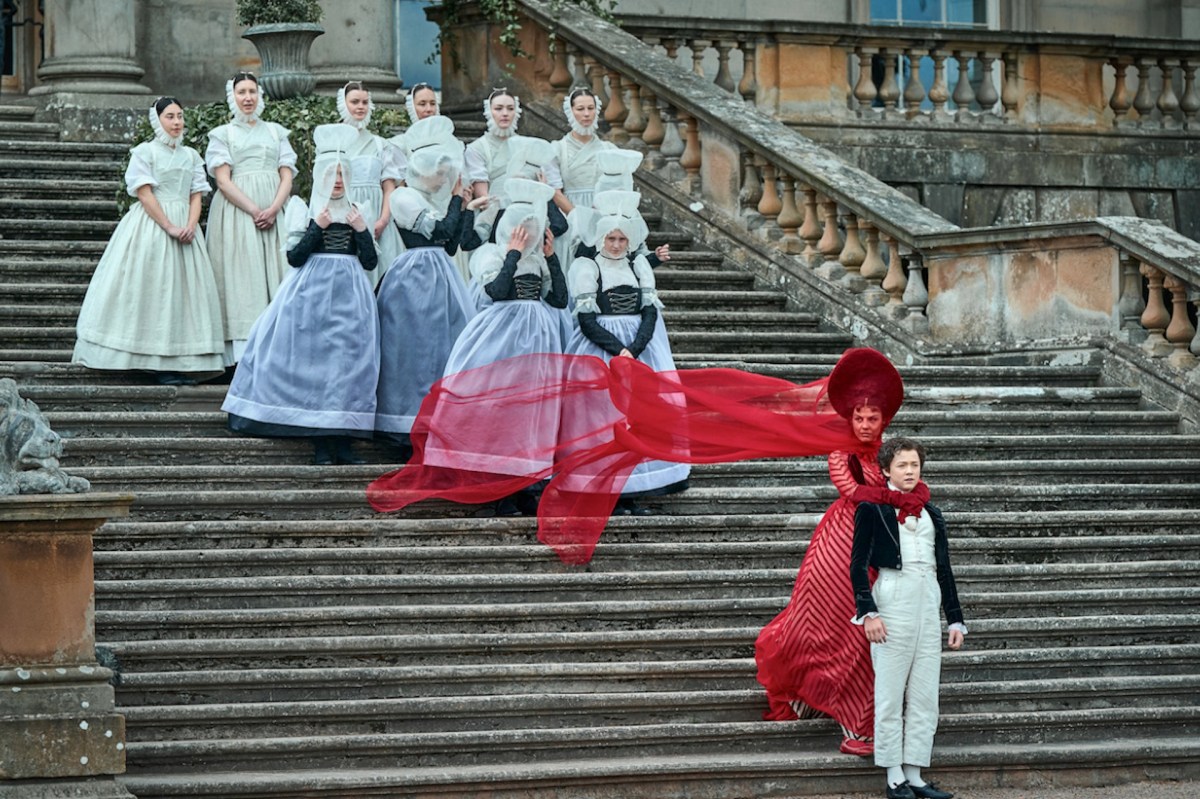
Cinematographer Dan Laustsen laps up this luxury, and the intricately detailed sets from production designer Tamara Deverell and a vast army of cinematic artisans. That includes astounding work from Crimson Peak costume designer Kate Hawley and The Shape of Water creature-maker Mike Hill.
Enmeshed with practical effects wherever possible, his productions invite us to believe in the fantasy.
Yes, this Frankenstein is awash with computer trickery, where sometimes a real deer that’s not long for this world would work better, but they are mostly reserved for tricky shots that only momentarily pull us out of the magic. And magic Frankenstein is, which we caught at the Adelaide Film Festival before its limited cinematic run, then its Netflix berth.
Frankenstein: sibling rivalry
Recasting the made-for-this-world Goth’s Elizabeth as William’s fiancé, rather than Victor’s, in her dual role is another kink in the story that magnifies its DNA.
That she is fascinated by insects and the minutiae of creation endlessly fascinates Victor, who thinks nothing of furtive manoeuvres to wrest her away from his bro. Full of cognitive dissonance, he insists he loves William more than life.
Even better, Elizabeth won’t have a bar of it, with a church confessional-set sequence particularly tart fun. It’s her uncle, Christoph Waltz’s Harlander, who spurs on Victor’s abomination thanks to his deep pockets and concealed reasons.
Portentously, the spectacularly staged creation sequence plays out under the ossified gaze of a vast stone grotesque of Medusa, as Victor clambers atop a Scottish tower to place a lightning rod for his Faustian pact. It’s Elizabeth who first shows Elordi’s creature real tenderness. He is chained in the basement with a surfeit of war-torn body parts that did not make the cut for his corpse-sewn husk. Be warned, blood and brilliant gore are plentiful here.
Elizabeth is appalled at Victor’s cruelty, even as the creature utters his name over and over in adulation of his uncaring father, as lash-happy as Leopold ever was. Del Toro grasps just how much more awful this is for the abused becoming the abuser.
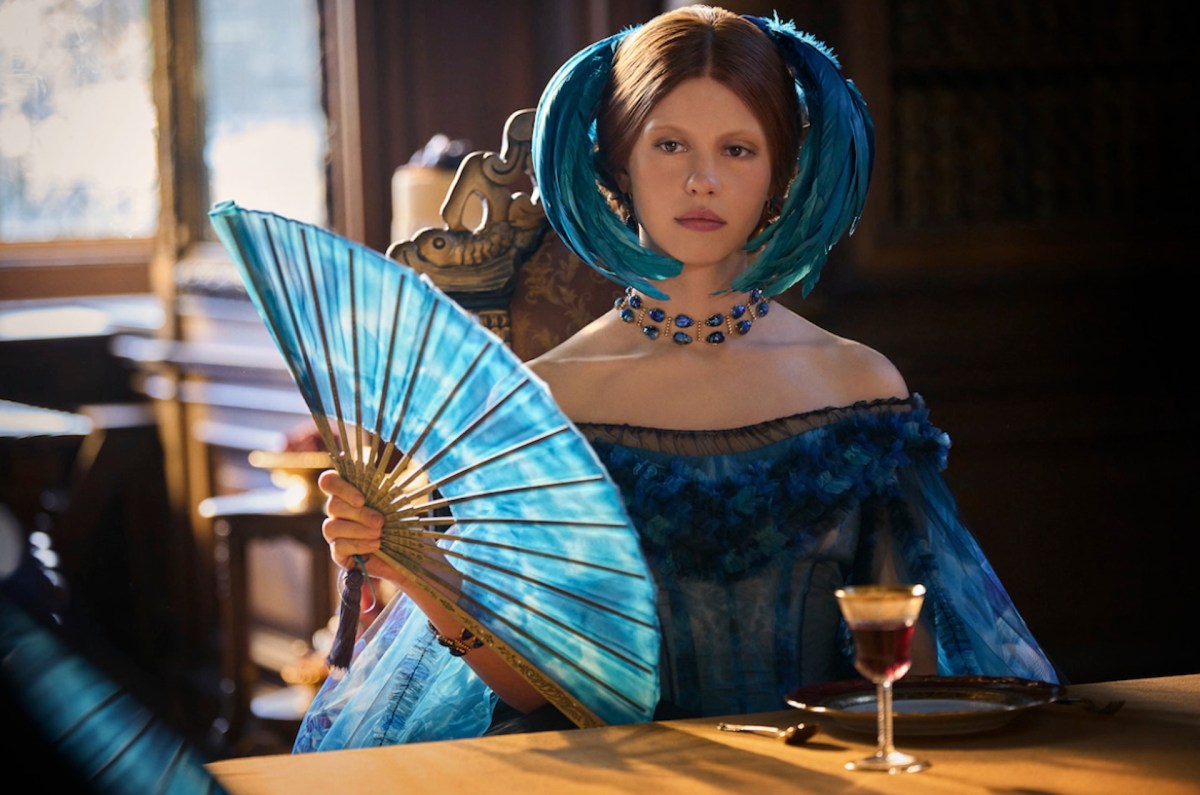
Goth, an ethereal sort, becomes far more Christ-like, determined to free the slave to science, with a fun twist on the Bride of Frankenstein eruption placing her on the side of light to Victor’s burning depths.
Frankenstein: hail Mary
Making full use of Shelley’s epistolary form, del Toro opens with her framing mechanism adrift in the icy wastelands of the Arctic, as a beast-mode creature savagely tears through glacier-entrapped sailors. Then we see Victor’s side of the story, from distant childhood to death’s door, a skewed narratorial read on his sins. If Issac lays it a touch too whispery in parts, then it’s all the better to centre the true tragedy of Elordi’s unwanted son.
The Narrow Road to the Deep North lead is perfect as a hulking child mesmerised by a leaf racing in water or Elizabeth’s diaphanously emerald lace gloves. The terror of his attempted murder by his ostensible father, Victor, who merely sees him as a failed experiment devoid of the spark of genius he so keenly perceives in himself, is brutal.
The tenderness the creature temporarily finds with an old blind man (David Bradley), echoing Whale’s excellent read on the novel in Bride, is all the sadder for its brevity as the ‘beast’ narrates his own inexorable banishment.
Shelley’s majesty always lay in her sympathy for the so-called devil, the ‘monster’ who just wanted to be loved by his father, or at least granted a companion in his stead. As Alexandre Desplat’s haunting score swings the pendulum from love to hatred and back, it’s a credit to writer/director del Toro and his stars Isaac and Elordi that the pair’s final words for one another feel well-earned
If it’s a touch too long and a little saggy as a result, Frankenstein is big enough to bring us wholeheartedly along to this bittersweet end. As Mother Mary always intended.
Frankenstein is in limited cinemas from 23 October 2025 and will be available to stream on Netflix from 7 November.
Discover more screen, games & arts news and reviews on ScreenHub and ArtsHub. Sign up for our free ArtsHub and ScreenHub newsletters.
Actors:
Oscar Issac, Jacob Elordi, Mia Goth, Christoph Waltz, Christian Convery
Director:
Guillermo del Toro
Format: Movie
Country: USA
Release: 23 October 2025