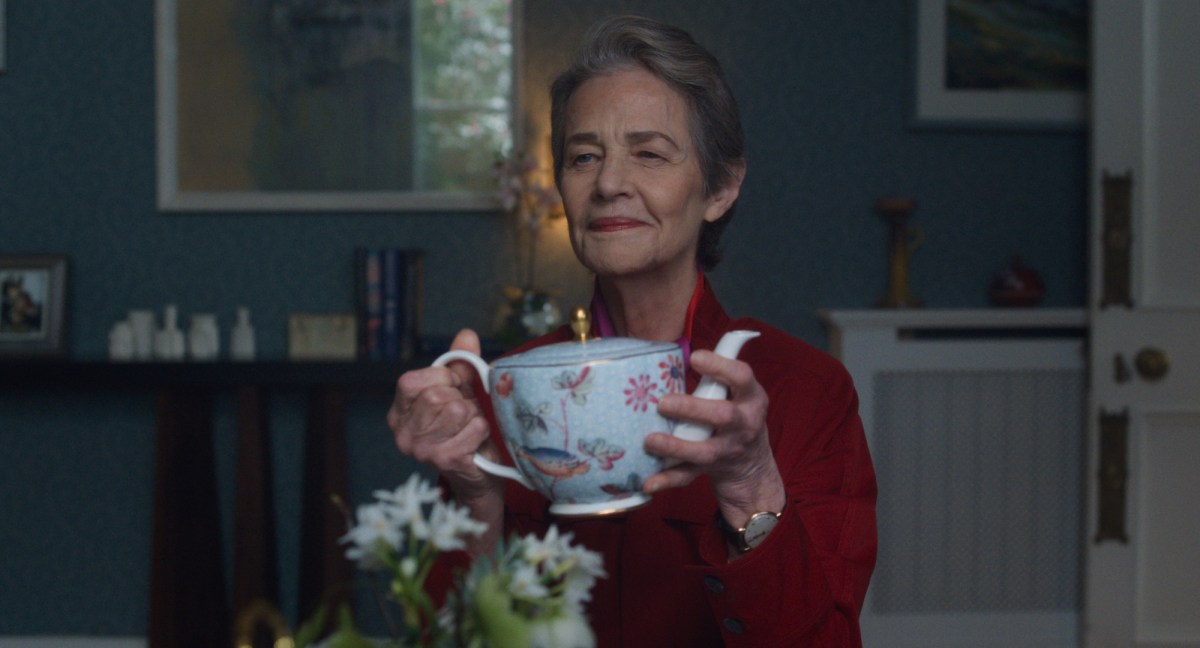
Across an idiosyncratic and acclaimed career, writer/director Jim Jarmusch has carved a particular niche in anthology films, notably Night on Earth (1991) and Coffee and Cigarettes (2003). Languid and naturalistic, these films are content to observe a slice of life without providing an obvious resolution or coalescing into something familiarly didactic. Father Mother Sister Brother, his latest in this format, may be the quietest and most subtle of all.
Father Mother Sister Brother tells three stories of politely strained family meetings that are narratively and geographically disconnected but overlap tonally.
Father Mother Sister Brother review – quick links
The father
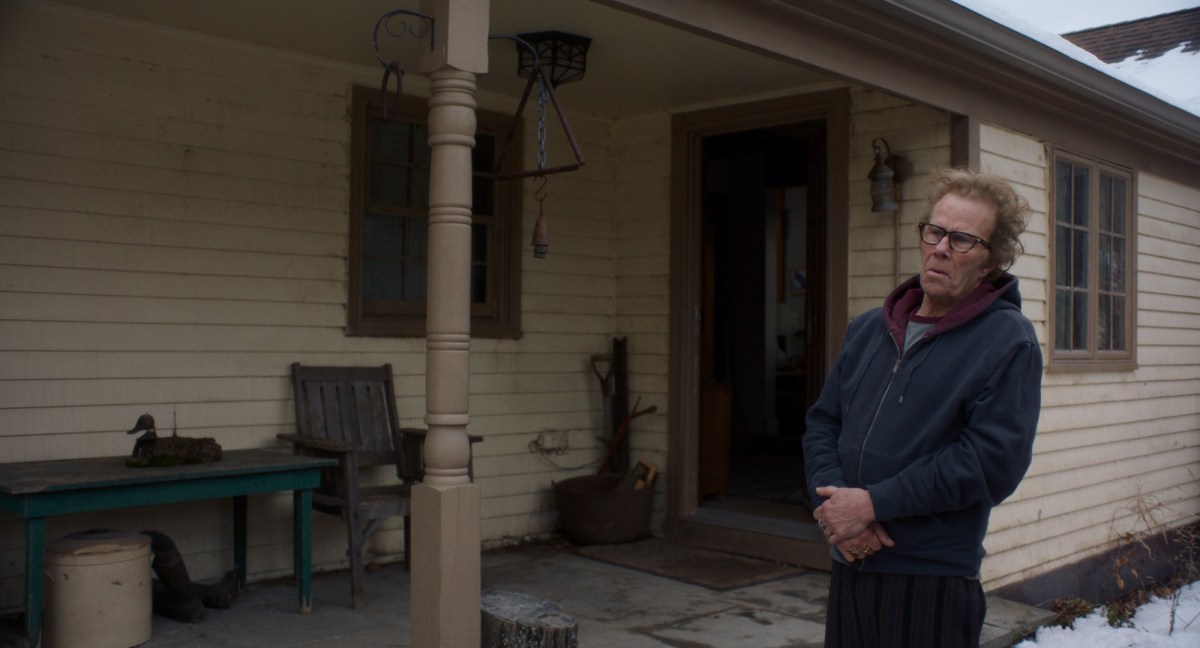
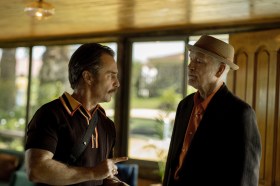
In the first chapter, siblings Jeff (Adam Driver) and Emily (Mayim Bialik) drive to a snow-strewn American town to visit their unnamed father (Tom Waits). In a stilted exchange, Jeff reveals to his sister that he has been sending money to their father for some vaguely described property repairs. This is news to Emily, but both children seem confused about their father’s finances and allude to his worrying behaviour at their mother’s funeral.
Living alone in a remote cabin, the father is the kind of mysterious and morally ambiguous character that Tom Waits might write a song about. Surrounded by clutter and with a beaten-up truck in his driveway, he has an air of helplessness about him. Is he a rough diamond happy enough in his solitude, or is he putting on a show for the kids?
At any rate, it’s soon clear the children haven’t been around in a while. The trio’s awkward conversation skips over work, kids and partners (or ex-spouses in Jeff’s case) in a couple of token sentences. A tap drips in the background. Apparently, there’s no fixing it.
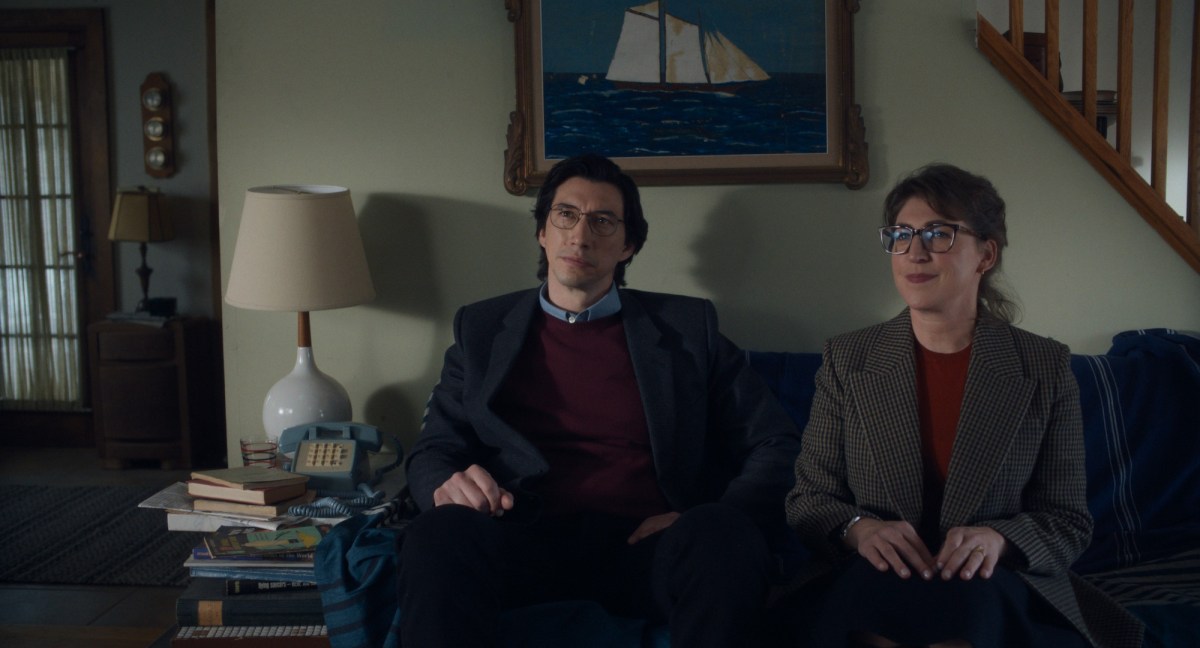
The older man gratefully accepts a box of groceries from Jeff, but there’s something about his living situation that doesn’t add up. Is that a Rolex he is wearing? And just what is going on when his demonstration of how he finds meditative peace in chopping wood becomes a little too vigorous for anyone’s liking?
The mother
The basic structure recurs in the second part of the triptych, as sisters Tim (Cate Blanchett) and Lilith (Vicky Krieps) travel to meet their mother Catherine (Charlotte Rampling) for what appears to be an annual afternoon tea.
Tim’s stress levels rise as her car breaks down, and then sputters back to life, on the backstreets. Lilith, meanwhile, seems to be getting a lift to the event from her girlfriend, though she insists on moving into the back seat before she arrives to give the impression she is coming in an Uber.
All three live in Dublin, yet this is a stiffly formal meeting rife with convenient half-truths and unrevealing small talk of people who barely know each other. Catherine seems to be an author of some fame, though the daughters scoff at a pile of her books they find, as unfamiliar with the titles as they are unimpressed.
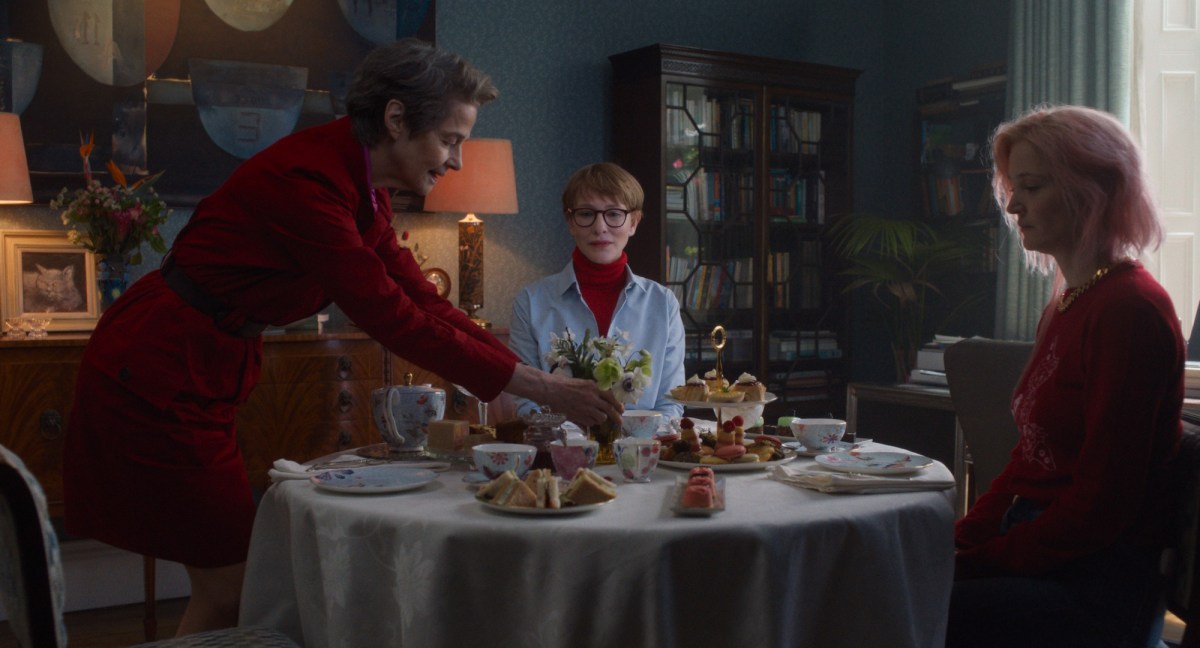
Decorous but distant, Catherine’s house is immaculate and orderly. While the afternoon tea spread is aesthetically gorgeous, the formality also speaks of a stiffness. When Catherine offers to pour a tea for her daughters, asking ‘So, shall I be mother?’, Lilith shoots back ‘You might as well start sometime’ and Tim registers the moment of snark.
The floundering conversation continues as the buttoned-up Tim reports on a promotion at her job before the more free-spirited Lilith interrupts with an update on her work as an influencer that nobody else seems to understand.
Again, in this act, the performances are universally strong, with the actors making the most of small details, such as Blanchett’s Tim having a private moment that hints at deep unhappiness with the family dynamics. The trio also wring out the understated humour of the script, like when they count down the minutes until an Uber arrives after their perfunctory reunion runs its course.
ScreenHub: Best films of 2026
And the brother and sister
In the film’s final and most resonant act, twins Billy (Luka Sabbat) and Skye (Indya Moore) meet up in an unglamorous part of Paris. This time, there is a closeness to the pair though it seems like theirs is the kind of relationship where they can pick up wherever they left off, no matter how long ago that was, rather than one of regular contact.
After detours for Billy to buy mushrooms and for the pair to drink a ritualistic coffee, they drive to the now-empty apartment where their parents lived before they died in a small plane crash in the Azores.
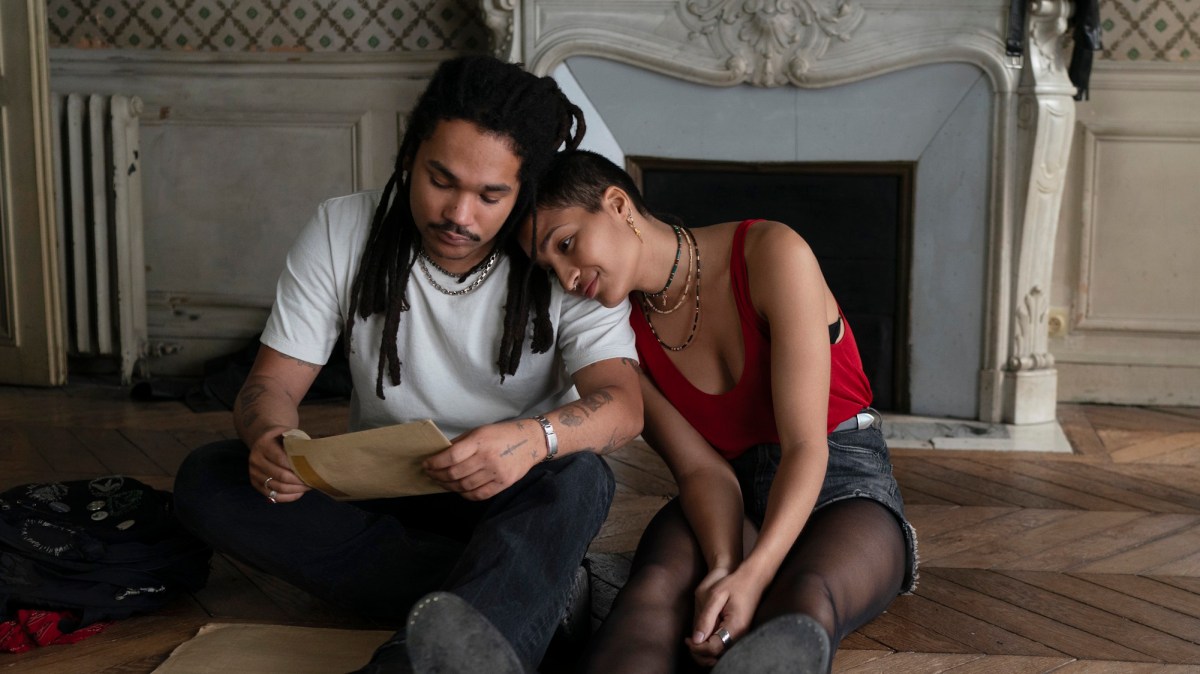
Finally exploring the shadow of mortality that hung over the previous two acts, this section sees the siblings reminisce about their past life in the apartment, which Billy has packed up and moved into a storage unit.
Staring into the now-empty space, they marvel at a cache of documents Billy found while cleaning up that seems to deepen the mystery of who their parents were. A chance encounter with the apartment’s landlord only deepens the enigma, and the pair are left to quietly reckon with the knowledge that the parents who shaped their personalities and memories may ultimately be unknowable.
Woven in across the three stories are a series of commonalities, most notably a passage in each act where time seems to slow as the characters watch skateboarders glide through the streets, a vision of carefree rapture and a kind of portal to another, more connected life. It’s a departure from the usually minimalist direction Jarmusch employs throughout Father Mother Sister Brother.
It’s a film of restraint in many ways. The cinematography by Frederick Elmes and Yorick Le Saux – both previous Jarmusch collaborators – is low-key in its elegance. Similarly, the score, by Jarmusch and Anika, for the most part consists of gentle drones and far-off reverb, with Anika’s incongruously bright cover of Dusty Springfield’s Spooky the exception.
Father Mother Sister Brother won’t be for everyone. Filmgoers who have previously been unconvinced by Jarmusch’s unhurried, meditative approach may remain so. Yet for those willing to sink into the film’s muted rhythms will find grace and wisdom here, the film’s litany of tiny but beautifully observed moments adding up to something greater than the sum of its parts.
Father Mother Sister Brother is in cinemas 2 April.
Discover more screen, games & arts news and reviews on ScreenHub and ArtsHub. Sign up for our free ArtsHub and ScreenHub newsletters.
Actors:
Tom Waits, Adam Driver, Charlotte Rampling, Cate Blanchett
Director:
Jim Jarmusch
Format: Movie
Country: US
Release: 02 April 2026