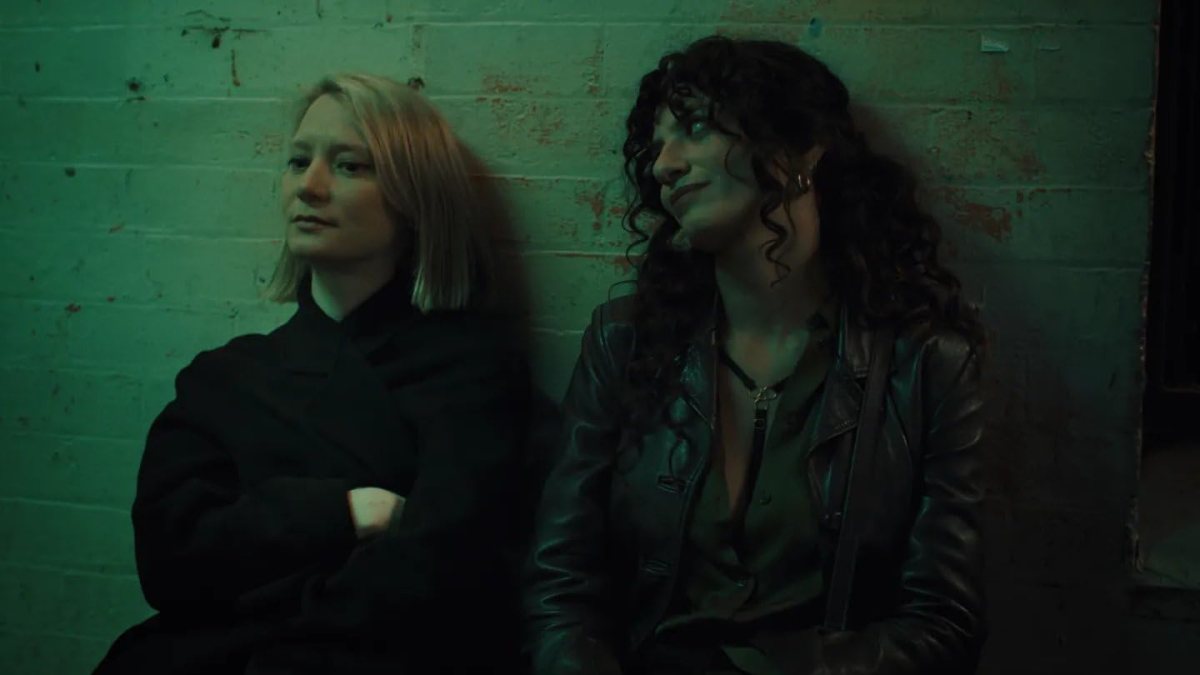
They say some stories need to be told. But who, exactly, gets to tell them? This is the conundrum that faces Leviticus and The Killings at Parrish Station star Mia Wasikowska’s titular author in Kuba Dorabialski’s beguiling Adelaide Film Festival highlight, Agata the Writer.
Agata is an Australian of Polish heritage who, after a spell of writer’s block, with her previous work already faded from memory and her agent pressing her for yet more words, decides to travel to Sarajevo in the winter.
A welcome respite from the relentless Australian summer, it offers Agata the space to write in peace and quiet. She hates comedy, she tells us. Her books just turn out that way.
Fascinated by this beautiful city’s fraught history, she wants to cast off satirical writing and work on a serious novel about the horrors of the 1425-day siege Sarajevo endured during the Bosnian War.
Fought along ethnic lines and stretching from 1992 to 1996, the blockade remains the longest such an assault on a city in contemporary history – three times longer than Stalingrad. The siege claimed around 14,000 souls.
While the trials awaiting the well-meaning, if perhaps a little presumptuous, Agata do not compare to such a monstrosity, it’s fair to say she meets some resistance.
Agata the Writer review – quick links
Is it art?
We hear Agata first, via narration. There are little tells that all will not go well. She started learning Bosnian but gave up because it was ‘similar enough’ to Polish – a failure to commit that will be rewarded in kind.
This opening monologue, as Agata shares her intentions, is matched with a slow and steady scene in which we watch a solitary car wind its way around chilly-looking hills, accompanied by the low howl of an insistent wind.
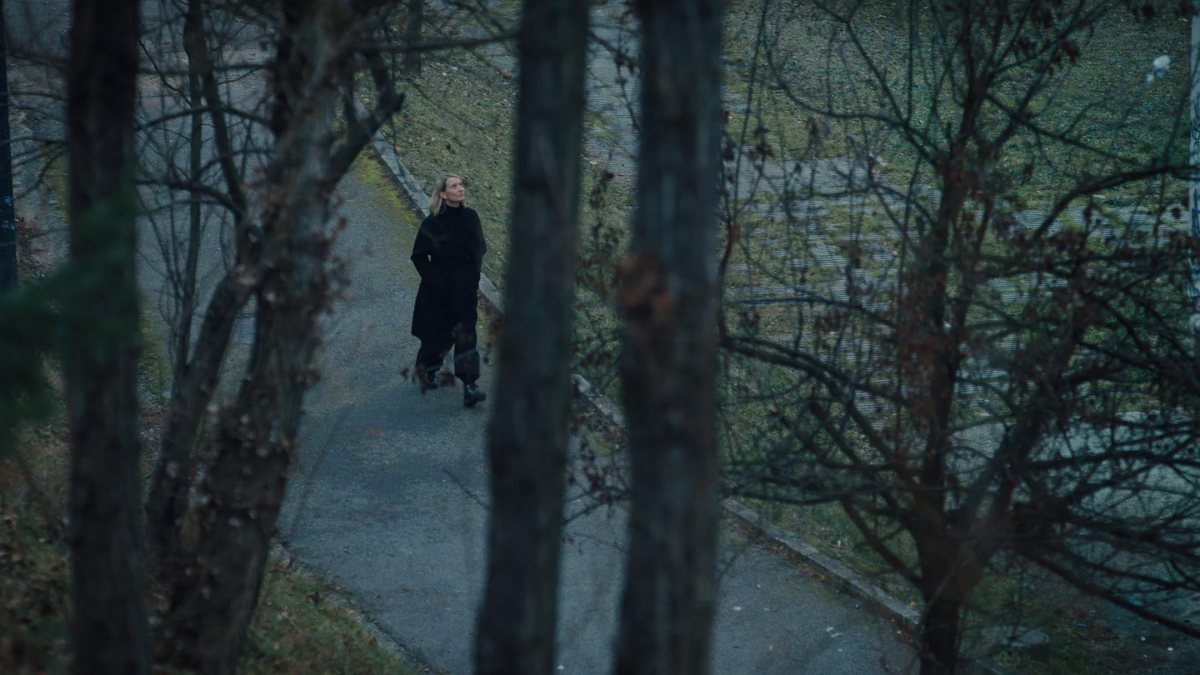
Any resemblance to the opening crawl of The Shining is purely coincidental. Agata is of sound mind, and while this place harbours many ghosts, they do not interfere corporeally. But there is something strange afoot.
In a fourth-wall-piercing-moment, we realise it’s not Agata driving that hire car, but in fact the director, Dorabialski, who promptly records the moaning gale on a mic.
ScreenHub: The Australian filmmakers at the biggest overseas festivals
Stranger still, when Agata arrives at her minimalist Airbnb and meets her host, Malik (Zoran Jevtic), she’s confronted by, and sniggers at, obscene artworks, including of a woman defecating on a plate. An unforgettable image, it’s one that will be mirrored later in the contents of an indiscreetly placed porn magazine.
The Airbnb decor will begin to mysteriously disappear from the apartment, much to Malik’s distress. But just who is taking the poo here?
War is boring
We wander the cobbled streets of Sarajevo with Agata, a hint of Death in Venice’s melancholy in the air – and perhaps even something more folkloric, as she tosses an apple into a river and we watch it bob along in the currents. We’ll also be privy to Agata’s conversation with a young girl, clarifying that yes, Australia is full of snakes.
Met by Davina (Mia Morrissey), she will be Agata’s fixer and translator. But the naïve belief that the author can sit down with locals, compelling them to open Sarajevo’s scars afresh, offering up their blood for her novel, is thoroughly rebuffed.
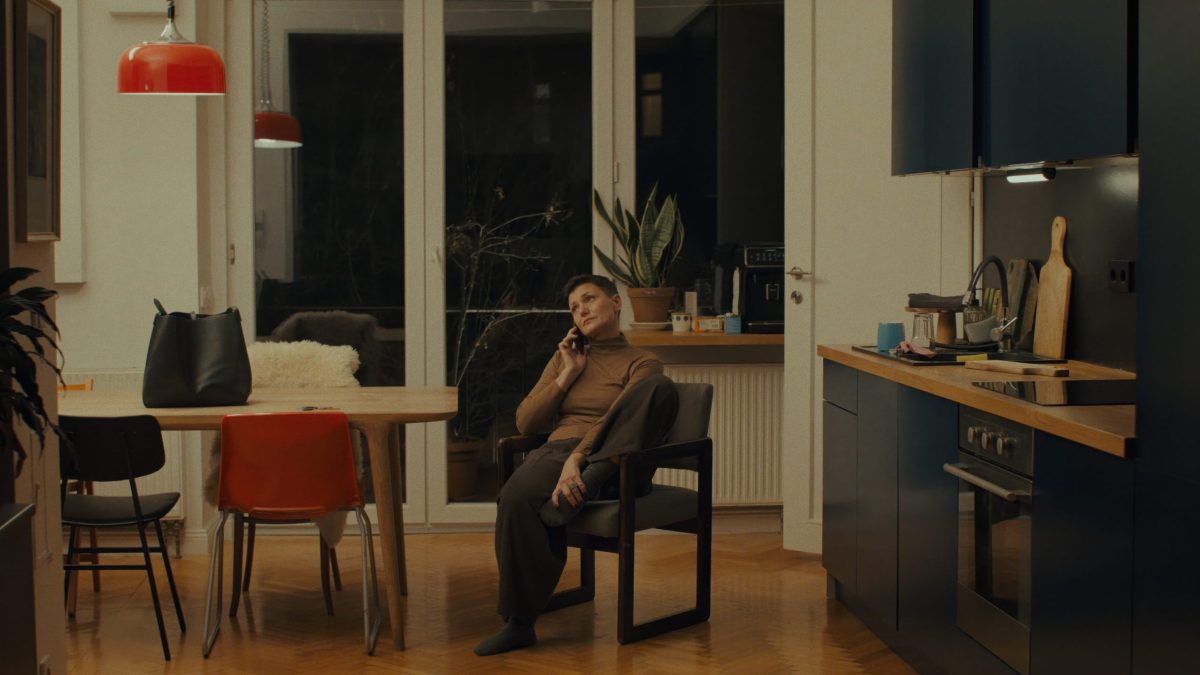
Jasmina (Vedrana Bozinovic) is particularly unimpressed, roundly disabusing Agata of the notion that they are somehow magically bound by their shared Slavic roots. As far as Jasmina is concerned, ‘War is boring’, and she crankily tells the novelist to talk about her own messes, like the genocide of Australia’s First Nations peoples.
Another woman reveals that her family were murdered, and she was sexually assaulted, and she is fed up unshouldering this awful burden, which now feels like a rehearsed performance. As far as she is concerned, sharing her story will not stop the same atrocities happening to others, as a cursory scan of our real-world headlines confirms.
As Agata begins to wonder what she’s doing here, in every sense, Davina counsels her to stop wallowing and just get on with it – words many a tortured and torturous writer needs to hear.
Ghost in the machine
A writerly film through and through, Dorabialski’s chimerical screenplay and supple direction lean into Agata’s interiority, as wonderfully conveyed by a delicately expressive Wasikowska. Delivering a deeply thoughtful performance that’s as engaging in Agata’s quiet pauses as it is in her overstepping conversations, she’s an innately capable anchor for a film with such a wildly inquisitive spirit.
While observing authors can often feel like a stuffy bore in the cinema – barring magnificent examples including Peter Greenaway’s The Pillow Book or the debauchery of Ken Russell’s Gothic – Dorabialski’s unique voice captures the mercurial nature of creative writing in a genuinely compelling fashion.
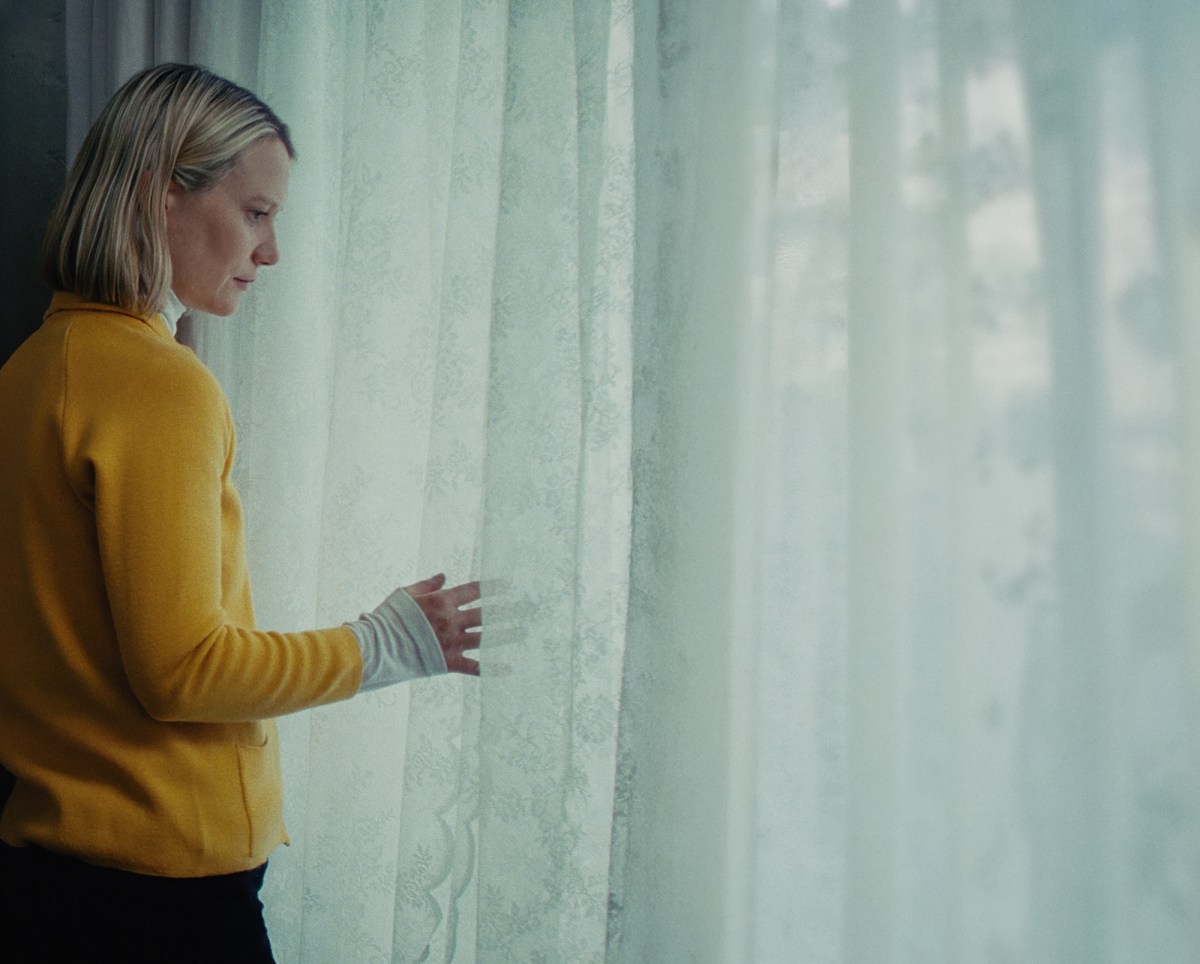
Without spoiling the third act’s transformative leap, a quicksilver dash of brilliance that reminded me of an iconic Sinead O’Connor moment, it’s fair to say we get a sense of Agata’s awakening to the responsibilities of a writer who borrows the misfortunes of others.
It’s a reckoning that Dorabialski places himself in too, both on camera and as cinematographer, composer and editor, as well as a writer and director emboldened in his metatextual deconstruction of the art.
ScreenHub: More Australian film reviews
An exhilaratingly impressive follow-up to his similarly form-rewiring debut feature Connection of the Sticks, Agata the Writer is the sort of film that sticks with you. As Wasikowska’s narration takes hold again, certain elements of the film reassemble in haunting ways that are so tingling you can almost feel that winter chill.
There are certainly ghosts in Dorabialski’s machinery, and I hope we hear more from this visual artist-turned-filmmaker and his evocative mind soon.
Agata the Writer screens 24 October at Adelaide’s Palace Nova Eastend as part of Adelaide Film Festival. A general Australian release date has yet to be confirmed.
Discover more screen, games & arts news and reviews on ScreenHub and ArtsHub. Sign up for our free ArtsHub and ScreenHub newsletters.
Actors:
Mia Wasikowska, Mia Morrisey, Vedrana Bozinovic, Zoran Jevtic
Director:
Kuba Dorabialski
Format: Movie
Country: Australia
Release: 15 October 2026
