Those who grew up with glossy video game magazines will recall pages filled with rare artefacts. Off-kilter advertising, tantalising interviews, deep dives into game development and – perhaps most excitingly – game guides filled with 3D and hand-drawn maps.
These maps illustrated the world of video games from a new perspective, often providing a bird’s eye view for players, showcasing terrains and their secrets in artistic and insightful fashion.
VGCartography, aka developer Max Burnette, is bringing back the forgotten art of video game map-making as a form of artistic expression, sharing new creations online that evoke nostalgia for a bygone era.
The lost art of video game cartography – quick links
Where VGCartography began
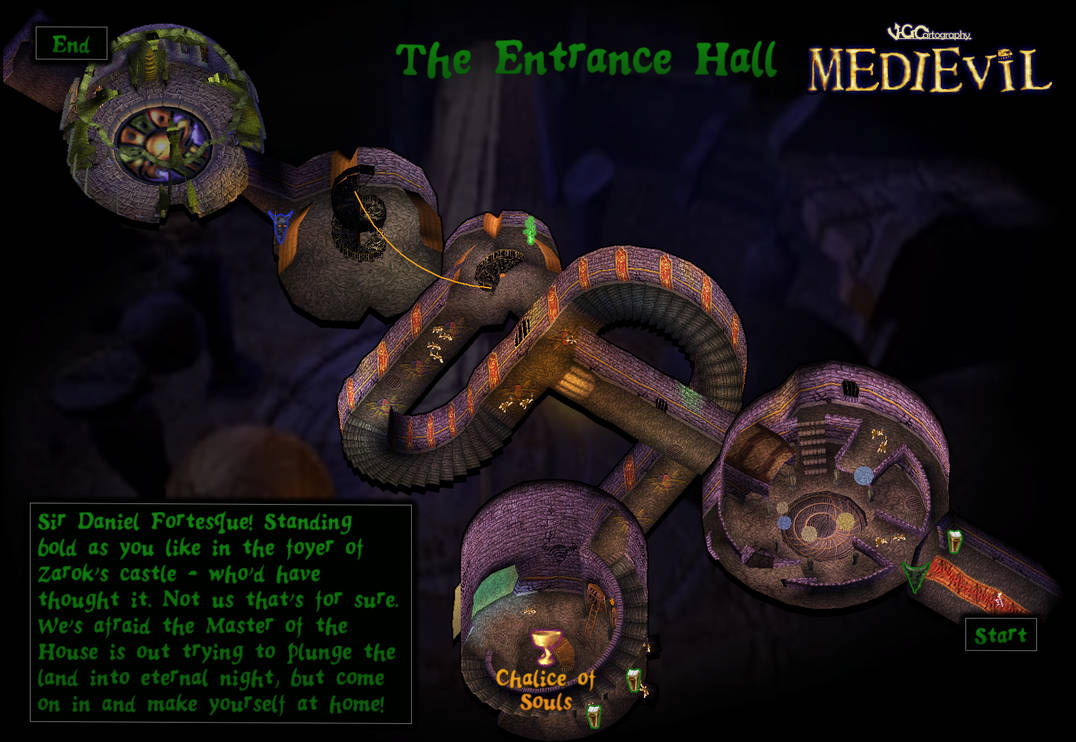
Speaking to ScreenHub, Burnette says his art-making was born of a desire to use his software development skills for more creative endeavours, and to continue the legacy of video game magazines and map-makers of the past.
‘My background is in Geospatial Information Systems,’ Burnette says. ‘I did that for many years as a consultant, and in the business world, I’d be making maps for information, to support news articles, research papers, and present things to some of our clients.’
While some projects were drier than others, Burnette was deeply inspired by the opportunity to get more creative whenever possible, experimenting with Photoshop and other visual design tools, as well as figuring out what worked best for information delivery.
‘The example I always came back to is whenever I saw a cool subway map,’ Burnette says. ‘I think there’s some really neat subway maps out there that convey a lot of information. They’re really elegantly designed.’
As will be a common story, Burnette found his new hobby during the Covid pandemic, as he was ruminating on his own love for video games and classic guides.
‘I decided I was going to try to use some of these map skills I’d picked up at work to do something for fun,’ Burnette says.
At the time, he was playing through Grand Theft Auto, and discovered a treasure trove of resources online, like old GameFAQs guides and ASCII-made maps. With the game’s open world, and its pin-based map system, he soon realised all he needed was ‘a postcard’ to explore – and so, this sparked the idea for developing his own maps.
A picture’s worth a thousand words
Burnette tells ScreenHub he ‘mourns’ the loss of old physical gaming magazines, and everything that’s changed in the transition to digital. While much of the same information can be discovered, and much faster, we’ve lost the art of lovingly-plotted game maps and guides with unique visuals, often rendered by careful fans and journalists.
Burnette describes getting a game guide for Tomb Raider many years ago and finding it much easier to use a segment from a PlayStation magazine to get by, as it had included non-official hand-drawn maps designed with lost players in mind.
‘I was struck even then that a picture’s worth a thousand words,’ Burnette says. ‘I do miss … anytime I see a blog, or somebody’s passion project, where they’ve not only put a lot of information in, but presented it in a really enjoyable way, and spent some time on the design and the layout.’
In the modern era, game guides tend to be more slapdash works, delivered at speed for an audience hungry for new content. While simple screenshots can help, Burnette’s desires went deeper, for works that genuinely engaged with game subject matter and direction, and provided a unique, layered perspective – works previously found on fan sites, and beyond.
‘I really enjoyed figuring out how those [fan] guides were made,’ Burnette says. ‘It made me appreciate, not just writing the walkthrough, but how do you order these things? What’s the way that the player is going to find that information? Those ones that are well thought out are enjoyable to look through.’
How VGCartography’s maps are made
With the intention to create insightful and carefully-made maps of games – maps that take context, player behaviour and the most useful forms of content delivery into account – Burnette began focusing on games that personally interested and excited him.
As a developer with ample experience in software engineering, he began his first works by exploring game data found through emulation. He discovered basic hex editing by playing around with code found on discs and online, and says he eventually learned how to ‘surgically take these games apart’ by analysing the projects of other developers and archivists online, like The Cutting Room Floor and noclip.
‘The focus is on not merely extracting games, but then how to present them to people, [to] somebody who’s not going to open it up and look at the models,’ he says. ‘They’re not going to take time to look through a bunch of data. But if you could put it in a picture and combine a lot of this stuff together, the sprites and the models, and the fonts, what would it look like?’
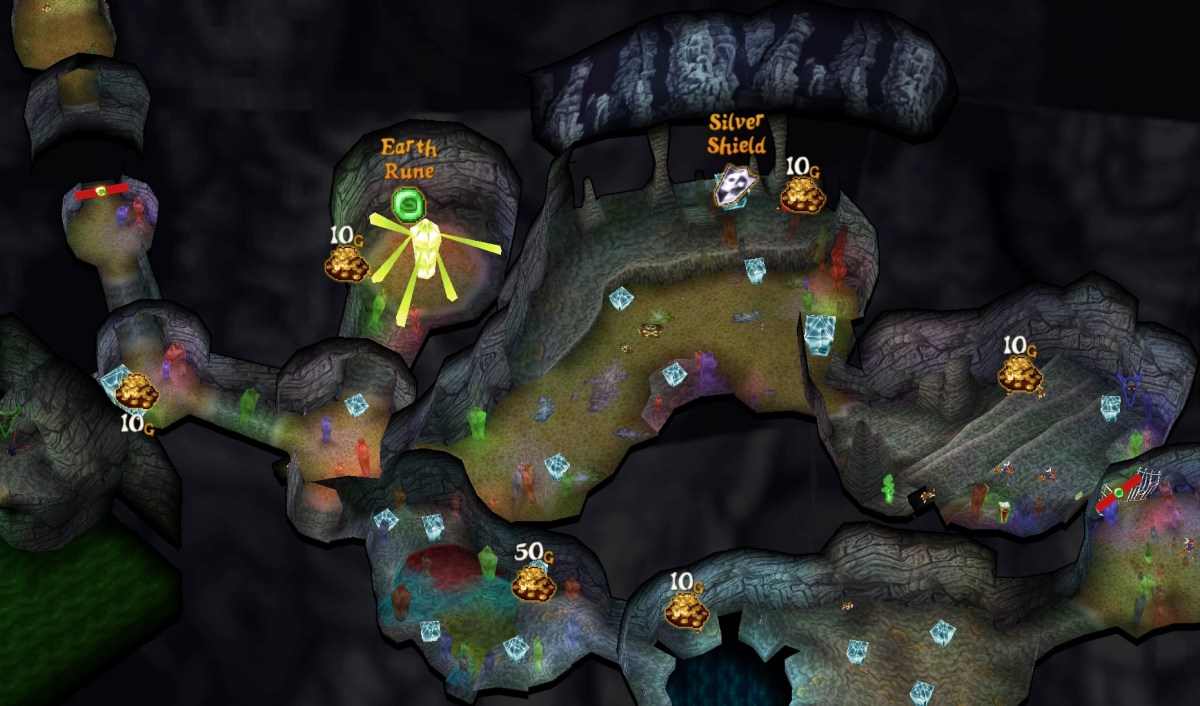
What results, after plenty of converting and cracking open compressed game files, is a variety of artefacts to be beautified by artistic choices. Burnette’s work tends to spotlight individual level design, with extracted polygonal models placed into map form, and decorated by paraphernalia, text and backgrounds that reflect their source material.
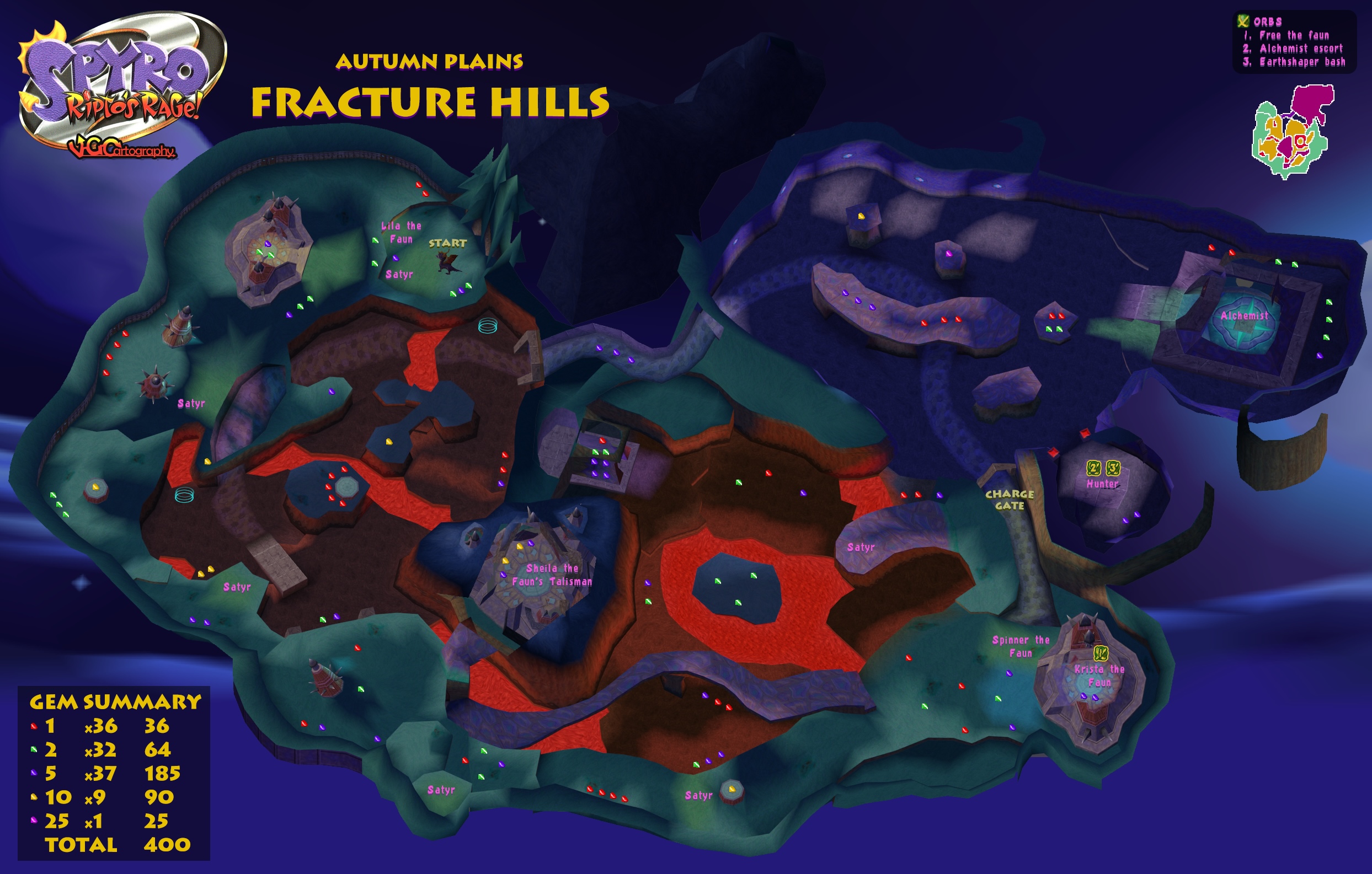
Above, you see a top-down view of the Fracture Hills level from Spyro: Gateway to Glimmer (also known as Ripto’s Rage!) in map form, complete with identified gem locations and named segments. It delivers information about collectables within the level, while also providing an overview of what players should expect, with topographic details also illuminating verticality.
This map could easily have come from developer source material, an impression Burnette has intentionally cultivated. With each new creation, he aims to create maps that reflect a game’s design choices and direction, and that evoke a nostalgia from familiar players.
‘When there’s a game that I really want to try something with, I want to figure out what’s available out there. Have people written tools to understand this game better? Does the game itself have things that are published?’ Burnette says.
‘If it’s good enough, I can work on something else, and can just enjoy what’s out there … [but there’s also the question] what would be neat that I haven’t really seen? What if I tried to draw it from an isometric perspective, and see it from a different angle?’
For Burnette, it’s all about providing a new look at games, perhaps in a way that players haven’t seen before.
While his early maps were more analytical in nature, he now aims to add more personality and artistic flair as well, inspired by works like the design documents of Banjo-Kazooie.
As he explains, while these documents don’t represent the final game exactly, they capture the tone and colour in ways that remain informative and ‘inspirational’. It conveys what it intends, using more artful design choices to impart meaning.
Video game maps reveal the cleverness and creativity of game developers
Working on his VGCartography portfolio, Burnette has learned a lot about the work of developers and how they actually designed classic games. What’s been most surprising, he says, has been consistently discovering how clever developers were, particularly while working on classic games with severe limitations.
‘You know many games where you get to a gate, and you can see down the street and there’s an intersection, it just looks like the world goes on forever,’ Burnette says. ‘When you look at the model, you see it’s a tiny little T-shape, and there’s nothing [else]. That sky box was actually just a cleverly-placed single tree. It looks like a forest because your mind fills in the rest outside the window frame.’
Working to create some of his video game maps, Burnette has even found that some video game levels that look and feel good from their standard perspective actually look ‘a little bit crappy, because it looks like a fragmented cardboard box that’s torn up’.
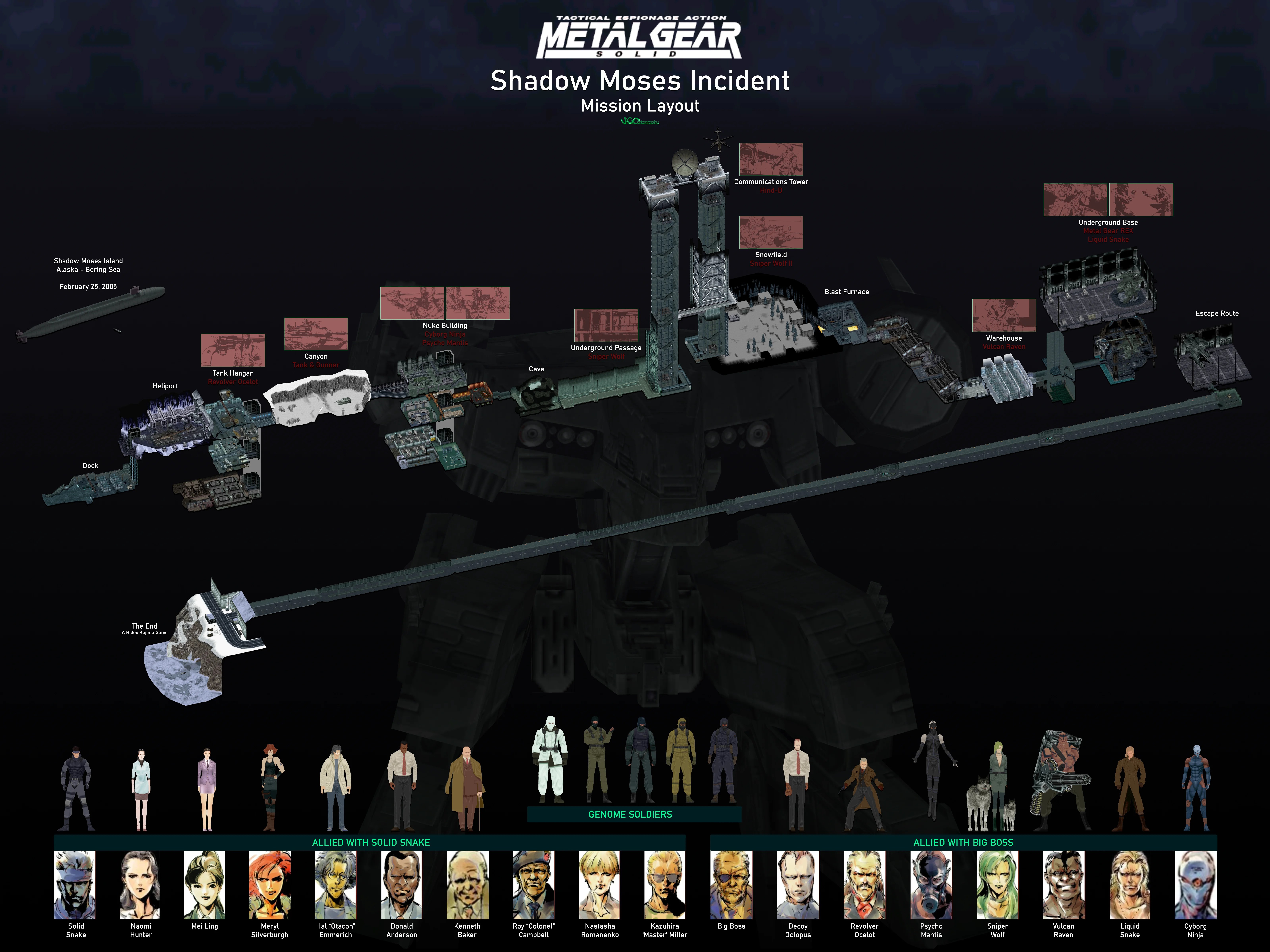
The fascination is in seeing how these fragmented pieces fit together to create cohesive and memorable game worlds.
As Burnette says, the art and creation of games is naturally intriguing, and it’s what he’d like to see more of from developers in the modern era – the artefacts, designs and groundwork that goes into creating new, ever-more-complex games. He collects art books, and wants to see more of map-making process, character models and 3D artwork, so that artists have a chance to ‘show them off’ in the same way he’s trying to show them off.
‘I wish there was more willingness to share these things,’ Burnette says. ‘It’s really rare to see those [artefacts] freely shared nowadays. I think they keep those close to the chest. But it would, to me, be a great way for artists to leverage what they’ve done in a different way, and get more attention on games.’
As Burnette says, classic video games are also important to study as development teams grow larger and the world of level design grows more complex. While much of his own work is focused on games of the 1990s and early 2000s due to personal interest, he also feels they’re intriguing artefacts to study from a creative viewpoint. Analysing them reveals plenty of personal creativity and developer style, he says, which is somewhat less obvious in modern games.
‘There’s a lot of individuality in the levels [of older games]. It’s one guy or girl’s job to make this level, and they could just do whatever. Tomb Raider, which I’ve spent a lot of time on – I’ve mapped out many of them. They were done that way in those early games, where you could look at … patterns and say [this particular developer] used a lot of this type of puzzle.
‘Whereas now, I assume that there’s a lot more committee decisions being made, not necessarily in a bad way, but the edges are sanded off a little bit, to make sure that 95% of players aren’t getting lost. Some of the [older] levels, like in MediEvil, you were just dumped into a weird situation, and got to figure it out.’
In developing more work under the name VGCartography, Burnette has learned much about the art of game-making, as well as the value of map-making and impactful information delivery.
While driven by his own interest and passion for games, he’s reached a nostalgic audience online, who’ve shared his work far and wide. Each piece provides some new insight on game development and design, and exists as an art piece in homage to the artful development of games.
‘I love finding [cool maps],’ Burnette says. ‘If there’s nothing out there [and I make it myself], then the reward for me is being able to see it at the end. If other people like it, that’s a bonus.’