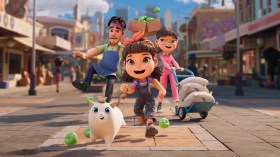
Children’s content on YouTube tends to be overstimulating by nature. It’s designed to engage the senses and be moreish for viewers. It’s loud, colourful and fast.
The team creating Pit Pats, a new Australian children’s YouTube series, believes the general standard of this content is not as nourishing for young audiences as it needs to be. Inspired by their own experiences raising kids and their discussions with other parents, they’ve created Pit Pats as an antidote to the ‘sugar’ of modern YouTube content.
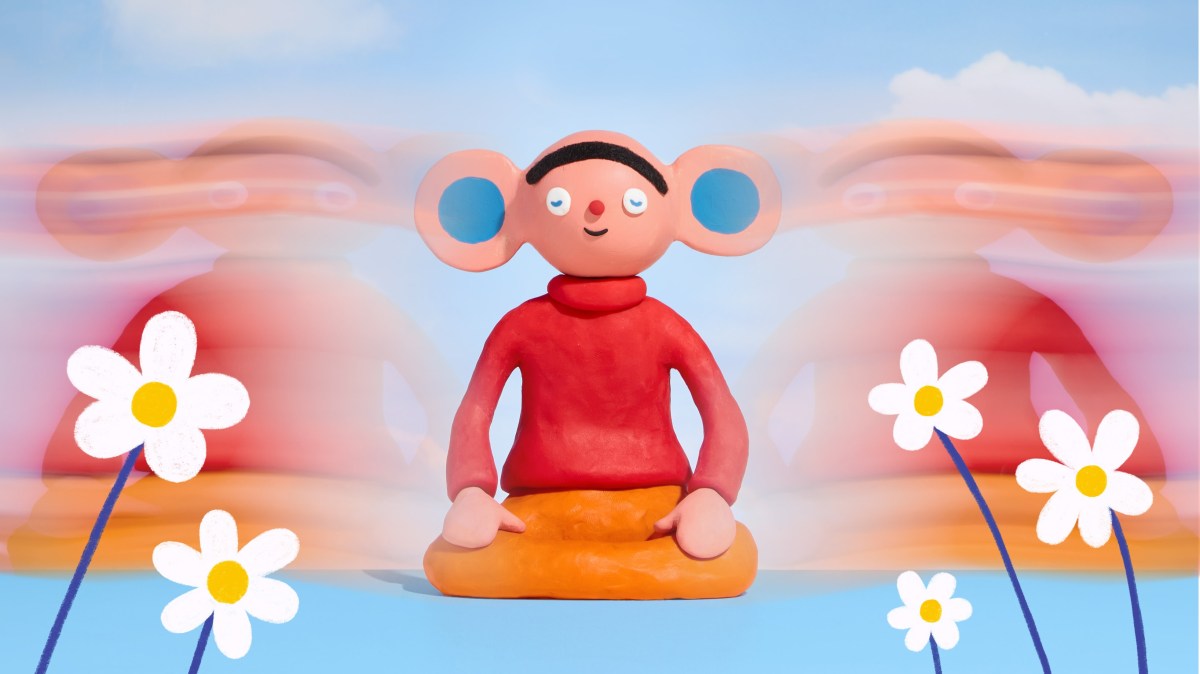
It’s a slower series that encourages mindfulness and calm. Against a backdrop of melodic music, tiny critters teach kids about breathing, nature and meditation – helping kids develop emotional maturity, self-regulation and skills that they can take into the real world.
‘We found the high octane content that’s flooding YouTube was really dysregulating for [our child],’ Josie Mackerras, co-creator of Pit Pats tells me.
‘The idea for Pit Pats had been percolating for a while, but it really morphed as she grew.’
Pit Pats TV series – quick links
The challenges with children’s content on YouTube
Fellow co-creator and partner Darcy Prendergast says the series found a purpose in these family needs, and its direction was shaped by their child’s personality and development.
‘Once she started to reveal herself, we started curating it more and more for her – and hit the realisation that she’s not alone, and that there are multiple kiddos out there that could benefit from slower-paced content.’
Deep research and discussion also informed how Pit Pats developed. While no one study in particular inspired the series, research into the benefits of slow-moving content for kids and the importance of allowing space for cognitive development was key.


As Prendergast says, ‘The more we deep dived [into research], the more we realised there was space for a gentler brand like this, and the more we wanted to really lean into that … that slower pace benefits all kids.’
One influential touchpoint was Dr W Thomas Boyce’s research into ‘dandelions and orchids’ as representative of different types of children – highly sensitive, and those less so.
Mackerras says, ‘We looked at a lot of his work and the things that we’re working on at home, so emotional regulation, conflict resolution, that sort of stuff.’
Meeting a need
The first few episodes of Pit Pats have now launched on YouTube, and there are plans to continue releasing new episodes every week, with the support of Screen Australia and the Australia Children’s Television Foundation.
Per Prendergast and Mackerras, early reception has been heartening, particularly the feedback from other parents struggling to engage their children in healthy content online.
‘We’ve been sent so many gorgeous little reaction videos, and it’s really funny because we’ve been working in this theoretical manner for a long time, and this was the first look at a kid’s reaction in real time – all those little moments that we’d hoped would fire off moments of inspiration,’ Prendergast says.
In one example, Prendergast says, an animated flower that flips around the screen inspired two kids in such a way that he saw their ‘eyes light up’.
‘It kind of dawned on us that some of these kids are effectively seeing their first magic show,’ Prendergast says. ‘Stop motion and animation is a magic in itself. Just the way their little eyes lit up at those key moments that we’d hoped really enforced what we’re doing, and the way we’re doing it.’
Pit Pats has also screened in school classes, in sessions that reportedly had kids ‘slowing their breathing in unison,’ he says. One mother told the team that episodes had made going to school smoother, as kids could be reminded about slower breathing and calming down with visuals like swaying grass to support them.
For Prendergast and Mackerras, this is exactly what they were aiming for when they first began thinking about what Pit Pats could look like, and what it could do for their intended audience.
Creating Pit Pats from the ground up
From those very early ideas, the development of Pit Pats began with playful experimentation. Prendergast has a history with artistic clay and 2D animation, as well as videos in the music and commercial space, while Mackerras has a background in photography.
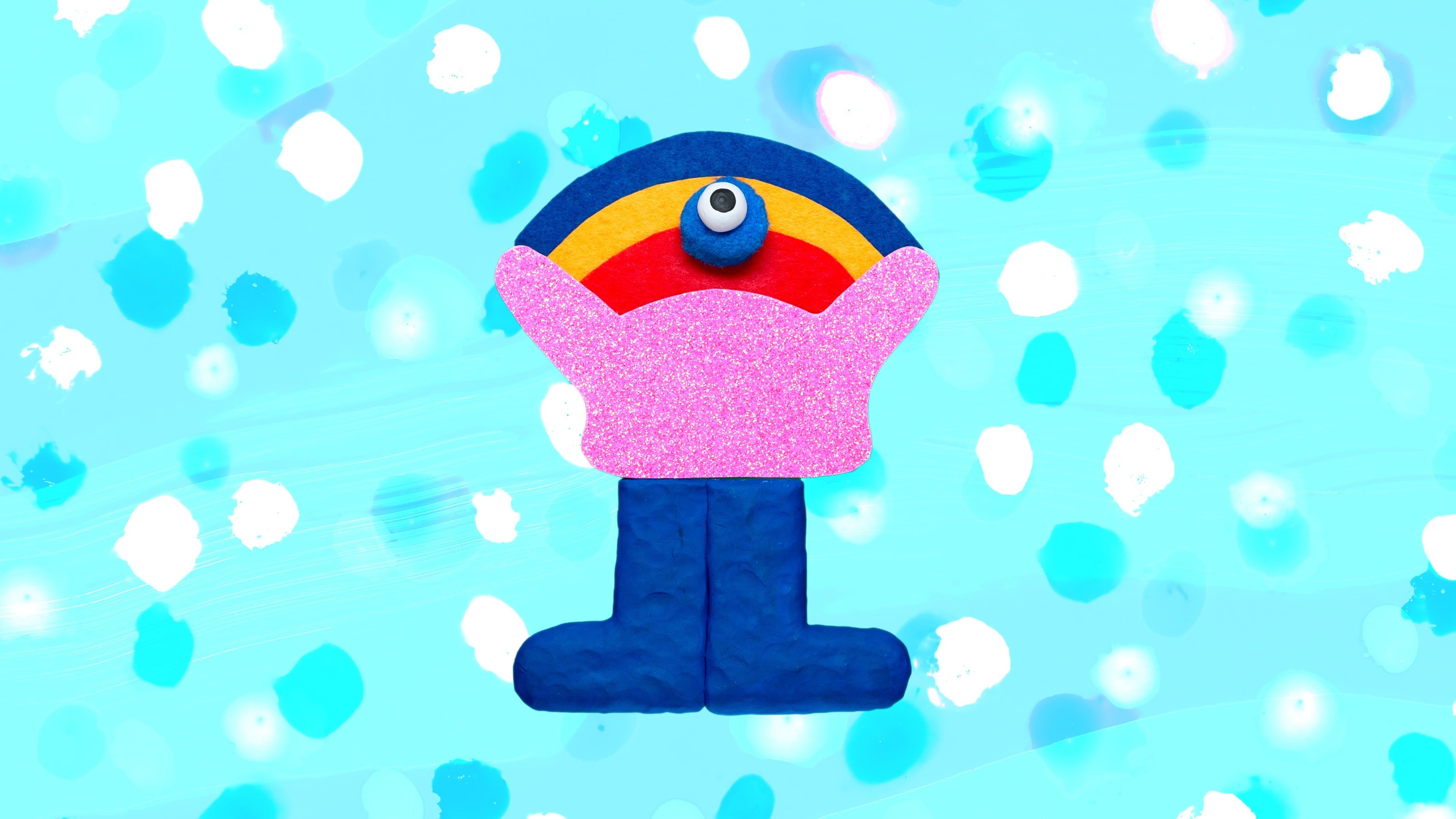
All of this experience influenced Pit Pats and its design, and further experimentation led to the inclusion of puppetry and large wearable costumes.
Prendergast says this mixed media approach is following in the footsteps of ‘a Sesame Street variety hour show’.
‘We just love experimenting. We love playing with new ideas. This format gives us the ability to basically go wherever our hearts tell us to.’
It’s an approach also informed by his past work on music videos, including for musicians Gotye, Neil Young and Green Day.
‘From piece to piece, we would work with entirely different visual styles and techniques and mediums, which is what led to me having such a broad palette of skills,’ Prendergast says. ‘But also, I just love this trying new things and finding ways to mash them together as well.’
As Mackerras adds, the opportunity to try new artistic techniques means Pit Pats isn’t boxed into a single format, and the series can be interesting and layered for kids, too. The playful approach tends to resonate on screen, and ‘sparks curiosity’ in a way that encourages further engagement and inspires kids to get creative too.
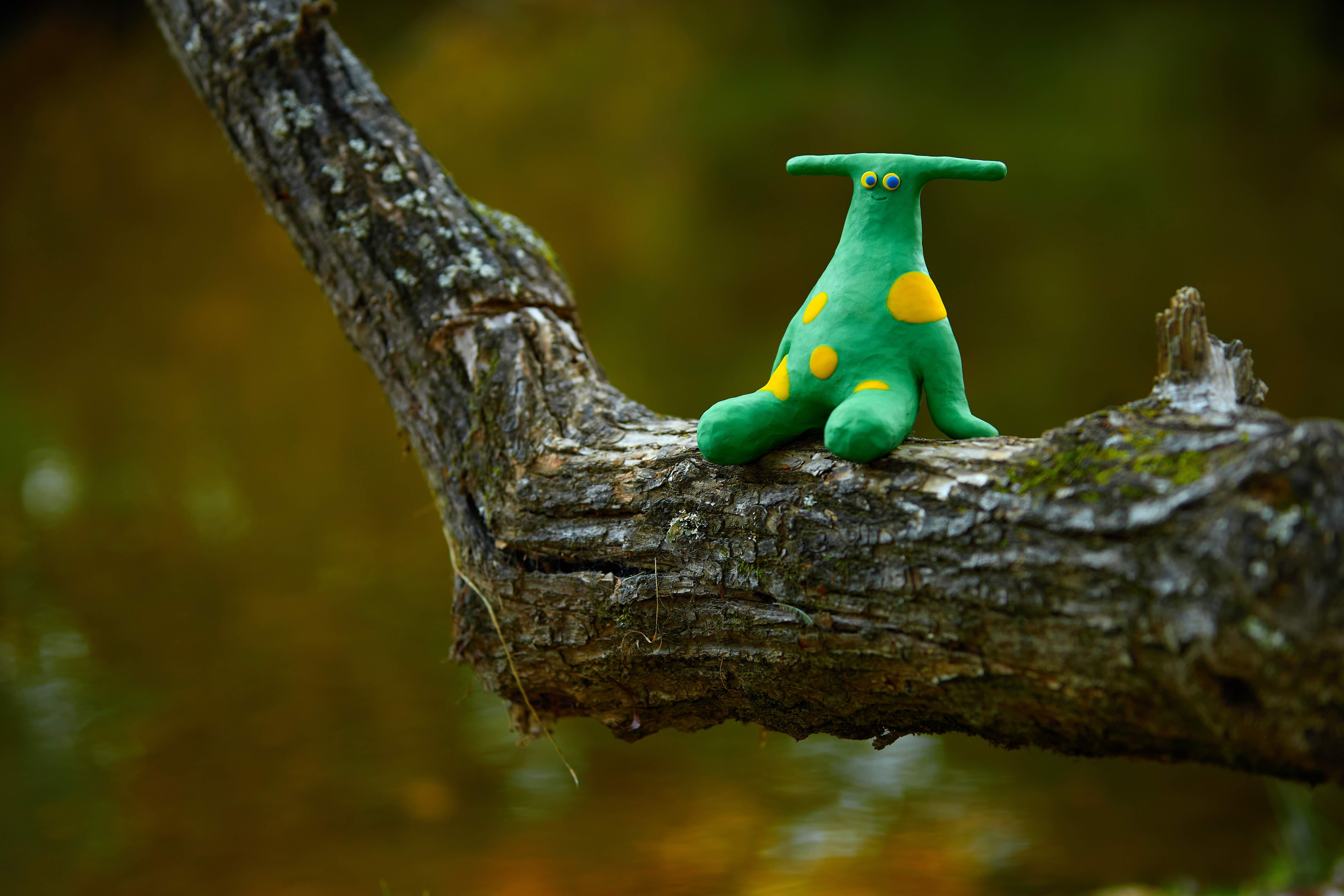
The show’s handmade and textured, real world aesthetic is another factor they believe resonates with their young audiences. In the same way that live-action children’s shows like Sesame Street and The Muppets deliver a ‘real life’ approach, Pit Pats is grounded in that very ‘human touch’.
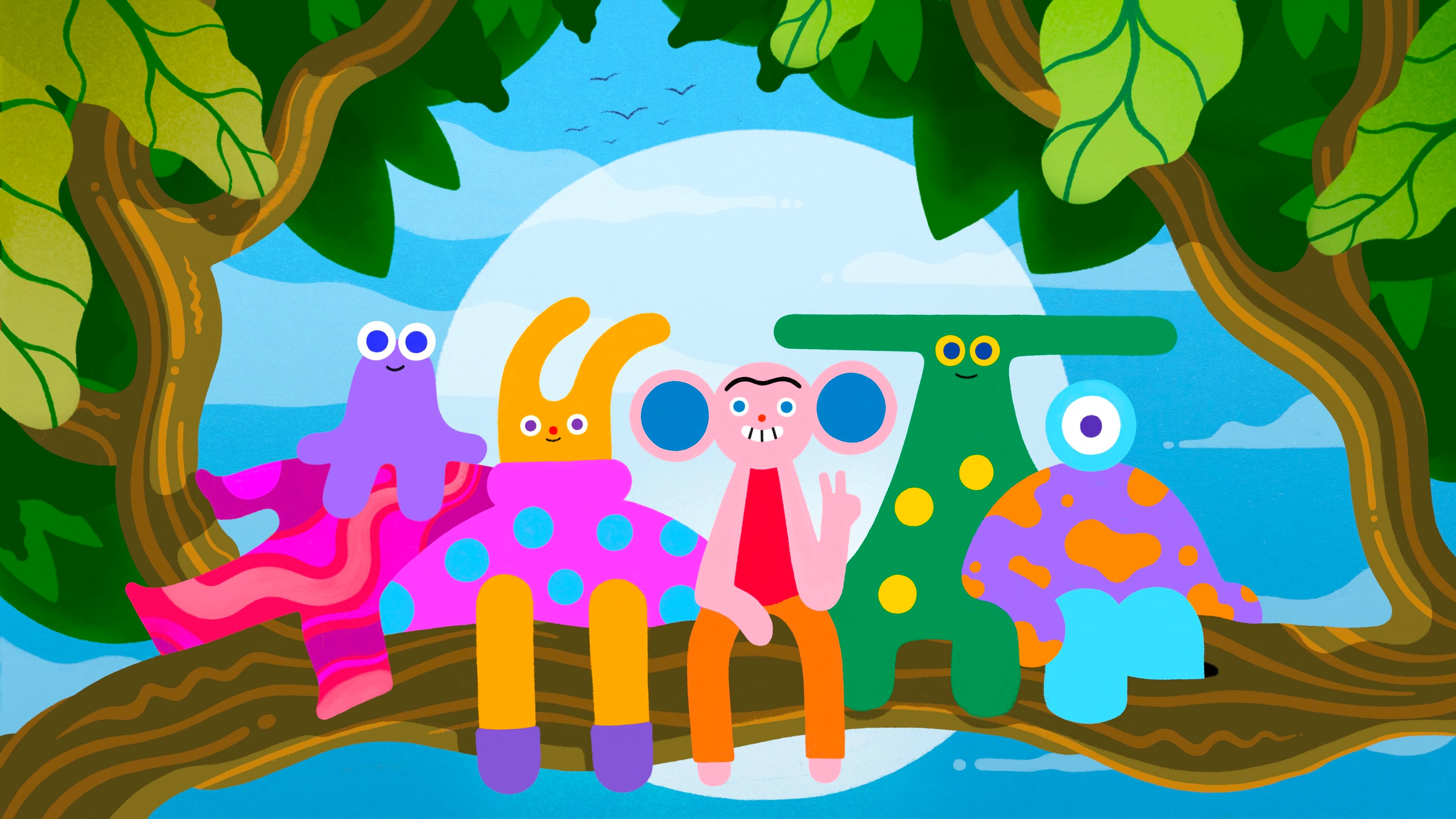
‘I’m trying to imbue it was a certain kind of amateurness and not be too precious about it – really embracing the fingerprints and clunkiness,’ Prendergast says.
‘Normally you might animate at 25 frames per second. I’m bringing it down to eight, which is kind of sacrilegious in the animation space but we’re going the other way from AI right now – a big buzzword in the kid’s space – and there’s a lot of pushback against the slop.’
‘We’re trying to reach into the craft box and use things that are familiar to kids – very textural and handmade on the whole.’
Leaning on support
Prendergast and Mackerras share that Pit Pats was the recipient of funding from Screen Australia and the Australian Children’s Television Foundation, as part of its Kids IP Incubator. This particular program is geared towards supporting new ideas for children’s TV properties for online audiences.
Screen Australia’s Director of Narrative Content, Louise Gough, has described Pit Pats as ‘an undeniable example of the creativity, originality and world-class talent of Australia’s kids content creators’.
‘This innovative and mesmerising series demonstrates what can be achieved when distinctive and child audience-centred voices are nurtured. Darcy and Josie have crafted a richly imaginative, deeply thoughtful and whimsical world that will captivate audiences of all ages, both in Australia and around the globe.’
For Prendergast, the support has meant being able to colour ‘outside the lines of conventional kids TV’ and give Pit Pats a unique flavour as the series grows. He sees YouTube as a ‘proving ground’ for new IP that might otherwise be seen as ‘too different’ to make it to air.
The faith in Pit Pats, and the support so far, has been very gratifying for Prendergast and Mackerras.
‘The incubator was born to try and help steer some of [the supported] IPs through and help them on their journey to become bigger and broader,’ Prendergast says.
‘The ACTF and Screen Australia have been amazingly supportive, but also very hands-off. They’re like, “This is your creative, do whatever you want.” There was no limits on how short or long the episodes could be … It’s a huge amount of creative freedom, which is to their credit.
‘I think it’s a real strength of this particular program … it enables us to be really iterative and adaptive in real time.’
Pit Pats continues to roll out on YouTube
Working on YouTube also feeds into the creative desire for flexibility. As a relatively new platform for the pair, there are fresh challenges to overcome, as well as distinct new opportunities. Having direct access to metrics means they’re able to change and reshape their content as required, tailoring social media and other elements to suit their found audience.
Tackling these challenges has been ‘really fun and really energising,’ Prendergast says, as the series continues to roll out on a weekly basis.
Driven by the positive reception so far, and the beauty of getting to experiment, the Pit Pats team is looking forward to what comes next and the potential to reach, and help, a wider audience.
‘The fact that it seems to really be resonating with kids and is actually helping [is something I’m most proud of],’ Mackerras says. ‘That it’s helped with [preschool and school] drop off. That it’s helped with emotional regulation.’
Prendergast adds, ‘Being parents ourselves, we know how hard it can be at any given moment. To know that somehow [one of our episodes] has gone out into the world and helped other parents with the same hurdles that we’ve faced in our lives, it’s pretty enriching.’
For Mackerras, the ambition over the next few months ‘is to just keep helping more kids and helping more parents, while being a brand that people can rely on to help with the struggles of parenting and in kids, of growing.
‘I’m just really hoping that we can be a positive movement going forward, to help the next generation be better equipped for the world.’