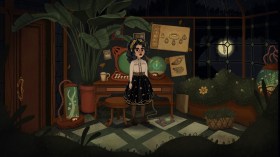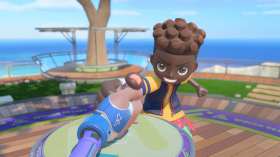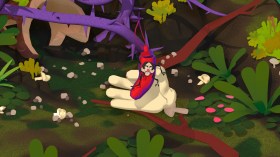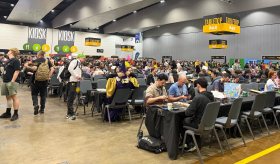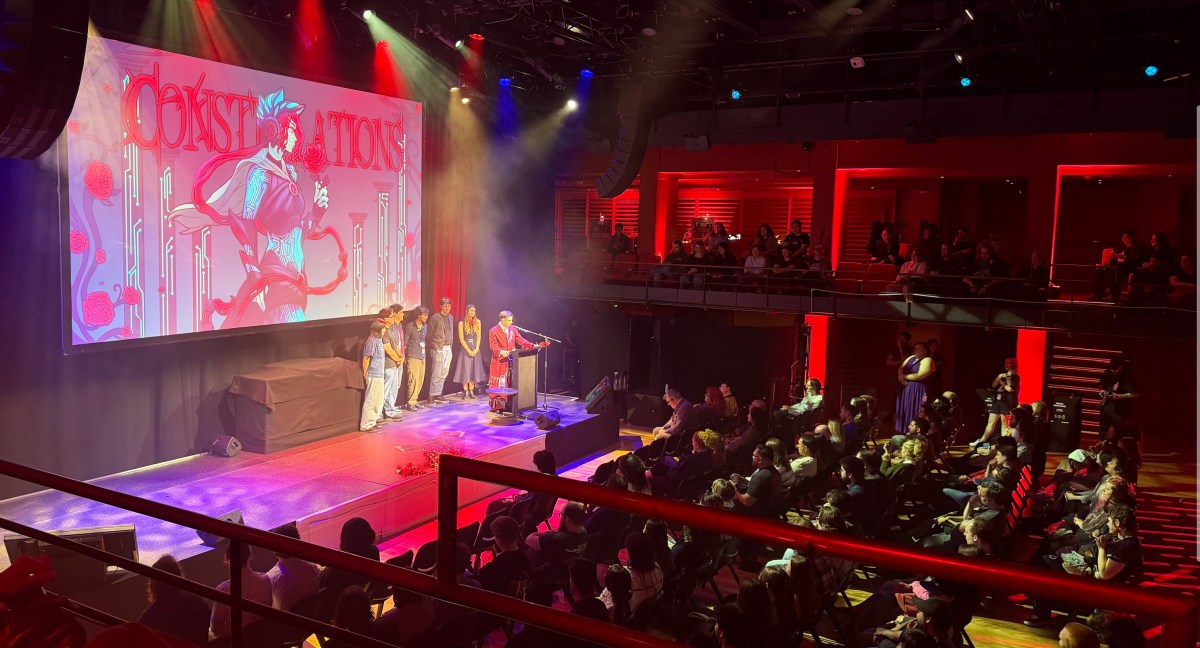
Waypoint Constellations 2026 took place at the Sydney Opera House, with an associated sense of grandeur and importance. It was a chance for Sydney’s local game development community to gather together and learn more about each other – what projects are in the works and what lessons have been learned along the way.
Within SOH’s Studio, various local developers shared builds of their latest games against a backdrop of a live orchestra performing tunes from Australian-made games, as well as insightful talks from a diverse array of speakers.
As a companion event to Freeplay Parallels, Waypoint Constellations provided a much-needed chance for the Sydney game development scene to shine. While the event backing onto Melbourne International Games Week resulted in plenty of tired eyes, the energy during the event remained high.
Here’s everything we learned at Waypoint Constellations 2026.
Waypoint Constellations round-up – quick links
You should be making weird games
In a sweeping talk from game developer Alex Ocias, attendees of Waypoint Constellations were encouraged to get weird with their latest games. As Ocias described, games can be interactive toys, and in this manner allow developers to experiment, play and discover something new about themselves or the world.
Ocias is best known for creating Loved, which explores topics of gender identity, self-expression and pain. Seeing the impact of his work, which was shown in museums and across online platforms, was a motivation for Ocias, and has provided inspiration for future projects.
As he said, he wants to use his games to understand the world, to explore vast concepts and to ask deeper questions about life. Through this medium – the medium of weird games – Ocias hopes to illuminate so much more about the world’s intricacies.
Bits & Bops was driven by two very different needs
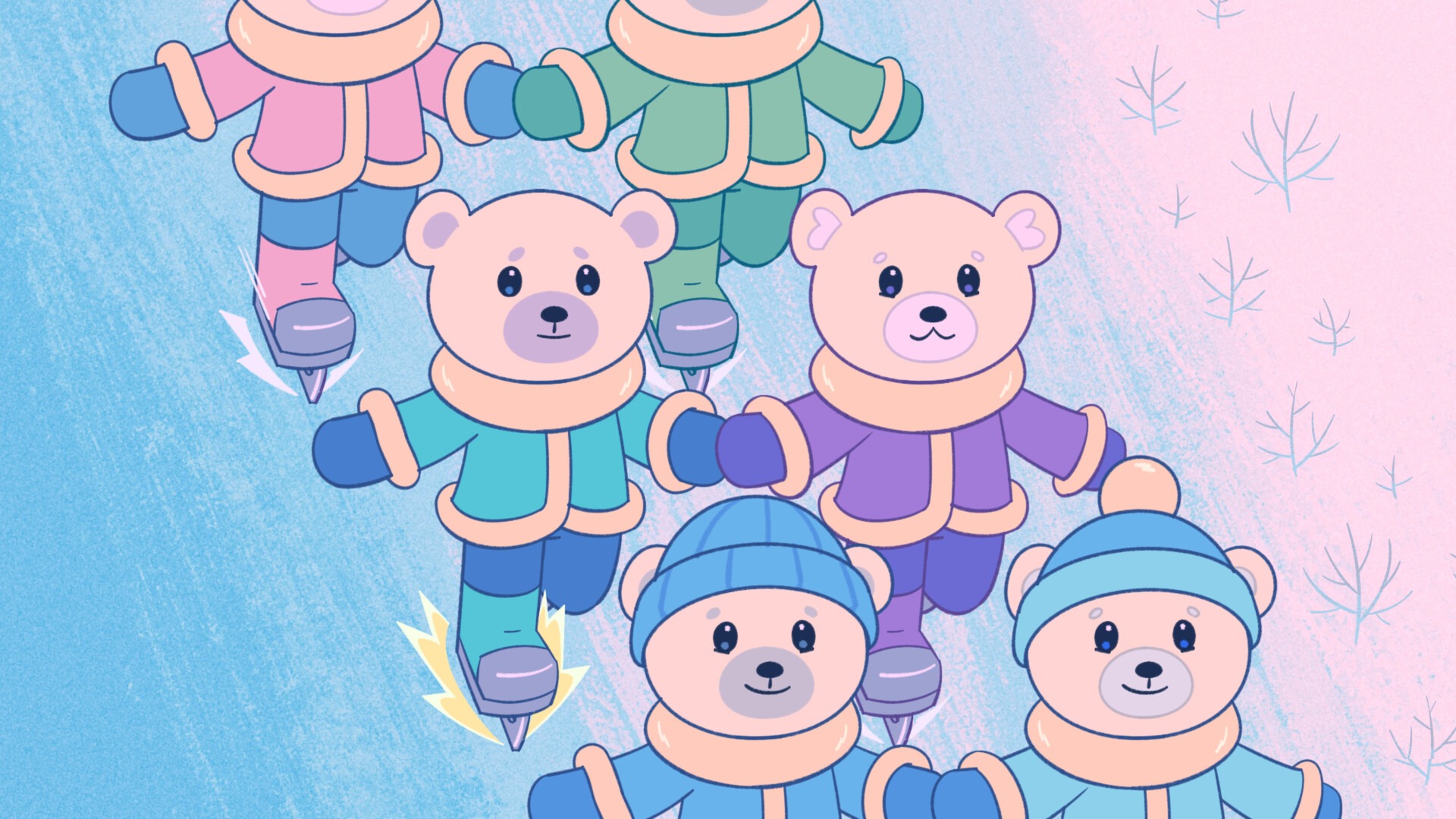
In a joint talk, developers Evan and Rose of Tempo Lab Games discussed the creation of award-winning rhythm game Bits & Bops from their individual perspectives.
Evan discussed the idea of organic curiosity, describing it as one of the most important tools in his arsenal. Curiosity is what drove his interest in Bits & Bops, as he was always curious about the mechanics of music – how speeding up or slowing down music changed tone and pitch, and how latency issues happened.
His first game didn’t go the way he expected, and he experienced a range of challenges to ensuring that computer audio and sound matched up with the inner workings of his creation. Eventually, he followed that curiosity about why all the way to creating Bits & Bops, driven by a need to figure out how to make a rhythm game with tight, focused delivery and no discernible latency at all.
Rose told an entirely different story, about self doubt and a need to create her ‘great work of art’ – something she could be proud of, that would silence the critical gremlin living in her head. As she told the Waypoint Constellations 2026 audience, she wanted to create something she could be proud of. While she described some room left to grow and create, she found some peace in the reception for Bits & Bops.
Seeing how the audience responded allowed her to see the magic of her creation, and how art can impact and change people.
Even lighthearted games can speak to important life lessons
Doggy Don’t Care is a whimsical game about being a small dog causing all sorts of mischief across various locations. At Waypoint Constellations 2026, developer Rohan Nowell revealed that while the game is silly and fun in approach, it was born of sad circumstances.
Nowell described a career that started in web development, but always felt like it was missing something. He always wanted to dabble in game development, and watching Indie Game: The Movie proved to be a core piece of inspiration for him. While dealing with his career and burnout, he began to experiment with creating a small game, Swoopy Boi. In this time, he also had to contend with the passing of his brother.
While he described dealing with severe grief, Nowell eventually realised a lesson: that life is short and it’s necessary to pursue the things that make you happy. As he said, grief helped him to gain new purpose in life, and to realise his dreams by creating Doggy Don’t Care.
‘It’s not too late,’ he said. ‘You have a life to live.’
A big night out shaped Sam Murrandah’s game development ambitions
Next up, Sam Murrandah discussed his inspiration to get into game development, and how it was motivated by an unfortunate trip to vomit in a public toilet during SXSW Sydney 2023.
During this particular event, Murrandah met a host of folks working in game development in various professional capacities. It was an experience that opened his eyes to the possibilities, and inspired him to pursue more work in games.
Presenting at Waypoint Constellations, Murrandah outlined how community has been most important to his growth as a game developer.
In various video interviews shared during the event, he also revealed what motivated his community and how they inspired him in turn. In these interviews, developers revealed a smorgasbord of reasons for making games: to tell stories, solve problems, process experiences, give a reason and purpose to life, make great stuff, and share one’s soul.
All of these elements play into Murrandah’s game-making and his desire to forge onwards in his career.
Community is one of the most important creative tools
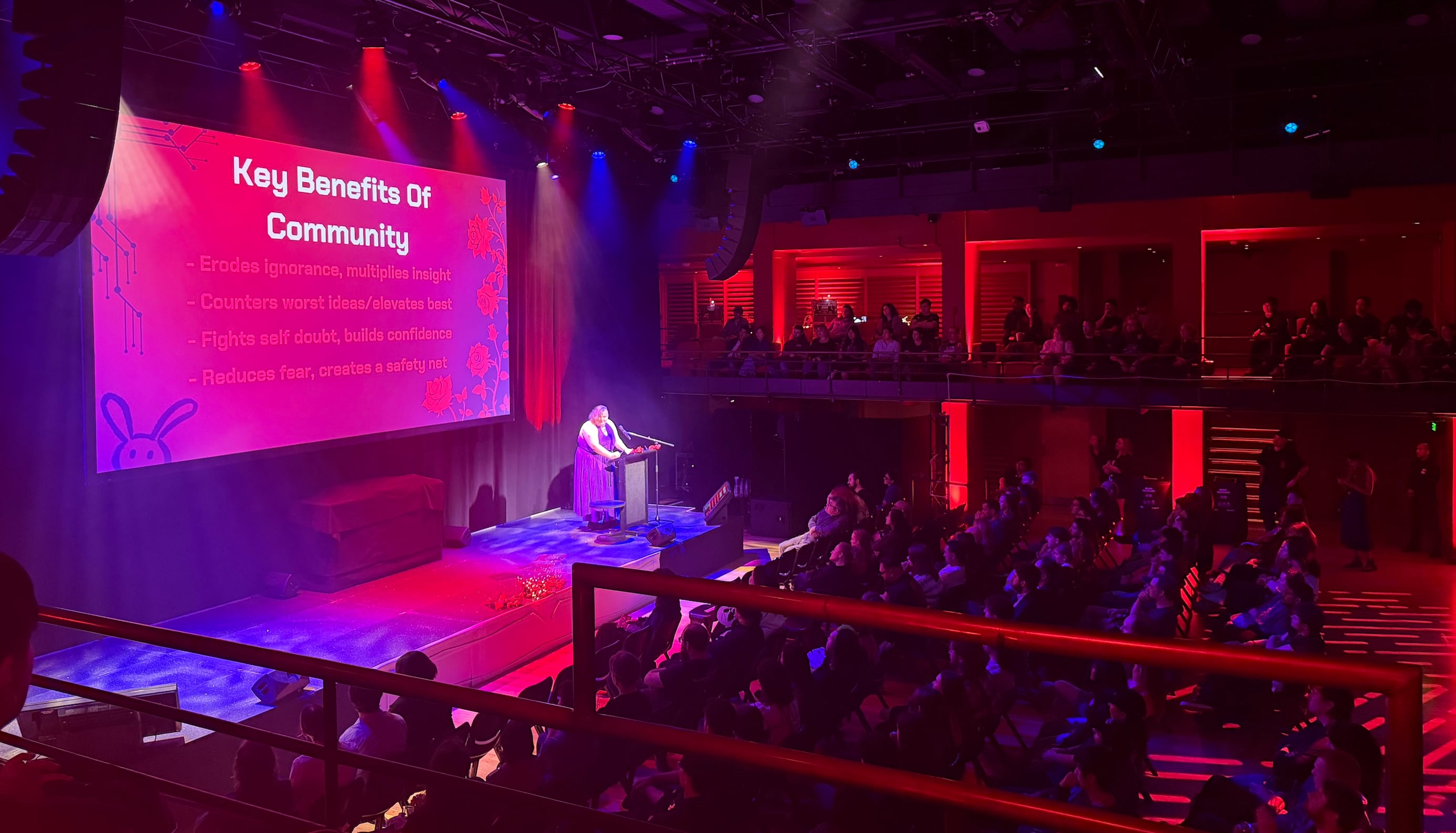
At Waypoint Constellations 2026, tabletop game designer Reizor Cox discussed the importance of community. Ruminating on their experiences developing samurai-themed tabletop experience, they described one particular moment as being revelatory of how community can enhance creation.
Speaking to a consultant in a Discord, they were gently asked why they would focus on a samurai story, rather than their own cultural background. As Reizor admits, they were blindsided by their own orientalist approach, and learned lessons from listening to an alternative perspective. Changing up their game, they instead focused on Arthurian legend and were able to create a more interesting, layered experience because of the community feedback.
As Reizor shared during the show, community is essential to creating anything. Being open to community perspectives helps to build confidence and self-identity. It helps to counter your worst ideas. Most importantly, it helps to erode ignorance. Having community around can make all the difference to art and game design.
Games can provide important paths to self-discovery
Game developer Georgina De Manning spoke at Waypoint Constellations 2026 about her work as a multimedia artist, and the drive to create against all odds. She was originally a traditional and multimedia artist, but discovered game development as a new form of self-expression and creation.
She also used it to process her own thoughts and experiences.
ScreenHub: Night Shift: 1999 explores migration through a world of Australian vampires
As De Manning told the crowd, she moved to Australia from overseas and experienced challenges in adapting to the culture and Australianisms. Through her game Night Shift: 1999, she explores the idea of immigration through the movement of vampires, who need to move around the world to protect their identities.
Per De Manning, Night Shift: 1999 is an example of how self-experience can be explored and better understood through art. In this way, game development can be a journey of self-discovery.
For Gregory Louden, games are the ‘ultimate’ storytelling medium
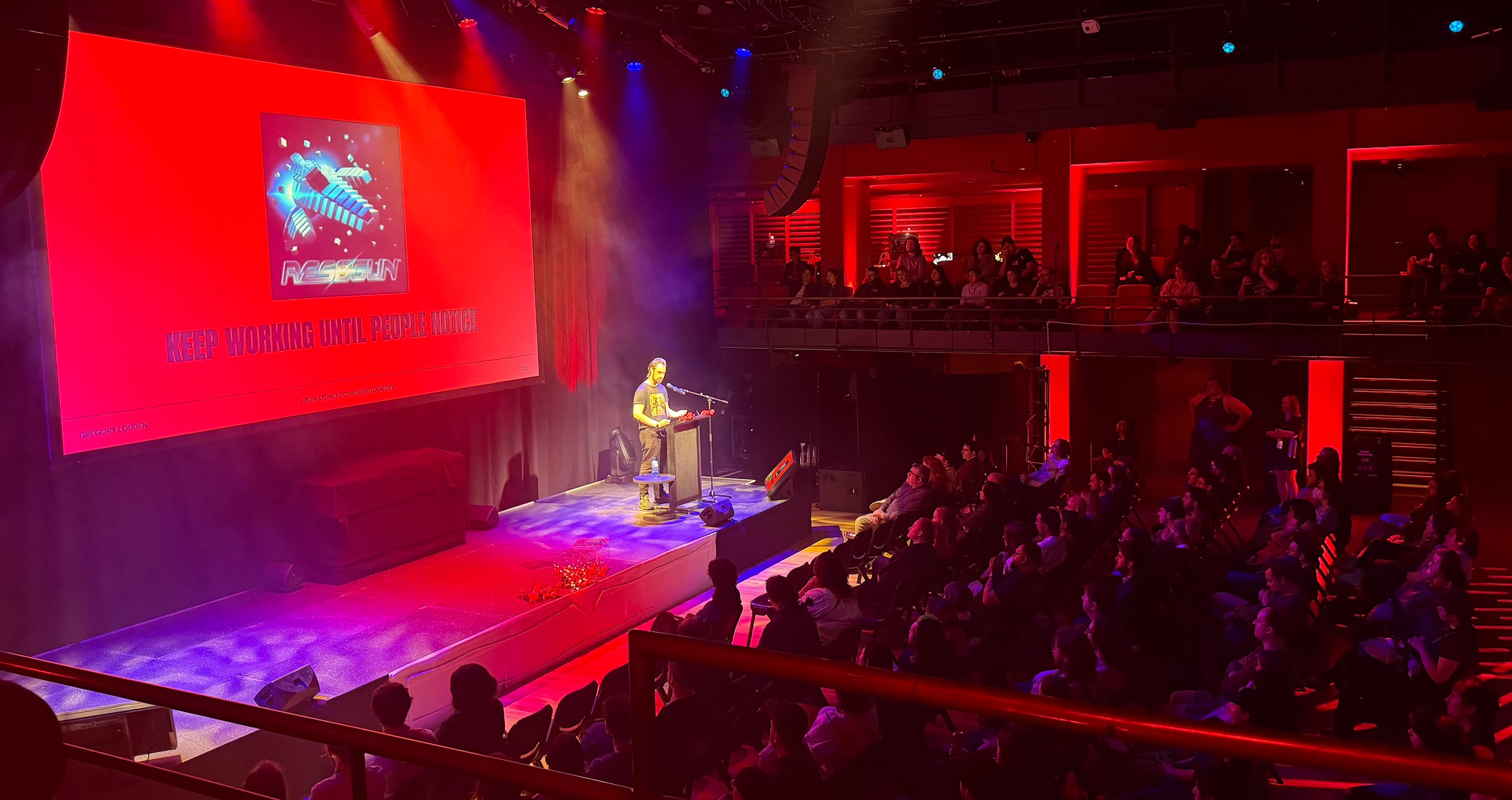
The final talk of Waypoint Constellations 2026 was from Gregory Louden, an Australian game developer best known for his work with Remedy Entertainment and Housemarque. Louden was the creative director behind Saros, and he previously worked on Control, Returnal and pure Aussie game Stone.
As he shared, his journey through visual effects to creative direction, production and writing was defined by a desire to dive deeply into storytelling. He sees games as the ‘ultimate’ storytelling medium, with elements of interaction, cinematics, gameplay and narrative ‘multiplying’ the impact of the art.
He has always had a love for games, from a young age, and was compelled to pursue a career overseas to keep contributing to the art of complex storytelling. He also shared lessons from his time in Finland, such as the need to pair hard work with relaxation, to be bold and stand out, and to be resilient about not giving up. Contrast is important.
Rounding off his talk, Louden described events like Waypoint Constellations 2026 as being essential to bolstering the local games community – providing inspiration, purpose and a sense of belonging that can lead to great and impactful art.
Throughout the evening, all of the talks demonstrated this importance, with the diversity of experiences and advice allowing for a real inspiration and hope for the future of game making.