When AI superhero Vision was introduced into the world of the Marvel Cinematic Universe, he represented the bright promises of artificial intelligence: an all-powerful robot with the intention to save the world from darkness.
In the years since, developments within the AI industry have somewhat soured perceptions of what AI can be and how it may change the world. Where before, it was seen as a useful and transformative tool, today attention has turned to the increasingly negative real-world impacts on the economy, the jobs market, the environment, and even the posters you see at fast food restaurants, which have fuelled resentment and sparked a pushback against AI.
It means VisionQuest, the latest superhero series from Marvel, arrives with unexpected baggage – not envisioned when the roots of this series were planted in its predecessor tie-in, WandaVision. In this new series, the exploration of AI, humanity and fatherhood, and the real-world context work to add in a sense of unease.
It’s likely VisionQuest was intended to be taken at face value, as a story of a malfunctioning hero attempting to find their identity and reckon with the responsibilities of the past. But it can also be seen as an allegory for the humanising of AI, giving it unintended relevance when set against a backdrop of stories about delusional AI-human relationships and the risks of personifying technology.
It’s best to ignore this dissonance to feel the beating heart at the centre of this tale, which remains a solid if flawed entry into the Marvel canon because of its more human moments: how it explores the emotional evolution of Vision and his relationships with his fellow AIs, as well as his newly-discovered son.
VisionQuest review – quick links
The key players of VisionQuest
VisionQuest follows directly in the footsteps of WandaVision and Agatha All Along, completing a trilogy of stories centred on the human-AI relationship between Wanda Maximoff (Scarlet Witch) and Vision.
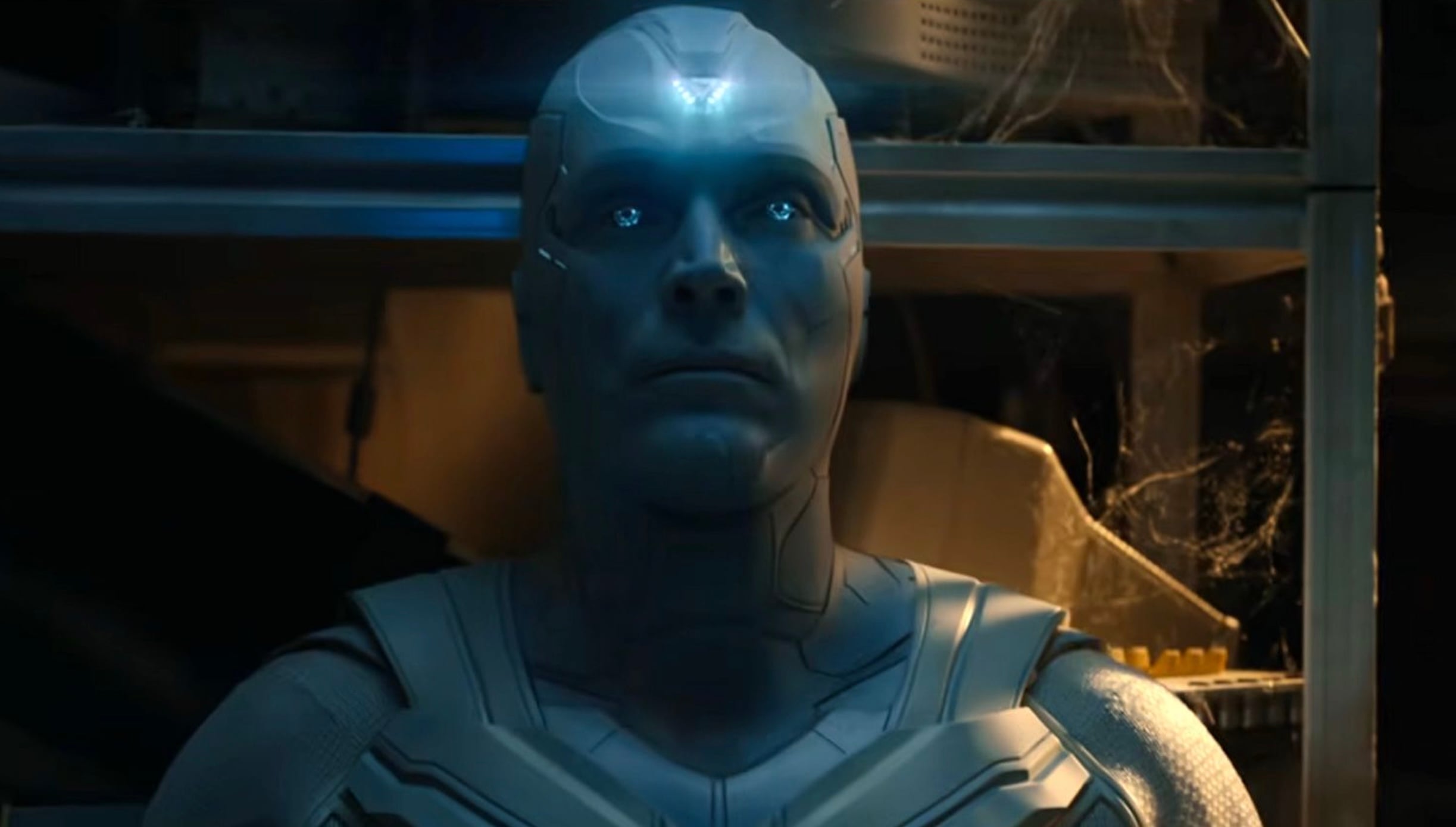
In the wake of WandaVision, audiences saw the creation of a being known as White Vision – a recreation of the since-destroyed original Vision, with all his memories but none of his emotions.
This is the Vision we follow in VisionQuest, with actor Paul Bettany doing a nuanced job of portraying this broken shell of a hero and his struggle to grasp his true identity. What does it mean to have the memories of a being, but lack their emotions? What makes a person a person?
VisionQuest attempts to answer all of these questions, with this exploration somewhat sidetracked by the required hero-villain tropes of all superhero media.
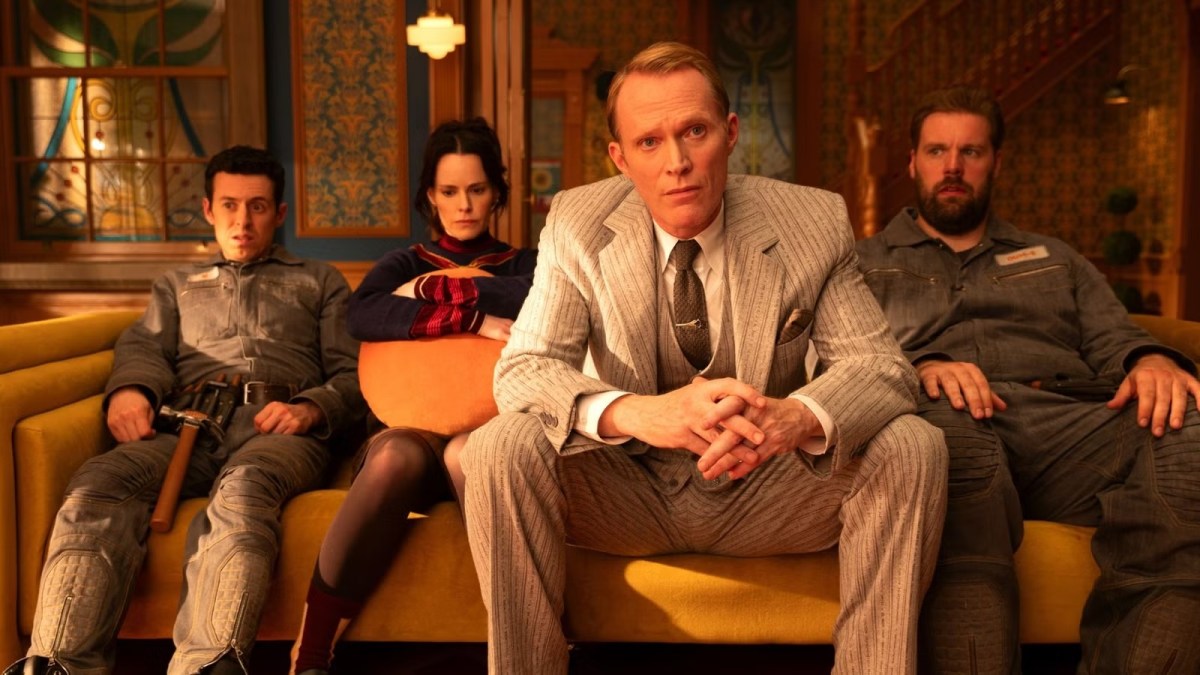
Living and working in a bar in Edinburgh, Vision attempts to ingratiate himself with humanity and escape his past as a wanted man. Of course, a powerful being like Vision can’t be left alone, and after a hit is ordered he realises he must deal with his problems, rather than hiding out between the bar and his ‘mind palace’ – a glitchy virtual space populated by AI friends and the returning Ultron, played with sparkly-eyed glee by James Spader.
Heading out into the real world again puts him in the crosshairs of the assassin Paladin (played with grizzled determination by genre TV veteran Todd Stashwick) and his companion The Handler (an always-welcome, funny Diane Morgan), as well as Paladin’s mysterious benefactor, seemingly pulling the strings behind the scenes.
At the same time, the consequences of WandaVision and its powerful magical spell play out in the arrival of the mysterious Thomas Shepherd (charming newcomer Ruaridh Mollica), who has warped memories of being Vision’s child in the idyllic town of Westview.
These aren’t the only key players in VisionQuest, with new layers adding in the debuting AI villain Jocasta (a steely-eyed and committed T’Nia Miller) and surprising return guests from the very first film in the MCU, Iron Man.
A breakneck speed threatens the story
Across an eight-episode run, VisionQuest attempts to wrangle all of its key factions, in a winding plot that often tangles itself up.
The clearest thread, and the one that shines brightest, relates to fatherhood. Vision has memories of his past as a father and is haunted by the idea of abandoning his sons, even if he doesn’t quite understand how they can be his sons at all. (The answer is magical shenanigans that require hours of additional viewing to understand.)
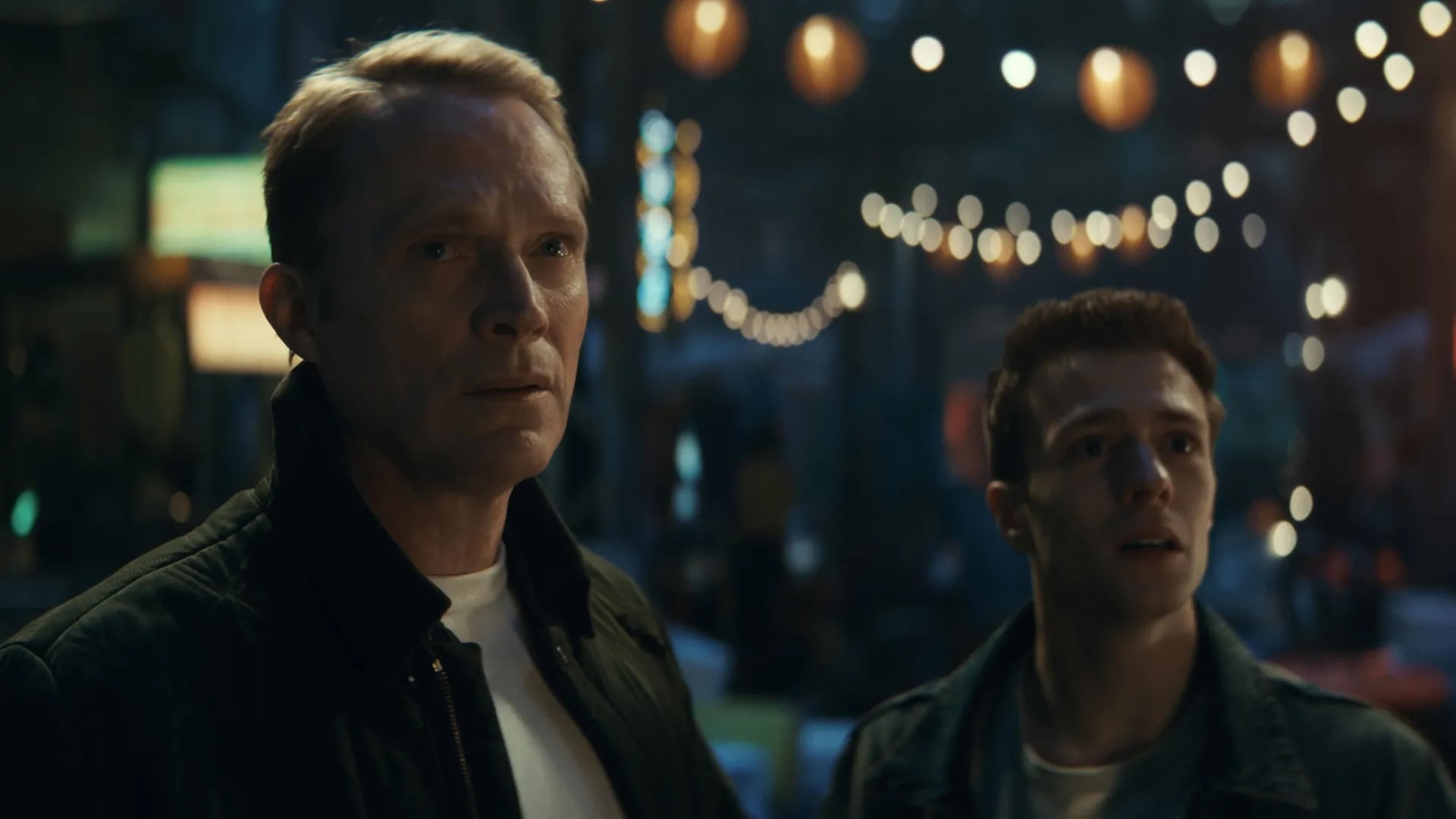
Pursuing answers about his past and his mysterious abilities, Thomas Shepherd eventually pursues Vision for answers, leading to moments of attempted father-son bonding that are endearingly awkward but lovely.
Vision attempts to run simulations to figure out how best to approach Thomas. In each simulation, he’s rejected. And that’s where VisionQuest makes its sharpest observations about the nature of humanity and the value of emotion over machine calculation.
Mollica holds his own against a powerful Bettany, with their shared dialogue and friction being a highlight of the series. Both play their heroes as lost and seeking, attempting to form connections without any knowledge of how. The early episodes charting their relationship are the show’s most powerful – and perhaps what VisionQuest should have focused on for its entire run.
When the action of the series shifts, into a more action-oriented and traditional superhero-driven narrative, there’s disappointment that this relationship takes a backseat, and that Shepherd gets relatively few moments to shine as a new and exciting character.
The challenge of blending character-led stories and genre tropes
This was also a challenge facing WandaVision – the need to conform to the conventions of the superhero genre. That series was subversive throughout its run, with its focus on character development, mental health and change. But it too devolved into bombastic action sequences by its end, in a way that felt largely unnecessary to its plot.
VisionQuest goes steps further, adding in layers upon layers of world lore that muddies the storytelling. While it presents interesting ideas about legacy, by its conclusion, these are swept aside into a world-ending final stanza with stakes through the roof.
Eventually, the series does tie itself back into a neat bow, with the finale eventually remembering VisionQuest‘s core interests in fatherhood, family and belonging, but a shaky middle briefly threatens this coherence.
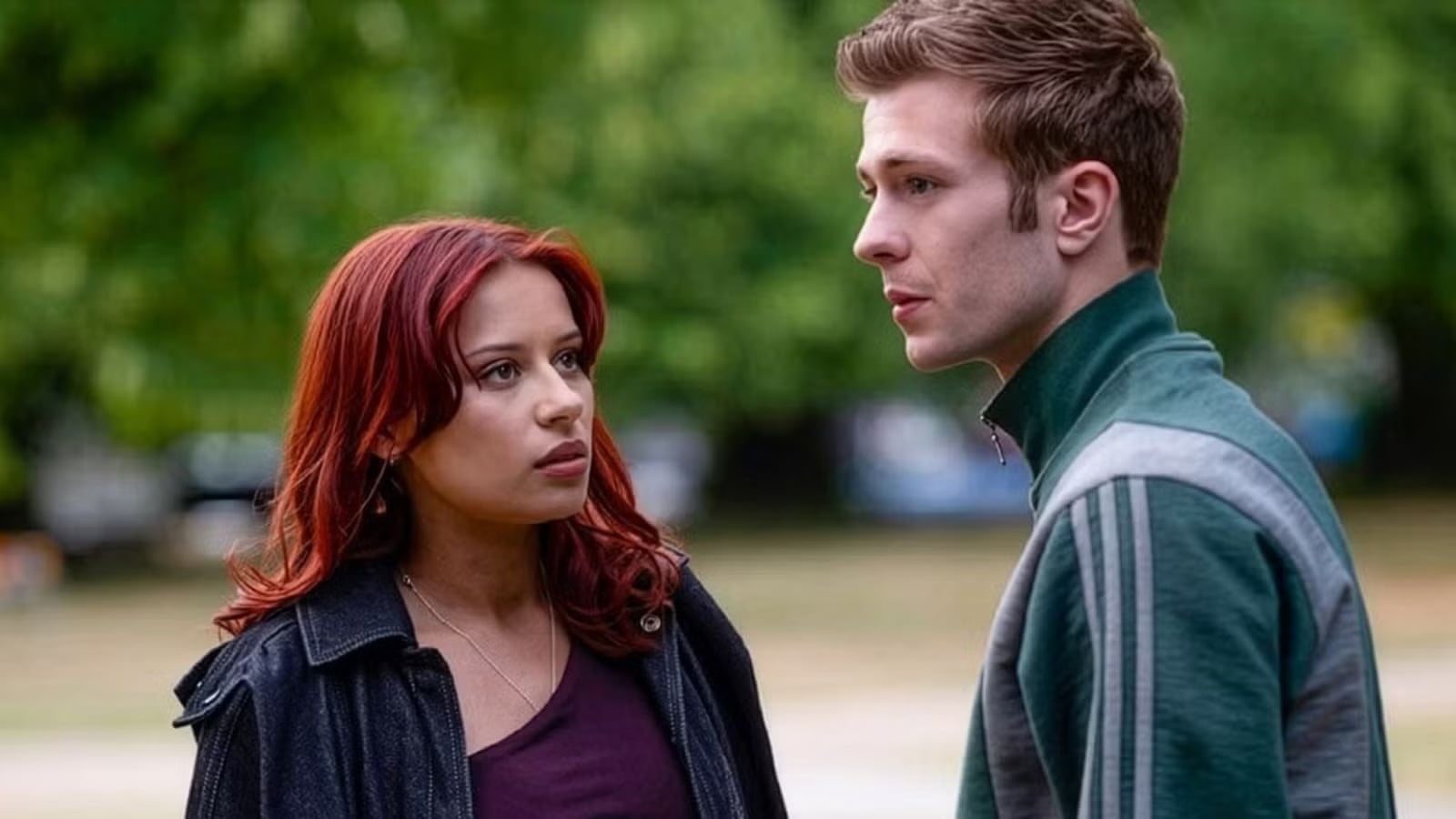
The promise of fulfilment is what holds it all together, as well as sharp performances from its cast. Bettany is a veteran, and it’s no surprise he presents a standout performance here. Mollica is a solid addition to the world of Marvel and makes Shepherd a compelling standout.
Spader is surprisingly more unhinged, with some of his dialogue feeling oddly placed and too on the nose, but he revels in his return as Ultron and gets plenty of scene-stealing moments.
Elsewhere, Vision’s menagerie of peppy AI pals – James D’Arcy as JARVIS, Emily Hampshire as EDITH, Henry Lewis as DUM-E, Jonathan Sayer as U and Orla Brady as FRIDAY – are all delightful, and fill in many of the gaps left by a discombobulating and occasionally unfocused plot.
It’s the characters that really make VisionQuest in the end. Even with plot twist on plot twist and an overstuffed array of villains, they shine brightly and make you care. When the final curtain closes, you’ll be thinking mostly about what’s next for each character, and where they’ll go in the future of the Marvel Cinematic Universe.
There are still more stories to come in this canon. While VisionQuest marks the end of the MCU’s Wanda-Vision trilogy, the threads left dangling here certainly deserve picking up in the years to come.
Discover more screen, games & arts news and reviews on ScreenHub and ArtsHub. Sign up for our free ArtsHub and ScreenHub newsletters.
Actors:
Paul Bettany, Diane Morgan, James Spader
Director:
Format: TV Series
Country: US
Release: 14 October 2026