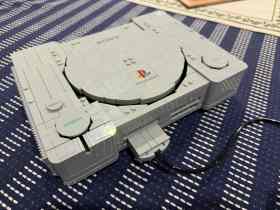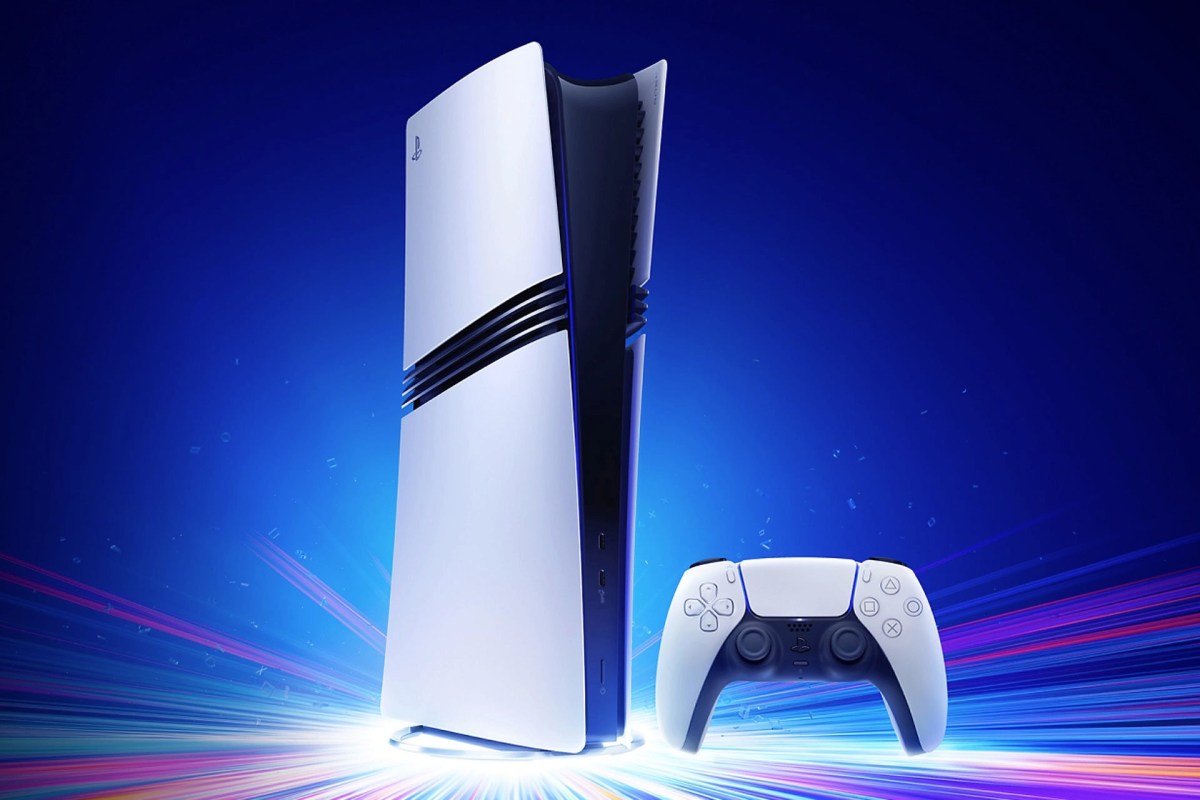
The rising demand for RAM chips to power new AI processes is reportedly inspiring a rethink of release timing for Sony’s upcoming PS6 console, as well as contributing to discussions around price rises for existing consoles.
PS6 may be delayed – quick links
Rising RAM demand
As outlined by Bloomberg, demand for RAM chips has been driven by increased AI usage around the world. Companies are increasingly looking to expand their compute power to process more complex AI tasks, with these moves contributing to high demand and shortages of RAM globally.
Sony, which is reportedly in the early stages of developing the next PlayStation console, the PS6, is seemingly facing significant challenges in light of these new demands.
Per analysts speaking to Bloomberg, the company had been planning to release the PS6 in the near future, possibly as early as 2027. With the AI-driven demand for RAM chips complicating production – both cost-wise and supply-wise – Sony is now reportedly planning to delay the console to 2028 or 2029.
At this stage, it’s yet to confirm these plans, and it has not publicly announced the PS6. Bloomberg‘s report cited sources familiar with Sony’s overarching strategy and outlook for the future.
It’s worth noting Bloomberg has also flagged possible changes to the price of the Nintendo Switch 2, for the same reason. With demand for RAM currently at an all-time high, supply chains have reportedly become bottlenecked, inspiring a rethink about production, and how much consoles actually cost to manufacture.
Likewise, Nintendo has not announced public plans relating to the current RAM shortages yet.
Beyond the RAM shortages, a delay to the PS6 makes sense
While discourse continues about how the so-called ‘RAMmageddon’ will impact Sony and other console makers in future, it’s worth saying a delay to a new console likely won’t be such a bad thing.
The PS5 has had a fairly odd life cycle so far, with only a handful of standout titles and experiences. It launched to the market during the Covid pandemic, and suffered early stock shortages due to production bottlenecks.
It took more than a year for the console to be available to everyone who wanted one, and even then, there were only a handful of exclusive games to entice an audience. While there have been major successes, from Demon’s Souls to Astro Bot, the continued support for the PS4 meant the PS5 remained ‘good to have’ rather than essential.
ScreenHub: PlayStation State of Play – all the big game announcements
The PS5 still sold 84.2 million copies globally (as of November 2025) but it has not had the same impact as its predecessor.
With Covid essentially shortening the life cycle of the PS5, and a lack of major console exclusives dampening its impact, a delay to give it more time in the sun makes sense. It’s a powerful console in its own right, capable of delivering near-life-like graphics with efficiency.
For now, it doesn’t feel in need of a direct upgrade, particularly considering there is also a PS5 Pro for those looking for a performance boost on the base console. Given the ongoing cost of living crisis, the expendable income of a potential audience is also worth considering.
A longer wait to hear news of the PS6, and have it replace the PS5, feels entirely justified. While any delay will seemingly be impacted by factors beyond Sony’s control, it could result in a more positive outcome overall.