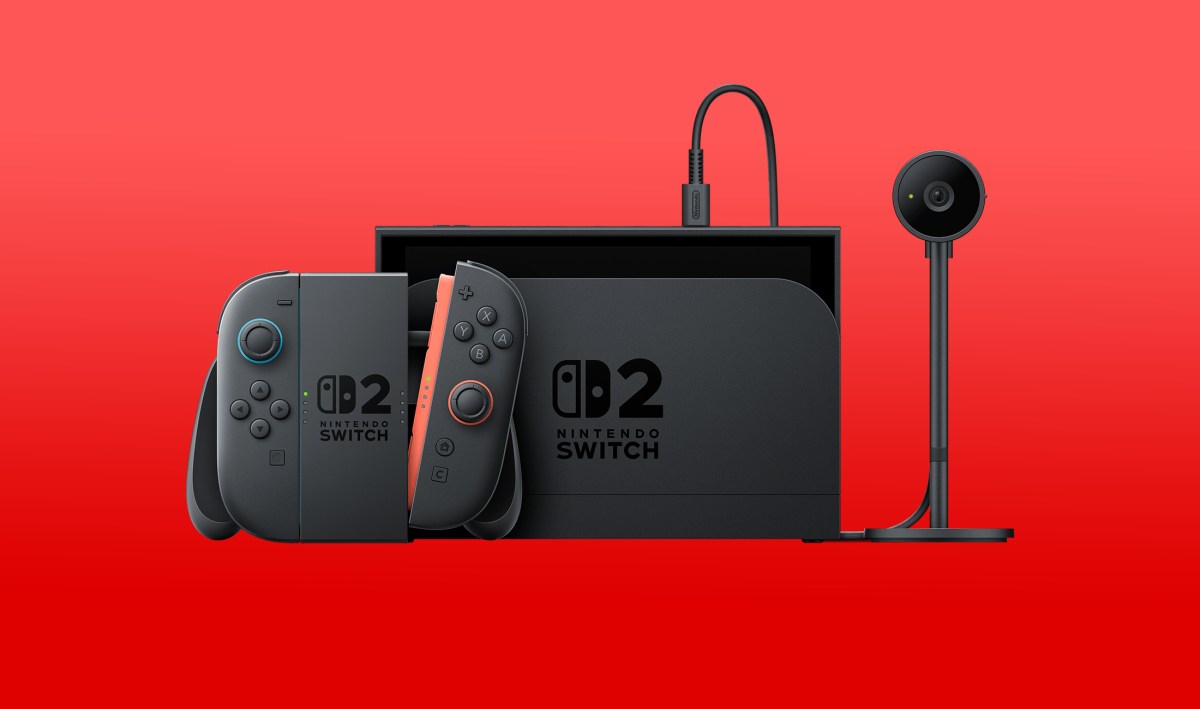
At a recent investor briefing, Nintendo confirmed its decision to raise prices for the Nintendo Switch and Nintendo Switch 2 were a direct result of changing global circumstances likely impacting all facets of the global games industry.
Shuntaro Furukawa, President and Representative Director, Member of the Board, said various factors influenced the company’s decision, including the implementation of new tariffs in the United States and the rising cost of memory chips and other essential components.
Nintendo on global tech production challenges – quick links
Why Nintendo raised the prices of its consoles
Responding to a direct question, Furukawa confirmed Nintendo is applying an ‘absolute amount’ of ¥100 billion (AUD $875,772,900) to its earnings forecast to factor in rising costs, and to better account for ongoing production and manufacturing challenges.
‘As we have explained before, the rise in memory and other component prices did not have a
major impact on the profitability of the hardware last fiscal year,’ Furukawa told investors. ‘However, we forecast that prices will continue to rise, and we believe this will gradually put pressure on the profitability of the hardware from this fiscal year onward.’
Nintendo will not publicly share how that amount of impact was calculated, but confirmed it was based on the current sales plans and procurement situation internally. As the company has outlined, global circumstances will seemingly present significant hurdles in the year ahead, impacting overall budget.
To offset this impact and account for many of these factors, the price of the Nintendo Switch and Nintendo Switch 2 had to rise. As previously reported by ScreenHub, price difference will vary between regions, but the average increase will be around AU$70.
Read: Nintendo Switch 2 gets significant global price hike, including in Australia
‘This change in hardware pricing was not due to any one specific factor,’ Furukawa said. ‘Rather, the decision was made in light of various changes in the recent market conditions which we believe will have a medium-to long-term impact on the global outlook of our dedicated video game platform business.’
Nintendo believes current economic conditions will not change soon
Importantly, Nintendo believes the current market conditions will not improve significantly in the near future.
‘If the increase in costs were seen as something temporary that would subside relatively soon, then we could have pursued other options, such as working to improve productivity and expand the installed
base while maintaining hardware prices,’ Furukawa said.
‘Unfortunately, the recent surge in memory and other component prices, and the changes in the
market environment, including trends in the foreign exchange market and the price of oil, are all
factors that we anticipate will continue over the medium to long term.’
‘As a result, we felt that the profitability of our hardware would suffer significantly if we maintained our existing pricing, potentially impacting our business operations over this time frame. For the sustained growth of our dedicated video game platform business, it is important to maintain a healthy earnings structure for our overall business. For this reason, we made the difficult decision to reflect a portion of our costs in the selling price.’
The price revisions in each region were reportedly inspired by differing degrees of impact in each market environment.
What Nintendo’s statement reveals about the state of the global games industry
As Furukawa made clear in his investor briefing, the circumstances facing Nintendo are not unique. In fact, nearly every company within the global games industry is currently facing an array of similar challenges due to the global situation.
High oil prices are impacting shipping and manufacturing. Memory chip prices have been driven significantly higher by demand for AI data centres and processing power. US tariffs are adding unexpected and unaccounted-for costs to imports and exports. At the same time, consumers have less spending power, as many essential products and services have recently become more expensive, increasing cost of living pressures.
In light of these challenges, companies including Nintendo have needed to make changes to their cost bases. As Furukawa says, the situation feels unlikely to change soon. As these ongoing global challenges continue to evolve, we expect to see other companies making similar moves, even at the cost of gaming becoming less accessible for everyone.