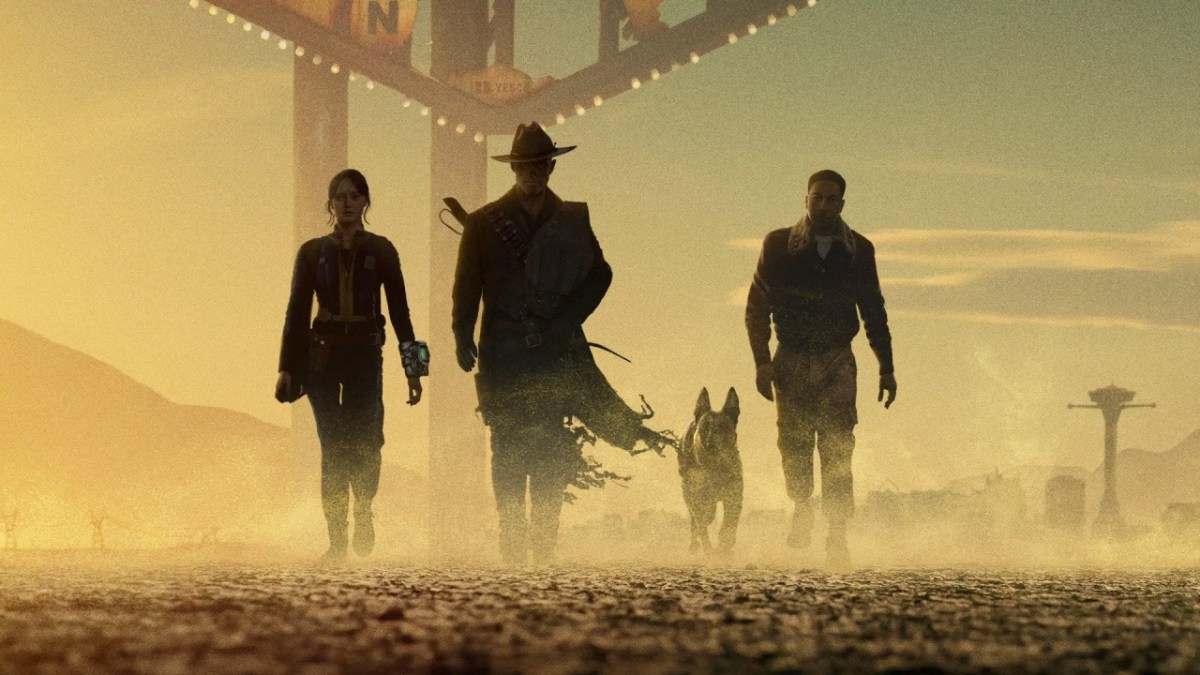
As the world becomes stranger, pop culture is increasingly becoming an escape from the real world, particularly for young people. As revealed in a new survey from YouGov, commissioned by Fallout game developer Bethesda, fandom is becoming more important than ever, as pop culture enthusiasts increasingly tie their identity, hobbies and friendships to their love of video games, TV, film and other universes.
Fandom and young Australians – quick links
An escape and a way to indulge in passions
According to YouGov, around 88% of Australians (of a pool of 1068) have been inspired to take part in further activities inspired by their personal fandoms. Around 44% stated their fandom had influenced their personal identity, shaping their personality and growth.
Notably, around 33% of survey respondents said they formed new friendships thanks to these fandoms.
It speaks to the value of pop culture as a tool for connection. Fandom provides an escape from the real world and a chance to experience the world through others’ eyes. But it also allows for growth of community, as viewers join together to discuss interpretations, share their love, or otherwise engage with the themes and topics presented.
Survey findings show that 31% of respondents had been motivated to join an online or in-person community as a result of enjoying a video game, film or TV series, while 34% had subsequently engaged with fan theories online and 33% had purchased merchandise or memorabilia relating to that fandom.
Notably, it also appears pop culture is impacting tourism, both within Australia and overseas, as 18% of survey respondents claimed they had booked holidays inspired by their favourite worlds.
That’s not all, of course. Respondents also affirmed their passions had inspired food and meal choices, with 17% saying they had recreated meals seen in their favourite pop culture universe. A further 12% stated their favourite franchises had inspired them to cosplay.
Fandom remains a significant economic driver
‘Franchise fandoms have evolved to the point Aussies want more than just playing a game or watching a TV series,’ Jon Rush, Creative Director at Bethesda Game Studios, said of the research.
‘The research shows fandom is drawing Aussies back to comics, creating new friendships, and even inspiring unconventional travel plans, to get their fix.’
What’s most clear in the research is that fandom remains an economic driver. It’s not only a means of entertainment or relaxation. It also informs buying choices, influences the tourism industry and inspires consumer spending.
In general conversation, there is a tendency to dismiss fandom. Deep passion for a particular property can be seen as childish, inspired by the idea that a love of pop culture is for children, and that adults should leave behind their interests as they grow.
But as the survey research shows – and anecdotally, you can see the same impact across social media – fandom remains incredibly powerful as both a personal and economic tool. It inspires decision-making and has become a way for people to express themselves, while forming connections of all kinds.
Also on ScreenHub: Google’s Project Genie AI game creation tool is already sparking copyright takedowns
Google has begun rolling out access to its Project Genie AI game creation tool, promising users the ability to create instantly playable game worlds featuring a variety of characters and gameplay styles. While the company has outlined some caveats – the tool remains experimental, and the game worlds produced are relatively limited – it has expressed great enthusiasm for its potential.
Read more …