Screenwest has announced changes to its First Nations funding program, with the overarching goal of making it more ‘relevant, accessible and impactful’ for those applying, and for the screen projects that result.
The changes have been made following an in-person and online survey-based consultation process, with Western Australian First Nations screen industry practitioners contributing to a review of the program’s funding and how it’s delivered across the state.
Screenwest shares refresh of First Nations funding program – quick links
What’s changing for the Screenwest First Nations funding program
As shared, the key changes to update Screenwest’s First Nations funding program have now been implemented.
One of these is an update to the application process for all funding grants. These will now all be processed through the SmartyGrants online application portal.
The First Nations Practitioners Development Fund has been renamed to the First Nations Practitioner Equity Fund to better reflect its purpose of ‘supporting professional skills development opportunities and contributing the travel costs for Western Australian First Nations screen practitioners who are otherwise ineligible for other Screenwest funding programs.’
Available funding has also increased, with the travel funding contribution going from $1,500 to $2,000 for national travel, in line with rising costs. Regionally-based applicants will be able to receive up to $500 towards ‘non-direct’ flight costs.
The biggest change made is for the First Nations Project Development Fund.
Where previously, this offered up to $15,000 worth of support for developing projects, the fund will now offer up to $25,000 for documentary projects and $35,000 for scripted projects.
Notably, one fund is also being removed: the First Nations Low-Budget Television Fund. Per the team, this fund ‘no longer met industry needs’ and had ‘minimal uptake’ over the last few years.
The funds previously allocated to this program have been used to establish a new First Nations Special Initiatives Fund, designed ‘to build pathways to advance Western Australian First Nations screen talent and businesses.’
Screenwest on its funding program changes
‘First Nations stories are an essential part of Western Australia’s screen industry and our cultural identity,’ Lea Bestall, Screenwest CEO says. ‘Through our First Nations Strategy, we are deeply committed to supporting Western Australian First Nations screen practitioners and communities share their histories, culture and stories on screen.’
‘We thank everyone who gave us feedback through our workshops and survey,’ Irma Woods, Screenwest First Nations Program Manager says. ‘These changes will help our storytellers to develop their skills, share their stories and build sustainable careers in screen.’
We’ll likely see the impact of these changes in the coming months.
Also on ScreenHub: Australia’s National Film and Sound Archive has rediscovered a lost 1926 silent film
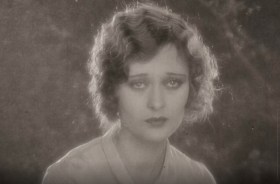
Australia’s National Film and Sound Archive has announced the re-discovery of The Little Irish Girl, a silent film from 1926 starring Dolores Costello (the grandmother of actress and talk show host Drew Barrymore), which has been considered lost since the late 1940s.
As the organisation says, the film has not been seen in public or private since this era, and had been considered lost media. As an adaptation of the Tasmanina-born author Edith Lyttleton’s novel The Grifters, it has an important part of Australian screen history. The complete four-reel film has now been collected and preserved, thanks to the donation of an array of nitrate films that were gathered by Australian collector Laurie McIver and his son Andrew Gainey, who donated them to the NFSA earlier in 2026.
Read more …