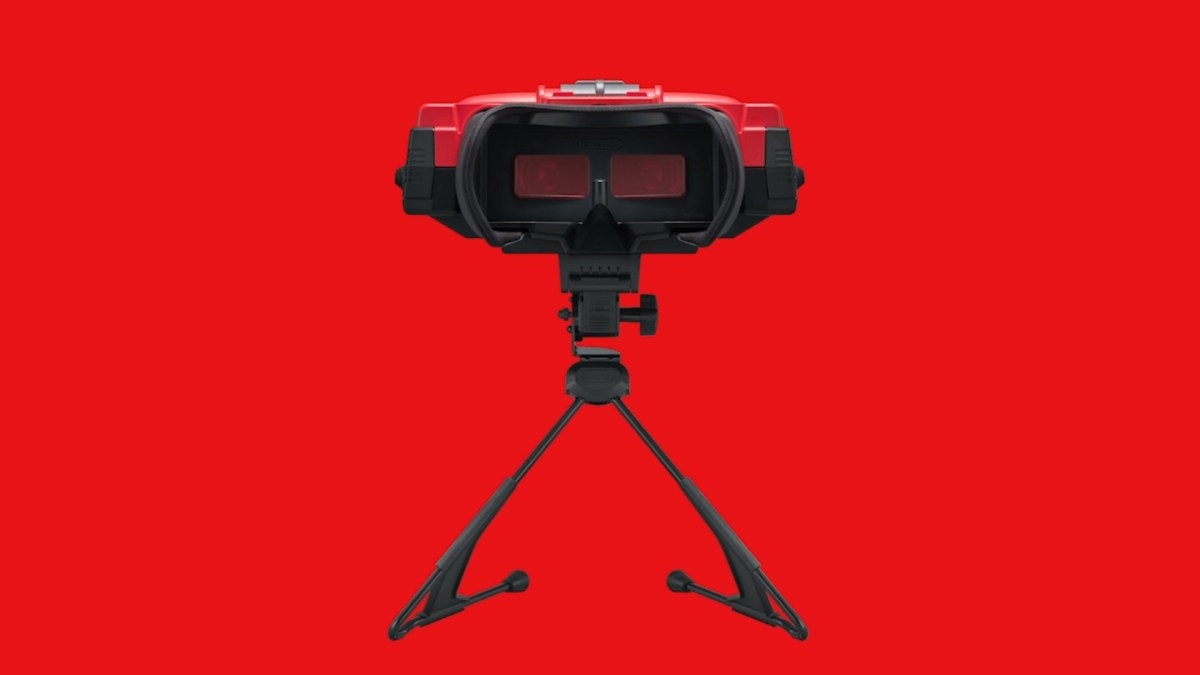
I was far too young to appreciate the original Virtual Boy when it was first released in 1995. I was far more concerned with learning fine motor functions, and conceptualising the nature of being.
Decades on from its launch, I’m now in a very different position, thankfully – and so is the Virtual Boy. Driven by nostalgia, and perhaps a desire to highlight a quirky piece of its own history, Nintendo recently announced the Virtual Boy is set to return on 17 February (with a plastic replica and a functional cardboard form), alongside a library of classic games like Virtual Boy Wario Land, Galactic Pinball, Golf, and more.
Getting hands-on with this release during a recent preview event, I was finally able to satisfying a long-held curiosity about this nifty device, and to realise just how far ahead of its time the console really was.
Virtual Boy 2026 hands-on preview – quick links
What to know about the 2026 Virtual Boy re-release
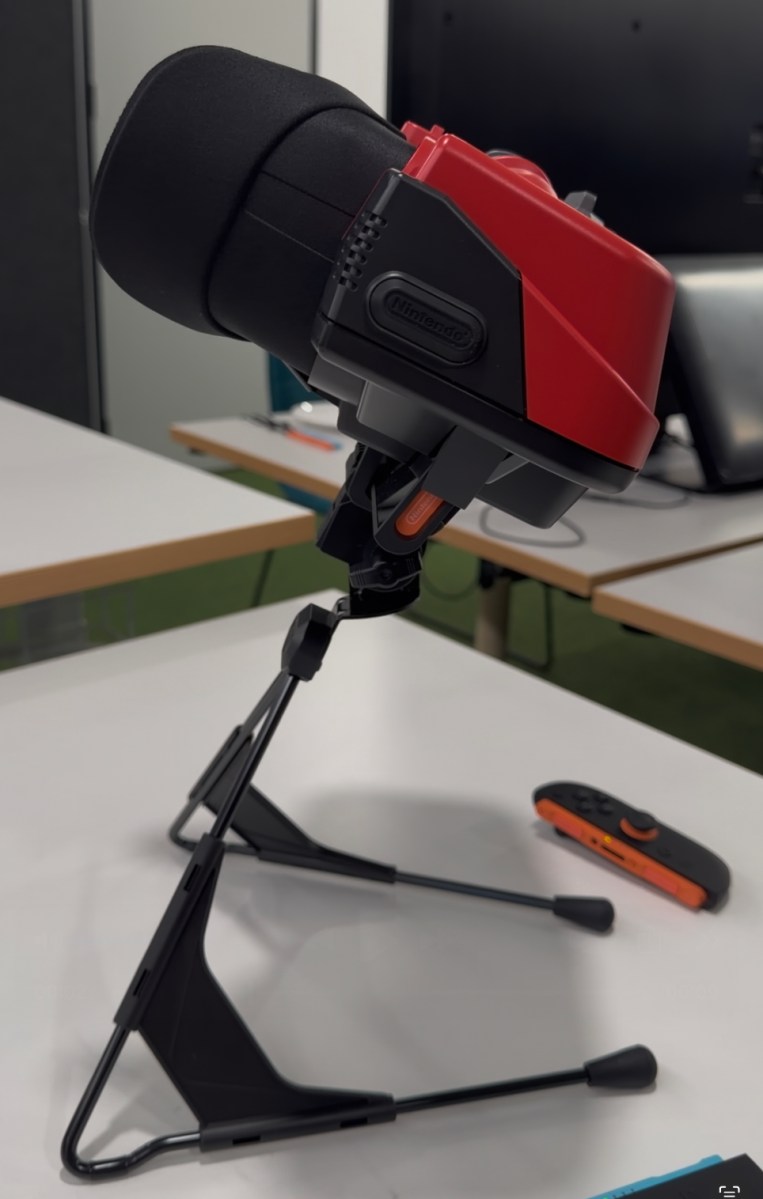
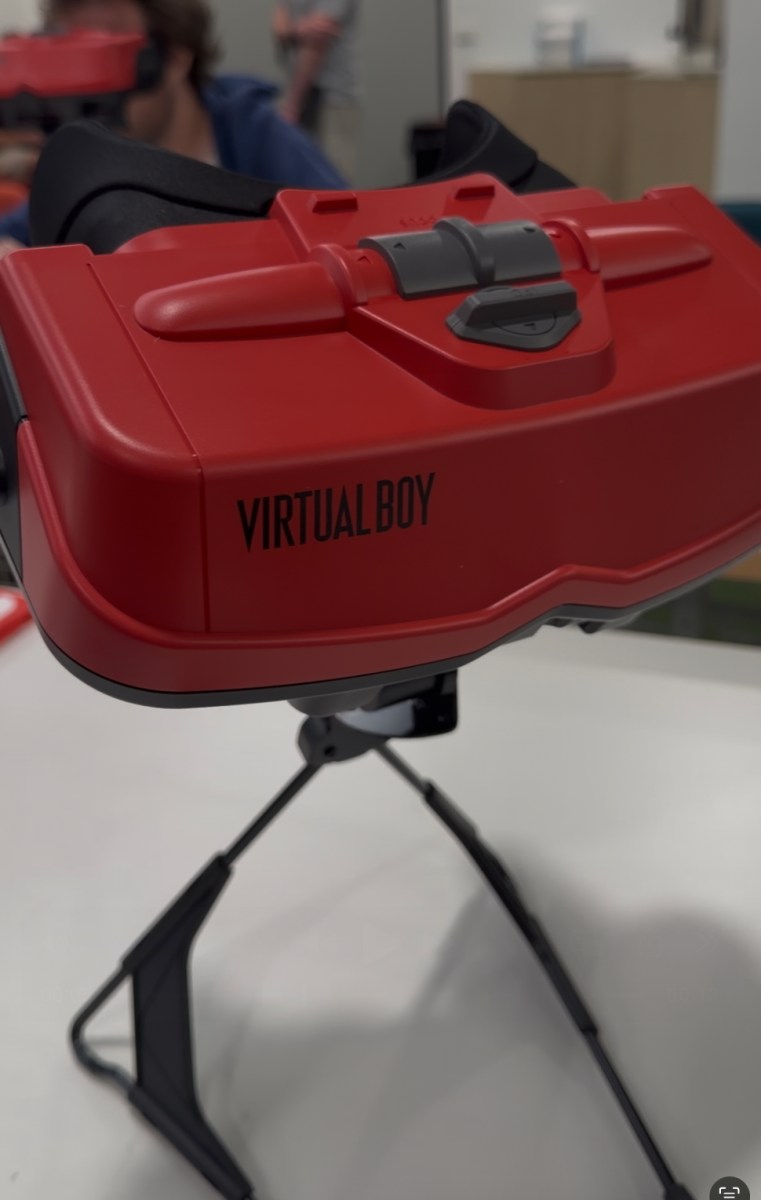
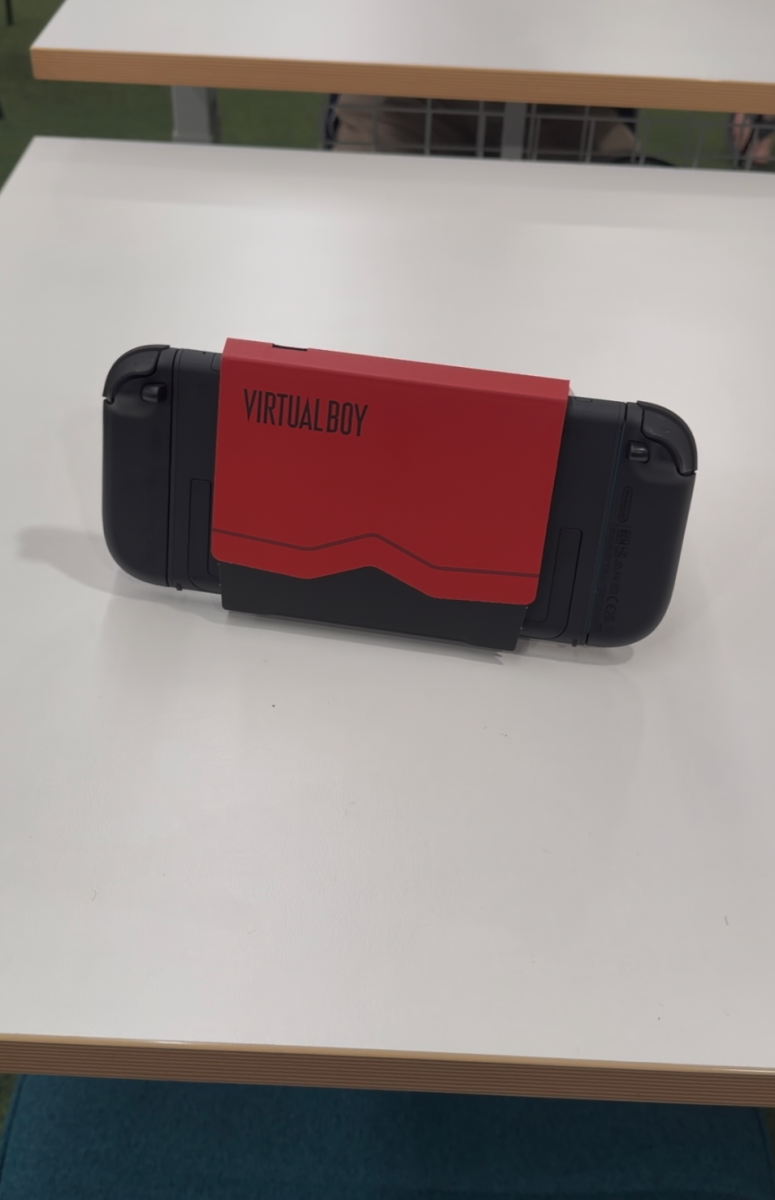
There is a small caveat in this preview. The Virtual Boy of 2026 is not the same console as the one first released in 1995. Rather than being a standalone release, what Nintendo offers is a plastic replica or cardboard alternative of the Virtual Boy that transforms a Nintendo Switch or Nintendo Switch 2 into a Virtual Boy console.
Gameplay is delivered by a Nintendo Switch screen, through special lenses, with the console running an emulator. Given this adaptation, gameplay is much crisper and clearer than it was previously (as confirmed by a fellow journalist and experienced Virtual Boy user during the preview).
It’s best to think of this release as the Virtual Boy as it should have been. Modern improvements mean that while games are technically unchanged, they are delivered in an enhanced form that allows you to really see just how clever they are, and how game-changing the original console could’ve been.
As one of the early forays into the world of virtual reality gaming, the ideas backing the Virtual Boy were certainly sound. It was only really the technical limitations of the time, and the decision to limit the colour palette of games to red-and-black (using stereoscopic 3D techniques and animation), that inspired its commercial flop.
How the 2026 Virtual Boy fares, with a modern lens
Playing Virtual Boy games in 2026, what was most surprising was how well they held up. Perhaps a product of hard-focussing on distinct gameplay mechanics, each of the experiences offered in the Nintendo Classics library feels novel and moreish.
There is a real simplicity in most of the games.
In Golf, you simply play golf, swinging a club to hit balls. In Galactic Pinball, you’re playing pinball by unleashing balls, then controlling the flappers at the right time to send them flying, earning a high score.
Teleroboxer was one of my favourite experiences. In this game, you’re facing off against a boxer, watching their arm movements to defend, before leaping in to punch them back, whittling down a health bar. While the scope here is limited, what makes Teleroboxer so compelling is its 3D artwork. This game, as with most of the other Virtual Boy titles, utilises animated layers to bring its villains to life.
Bouncy 3D animation that gives a lively look to opponents is layered out ‘backwards’ in stereoscopic style, so when you place your eyes within the Virtual Boy housing, you see a dynamic, 3D vision with interlocking, smooth-flowing animations. There’s a real dynamism in Teleroboxer, as opponents bounce along the screen, red against a harsh black background, in a way that makes them leap out, and feel alive.
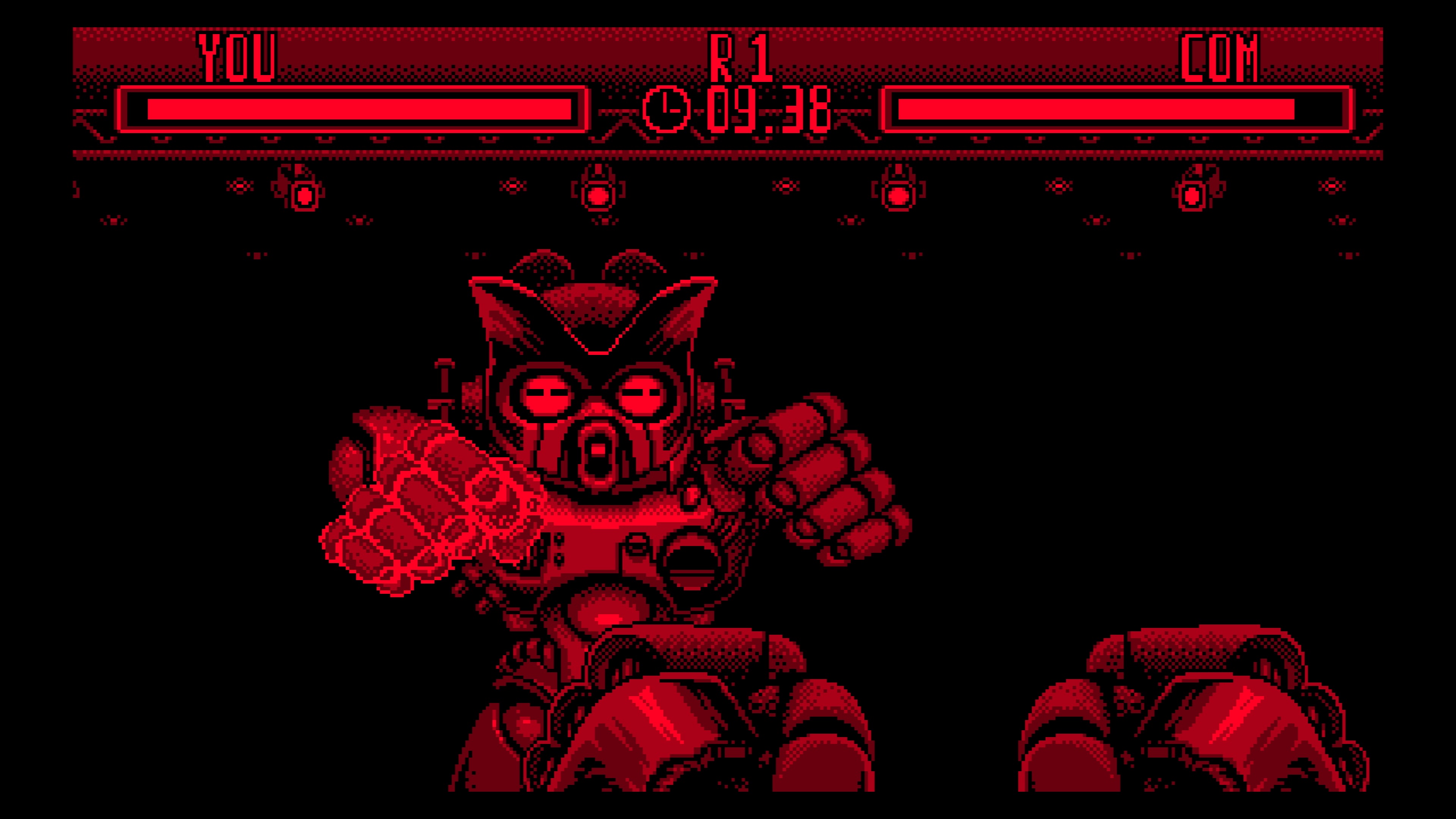
The excellent sprite work adds to the effect, making it so Teleroboxer is packed with opponents, all very interesting to look at and engaging to fight in direct battles.
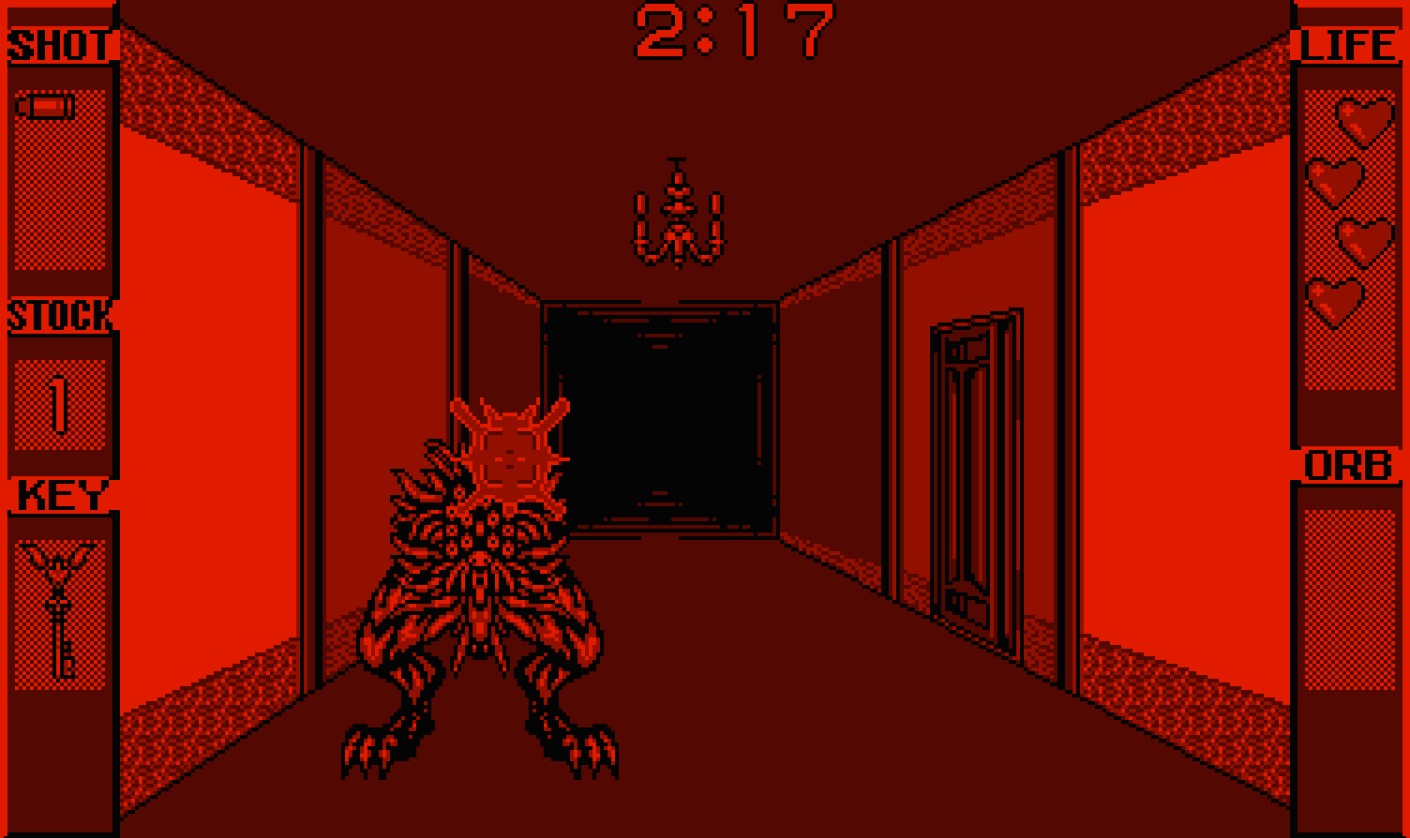
The Mansion of Innsmouth also allowed a similar impact, as this game has you charting flat corridors, attempting to collect special items while also escaping from or defeating Lovecraftian monsters.
While this is a very rigid mansion-exploration game, where you travel forward into mysterious corridors, hoping for the best, the Virtual Boy set-up adds a growing sense of horror with each step.
Using real-time mouse movement, you can shoot your way out of messes, but with limited ammo, you also need to consider running to survive. Even with its basic controls, this game is heart-pounding.
Virtual Boy Wario Land is a real highlight
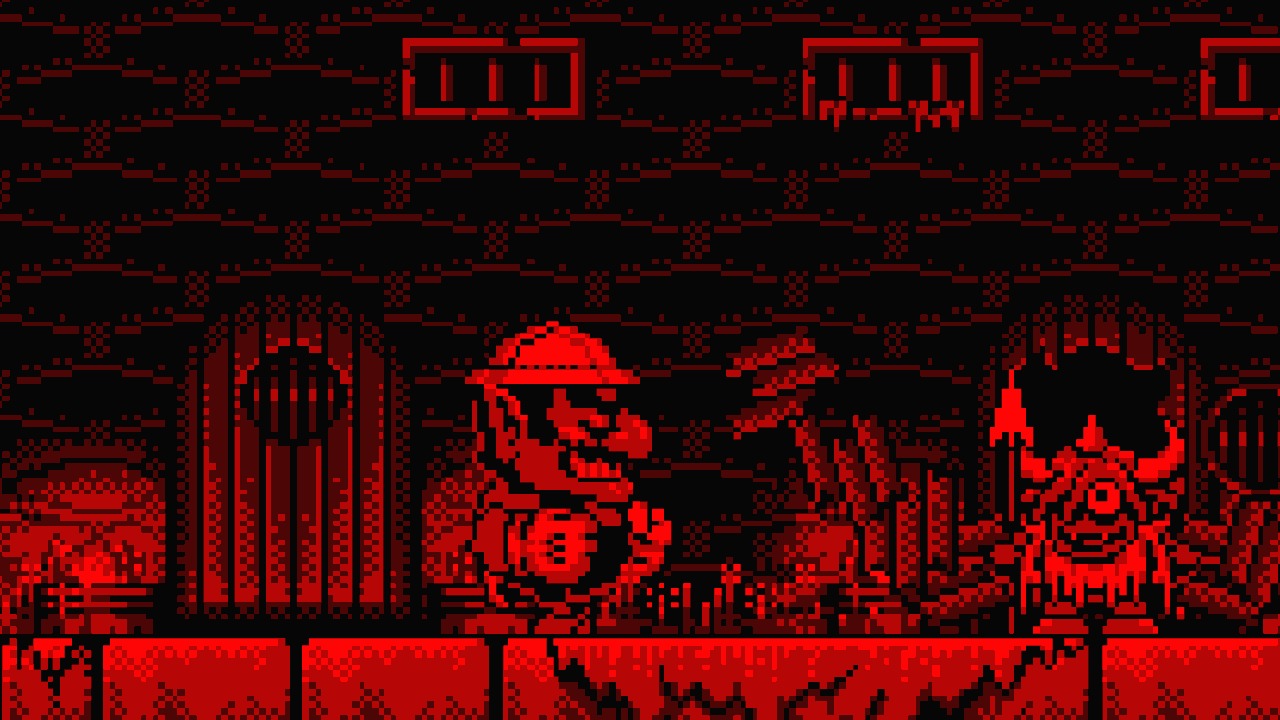
Another major highlight for the Virtual Boy is Virtual Boy Wario Land, a 3D platformer that stars the loveable, handsome Wario. This is a classic Mario-style platformer, complete with explorable levels, pipes, and enemies to ground-pound – with the twist that it’s all rendered in 3D style, with multiple layers to stomp through.
It’s particularly novel to see far-off stages in the distance, and to then use pipes to get there, charting the space, and seeing it all rendered in a lovely 3D style.
If any of the newly re-released games demonstrate the potential of the Virtual Boy, it’s this one, given lush pixel art and fully-featured gameplay that allows for immersive exploration.
The differences between the plastic and cardboard Virtual Boy consoles
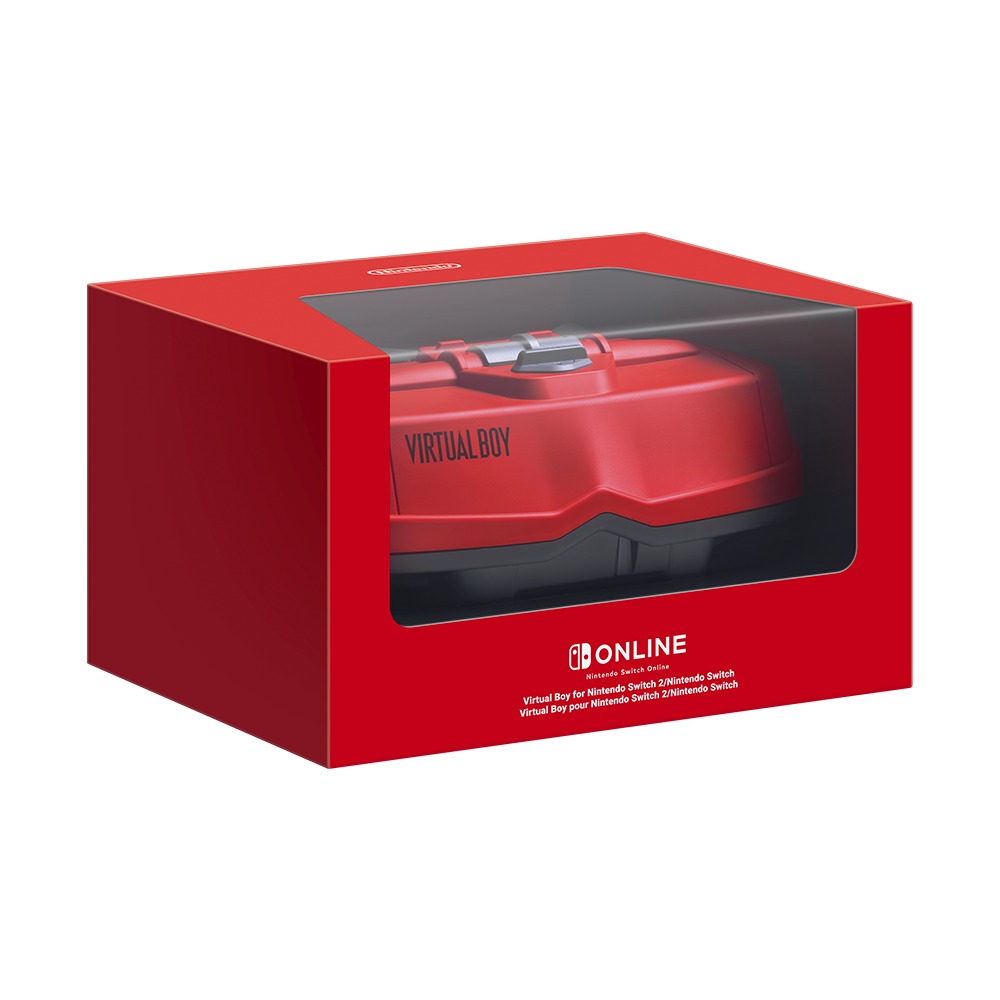
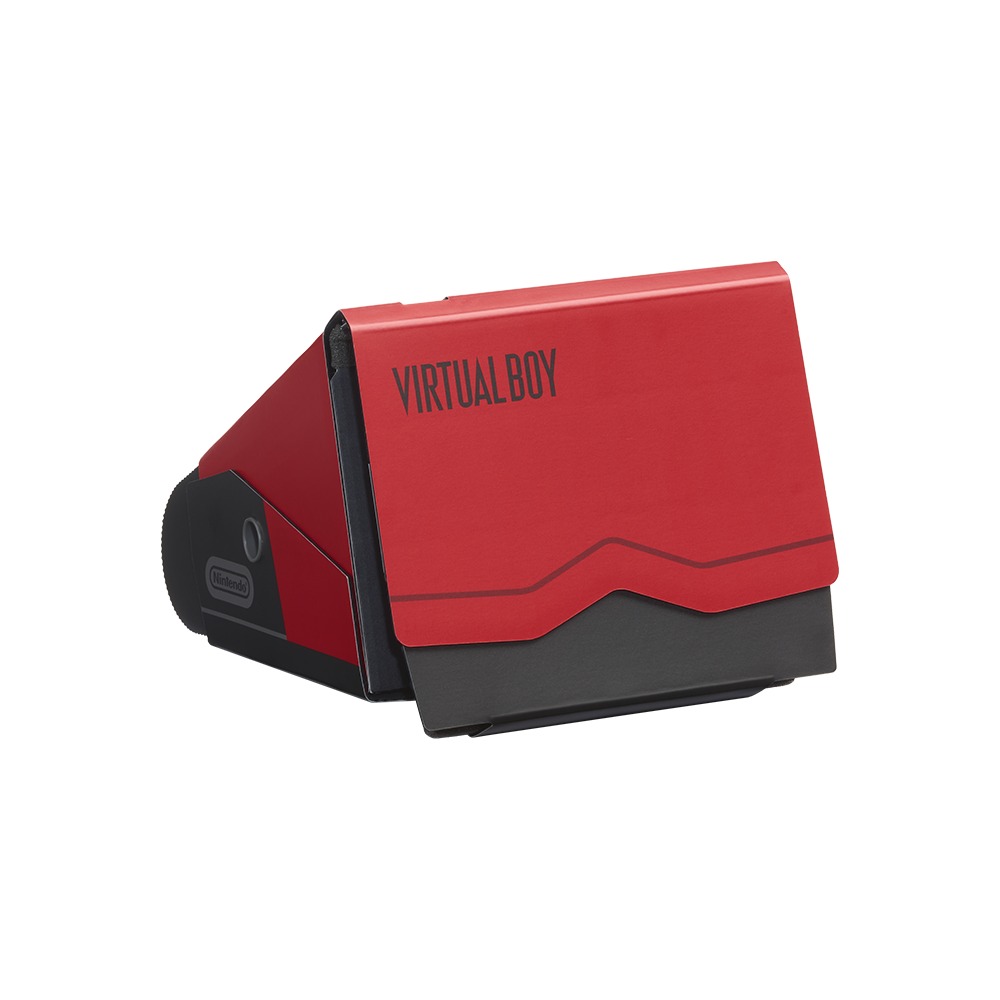
If I had one concern in my time using the Virtual Boy, it was that there is a clear difference between the premium plastic Virtual Boy chassis, and the cheaper cardboard system.
The plastic Virtual Boy chassis, which replicates the form of the original console, is great. It’s a standalone device, so you can set it on a flat surface, and adjust height to ensure comfort. I found it was comfortable around the eyes, and allowed you to be completely immersed, with enough room to place your face into it, and block out all light. This is important to reduce the barrier between yourself and the screen, and to add a needed clarity to gameplay.
Using the Virtual Boy console replica, you end up in total darkness, which is the intended design.
While using the cardboard Virtual Boy replica, I had a slightly worse experience. This one doesn’t have legs to carry the Nintendo Switch or Switch 2 console, so you need to use your elbows to steady it. As you’d expect, this strains over time, and isn’t nearly as comfortable as having the console held up.
This wasn’t my biggest issue, though. I felt there wasn’t enough room to completely cover my eyes with the cardboard replica. It lets light in unless you properly shove it on your face, and this will give you a pressed-in indent. Using it comfortably, you do let some light in around the edges, which then reflects off the lenses, and reduces clarity of gameplay.
The reality is if you’re keen for a proper Virtual Boy experience, you’ll need to consider forking out for the replica console, rather than the cardboard alternative. While both deliver the Virtual Boy experience well, there is far greater comfort and gameplay delivery with the plastic replica, and it makes the experience seamless.
The price difference accounts for this, of course. But it’s worth noting you are getting a slightly inferior experience if you go for the cardboard version.
The overall experience
Getting hands-on with both releases, I came away surprisingly impressed by the overall experience. The original Virtual Boy has been frequently discussed as a failure on Nintendo’s part, with its lack of commercial success identified as a reason for ridicule. But getting hands-on, the intention behind the console and its original ambitions are much clearer.
While it’s certainly not a ground-breaking console in 2026, there is a cleverness in many of the games re-released. Playing through this library, I was struck by the ingenuity on show, and just how cool many of the ideas presented are.
It’s an odd decision to bring back the Virtual Boy. My stance on that hasn’t changed. But I’m glad Nintendo has done it anyway, if only to satisfy my curiosity, and to highlight the quiet genius at work in this console’s games library.
It’s a chance to re-appraise the experiences developed, and to see how Nintendo evolved from this strange chapter in its history.
Nintendo provided flights for ScreenHub to attend a hands-on preview including the Virtual Boy, and upcoming games.