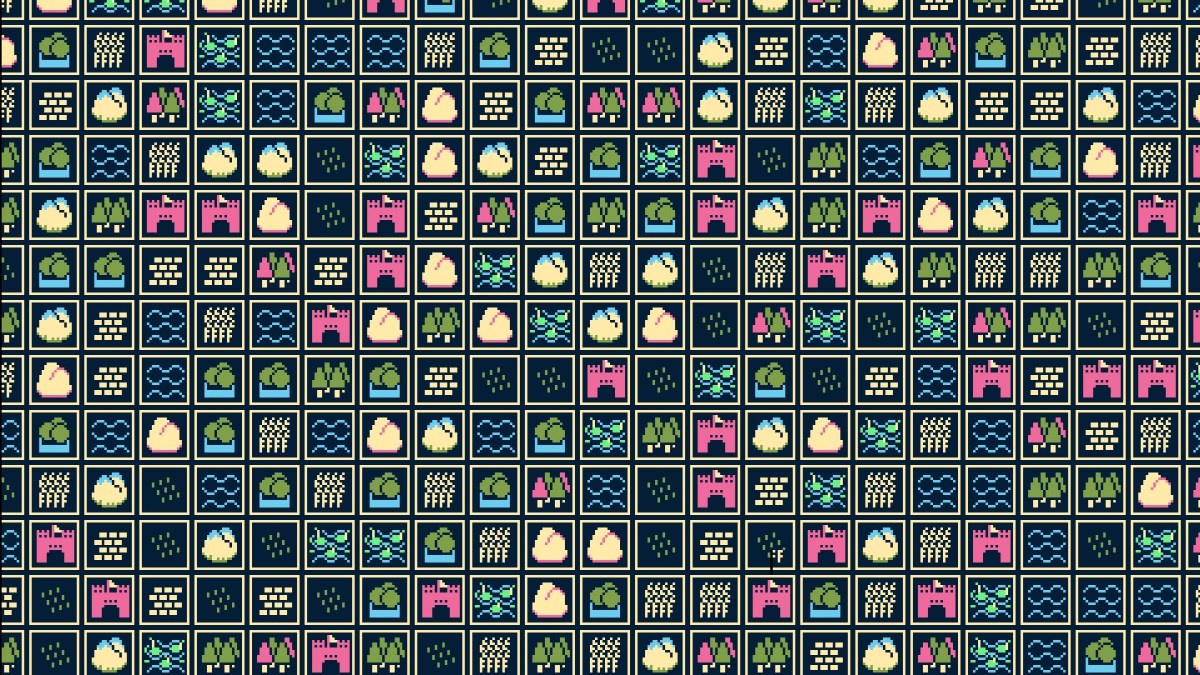
Creator AP Thomson describes Titanium Court as a ‘surreal strategy game for clowns and criminals’. Lacking context beyond this, I recently jumped into the game’s Steam Next Fest demo, and found myself changed on the other side.
Titanium Court preview – quick links
Titanium Court keeps its secrets close
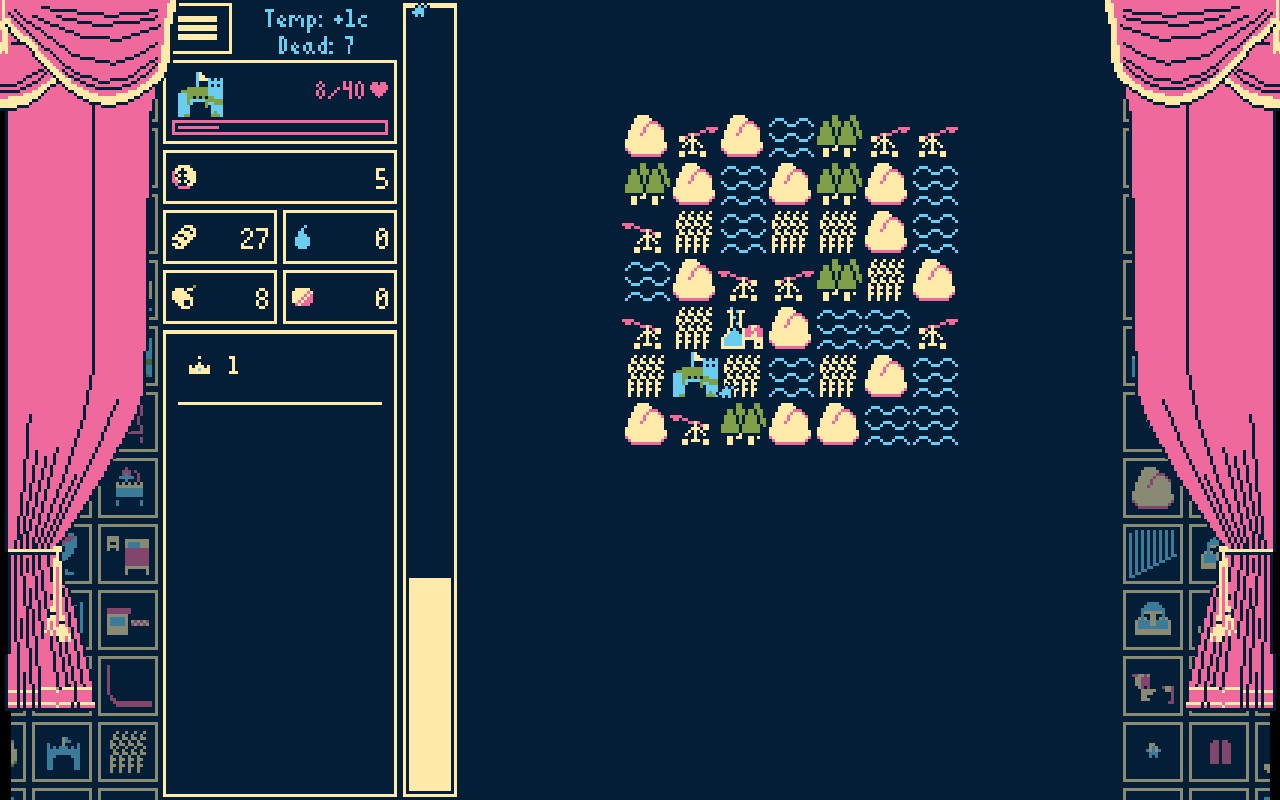
Titanium Court is a game that refuses all attempts at definition. When you think you know what’s going on, new layers are revealed, each stranger than the last. I think I have the crux: it’s a game about becoming the monarch of a kingdom, which is beset by enemy forces on all sides.
In your role, you must carouse with the people of your kingdom, while also spending time magically manipulating your environment to deplete enemy forces and ensure your defences are robust and ready for times of war.
Primary gameplay involves a match-three style board, where you must switch the places of fields, rivers, rocks and castles to create new, more protected terrain. If you can surround your castle with rivers, you get a defensive moat that will halt enemy marches. If you combine enemy castles, you can actually disappear your enemies before they have a chance to attack.
In later stages, matching three will also help to clear catapults (or defend your castle with rocks), remove exploding volcanos (or have them impact enemy territory) and defend against roaming soldier fairies.
Gameplay here is very moreish, with layers of strategy and understanding that are only earned through various skirmishes, some of which you’ll fail. I’m still coming to grips with the game’s soldier system, which requires you to earn various resources (water, coin, food) but I know enough to stay alive.
The key appears to be defending yourself with surrounding terrain, making sure you place obstacles between your Titanium Court and enemy forces. In failing that, you will need to spend your castle resources to send active soldiers into battle, to defend against any potential damage.
No matter what happens, the Titanium Court must stand.
The moments between the battles
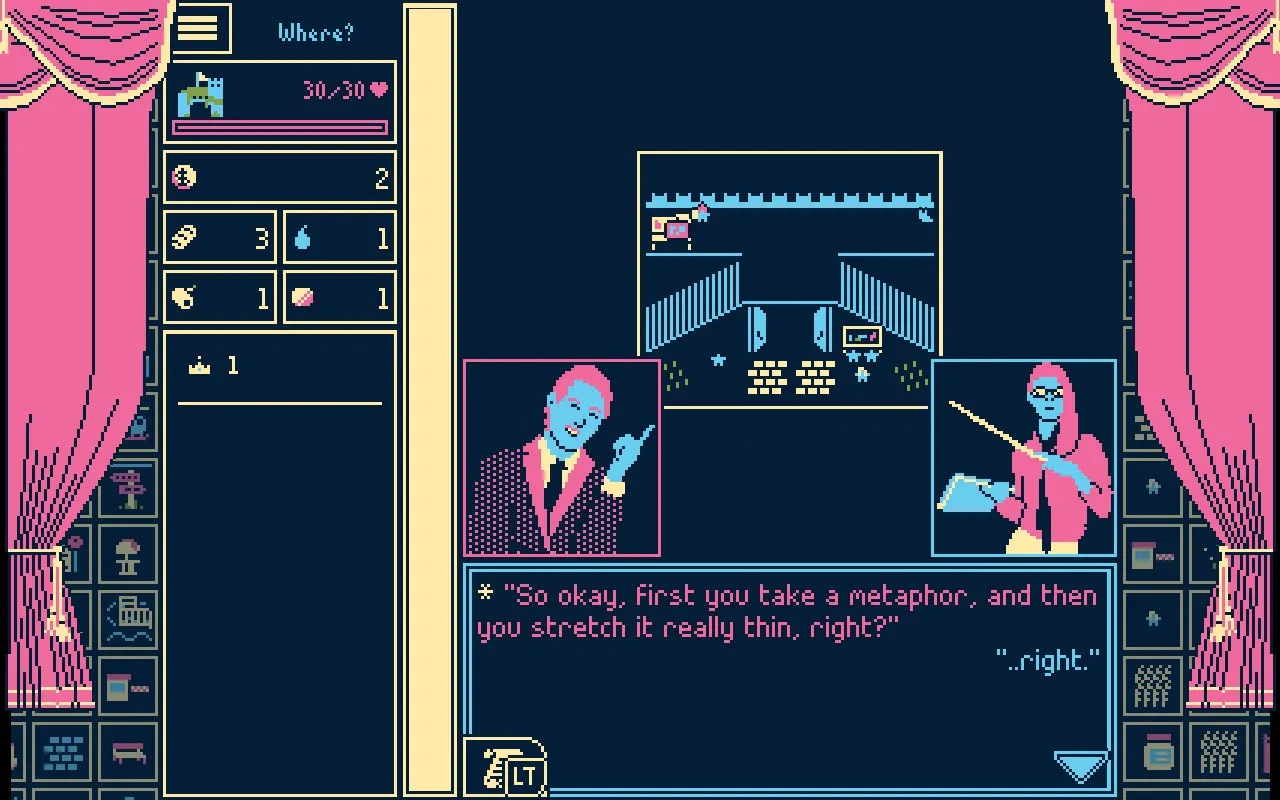
While Titanium Court‘s war skirmishes are compelling in their own right, presenting unique choices to deploy strategy, the most interesting parts of this game are what happens between wars.
Despite the core theming and presentation, this is actually a modern fantasy adventure, complete with interruptions from sportscaster-style commentators and meme-like images. If you manage to crush the castles of enemies, you get a little pop-up of a baseball star smashing a ball. Your council of advisers includes a woman with a pointy stick, and a game show host.
The housing narrative appears to be a story, as failure immediately segues into a chat with a man named Puck Goodfellow, clearly inspired by A Midsummer Night’s Dream.
So, is Titanium Court a dream? Is it a story, or a play? There are elements to suggest as much, although the truth is so obfuscated that you’ll be chasing it the entire time you play. In the end, it doesn’t really matter. But it’s fascinating to consider, and gives layered stakes to your battles.
As the game gets stranger – whether that’s noticing Puck watching you from the shadows of your courtyard, or entering a strange chase sequence in the midst of an eclectic battle or, later, seeing a dragon – Titanium Court plays with its idea of reality. Maybe it is all a metaphor. Maybe nothing really matters.
The important thing is you keep fighting for survival.
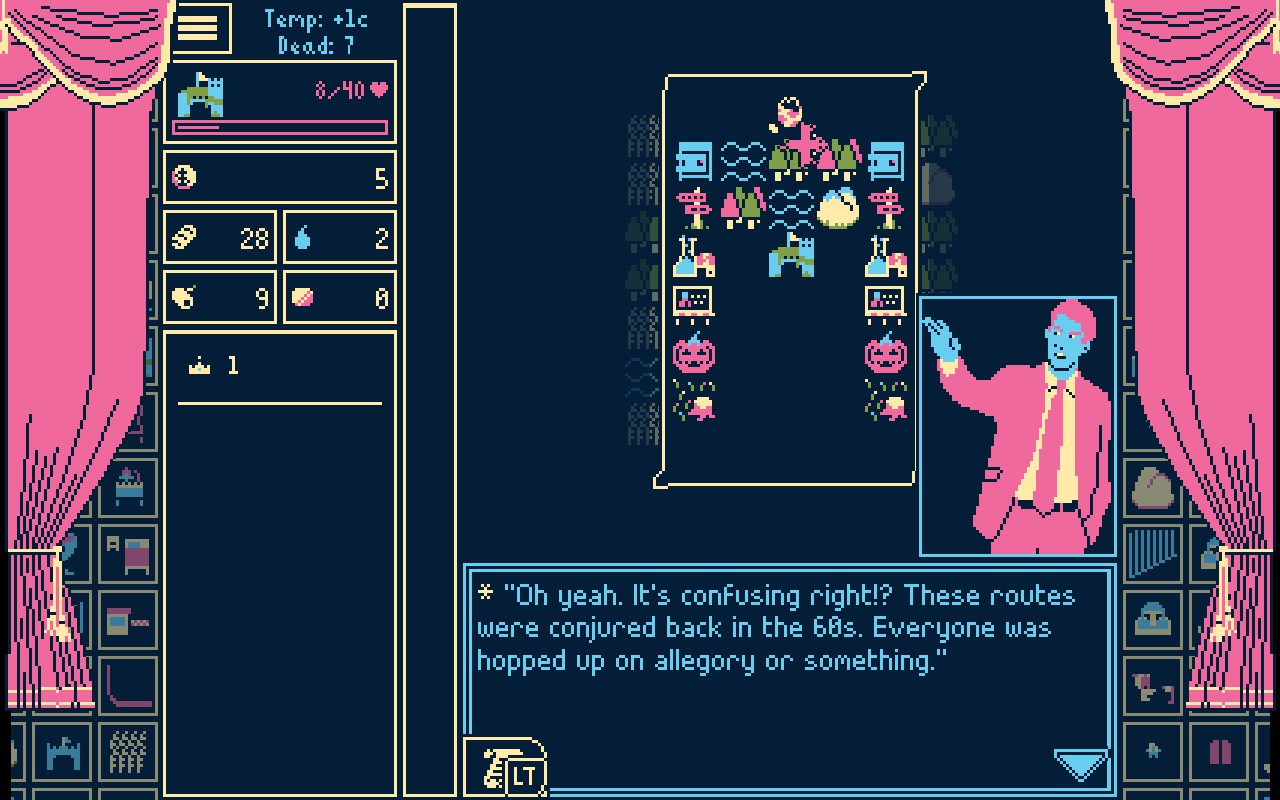
Taking this loosey-goosey approach allows Titanium Court to play with all sorts of bizarre and strange elements, all of which give it a real personality and charm. You’ll take on another war if only to see what weirdness the game will present next.
All the while, you’re working towards a mysterious goal, on a map with ever-changing tiles and the threat of a looming dragon.
Those looking for something weird, something strange or just something baffling should check out Titanium Court while its demo remains live during Steam Next Fest (until 5am AEDT 3 March). Not everything in this game will make sense. In this confusion, you’ll find a wonderful, discombobulating experience that plays with the nature of games.